The local economy is thriving in the mountainous Altay Prefecture of northwest China's Xinjiang Uygur Autonomous Region as more and more vibrant activities continue to attract flocks of tourists to embrace the spectacular scenery and enjoy the warm local hospitality.
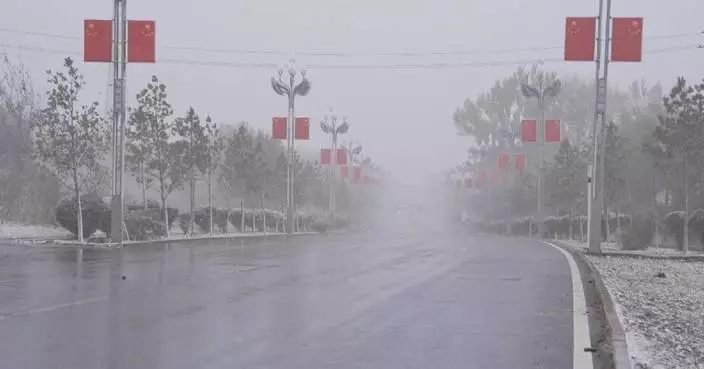
The winter seasons are the boom time for tourism in Altay's snow-coated mountain villages, with skiing, music festivals and mouthwatering local cuisine drawing in more outside visitors and bringing these once quiet communities to life.
One of those reveling in this growing development is 24-year-old local graduate Abdullah Ali, who obtained a degree in tourism management from Xinjiang's regional capital of Urumqi but decided to return home to pursue a career in the local homestay tourism industry.
"Altay keeps growing better every year. The people who grew up here in those days want to preserve our hometown's culture. That's why I came back," he said.
Ali's hotel is located in the heart of Altay, right by its most famous attraction, the Wubaili Cultural Street, which has been developed on the site of a former tannery.
As a proud local lad, Ali says he hopes to ensure visitors from near and far have a memorable stay in his hometown.
"Every winter, skiers and snow lovers flock here from all over China, and even from overseas. Perhaps my skills are rare in this area. But I just thought I want to contribute something special to my hometown, so visitors will never forget Altay and our unique hotel," he said.
Every year, when the first drop of snow falls, his busy winter season begins. The popularity of Ali's homestay is such that it has already become a well-known social media hotspot among the younger generations, which means it is often fully booked throughout the winter months.
"In today's digital age, we're fortunate to have many major online platforms available. Most of our marketing now happens online. In fact, over 80 percent of our hotel bookings come through internet reservations. This shift to digital is also helping Altay's growing economy to thrive," he said.
Ali's story is not an uncommon one across the community, as he says many of his childhood friends are also choosing to settle here and pursue careers in the local area.
"Today, many work as ski instructors, others run local specialty stores, or some start businesses featuring our regional cuisine. I hope more tourists will come visit our snowy hometown, experience the unique ethnic customs of Altay, and immerse themselves in its charm. Your arrival will not only boost our economy but also improve local employment opportunities. It will inspire the youngsters who may have left to return and contribute to our hometown," he said.
"I love my home here in Altay. I hope you'll love our 'most beautiful Altay' as much as I do," Ali said as he extended an invitation for more people to come and enjoy all that Altay has to offer.

Thriving tourism in Xinjiang's Altay offers promising career prospects to local college graduate