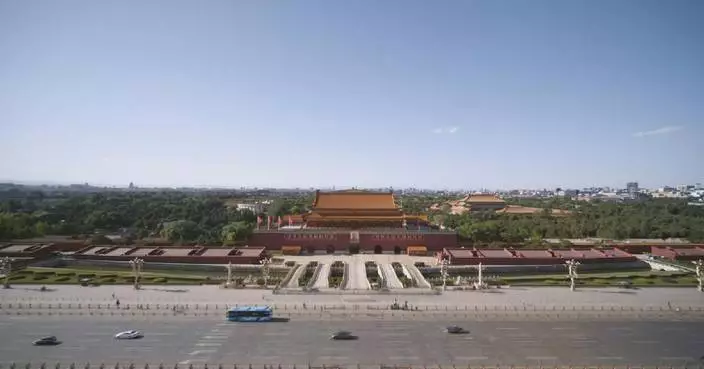
From advanced hospitals to modern schools, northwest China's Xinjiang Uygur Autonomous Region has witnessed a leap forward in public services thanks to the devoted support of aid teams from across the country.
In Pishan County, a catheterization laboratory was just built up with an investment of over 10 million yuan and put into use.
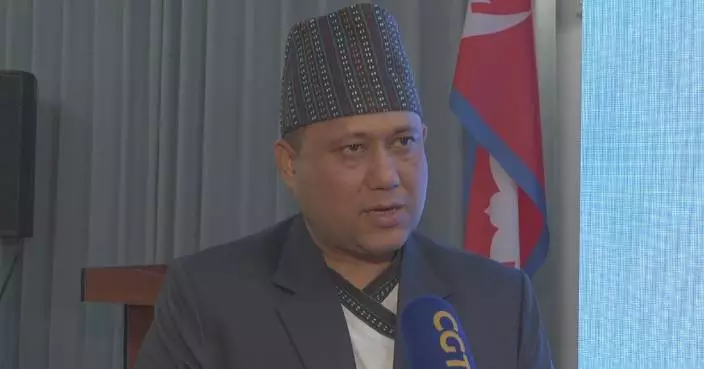
Exmet, a man in his forties, is one of the beneficiaries. Members of a medical aid team from east China's Anhui Province acted swiftly and completed an emergency cardiovascular surgery for him in only 68 minutes.
"It took only 68 minutes to implant the stent in emergency. In treating cardiovascular emergencies, it's vital to handle the case within the 'golden 90 minutes.' Now we've pushed this lifeline forward by hundreds of kilometers," said Cheng Tieniu, a doctor from the Tongling People's Hospital of Anhui Province.
In the past, patients in Pishan suffering acute conditions had to be transferred hundreds of kilometers away to regional hospitals.
Just last year, a young patient tragically lost his life during such a transfer, and the incident drove the Anhui medical team to be determined to bring the medical resources closer to the people's doorstep.
In Turpan City, the new campus of a middle school built with support from central China's Hunan Province has enrolled its first batch of students.
"This new campus is so beautiful. I feel so motivated to study now, and I've already fallen in love with the life here," said student Patimai Gapaer.
Equipped with multimedia classrooms, smart laboratories and a standard sports field, the new school not only offers advanced teaching facilities but also introduces innovative teaching models.
Teacher Tuo Hao gave a special chemistry lesson using cloud technology to connect with colleagues in Changsha and Yueyang cities of Hunan.
"The 'external support' from Hunan thousands of kilometers afar feels as if right by us. It not only allows our students to experience top teaching methods from Hunan, but also helps me rapidly improve my own teaching skills," said Tuo.
One batch after another, professionals have devoted themselves to Xinjiang aid, leaving behind local talents who can carry on the work.
In recent years, medical aid programs have trained nearly 400,000 medical workers, while more than 200,000 teachers have benefited from over 2,000 education aid projects.
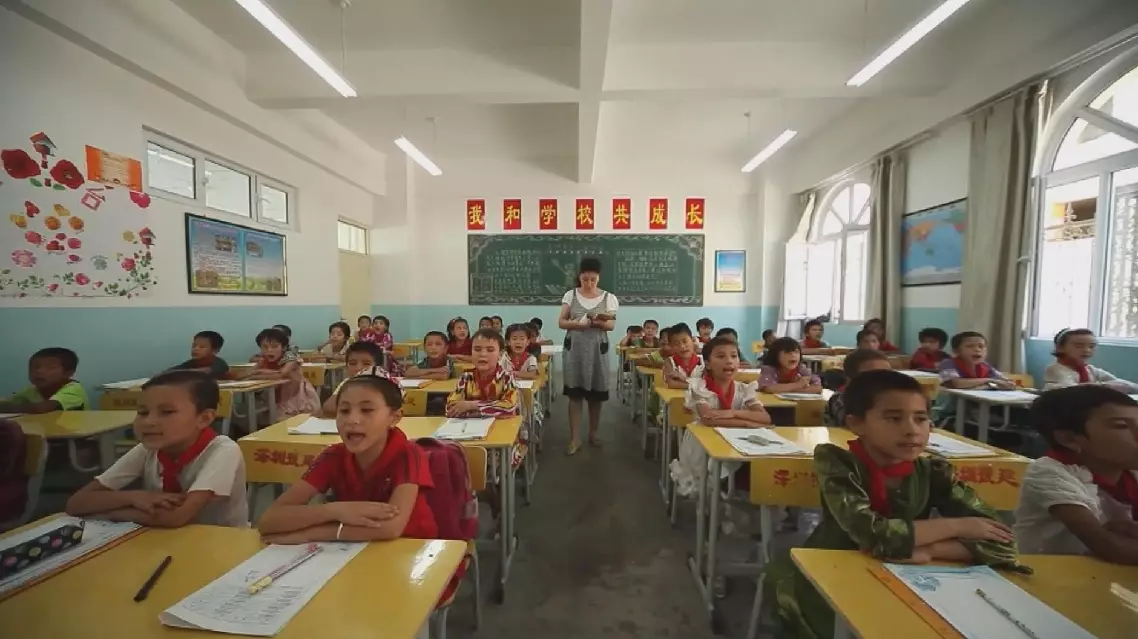
Aid programs strengthen health, education services across Xinjiang
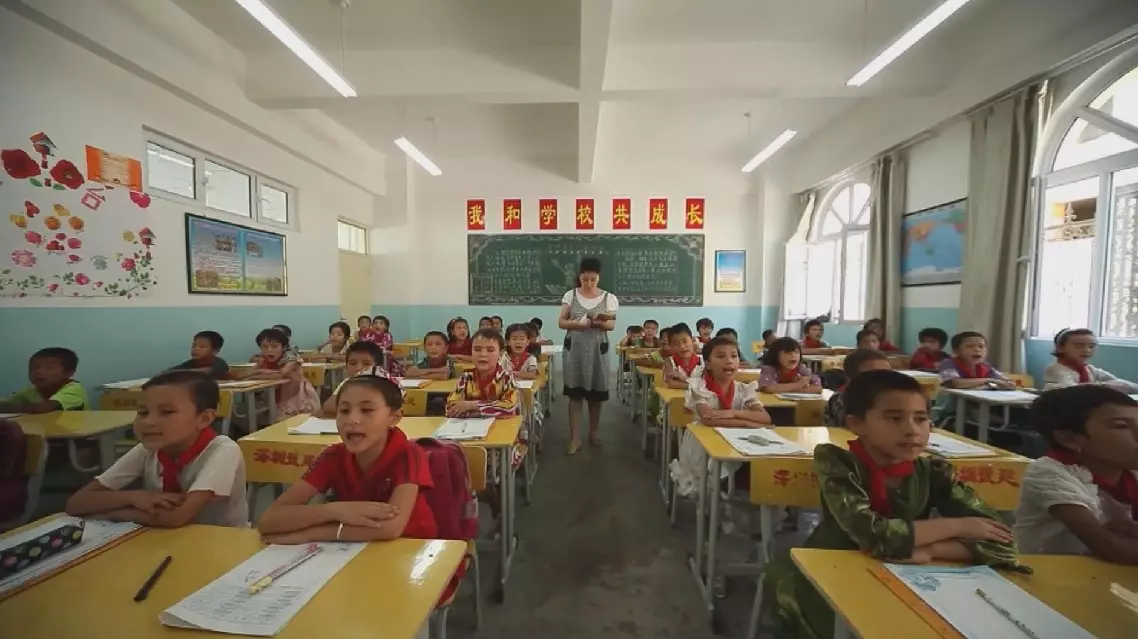
A former television host from Taiwan, Zhai Xuan, has made a pivotal decision to leave mainstream broadcasting in order to create content that provides a better understanding of the Chinese mainland and cross-strait relations.
Zhai, a seasoned television host with over a decade of experience in Taiwan's media landscape, recently addressed an audience at an event in Beijing, where she revealed her complete transition into independent online media.
In her remarks, she articulated her aspiration to bridge what she perceives as a significant information gap between audiences on both sides of the Strait, highlighting her commitment to fostering a deeper understanding and connection through her new endeavors.
"I was really surprised by all the fake news. There were stories saying people on the mainland can't afford tea eggs or that they live in mud houses and in Taiwan, this was the main information many people received," said Zhai.
Zhai said she initially began producing online videos to challenge such perceptions while continuing her work as a television host.
In April 2025, she travelled to the mainland with her father to fulfill her late grandfather's wish to return to his hometown. The trip, which reunited family members separated since 1949, was recorded in a video series titled "Journey to Find Our Roots", drawing attention from viewers in both Taiwan and the mainland.
"Many people in Taiwan told me that after watching, they wanted to apply for a mainland travel permit immediately and go looking for their relatives. Some had long forgotten these things, but after seeing my story, they began thinking about their hometowns and family members they had never met and decided to search for their roots," Zhai shared her story at the event.
By mid-2025, Zhai said she began to feel increasing pressure amid rising political tensions and a tightening atmosphere around cross-Strait exchanges in Taiwan.
After more than 12 years in the industry, Zhai resigned from her position, believing it was the right thing to do.
"At that moment, I felt this was a major issue,not just for me, but for Chinese people on both sides of the Strait. If I backed down then, I wouldn’t be standing on the right side," said Zhai.
Since leaving television, Zhai has broadened her online programming to encompass a range of daily-life topics, including practical guidance on applying for a mainland travel permit and using commonly employed mobile applications, in addition to content that delves into historical memory and cultural connections across the Strait.
As the debate over cross-Strait relations continues in Taiwan, Zhai said she remains committed to her current path.
Former Taiwan TV host bridges cross-Strait divide via online media