A master of dough sculpture, one of the intangible cultural heritages in northwest China's Xinjing Uygur Autonomous Region, has devoted himself to merging this ancient craft with modern creativity, gaining widespread popularity online.
Na Dinghao, the master, has lived in Xinjiang since he was a child. He considers himself a spokesman for Xinjiang. He said the local customs and landscapes are all engraved in his mind and bones, so he wants to introduce Xinjiang to more people through his dough sculpture works.
"It's an art form that uses wheat flour, glutinous rice flour, glycerin, and honey to sculpt intricate small figures. When it comes to making Xinjiang Dough Sculpture, we use techniques such as twisting, rolling, picking, and pressing. One thing that really sets our sculptures apart from its peers in other regions is that Xinjiang Dough Sculptures are molded immediately, with no need for extra steps such as tuning or grinding," Na said.
"It is a craft that is handed down in families. I learned it from my mother, who would make all sorts of things, such as tiny flowers, animals, and little figures. But for me, I prefer to use my own inspirations - things I've seen or experienced - and integrate them into my dough sculptures. Take this piece I made earlier, for example. It's a set called 'Sing Along the Journey', and it's all about a donkey cart. The idea came to me when I was looking for inspiration in Southern Xinjiang. I saw a family singing and dancing right there on a donkey cart. This ordinary scene struck me, and I was fascinated. I started looking into it, figuring out all the details like the structure of the donkey cart and even the appearance of the donkey itself. I've studied them all, and I've observed them all. And then, when I came back, I began to work on the piece and perfected it bit by bit," he said.
Showcasing his exceptional craftsmanship, his "Uncle Naan" dough figurine collection has become not only a distinctive cultural souvenir highly sought-after at the Xinjiang International Grand Bazaar, but also a new "ambassador" representing Xinjiang's beautiful nature and cultural charm.
"Back in 2018, I was at the Grand Bazaar in Xinjiang. I opened a dough sculpture store there. However, some tourists were concerned about buying large works, mostly because it's inconvenient to carry around as they shop and enjoy sightseeing. So, we decided to combine the dough sculptures with cultural and creative products, and it turned out to be extremely popular. People would come into my store with cell phones in their hands, specifically looking to buy our 'Uncle Naan' dough sculptures. I visualized the figure of 'Uncle Naan' in my mind as a character with real thoughts and emotions - his joys, his sorrows, his circle of friends, and his whole life story," he said.
Later, Na expanded the concept to design the lover for "Uncle Naan", "Auntie Naan", their two little ones called "Sweetie Naan" and "Baby Naan", and even a good friend called "Brother Baked Bun".
"I really wanted to breathe life into him, turning him into a real person. Xinjiang has so much to offer, and I see this art as a way to share our culture with the world - whether it's traditional Xinjiang cuisine and costumes or beautiful tourist attractions. It's all about helping people discover and appreciate Xinjiang. Dough Sculpture Art is an intangible cultural heritage that is just the beginning for us. To be, it is like a baby step now. But I truly believe we're on a path that's going to reach far and wide. There's so much potential for us to expand and grow from here," Na said.
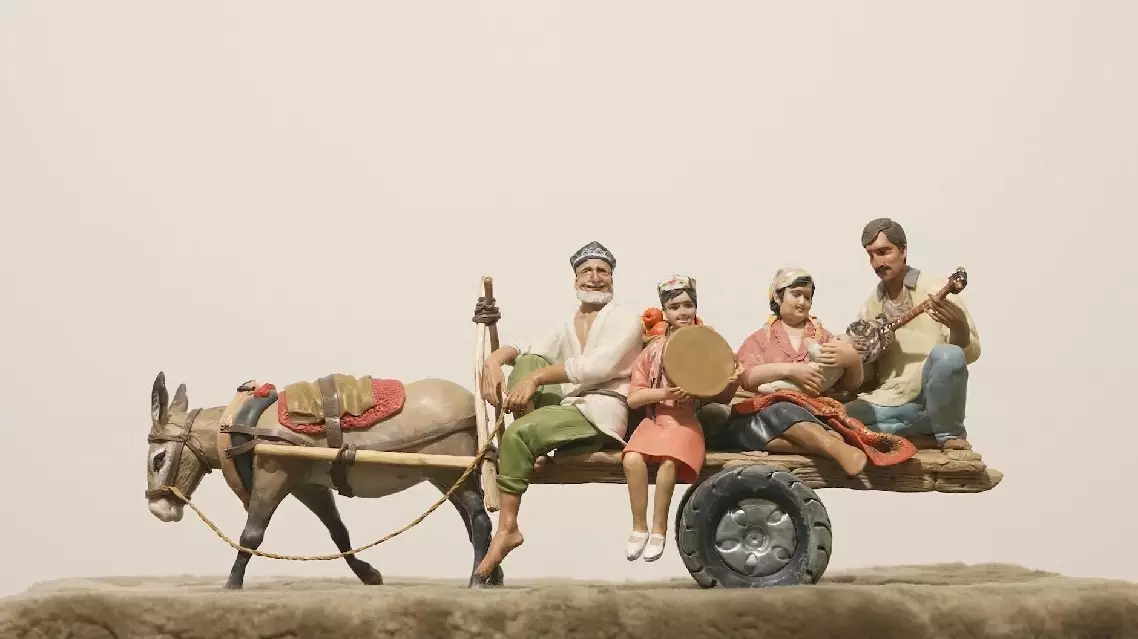
Inheritor of intangible cultural heritage dedicated to promoting Xinjiang with dough sculpture art