Tax incentives that saved U.S. residents thousands of dollars on home efficiency upgrades, clean energy installations and electric vehicles are expiring this year. That means people who want to take advantage of them before they disappear have to act quickly.
“There is still time, but the clock is ticking,” said Zach Pierce, head of policy at Rewiring America, a nonprofit focused on electrification.
With thousands of dollars on the line and mere days or months to claim them, we've got some tips on how to maximize savings.
The Inflation Reduction Act that passed in 2022 includes a slew of tax credits for electric vehicles and home efficiency upgrades.
The credits had two main goals: to help people afford cleaner alternatives like heat pumps and electric vehicles that can save them money, and to reduce greenhouse gas emissions that are the largest driver of climate change.
In addition to EVs, home upgrades that qualify include home energy audits, heat pumps, solar panels, water heaters, appliances, battery storage, car chargers and improvements to windows, doors, skylights, insulation and electrical panels.
Payback comes at tax filing time. For example, if you buy a heat pump and qualify for a $2,000 tax credit, you document that expense on your tax return, and you owe $2,000 less in taxes that year.
Some incentives have a cap. You can only get $1,200 of credit per year for most of the home improvements like insulation and efficient windows, and $2,000 of credit for heat pumps and water heaters. The big expenses, including geothermal heat pumps, rooftop solar and battery storage, aren't capped. Those tax credits are 30% of the purchase price. So a new $20,000 rooftop solar system earns you a $6,000 tax credit.
Most of these credits were originally set to expire between 2032 and 2034. But the budget passed by Congress this year ends them far sooner.
Most of them expire at the end of this year. But there are some exceptions.
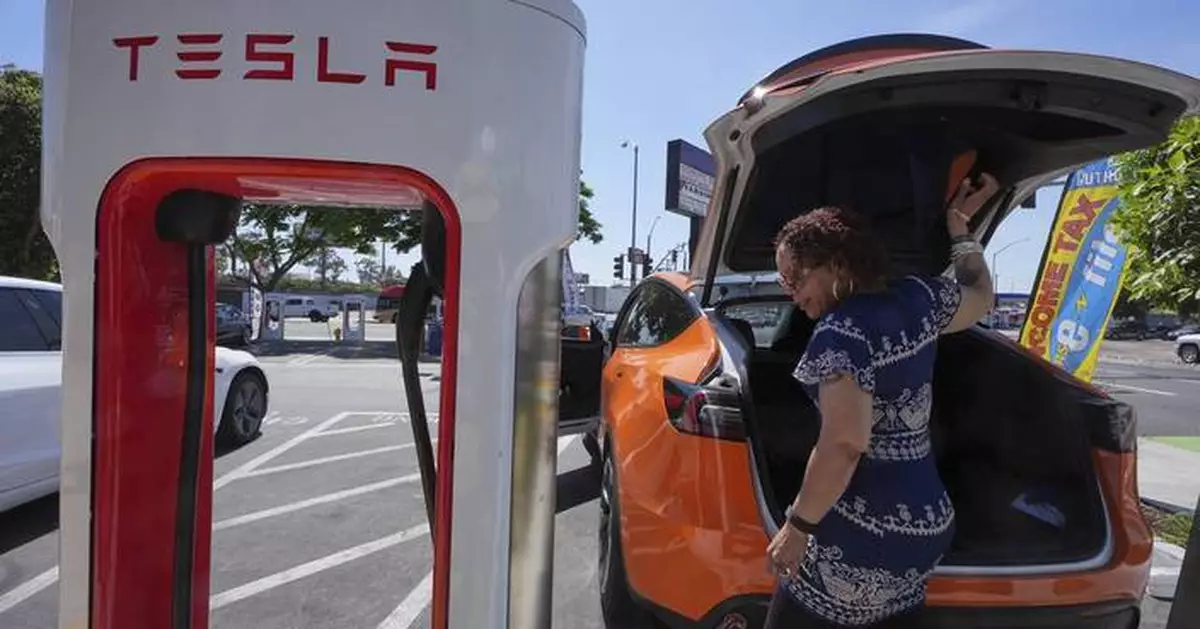
The clean vehicle tax credit worth $7,500 for new EVs and up to $4,000 for used ones expires Sept. 30.
Pierce said with a deadline that tight, people shopping for a new vehicle that qualifies should get on that “as soon as you hear this message.”
Olivia Alves, senior associate with the nonprofit clean energy advocacy group RMI, said it's also the one IRA credit you can typically get upfront. “You use the clean vehicle tax credit, you can work with your dealership to get that money off the day that you make the purchase. So it operates like a point of sale rebate,” she said.
The car doesn't need to be parked in your driveway by the deadline. A buyer simply needs to enter into a contract and make a down payment or trade-in to qualify.
The credit for EV chargers, which is up to $1,000 for qualifying residents, is good through June 30 of next year. Everything else expires on Dec. 31.
Start with the home energy assessment, Alves said.
“That is really the bread and butter for a lot of these types of retrofits,” she said. “Those are done by professionals that can help you map out what those projects would look like.”
Pierce said after that, if solar panels are in the game plan, tackle that next. But some solar installers are already booked through the end of the year.
“We are seeing more bottlenecks for rooftop solar installations than we are for heat pumps, for example, but that doesn’t mean that it may not be an option for your region or your neighborhood,” Pierce said.
“Experts estimate that takes 16 to 90 days to get a solar panels system installed, and that’s quick,” said Kate Ashford, investing specialist with the personal finance company NerdWallet. “You might be a little late, but you could look into it to see if it’s even possible.”
Alves said next, tackle smaller installations like doors and insulation. Her final tier is major appliances like heat pumps, which are more expensive and can take longer, but may not face the same backlog as solar installations.
OK, let's say you qualified for tax credits on a home efficiency improvement and the amount exceeded the tax you owed. You weren't allowed to carry that unused credit forward into a future year anyway.
But credits for residential clean energy projects — think really big-ticket items like solar, geothermal heat pumps and battery storage — could be carried forward if you didn't get the full benefit of the incentive on your tax return.
Rewiring America said it's not clear if that will continue given the accelerated expiration dates, and recommended consumers check with their tax adviser.
The Associated Press’ climate and environmental coverage receives financial support from multiple private foundations. AP is solely responsible for all content. Find AP’s standards for working with philanthropies, a list of supporters and funded coverage areas at AP.org.
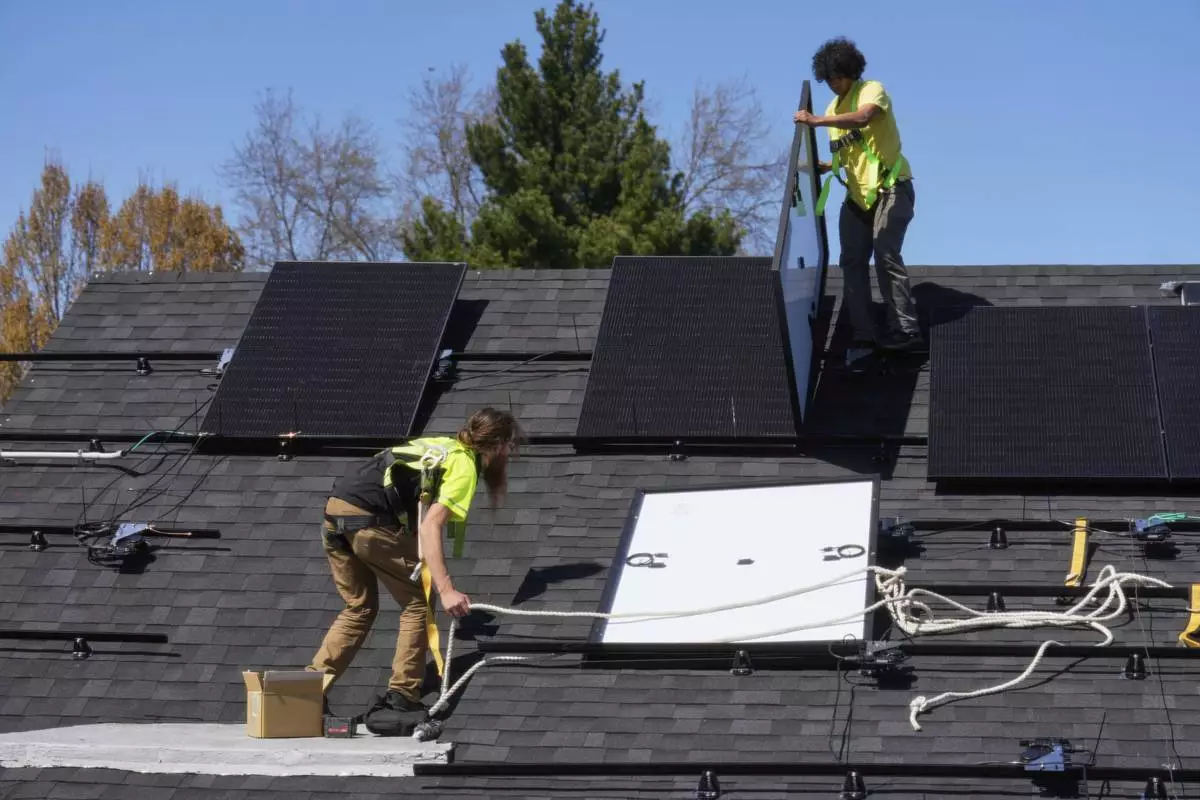
FILE - Theodore Tanczuk, left, and Brayan Santos, right, of solar installer YellowLite, put panels on the roof of a home in Lakewood, Ohio, April 16, 2025. (AP Photo/Sue Ogrocki, File)
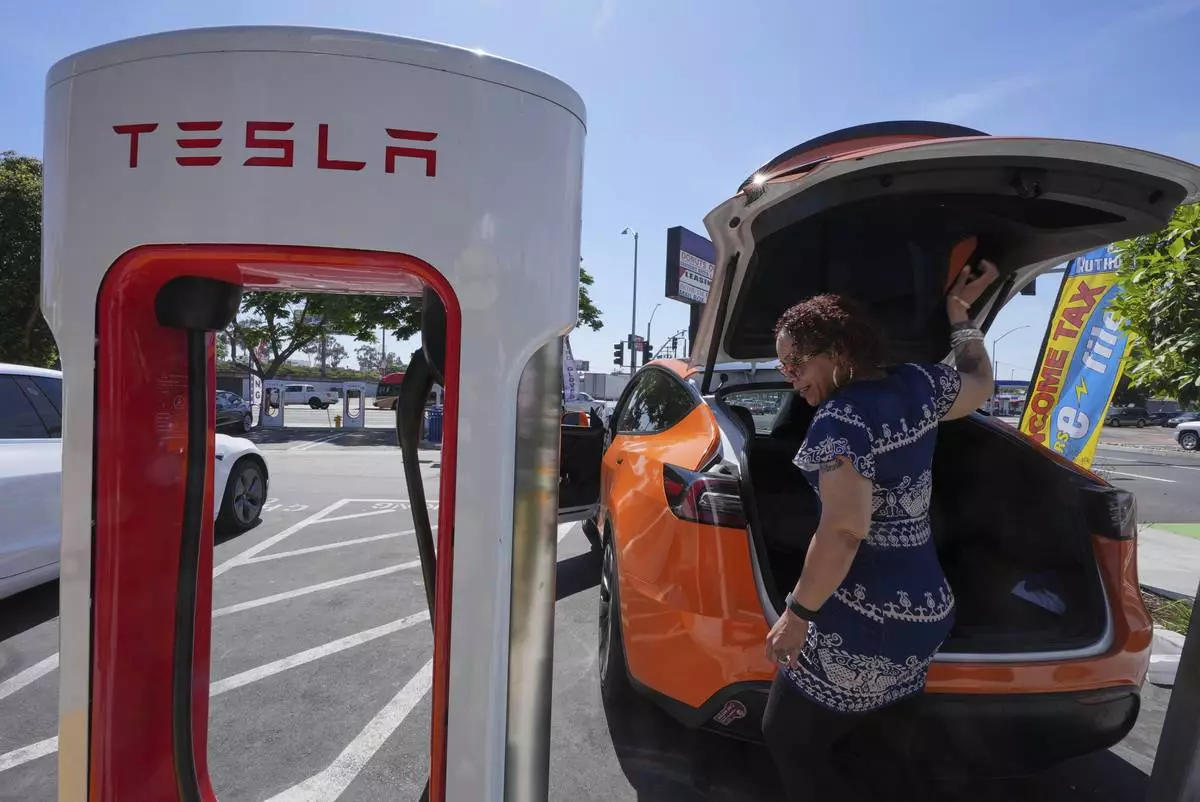
FILE - Janelle Lowe prepares to charge her electric vehicle at a station May 22, 2025, in Long Beach, Calif. (AP Photo/Damian Dovarganes, File)