Skip to Content Facebook Feature Image

Chinese military doctor recalls near-death moments on UN peacekeeping mission in Lebanon
China

China

China

Chinese military doctor recalls near-death moments on UN peacekeeping mission in Lebanon

2025-09-18 17:46 Last Updated At:23:37

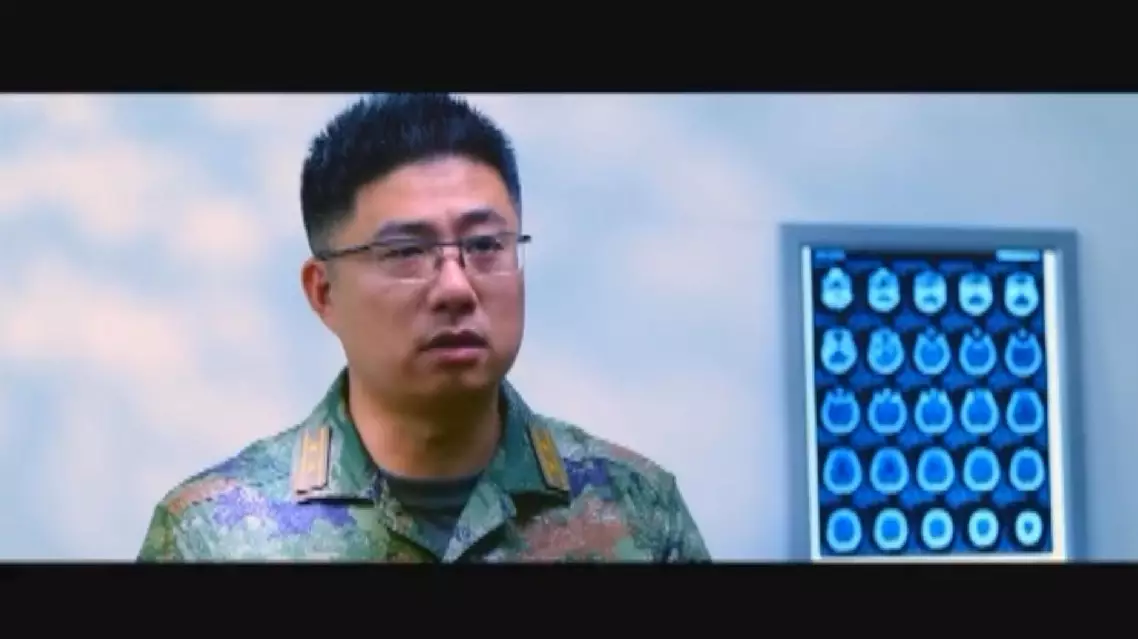
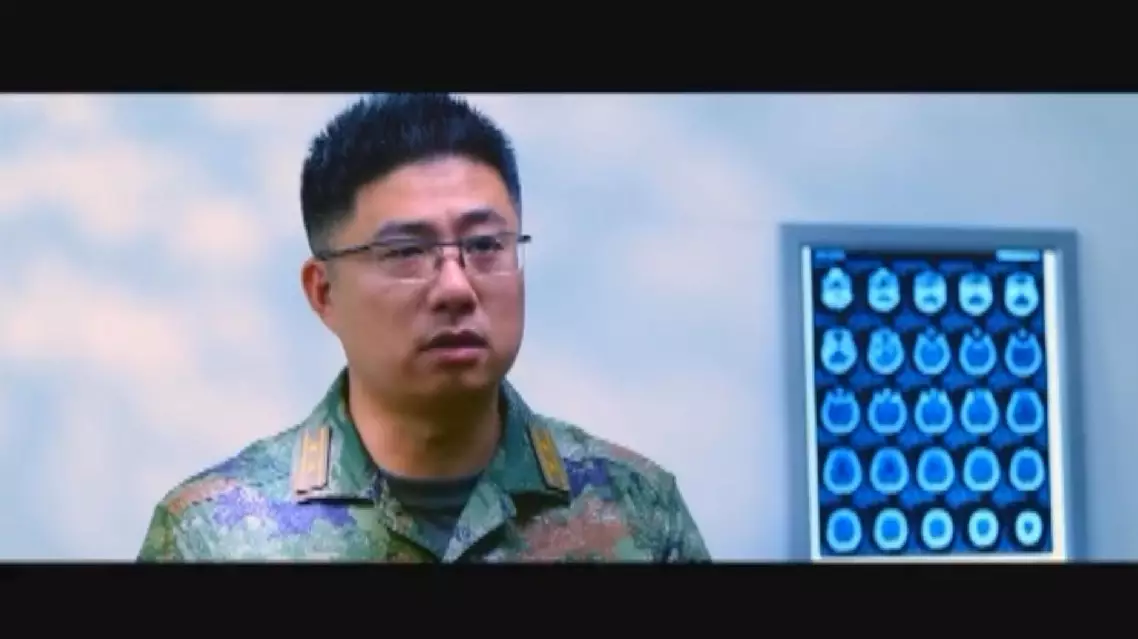
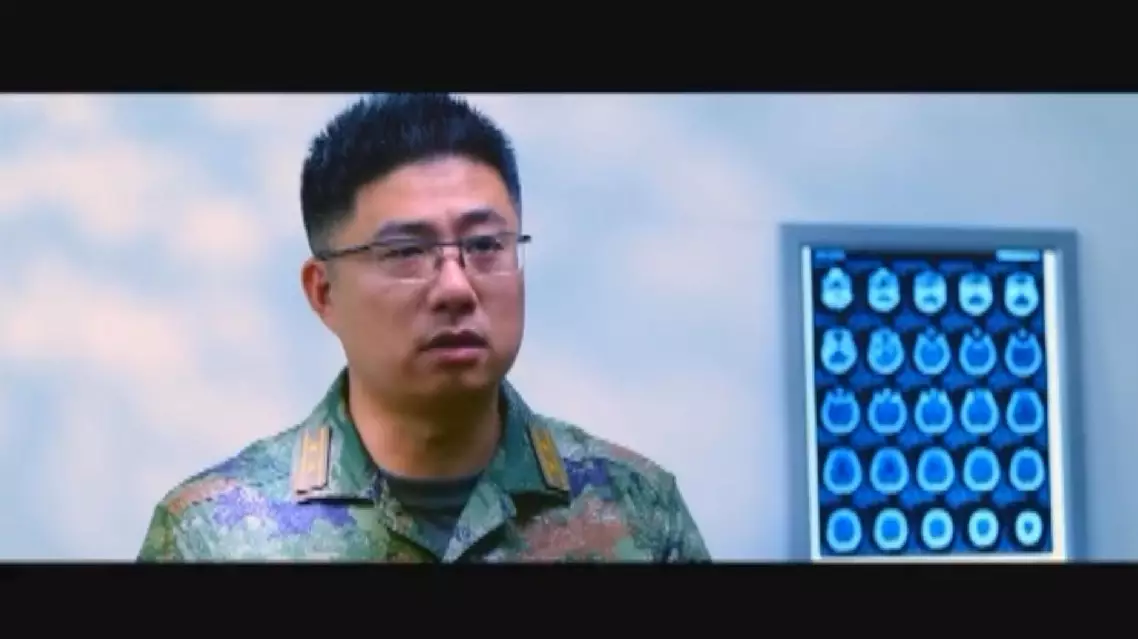
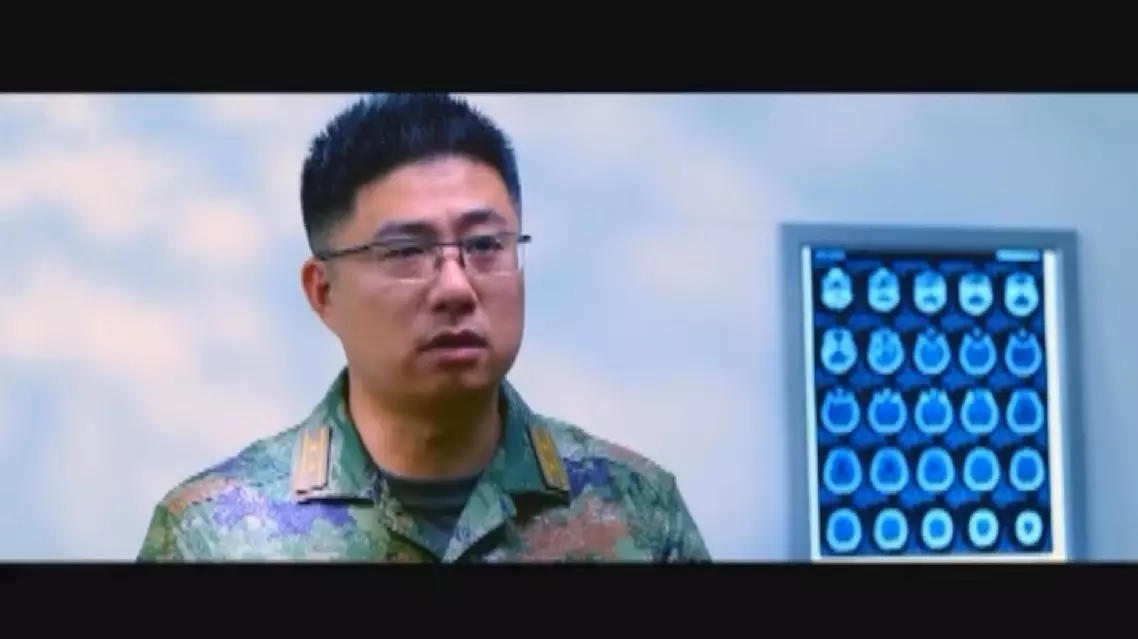
Chinese military doctor Shi Wei served on the frontlines of peacekeeping with the UN Interim Force in Lebanon (UNIFIL), where near-death encounters under fire along the Israel-Lebanon "Blue Line" profoundly reshaped his understanding of life’s fragility and deepened his commitment to saving lives.

Now back at the military hospital where he once worked, Shi reflects on how peacekeeping transformed him.

More Images
Chinese military doctor recalls near-death moments on UN peacekeeping mission in Lebanon

Chinese military doctor recalls near-death moments on UN peacekeeping mission in Lebanon
Chinese military doctor recalls near-death moments on UN peacekeeping mission in Lebanon
Chinese military doctor recalls near-death moments on UN peacekeeping mission in Lebanon

Chinese military doctor recalls near-death moments on UN peacekeeping mission in Lebanon
Chinese military doctor recalls near-death moments on UN peacekeeping mission in Lebanon
Chinese military doctor recalls near-death moments on UN peacekeeping mission in Lebanon
Chinese military doctor recalls near-death moments on UN peacekeeping mission in Lebanon
His story is featured in China Global Television Network’s (CGTN) special documentary series "Blue Helmets, No Borders", which premiered Tuesday and highlights the humanitarian work of Chinese peacekeepers deployed overseas. "When I was at work, aerial bombs would often pass overhead and mushroom clouds would rise into the sky," Shi said.

"We stayed in the bunker 24 hours a day. We couldn't go outside. The next morning, just 50 meters from our dorm, we found this crater on the ground. If the shrapnel had come in just a bit lower, our dorm could have been destroyed," he continued.

In April 2025, Shi completed his mission in Lebanon and returned to the military hospital where he once worked.

"My most profound memory is definitely the bombs whistling past and exploding nearby. Upon hearing the sound of an incoming bomb, you had instinctively drop to the ground. When I came home on leave in December, it was right around New Year's Day. Someone set off firecrackers outside, and the moment one went off, I instinctively ducked. It had already become a conditioned reflex. Having lived through war, I came to realize just how fragile life is. It also strengthened my resolve as a doctor to work even harder to heal and save lives," he said.

Shi has found a way to keep his connection with his partners during the peacekeeping missions.

"These badges represent my friendships with those foreign soldiers over the past year. Behind each badge is someone I have talked to and know well. They always bring those precious moments to mind. One peacekeeping mission, a lifetime of peacekeeping commitment. Perhaps the only regret is that the time was too short," he said.

Chinese military doctor recalls near-death moments on UN peacekeeping mission in Lebanon

Chinese military doctor recalls near-death moments on UN peacekeeping mission in Lebanon
Chinese military doctor recalls near-death moments on UN peacekeeping mission in Lebanon
Chinese military doctor recalls near-death moments on UN peacekeeping mission in Lebanon
Chinese military doctor recalls near-death moments on UN peacekeeping mission in Lebanon

Chinese military doctor recalls near-death moments on UN peacekeeping mission in Lebanon

Chinese military doctor recalls near-death moments on UN peacekeeping mission in Lebanon

Chinese military doctor recalls near-death moments on UN peacekeeping mission in Lebanon

A former television host from Taiwan, Zhai Xuan, has made a pivotal decision to leave mainstream broadcasting in order to create content that provides a better understanding of the Chinese mainland and cross-strait relations.

Zhai, a seasoned television host with over a decade of experience in Taiwan's media landscape, recently addressed an audience at an event in Beijing, where she revealed her complete transition into independent online media.

In her remarks, she articulated her aspiration to bridge what she perceives as a significant information gap between audiences on both sides of the Strait, highlighting her commitment to fostering a deeper understanding and connection through her new endeavors.

"I was really surprised by all the fake news. There were stories saying people on the mainland can't afford tea eggs or that they live in mud houses and in Taiwan, this was the main information many people received," said Zhai.

Zhai said she initially began producing online videos to challenge such perceptions while continuing her work as a television host.

In April 2025, she travelled to the mainland with her father to fulfill her late grandfather's wish to return to his hometown. The trip, which reunited family members separated since 1949, was recorded in a video series titled "Journey to Find Our Roots", drawing attention from viewers in both Taiwan and the mainland.

"Many people in Taiwan told me that after watching, they wanted to apply for a mainland travel permit immediately and go looking for their relatives. Some had long forgotten these things, but after seeing my story, they began thinking about their hometowns and family members they had never met and decided to search for their roots," Zhai shared her story at the event.

By mid-2025, Zhai said she began to feel increasing pressure amid rising political tensions and a tightening atmosphere around cross-Strait exchanges in Taiwan.

After more than 12 years in the industry, Zhai resigned from her position, believing it was the right thing to do.

"At that moment, I felt this was a major issue,not just for me, but for Chinese people on both sides of the Strait. If I backed down then, I wouldn’t be standing on the right side," said Zhai.

Since leaving television, Zhai has broadened her online programming to encompass a range of daily-life topics, including practical guidance on applying for a mainland travel permit and using commonly employed mobile applications, in addition to content that delves into historical memory and cultural connections across the Strait.

As the debate over cross-Strait relations continues in Taiwan, Zhai said she remains committed to her current path.

Former Taiwan TV host bridges cross-Strait divide via online media

Former Taiwan TV host bridges cross-Strait divide via online media

Recommended Articles