UNITED NATIONS (AP) — A U.N. Security Council resolution aimed at halting the reimposition of sanctions on Iran over its nuclear program failed Friday after weeks of last-ditch diplomatic talks appeared to break down days before the annual United Nations gathering of world leaders.
The resolution put forth by South Korea, the current president of the 15-member council, did not garner the support of the nine countries required to halt the series of sanctions from taking effect at the end of the month, as outlined in Iran’s 2015 nuclear deal with world powers.
Only four countries — China, Russia, Pakistan and Algeria — supported the effort, with some using the meeting to blast the European leaders for what they called an unjustified and illegal action against Iran.
France, Germany and the United Kingdom moved last month to trigger the “ snapback mechanism,” which automatically reimposes all U.N. sanctions that were in effect before the nuclear deal.
Those penalties included a conventional arms embargo, restrictions on ballistic missile development, asset freezes, travel bans and a ban on producing nuclear-related technology. The Islamic Republic already is reeling from a 12-day war with Israel and a decades-long financial crisis.
Using the snapback mechanism will likely heighten tensions between Iran and the West. It’s unclear how Iran will respond, given that in the past, officials have threatened to withdraw from the Nuclear Nonproliferation Treaty, potentially following North Korea, which abandoned the treaty in 2003 and then built atomic weapons.
Iran’s Foreign Ministry, in a statement on Friday, emphasized its commitment to safeguarding its interests and rights, including through diplomacy, and said it reserves the right to respond appropriately to any unlawful action.
Before the vote, Vassily Nebenzia, the Russian ambassador to the U.N., said the Europeans were using the council as “a tool for their bad faith play, as a lever to exert pressure on the state in favor of a state which is trying to defend its sovereign interests.”
The Chinese envoy echoed that sentiment, saying the council's action has managed to bring a “definitive” end to eight years of diplomacy with “one stroke.”
Iranian ambassador Amir-Saeid Iravani thanked his four colleagues for voting in favor of lifting the sanctions and rejecting “the blunt instrument of pressure and intimidation.”
“They have chosen to stand on the right side of history,” he said.
The snapback process is designed to be veto-proof unless the U.N.'s most powerful body agrees to stop it. But the U.K. indicated Friday that the failed vote does not close the door for future efforts to halt the sanctions.
“The United Kingdom remains committed to a diplomatic solution,” Barbara Woodward, the British ambassador to the U.N., said during her remarks. “We are ready for further engagements diplomatically in the next week and beyond to seek to resolve differences.”
Over the past several weeks, intensified diplomacy between Iran and the European countries has taken place, but without a resolution so far, there were indications that sanctions were likely.
When asked in an interview on Thursday on Israel’s Channel 12 whether the snapback was a done deal, French President Emmanuel Macron said, “Yes, I think so because the latest news we had from the Iranians are not serious.”
German and European Union leaders had warned Iran in a call on Wednesday that it had yet to take the necessary action to stop the reimposition of sanctions.
“The window for finding a diplomatic solution on Iran’s nuclear issue is closing really fast,” the EU’s top diplomat, Kaja Kallas, said in a statement. “Iran must show credible steps towards addressing the demands of France, U.K. and Germany, and this means demonstrating full cooperation with the International Atomic Energy Agency and allowing inspections of all nuclear sites without delay.”
In a statement issued hours later, Iranian Foreign Minister Abbas Araghchi again asserted that the reimposition of U.N. sanctions was “lacking any legal or logical justification.”
He also pointed to the fact that Iran and the U.N. nuclear watchdog earlier reached a deal mediated by Egypt to grant the IAEA access to all Iranian nuclear sites and for Tehran to report on the whereabouts of all its nuclear material.
Details of the agreement were not immediately released. In an address last week to his agency’s board of governors in Vienna, IAEA Director Rafael Grossi said the document “provides for a clear understanding for the procedures of inspection notifications and their implementation.”
The agreement “includes all facilities and installations in Iran and it also contemplates the required reporting on all the attacked facilities including the nuclear material present at those,” Grossi added, noting it will “open the way for the respective inspections and access” without specifying when that would happen.
A 12-day war Israel launched against Iran in June saw both the Israelis and the Americans bomb Iranian nuclear sites, throwing into question the status of Tehran’s stockpile of uranium enriched nearly to weapons-grade levels.
Associated Press writers Jennifer Peltz, Jon Gambrell in Dubai, United Arab Emirates, Stephanie Liechtenstein in Vienna and Amir Vahdat in Tehran, Iran contributed to this report.
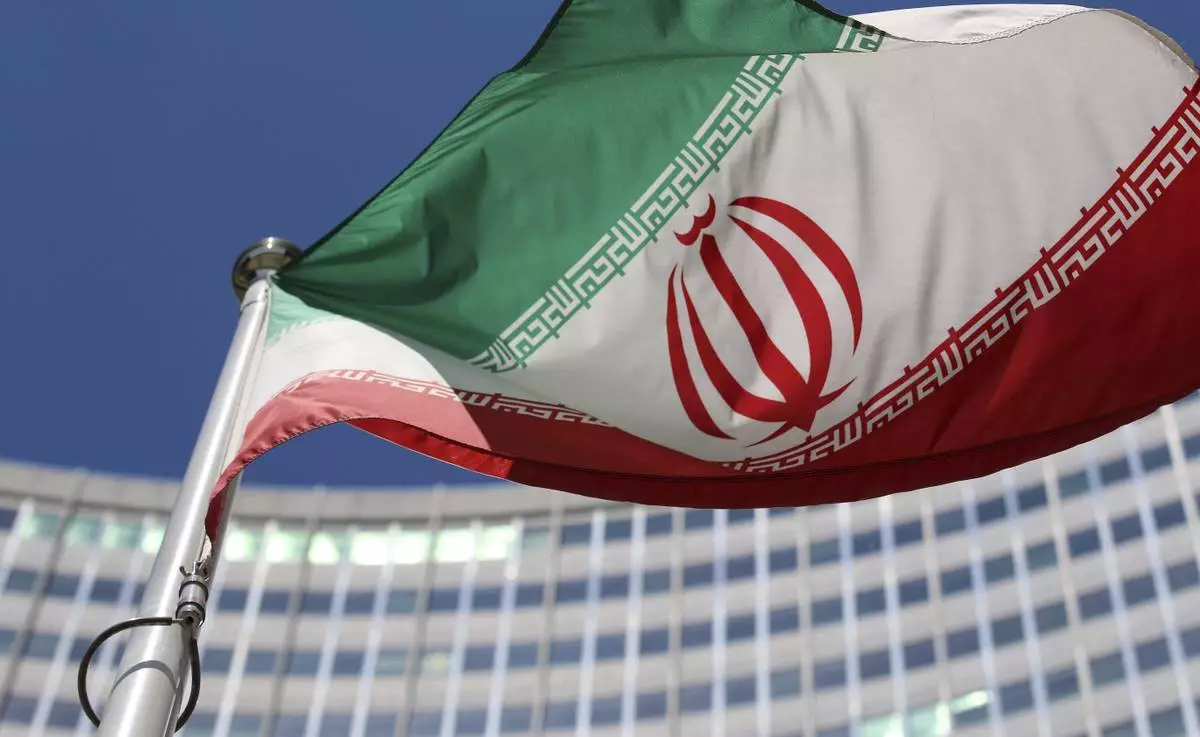
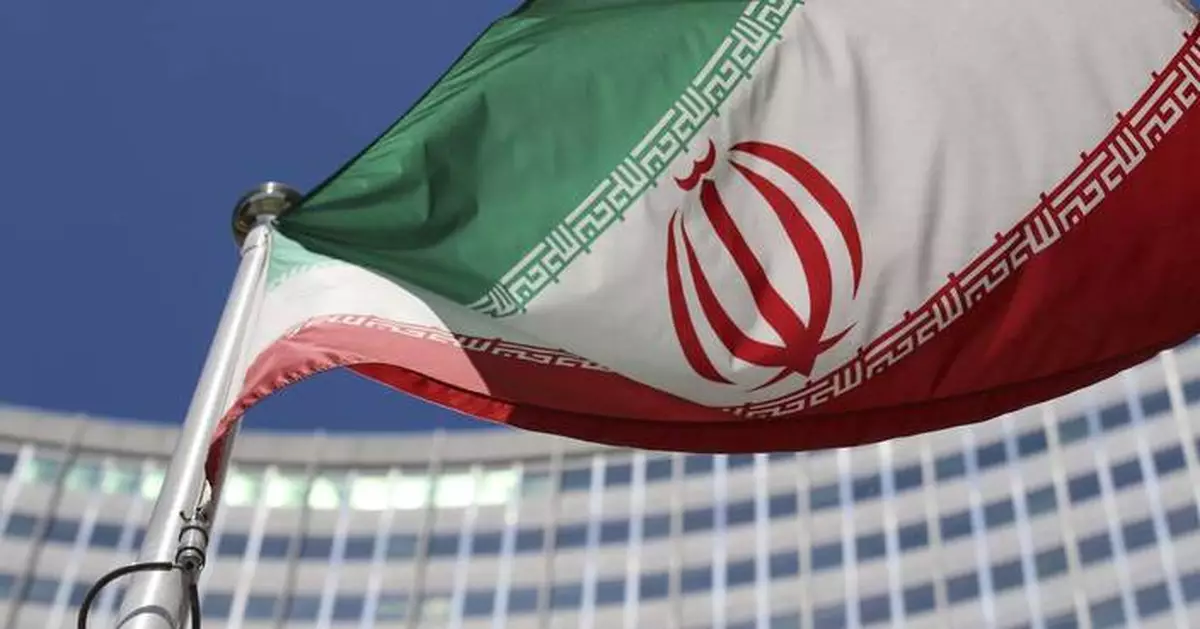
FILE - The Iranian flag flies in front of a U.N. building where closed-door nuclear talks take place at the International Center in Vienna, Austria, on June 18, 2014. (AP Photo/Ronald Zak, File)
ABU DHABI, United Arab Emirates--(BUSINESS WIRE)--Jan 13, 2026--
The Zayed Sustainability Prize, the UAE’s pioneering award for innovative solutions to global challenges, today announced the cohort of 2026 winners, celebrating 18 years of empowering communities and driving inclusive, sustainable progress around the world.
This press release features multimedia. View the full release here: https://www.businesswire.com/news/home/20260113958706/en/
In a ceremony held during Abu Dhabi Sustainability Week (ADSW) and attended by Heads of State, Ministers, and business leaders, His Highness Sheikh Mohamed bin Zayed, President of the UAE, awarded the winners for their outstanding contributions to advancing sustainable development worldwide.
H.H. Sheikh Mohamed bin Zayed Al Nahyan said: “The UAE remains firmly committed to supporting efforts that enhance people’s well-being and strengthen the foundations of stability and progress around the world. The Zayed Sustainability Prize continues to encourage practical solutions that uplift communities and expand opportunity through innovation and cooperation. Through this enduring platform, we honour the legacy of Sheikh Zayed, whose vision of compassion, unity, and shared prosperity continues to shape a better future for all.”
H.E. Dr. Sultan Ahmed Al Jaber, UAE Minister of Industry and Advanced Technology and Director General of the Zayed Sustainability Prize, praised the winners for advancing scalable innovations that deliver tangible social and environmental benefits.
H.E. Dr. Sultan Ahmed Al Jaber said: “This year’s winners demonstrate how practical, real-world solutions can transform lives — from strengthening health and food systems to expanding access to clean energy and water. The UAE has long believed in connecting capability with need, and in building bridges across sectors and regions to deliver lasting, measurable impact. It is a conviction rooted in inclusive progress, and through the Zayed Sustainability Prize, this vision is translated into action by supporting innovations that put people first and open new pathways for growth.”
Since its establishment in 2008, the Prize has become a catalyst for impact, rewarding small and medium-sized enterprises, nonprofit organisations, and high schools that are addressing critical challenges across the six categories of Health, Food, Energy, Water, Climate Action, and Global High Schools. Through its 128 winners, the Prize has impacted over 411 million lives.
This cycle, a record 7,761 submissions were received from 173 countries, reviewed through a rigorous, multi-stage evaluation process by technical experts, the Selection Committee, and a distinguished Jury chaired by H.E. Ólafur Ragnar Grímsson, former President of Iceland.
H.E. Ólafur Ragnar Grímsson said: “The 2026 winners reflect a growing maturity in sustainability innovation — where technology, local knowledge, and execution come together. These solutions are designed to work in real-world conditions and to grow responsibly over time. They offer clear examples of how practical ingenuity, informed by experience, can strengthen access to essential services and improve everyday lives. As these approaches continue to expand, they point the way toward a more inclusive and effective path for sustainable development in the years ahead.”
In the Health category, Jade, an SME from the UAE, was honoured for reimagining neurodevelopmental screening through AI and play. Its gamified platform, combining cognitive assessments, eye-tracking, and personalised learning, is now used in over 450 institutions across 179 countries. By reducing diagnostic wait times and improving engagement, Jade has already supported more than 180,000 children worldwide and is setting a new benchmark for inclusive early intervention.
The Food category award went to N&E Innovations of Singapore, recognised for its breakthrough biodegradable antimicrobial packaging and coatings that extend food shelf life while tackling waste at its source. Made from upcycled food waste and plant-based ingredients, the company’s patented technology delivers 99.9% antimicrobial effectiveness, achieving bacterial counts 4.5 times lower than conventional materials. Food-safe, compostable, and circular by design, more than 400,000 sustainable packs have already reached consumers.
In the Energy category, Switzerland’s BASE Foundation was recognised for transforming how communities access sustainable cooling. Its Cooling-as-a-Service model eliminates upfront costs and makes low-carbon cooling both efficient and affordable. Operating in 68 countries, BASE has created 2,500 jobs, while its model saves 130 GWh of electricity and prevents 81,000 tonnes of CO₂ emissions per year, demonstrating how market-based innovation can scale environmental impact.
The Water category recognised Stattus4, an SME from Brazil, whose AI- and IoT-enabled technology helps utilities detect and fix leaks with unprecedented speed and precision. Monitoring more than 5,000 kilometres of distribution networks and identifying over 22,000 potential leak points, Stattus4 saves around 5.56 billion litres of water every day, strengthening water security for over four million people and transforming the efficiency of urban water systems.
In the Climate Action category, Build up Nepal, a nonprofit organisation from Nepal, was celebrated for reinventing brickmaking as a tool for climate resilience and economic empowerment. To date, the organisation has produced over 3.3 million earthquake-resistant eco-bricks and supported the construction of more than 12,000 resilient homes, creating nearly 2,000 green jobs, housing 58,000 people, and avoiding 110,000 tonnes of CO₂ emissions in the process.
Finally, the Zayed Sustainability Prize continues to empower the next generation of sustainability leaders through its Global High Schools category, enabling youth to turn local challenges into practical solutions that benefit their communities. Each year, six high schools representing the world’s regions receive up to US $150,000 to implement innovative, student-led projects that create meaningful social, economic, and environmental impact. To date, the Prize’s 56 previous Global High Schools winners have impacted the lives of over 56,599 students and 480,660 people across the globe.
The 2026 recipients of the Global High Schools awards are Mamawi Atosketan Native School (Canada), representing The Americas; Kyanja High School (Uganda), representing Sub-Saharan Africa; Al Rajaa School for the Deaf (Jordan), representing the Middle East & North Africa; Bodrum Anatolian High School (Türkiye), representing Europe & Central Asia; Faafu Atoll Education Center (Maldives), representing South Asia; and Ruamrudee International School (Thailand), representing East Asia & Pacific.
As the world accelerates its pursuit of sustainable development, the Zayed Sustainability Prize stands as a testament to the UAE’s holistic vision of progress driven by technological innovation and long-term economic growth. The Prize reflects the nation’s belief that true leadership lies in empowering others to lead, fostering collaboration among governments, enterprises, civil society, and youth to build a more prosperous and equitable world.
About the Zayed Sustainability Prize
The Zayed Sustainability Prize is the UAE’s pioneering award for innovative solutions to global challenges.
A tribute to the legacy and vision of the UAE’s founding father, Sheikh Zayed bin Sultan Al Nahyan, the Prize aims to drive sustainable development worldwide.
Each year, across the Health, Food, Energy, Water, Climate Action and Global High Schools categories, the Prize rewards organisations and high schools for groundbreaking solutions to our planet’s most pressing needs.
Through its 128 winners, in 18 years, the Prize has positively impacted over 411 million lives across the globe, inspiring innovators to amplify their impact, and chart a sustainable future for all.
Source:AETOSWire

The 2026 winners of the Zayed Sustainability Prize were recognised by the President of the UAE in Abu Dhabi on 13 January 2026 (Photo: AETOSWire)