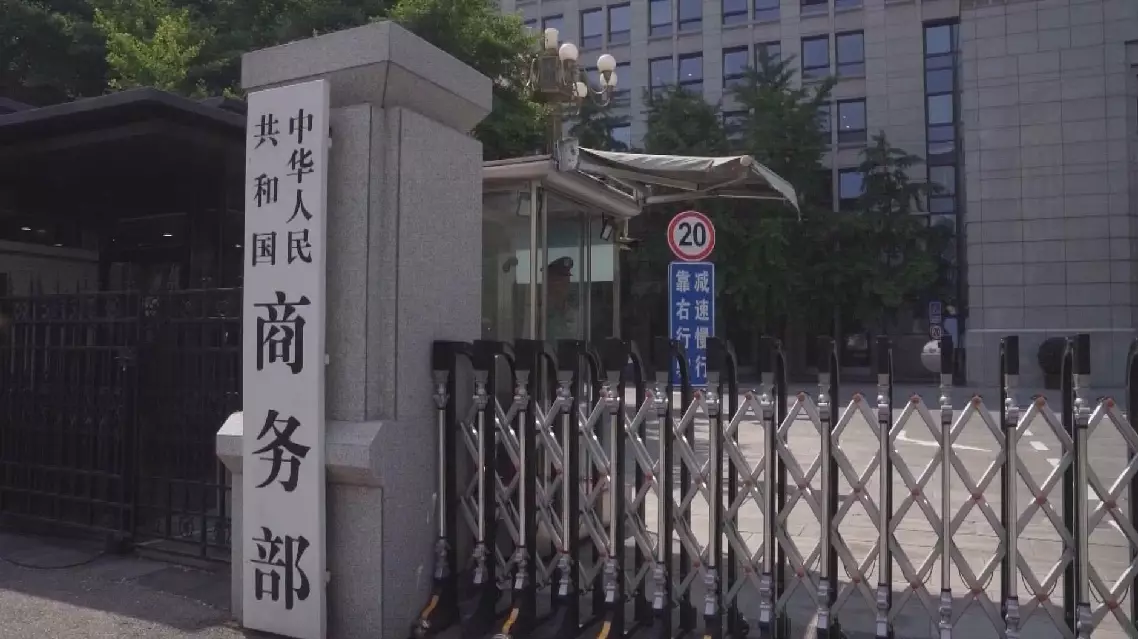
The entry into force of the World Trade Organization (WTO) Agreement on Fisheries Subsidies will help promote the sustainable development of the global fishery industry by strengthening the members' capacity to conserve and manage marine resources in the long run, a spokesman for the Chinese Ministry of Commerce said on Thursday.
Adopted at the WTO's 12th Ministerial Conference (MC12) in June 2022, the Agreement, which took effect on Monday, sets binding and multilateral rules to curb harmful fisheries subsidies.
It prohibits subsidies for illegal, unreported and unregulated fishing, for fishing overfished stocks, and for fishing on the unregulated high seas.
"Against the backdrop of severe challenges posed by unilateralism to the WTO, this agreement only took over three years to become effective. As a collective action by the vast majority of the WTO members, including China, to firmly uphold the WTO and actively fulfill multilateral commitments, the agreement has significantly boosted the relevance and authority of the TWO and greatly enhanced the international community's confidence in the organization," said the spokesman.
"The implementation of the agreement will contribute to promoting the sustainable development of global fishery industry and enhance the members' capacity for the long-term scientific conservation and sustainable development of fishery resources," the spokesman added.
WTO to promote sustainable development of world fishery industry
Iraqis are concerned about the country's security capabilities after the withdrawal of U.S. and coalition forces.
The United States and its allies have officially ended Operation Inherent Resolve against the Islamic State (IS) in Iraq, the Pentagon said on Wednesday.
The Iraqi Security Forces, including the Peshmerga and other security forces in the Iraqi Kurdistan region, will "lead the continuing effort to secure Iraq and keep IS remnants suppressed," according to a Pentagon statement.
The primary responsibility for addressing Iraq's remaining security challenges now rests with the Iraqi government, the statement said, adding that the United States will continue to provide "targeted training and intelligence support" to its Iraqi partners.
The Ministry of Peshmerga Affairs of Iraq's Kurdistan Region on Monday warned about security risks following the U.S. withdrawal.
In a statement, the ministry said the withdrawal comes at a sensitive time, amid continued security instability in Iraq and the Middle East. It stressed that the ongoing instability in the region requires vigilance and sound political decisions.
It added that the Kurdistan Region came under more than 1,000 drone and ballistic missile attacks during the war between the U.S. and Iran in recent months, expressing concern over the withdrawal of U.S. forces from the region amid complex regional security conditions, without the provision of a defensive system.
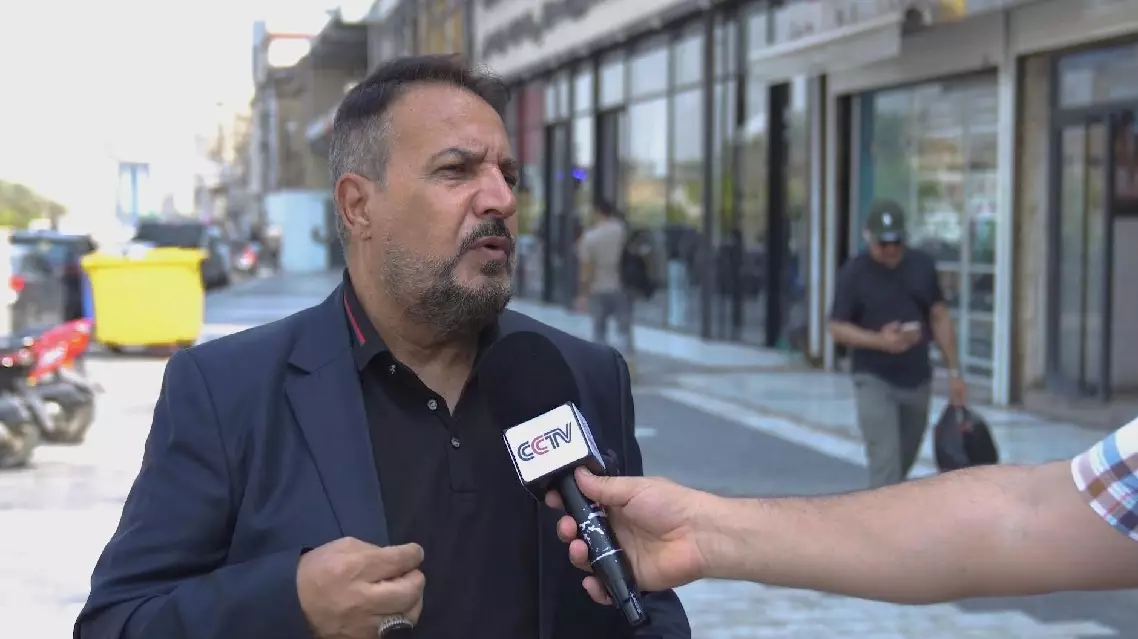
"Although Iraq has forces capable of sustained ground operations -- lasting months rather than days -- we still have significant shortcomings in areas such as air power and modern electronic technology," said Baghdad resident Anwar Musawi.
In addition to the external security environment, attention is also focused on how to further integrate Shia militias in Iraq under the unified state control following the foreign troops withdrawal.
The Iraqi government had previously set September 30 as a key deadline and worked to ensure that armed groups outside state institutions completed their disarmament. However, this process has now been extended.
Iraqi Prime Minister Ali al-Zaidi stated that Iraqi militias will cease armed activities and hand over their weapons in phases, and the government plans to complete the process by June 30, 2027.
"Only by keeping weapons in the hands of the state can we secure the future of the Iraqi people and ensure that we live in safety and stability," said another resident Majid Hasnavi.
The withdrawal of U.S. troops does not mean that U.S. influence in Iraq has come to an end. Iraq's fiscal revenue is heavily dependent on oil, and the U.S. dollar revenue from oil exports has long been managed through the Iraqi central bank's account at the Federal Reserve Bank of New York. In recent years, the United States has influenced Iraq's financial system by, for example, tightening scrutiny of U.S. dollar transactions and restricting certain Iraqi banks' use of the U.S. dollar.
"The Americans have many tricks, [and] we may ultimately have no choice but to cooperate with them again," said Anwar Musawi.
"I believe the U.S. will continue to exert influence. First, although U.S. troops have withdrawn from Iraq, they remain deployed in Jordan and Kuwait, which border Iraq. Should an emergency arise in Iraq, the United States would still be able to intervene. The United States will continue to keep a close eye on Iraq and will not allow it to fall into the hands of other powers so easily after its withdrawal," said Majid Hasnavi.
In 2014, the United States and its allies launched their campaign and deployed forces to fight the IS militants in Iraq and neighboring Syria.
In 2024, Washington and Baghdad agreed on a gradual pullout of U.S. troops from Iraq, seven years after the Iraqi government declared the country's full liberation from the IS militants at the end of 2017.
Iraqis concerned about security challenges after U.S. troop withdrawal