Two "violating" oil tankers had suffered "massive" explosions after hitting naval mines on the "unauthorized" route south of the Strait of Hormuz, Iran's Islamic Revolutionary Guard Corps (IRGC) navy said in a statement released on its official news outlet Sepah News on Sunday.
The vessels had turned off identification and GPS systems and sought to "stealthily" cross the waterway with the U.S. Army's support, the navy said.
It identified one of the vessels as a supertanker carrying over 2 million barrels of oil, saying it caught fire following the blast and sank in the Gulf's southern waters.
The navy cautioned fishing vessels about the wreckage and warned tanker owners and crews, as well as shipping companies' managers, against approaching the "forbidden" mined region in the strait, saying the same fate awaits all vessels that violate the ban.
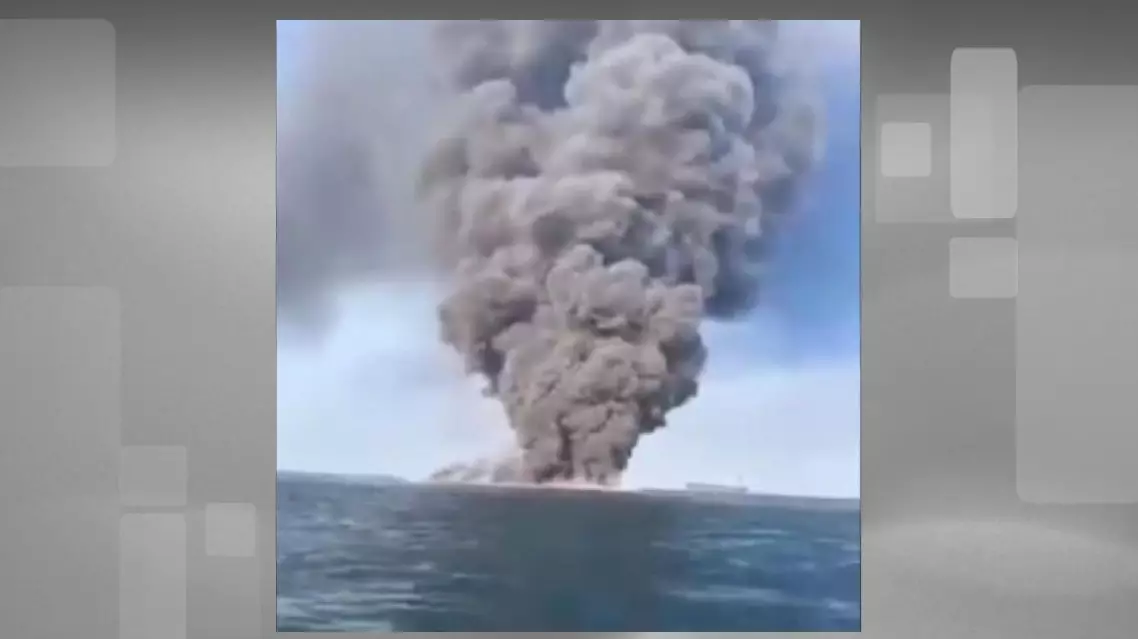
Iran says 2 oil tankers exploded on Hormuz Strait's "unauthorized" route
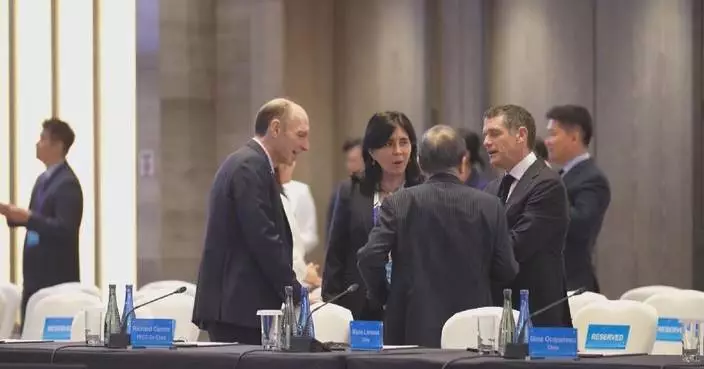
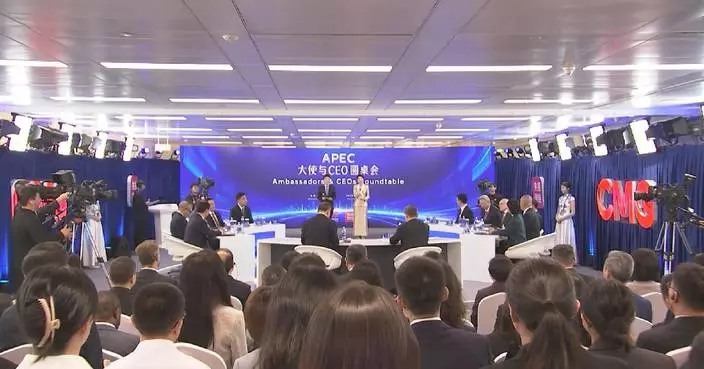
Rob Hillard, CEO of Deloitte Asia Pacific, underscored the critical role of the Asia-Pacific region in maintaining resilient global supply chains, noting that the Guangdong-Hong Kong-Macao Greater Bay Area (GBA) is becoming increasingly important due to its growing innovation capabilities.
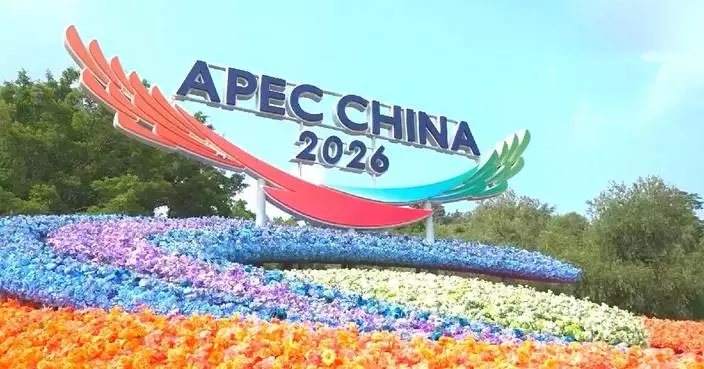
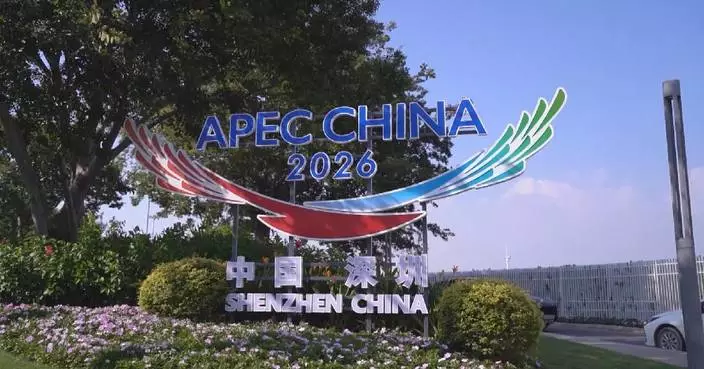
Hillard made the remarks in an interview with China Media Group (CMG) on Sunday in south China's tech hub Shenzhen, as the city is set to hold the 33rd Asia-Pacific Economic Cooperation (APEC) Economic Leaders' Meeting from Nov 18 to 19.
Deloitte has long maintained a strong presence across the Asia-Pacific, particularly in the Chinese market, offering integrated audit, tax, and consulting services to both foreign companies entering China and Chinese firms expanding overseas.
Hillard observed that Chinese enterprises are becoming increasingly adept at navigating a dynamic global environment.
"Clearly, innovation, excitement, but resilience, and resilience is a really interesting word. It's a dynamic world and I think Chinese business has become very, very good at navigating complexities," he said.
Reflecting on his visit to the Greater Bay Area, Hillard said the region left a strong impression with its thriving innovation scene.
"The whole Greater Bay Area has so much culture and history and the other thing is that this is an area that has been almost experimental. Experimental from a policy perspective -- urban infrastructure, drones, robots, driverless taxis. There is just so much to explore and to watch," he said.
He further emphasized that the Asia-Pacific region is critical in maintaining resilient global supply chains, given its large share of global trade, and the GBA, he said, is becoming increasingly crucial for its innovative strength.
"Asia Pacific is a trading region. One of the things, I think, that makes that region so important to the rest of the world is supply chains. Again, I always remind people, more than 70 percent of the world's trade starts, ends or is contained within Asia Pacific. And it does all depend upon resilient supply chains -- being able to get those parts, those components that you need and the information that you need. Increasingly, the Greater Bay Area is crucial to that -- in everything from physical goods right through to the tokens that we are relying on through innovative technology development. So, I think the Greater Bay Area has become well known within Asia Pacific as an important part of the resilience of the region," said Hillard.

Deloitte Asia Pacific CEO highlights GBA's growing role in Asia-Pacific innovation, trade resilience