Skip to Content Facebook Feature Image

Chinese film on Japan's infamous WWII germ warfare draws over 9 mln viewers on debut
China

China

China

Chinese film on Japan's infamous WWII germ warfare draws over 9 mln viewers on debut

2025-09-20 11:16 Last Updated At:09-21 00:37

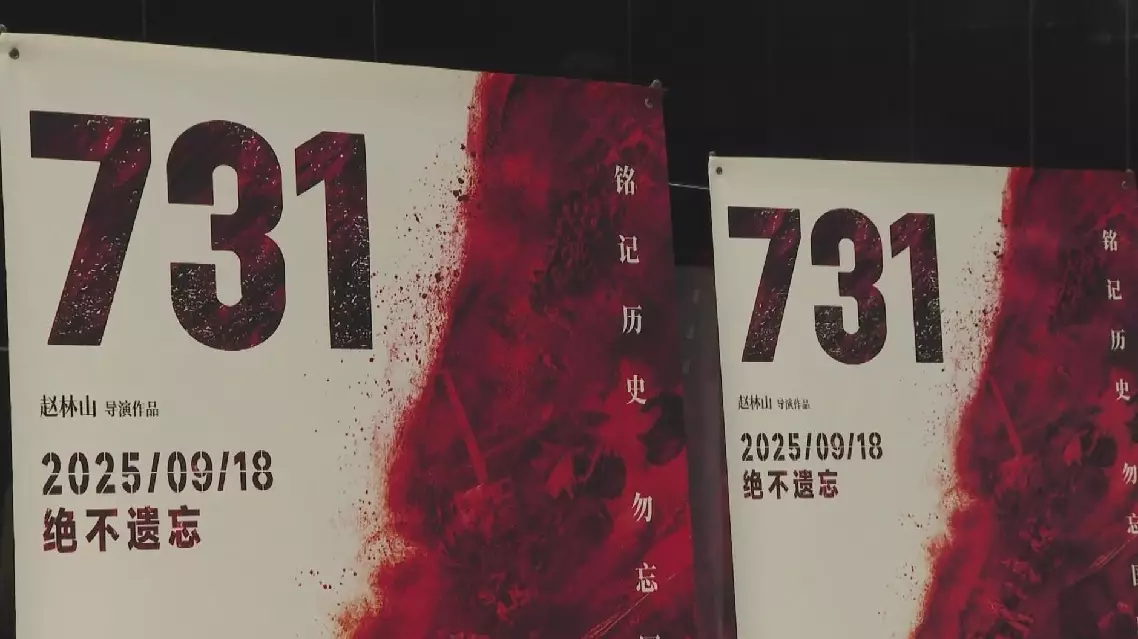
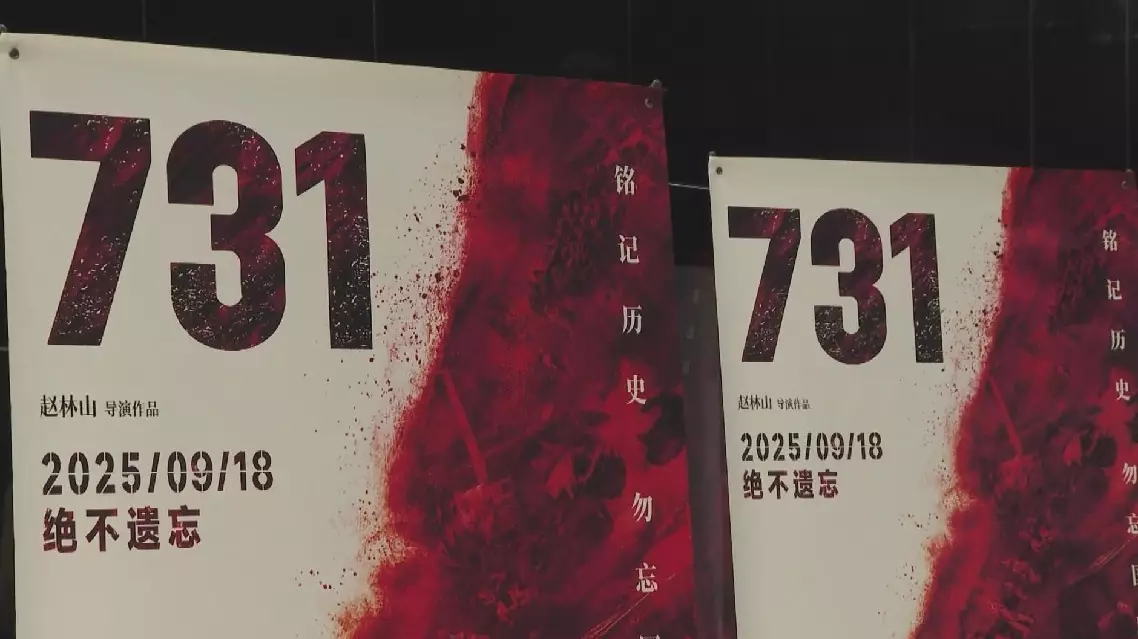
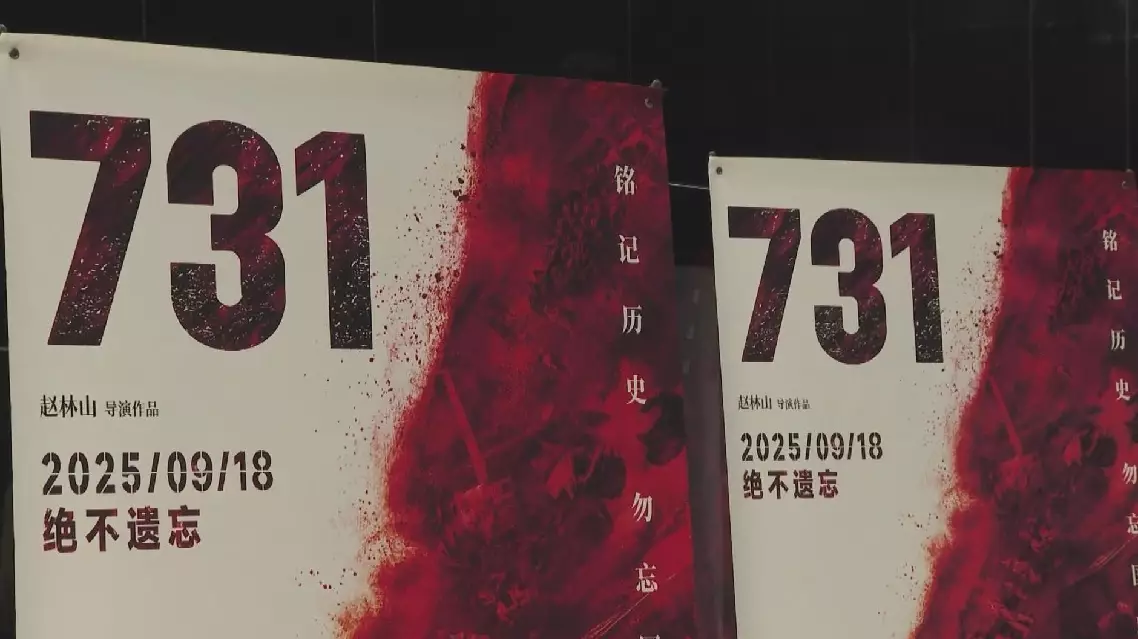
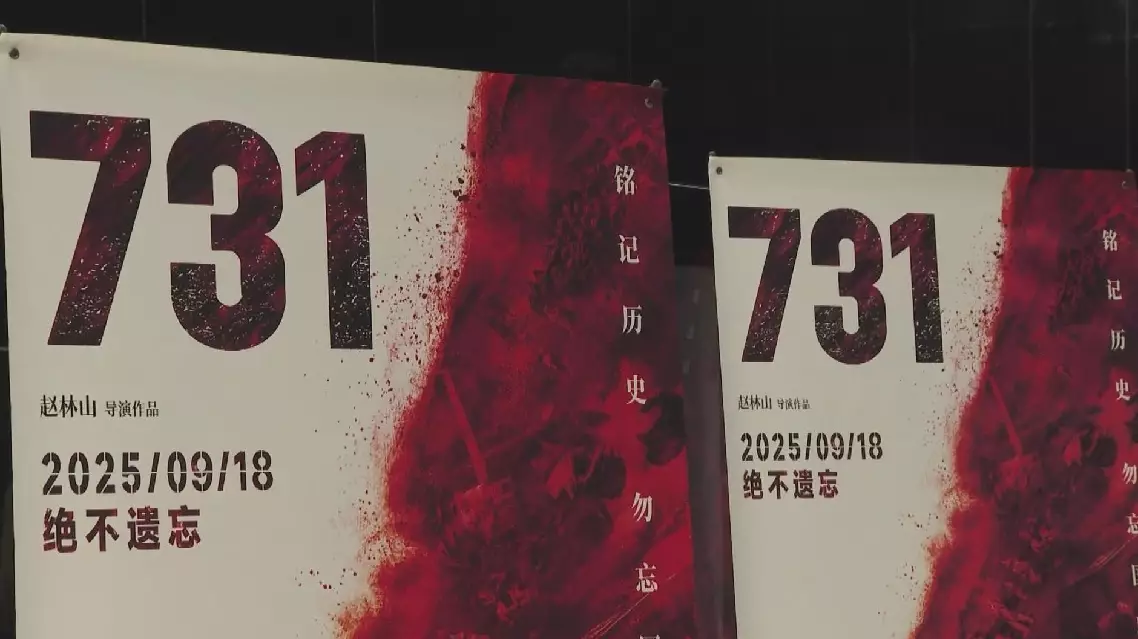
"Evil Unbound," a Chinese historical drama portraying wartime atrocities by Japan’s Unit 731 during Word War II, drew 9.14 million viewers on its premiere day, setting national records for single-day and opening-day screenings.

The film was released on Sept. 18, coinciding with the 94th anniversary of the September 18 Incident, which marked the beginning of the Chinese People's War of Resistance against Japanese Aggression. This year also commemorates the 80th anniversary of China’s victory in that war and in the broader World Anti-Fascist War.

More Images
Chinese film on Japan's infamous WWII germ warfare draws over 9 mln viewers on debut

Chinese film on Japan's infamous WWII germ warfare draws over 9 mln viewers on debut
Chinese film on Japan's infamous WWII germ warfare draws over 9 mln viewers on debut
Chinese film on Japan's infamous WWII germ warfare draws over 9 mln viewers on debut

Chinese film on Japan's infamous WWII germ warfare draws over 9 mln viewers on debut

Chinese film on Japan's infamous WWII germ warfare draws over 9 mln viewers on debut
Chinese film on Japan's infamous WWII germ warfare draws over 9 mln viewers on debut

Chinese film on Japan's infamous WWII germ warfare draws over 9 mln viewers on debut

As of Saturday morning, the total box office, including pre-sales, have reached 736 million yuan (about 103.04 million U.S. dollars), according to data from online ticketing platforms.

The film follows Wang Yongzhang, a local vendor, and others imprisoned in the "special prison" of Unit 731, where they were lured by false promises of freedom in return for cooperating with supposed health checks and disease prevention research, only to become victims of horrific medical experiments, including frostbite tests, gas exposures and vivisections.

To ensure historical authenticity, the production team spent nearly a decade developing the script and filming. They collected archival materials from home and abroad, consulting more than a million words across countless documents.

On September 18, 1931, Japanese troops blew up a section of the railway in Shenyang and accused the Chinese military of doing it. Using the blast as a pretext, Japanese forces bombarded Shenyang on the same night, launching a full-scale invasion of northeast China. The incident marked the beginning of a 14-year bloody struggle for the Chinese nation.

From 1937 to 1945, with the direct involvement of Unit 731, Japanese militarism established biological warfare organizations in various parts of China and Southeast Asian countries, leaving behind one of humanity’s darkest chapters.

Unit 731, a top-secret biological and chemical warfare research base in Pingfang District of Harbin, the capital of northeast China's Heilongjiang Province, served as the nerve center for Japanese biological warfare in China and Southeast Asia during WWII. Historical records suggest that between 1940 and 1945, Unit 731 used at least 3,000 people in its human experiments, and more than 300,000 people in China were killed by Japan's biological weapons.

The film was released in multiple countries around the world on Thursday, and in the United States and Canada on Friday.

Chinese film on Japan's infamous WWII germ warfare draws over 9 mln viewers on debut

Chinese film on Japan's infamous WWII germ warfare draws over 9 mln viewers on debut
Chinese film on Japan's infamous WWII germ warfare draws over 9 mln viewers on debut

Chinese film on Japan's infamous WWII germ warfare draws over 9 mln viewers on debut

Chinese film on Japan's infamous WWII germ warfare draws over 9 mln viewers on debut
Chinese film on Japan's infamous WWII germ warfare draws over 9 mln viewers on debut

Chinese film on Japan's infamous WWII germ warfare draws over 9 mln viewers on debut

Chinese film on Japan's infamous WWII germ warfare draws over 9 mln viewers on debut

A former television host from Taiwan, Zhai Xuan, has made a pivotal decision to leave mainstream broadcasting in order to create content that provides a better understanding of the Chinese mainland and cross-strait relations.

Zhai, a seasoned television host with over a decade of experience in Taiwan's media landscape, recently addressed an audience at an event in Beijing, where she revealed her complete transition into independent online media.

In her remarks, she articulated her aspiration to bridge what she perceives as a significant information gap between audiences on both sides of the Strait, highlighting her commitment to fostering a deeper understanding and connection through her new endeavors.

"I was really surprised by all the fake news. There were stories saying people on the mainland can't afford tea eggs or that they live in mud houses and in Taiwan, this was the main information many people received," said Zhai.

Zhai said she initially began producing online videos to challenge such perceptions while continuing her work as a television host.

In April 2025, she travelled to the mainland with her father to fulfill her late grandfather's wish to return to his hometown. The trip, which reunited family members separated since 1949, was recorded in a video series titled "Journey to Find Our Roots", drawing attention from viewers in both Taiwan and the mainland.

"Many people in Taiwan told me that after watching, they wanted to apply for a mainland travel permit immediately and go looking for their relatives. Some had long forgotten these things, but after seeing my story, they began thinking about their hometowns and family members they had never met and decided to search for their roots," Zhai shared her story at the event.

By mid-2025, Zhai said she began to feel increasing pressure amid rising political tensions and a tightening atmosphere around cross-Strait exchanges in Taiwan.

After more than 12 years in the industry, Zhai resigned from her position, believing it was the right thing to do.

"At that moment, I felt this was a major issue,not just for me, but for Chinese people on both sides of the Strait. If I backed down then, I wouldn’t be standing on the right side," said Zhai.

Since leaving television, Zhai has broadened her online programming to encompass a range of daily-life topics, including practical guidance on applying for a mainland travel permit and using commonly employed mobile applications, in addition to content that delves into historical memory and cultural connections across the Strait.

As the debate over cross-Strait relations continues in Taiwan, Zhai said she remains committed to her current path.

Former Taiwan TV host bridges cross-Strait divide via online media

Former Taiwan TV host bridges cross-Strait divide via online media

Recommended Articles