CS chairs meeting of steering committee on handling extreme weather
With Super Typhoon Ragasa edging closer to the coast of Guangdong midweek this week, the Chief Secretary for Administration, Mr Chan Kwok-ki, chaired a meeting of the steering committee on handling extreme weather today (September 21) to holistically review and further steer and co-ordinate cross-departmental thorough and adequate preparations and response efforts to address the possible threats that Ragasa may pose to Hong Kong. The Deputy Chief Secretary for Administration, Mr Cheuk Wing-hing; the Secretary for Development, Ms Bernadette Linn; the Under Secretary for Transport and Logistics, Mr Liu Chun-san; the Under Secretary for Security, Mr Michael Cheuk; the Under Secretary for Environment and Ecology, Miss Diane Wong; and representatives from relevant bureaux and departments attended the meeting.
Click to Gallery
CS chairs meeting of steering committee on handling extreme weather Source: HKSAR Government Press Releases
CS chairs meeting of steering committee on handling extreme weather Source: HKSAR Government Press Releases
At the meeting, members were briefed by the Director of the Hong Kong Observatory on the latest assessment on Ragasa. According to the present forecast from the Observatory, the circulation of Ragasa is extensive. It will continue to intensify in the next couple of days, and edge closer to the coast of Guangdong with Super Typhoon intensity midweek this week. Local weather will deteriorate quickly later on Tuesday. Gale to storm force winds will prevail on Wednesday, and winds may reach hurricane force offshore and on high ground. The weather will be adverse with heavy squally showers and thunderstorms. Seas will be very high with swells. Under the influence of significant storm surge, the sea level over coastal areas by then may be similar to that of Hato in 2017 and Mangkhut in 2018. The Observatory will continue to closely monitor the development of Ragasa and its impact on local weather and sea level over coastal areas. The public is advised to pay close attention to the latest weather information from the Observatory, and be well prepared for high windsandflooding.
In view of the possible serious threats that Ragasa may pose to Hong Kong, Mr Chan further steered and co-ordinated the preparatory work of relevant departments at the meeting, which includes:
 The Emergency Monitoring and Support Centre (EMSC) under the Security Bureau has made advance preparation and stands ready for activation. It will be fully activated upon the issuance of Tropical Cyclone Warning Signal No. 8, with directorate officers of relevant departments closely monitoring the community in real time. Utilising the Common Operational Picture, the EMSC will conduct real-time citywide monitoring, and integrate updates from various departments to swiftly assess risks and formulate response plans and measures. Various emergency response teams, including the Fire Services Department, the Hong Kong Police Force, the Civil Aid Service and the Auxiliary Medical Service have completed all necessary preparatory work and are on standby, with sufficient manpower deployed to handle possible emergencies during heavy rainstorms and high wind, and to provide assistance to those in need.
The Emergency Transport Coordination Centre (ETCC) of the Transport Department (TD) operates round the clock to closely monitor traffic and transport conditions across the territory with public transport operators (PTOs) including MTR and franchised buses, relevant departments and other organisations. The ETCC will co-ordinate PTOs to arrange service adjustments and/or emergency services, and disseminate emergency traffic information and public transport service arrangements to the public through radio and TV broadcast, the TD's website and the HKeMobility mobile application in a timely manner.
The Development Bureau (DEVB) has stepped up preventive and defensive measures to co-ordinate preparedness efforts to deal with flooding, landslides and fallen trees, and ensure safety of building structures. Emergency control centres of relevant departments, with additional manpower specially deployed, are ready to be activated at any time for a holistic response. The DEVB has pooled the resources from public works contractors. In particular, efforts have been made to increase manpower, machinery and equipment so that they can be swiftly deployed at any time to respond to emergency situations and carry out recovery work.
The Drainage Services Department (DSD) has completed the inspections and clearance work at about 240 locations across the territory which are prone to flooding due to blockages. The "just-in-time clearance" arrangement will continue. In view of the possible severe flooding incidents arising from this storm, the DSD has implemented a number of special operational measures. These include increasing the number of emergency response teams by 20 to a total of 200 to handle flooding and clear drainage channels in different districts across the territory, deploying powerful pumping robots on standby in advance at locations with higher risk of flooding, and distributing more sandbags. Additional sandbags, which are more than double the usual amount, have been provided to areas with higher flooding risks, including Tai O, Lei Yue Mun, Sam Mun Tsai, Tai Po Market, Kar Wo Lei, low-lying areas in central Yuen Long, low-lying areas in northwest Yuen Long, To Tau Wan, Nam Wai and Heung Chung. For coastal low-lying or windy residential areas with high risks, the DSD and the Civil Engineering and Development Department have been working closely with relevant departments to implement appropriate measures according to the action plans formulated in advance, including early warning systems and emergency response arrangements to cope with the potential threat of flooding caused by storm surges.
The Geotechnical Engineering Office (GEO) and slope maintenance departments have made preparation to cope with emergency landslide incidents during adverse weather conditions, including the completion of inspections of government man-made slopes with relatively higher potential impacts, to ensure proper functioning of slope drainage systems. Private slope owners are advised to promptly inspect the slopes under their maintenance responsibilities, and to clear any blocked drainage channels before the onset of the storm. The GEO and the Hong Kong Observatory will closely monitor weather conditions during the storm and issue a Landslip Warning when necessary to remind the public to take appropriate precautions.
The Buildings Department (BD) has kick-started a special operation, inspecting private construction sites along major roads, reminding contractors to put in place preventive measures including proper storage of building materials, checking if tower cranes, scaffolds and gondolas are safe, and implementing flood prevention measures. The BD has reminded all registered building professionals and registered contractors to inspect facilities at their sites to ensure that they are safe and secure. The BD has been conducting inspections at major roads and removing signboards with imminent danger. The BD has also reminded property management companies to implement preventive measures such as checking the drainage systems, scaffolds at external walls, gondolas for maintenance, signboards and photovoltaic panels of their buildings to ensure that they are safe and secure.
Tree management departments have earlier completed risk assessments and mitigation measures for trees in high-risk areas. They are currently conducting a new round of tree inspections at locations with high pedestrian and vehicular flow, and implementing preventive measures to address the potential tree risks, including the removal of hazardous trees, pruning of problematic trees, cordoning off areas that may be affected by fallen trees, posting notices to alert pedestrians and venue users, in order to reduce tree-related risks. It is anticipated that the passage of Ragasa in Hong Kong may result in a relatively large number of fallen trees and greater impact on traffic. As such, the DEVB has reserved sites for temporary storage of debris of fallen trees.
The Highways Department (HyD) inspected again the pump room facilities at vehicular tunnels as well as the flood warning systems installed at Kwun Tong Road Underpass and 16 pedestrian subways along Shing Mun River in Sha Tin, Lam Tsuen River in Tai Po and Tai Po River with a higher risk of flooding from September 19 to 22 to ensure normal operation. The department also proactively carried out special inspections and clearance of public road sections which are prone to flooding due to blockages, including high speed road sections. The HyD also enhanced inspections and clearance of the drainage channels at roadside man-made slopes. In addition, the HyD has reminded relevant staff members and contractors to pay close attention to weather conditions and information released by the Observatory. Manpower and machinery have been deployed in advance to facilitate the timely activation of the Emergency Control Centres, enabling a swift response to emergencies on public roads that may arise due to the impact of the typhoon.
District Offices have initiated relevant response measures and will advance the opening of temporary shelters. They are co-ordinating with other departments and organisations to enhance preparedness, set up sandbags and water-stop boards, etc. District Council members, members of "the three committees" and Care Teams are mobilised to disseminate the latest weather information to residents in flood-prone areas, reminding them to make necessary preparations. Residents in flood-prone areas will be advised to stay away from their home or stay at temporary shelters.
The Emergency Monitoring and Support Centre (EMSC) under the Security Bureau has made advance preparation and stands ready for activation. It will be fully activated upon the issuance of Tropical Cyclone Warning Signal No. 8, with directorate officers of relevant departments closely monitoring the community in real time. Utilising the Common Operational Picture, the EMSC will conduct real-time citywide monitoring, and integrate updates from various departments to swiftly assess risks and formulate response plans and measures. Various emergency response teams, including the Fire Services Department, the Hong Kong Police Force, the Civil Aid Service and the Auxiliary Medical Service have completed all necessary preparatory work and are on standby, with sufficient manpower deployed to handle possible emergencies during heavy rainstorms and high wind, and to provide assistance to those in need.
The Emergency Transport Coordination Centre (ETCC) of the Transport Department (TD) operates round the clock to closely monitor traffic and transport conditions across the territory with public transport operators (PTOs) including MTR and franchised buses, relevant departments and other organisations. The ETCC will co-ordinate PTOs to arrange service adjustments and/or emergency services, and disseminate emergency traffic information and public transport service arrangements to the public through radio and TV broadcast, the TD's website and the HKeMobility mobile application in a timely manner.
The Development Bureau (DEVB) has stepped up preventive and defensive measures to co-ordinate preparedness efforts to deal with flooding, landslides and fallen trees, and ensure safety of building structures. Emergency control centres of relevant departments, with additional manpower specially deployed, are ready to be activated at any time for a holistic response. The DEVB has pooled the resources from public works contractors. In particular, efforts have been made to increase manpower, machinery and equipment so that they can be swiftly deployed at any time to respond to emergency situations and carry out recovery work.
The Drainage Services Department (DSD) has completed the inspections and clearance work at about 240 locations across the territory which are prone to flooding due to blockages. The "just-in-time clearance" arrangement will continue. In view of the possible severe flooding incidents arising from this storm, the DSD has implemented a number of special operational measures. These include increasing the number of emergency response teams by 20 to a total of 200 to handle flooding and clear drainage channels in different districts across the territory, deploying powerful pumping robots on standby in advance at locations with higher risk of flooding, and distributing more sandbags. Additional sandbags, which are more than double the usual amount, have been provided to areas with higher flooding risks, including Tai O, Lei Yue Mun, Sam Mun Tsai, Tai Po Market, Kar Wo Lei, low-lying areas in central Yuen Long, low-lying areas in northwest Yuen Long, To Tau Wan, Nam Wai and Heung Chung. For coastal low-lying or windy residential areas with high risks, the DSD and the Civil Engineering and Development Department have been working closely with relevant departments to implement appropriate measures according to the action plans formulated in advance, including early warning systems and emergency response arrangements to cope with the potential threat of flooding caused by storm surges.
The Geotechnical Engineering Office (GEO) and slope maintenance departments have made preparation to cope with emergency landslide incidents during adverse weather conditions, including the completion of inspections of government man-made slopes with relatively higher potential impacts, to ensure proper functioning of slope drainage systems. Private slope owners are advised to promptly inspect the slopes under their maintenance responsibilities, and to clear any blocked drainage channels before the onset of the storm. The GEO and the Hong Kong Observatory will closely monitor weather conditions during the storm and issue a Landslip Warning when necessary to remind the public to take appropriate precautions.
The Buildings Department (BD) has kick-started a special operation, inspecting private construction sites along major roads, reminding contractors to put in place preventive measures including proper storage of building materials, checking if tower cranes, scaffolds and gondolas are safe, and implementing flood prevention measures. The BD has reminded all registered building professionals and registered contractors to inspect facilities at their sites to ensure that they are safe and secure. The BD has been conducting inspections at major roads and removing signboards with imminent danger. The BD has also reminded property management companies to implement preventive measures such as checking the drainage systems, scaffolds at external walls, gondolas for maintenance, signboards and photovoltaic panels of their buildings to ensure that they are safe and secure.
Tree management departments have earlier completed risk assessments and mitigation measures for trees in high-risk areas. They are currently conducting a new round of tree inspections at locations with high pedestrian and vehicular flow, and implementing preventive measures to address the potential tree risks, including the removal of hazardous trees, pruning of problematic trees, cordoning off areas that may be affected by fallen trees, posting notices to alert pedestrians and venue users, in order to reduce tree-related risks. It is anticipated that the passage of Ragasa in Hong Kong may result in a relatively large number of fallen trees and greater impact on traffic. As such, the DEVB has reserved sites for temporary storage of debris of fallen trees.
The Highways Department (HyD) inspected again the pump room facilities at vehicular tunnels as well as the flood warning systems installed at Kwun Tong Road Underpass and 16 pedestrian subways along Shing Mun River in Sha Tin, Lam Tsuen River in Tai Po and Tai Po River with a higher risk of flooding from September 19 to 22 to ensure normal operation. The department also proactively carried out special inspections and clearance of public road sections which are prone to flooding due to blockages, including high speed road sections. The HyD also enhanced inspections and clearance of the drainage channels at roadside man-made slopes. In addition, the HyD has reminded relevant staff members and contractors to pay close attention to weather conditions and information released by the Observatory. Manpower and machinery have been deployed in advance to facilitate the timely activation of the Emergency Control Centres, enabling a swift response to emergencies on public roads that may arise due to the impact of the typhoon.
District Offices have initiated relevant response measures and will advance the opening of temporary shelters. They are co-ordinating with other departments and organisations to enhance preparedness, set up sandbags and water-stop boards, etc. District Council members, members of "the three committees" and Care Teams are mobilised to disseminate the latest weather information to residents in flood-prone areas, reminding them to make necessary preparations. Residents in flood-prone areas will be advised to stay away from their home or stay at temporary shelters.
The Education Bureau (EDB) will closely monitor the weather conditions, and based on the Hong Kong Observatory's latest assessment and forecast tomorrow (September 22), announce later tomorrow the arrangements for school attendance on September 23 and for submission of paper applications for discretionary places under the Primary One Admission 2026 to facilitate early preparations by parents and students. Members of the public are advised to pay close attention to the EDB announcements.
The Labour Department reminded employers to make prior work arrangements for employees in times of and after tropical cyclones, rainstorms and extreme conditions as early as possible, including arrangements on reporting for duty, release from work, resumption of work and remote work (if applicable). In drawing up and implementing the arrangements, employers should give prime consideration to employees' safety and the feasibility of employees travelling to and from their workplaces, etc. Employers should also give consideration as much as possible to the different situations and actual difficulties faced by individual employees, and adopt a sympathetic and flexible approach.
The Government departments will continue to serve with dedication, make preparations on all fronts, collaborate closely and respond timely to safeguard the lives and property of the public as well as public safety, with a view to minimising the threats and impact of the storm. The relevant departments will also prepare for relief work, make suitable manpower and equipment deployments, so as to enable the community to resume normalcy as soon as possible after the typhoon.
In severe weather conditions, the Government also reminds citizens who are staying in temporary structures, such as rooftop houses and squatter huts near slopes, to consider taking shelter in temporary shelters. It also recommends that vehicles parked outdoors be parked indoors. The Government urges the public, particularly residents and traders of low lying areas, to take proper typhoon and flooding precautionary measures. The public are urged to stay alert and stay away from dangerous places such as rivers and slopes in adverse weather conditions, and refrain from water sports. Relevant departments will continue to release updated information, the public should continue to pay attention to the latest news released by the Government.

CS chairs meeting of steering committee on handling extreme weather Source: HKSAR Government Press Releases
CS chairs meeting of steering committee on handling extreme weather Source: HKSAR Government Press Releases
FEHD releases fourth batch of gravidtrap indexes for Aedes albopictus in May
The Food and Environmental Hygiene Department (FEHD) today (May 21) released the fourth batch of gravidtrap indexes and density indexes for Aedes albopictus in May, covering 12 survey areas, as follows:
District |
Survey Area |
May 2026 |
First Phase Gravidtrap Index |
First Phase Density Index |
Eastern |
Shau Kei Wan and Sai Wan Ho |
9.1% |
1.4 |
Islands |
Tung Chung |
2.0% |
1.0 |
Kowloon City |
Hung Hom and To Kwa Wan |
6.7% |
1.5 |
Tai Po |
Tai Po East |
2.2% |
2.0 |
Tai Po West |
15.5% |
1.0 |
Tuen Mun |
Tuen Mun South |
9.1% |
1.4 |
District |
Survey Area |
May 2026 |
Area Gravidtrap Index |
Area Density Index |
Central and Western |
Kennedy Town and Shek Tong Tsui |
16.8% |
1.3 |
Eastern |
Chai Wan |
15.4% |
1.0 |
North Point and Quarry Bay |
18.9% |
1.4 |
Southern |
Aberdeen and Ap Lei Chau |
20.8% |
1.7 |
Sha Tin |
Sha Tin Town Centre and Fo Tan |
18.3% |
1.4 |
Tsuen Wan |
Tsuen Wan Town |
6.9% |
2.3 |
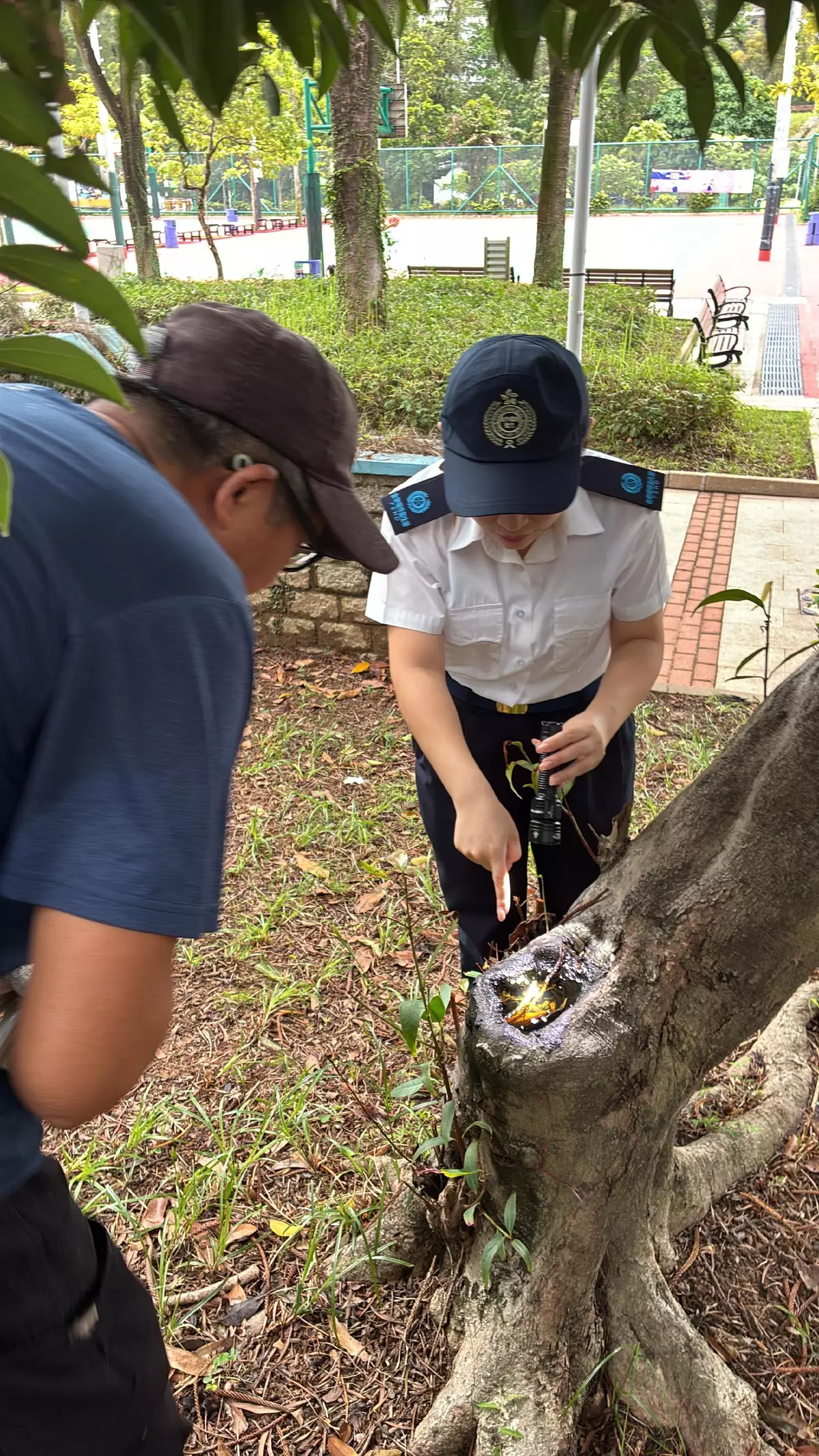
The fourth batch of gravidtrap indexes for Aedes albopictus in May includes First Phase Gravidtrap Indexes covering six survey areas and Area Gravidtrap Indexes covering six survey areas. Among which, six survey areas recorded gravidtrap indexes above 10 per cent, while Aberdeen and Ap Lei Chau in Southern District recorded a gravidtrap index above 20 per cent. Meanwhile, the gravidtrap indexes of six survey areas, namely Kennedy Town and Shek Tong Tsui in Central and Western District; North Point and Quarry Bay in Eastern District; Shau Kei Wan and Sai Wan Ho in Eastern District; Aberdeen and Ap Lei Chau in Southern District; Tai Po East in Tai Po District; and Tuen Mun South in Tuen Mun District, have recorded a decrease as compared to the indexes recorded in the last survey period, reflecting the progress of relevant mosquito control work.
With reference to the data from the past few years, the gravidtrap indexes start to rise from April or May every year. The actual timing and extent of the rise are affected by factors like weather conditions and rainfall. The average temperature and rainfall recorded in April this year were higher than those in the same period last year, creating favourable conditions for mosquito growth and breeding. As a result, the rise in gravidtrap indexes occurred earlier this year. With the increase in rainfall in May, the gravidtrap indexes are expected to rise further.
For survey areas which recorded indexes exceeding 10 per cent, in accordance with the mechanism implemented by the FEHD in response to the chikungunya fever (CF) situation (i.e. strengthening mosquito control work in areas with a gravidtrap index between 10 per cent and 20 per cent, instead of 20 per cent or above under the original mechanism), the FEHD is collaborating with relevant departments and stakeholders to identify locations with high mosquito infestations and carry out intensive and targeted mosquito control measures. The FEHD has initiated two prosecutions against the relevant construction site contractors following the discovery of mosquito breeding at construction sites in Tai Po District and Southern District. Moreover, following the discovery of stagnant water or stagnant water containers in a park, a construction site, a private housing estate, a clinic and a private premises in Tai Po District, Central and Western District, as well as Southern District, the FEHD has issued five statutory notices to the responsible persons-in-charge, requiring the clearance of such items within a specified timeframe. The FEHD, the relevant departments and stakeholders are following up on the mosquito control work, and will also organise exhibitions, distribute leaflets and posters, and notify residential estates that have subscribed to the gravidtrap Rapid Alert System, advising property management agents and residents to stay vigilant and work together in taking mosquito prevention and elimination measures. In addition, the FEHD will strengthen the monitoring of the gravidtrap index in the areas to review the effectiveness of the mosquito control work.
Public participation is crucial to the effective control of mosquito problems. The FEHD appeals to members of the public to continue to work together in strengthening personal mosquito control measures, including:
tidy up their premises and check for any accumulation of water inside the premises;
remove all unnecessary water collections and eliminate the sources;
check household items (those placed in outdoor and open areas in particular), such as refuse containers, vases, air conditioner drip trays, and laundry racks to prevent stagnant water;
change water in flower vases and scrub their inner surfaces thoroughly, and remove water in saucers under potted plants at least once a week;
properly cover all containers that hold water to prevent mosquitoes from accessing the water;
properly dispose of articles that can contain water, such as disposable meal boxes and empty cans; and
scrub drains and surface sewers with alkaline detergent at least once a week to remove any mosquito eggs.
Starting in August 2025, following the completion of the surveillance of individual survey areas, and once the latest gravidtrap index and the density index are available, the FEHD has been disseminating relevant information through press releases, its website and social media. It aims to allow members of the public to quickly grasp the mosquito infestation situation and strengthen mosquito control efforts, thereby reducing the risk of CF transmission.
Following recommendations from the World Health Organization and taking into account the local situation in Hong Kong, the FEHD sets up gravidtraps in districts where mosquito-borne diseases have been recorded in the past, as well as in densely populated places such as housing estates, hospitals and schools to monitor the breeding and distribution of Aedes albopictus mosquitoes, which can transmit CF and dengue fever. At present, the FEHD has set up gravidtraps in 62 survey areas of the community, with a surveillance period of two weeks. During the surveillance period, the FEHD will collect the gravidtraps once a week. After the first week of surveillance, the FEHD will immediately examine the glue boards inside the retrieved gravidtraps for the presence of adult Aedine mosquitoes to compile the Gravidtrap Index (First Phase) and Density Index (First Phase). At the end of the second week of surveillance, the FEHD will instantly check the glue boards for the presence of adult Aedine mosquitoes. Data from the two weeks of surveillance will be combined to obtain the Area Gravidtrap Index and the Area Density Index. The gravidtrap and density indexes for Aedes albopictus in different survey areas, as well as information on mosquito prevention and control measures, are available on the department's webpage (www.fehd.gov.hk/english/pestcontrol/dengue_fever/Dengue_Fever_Gravidtrap_Index_Update.html#).
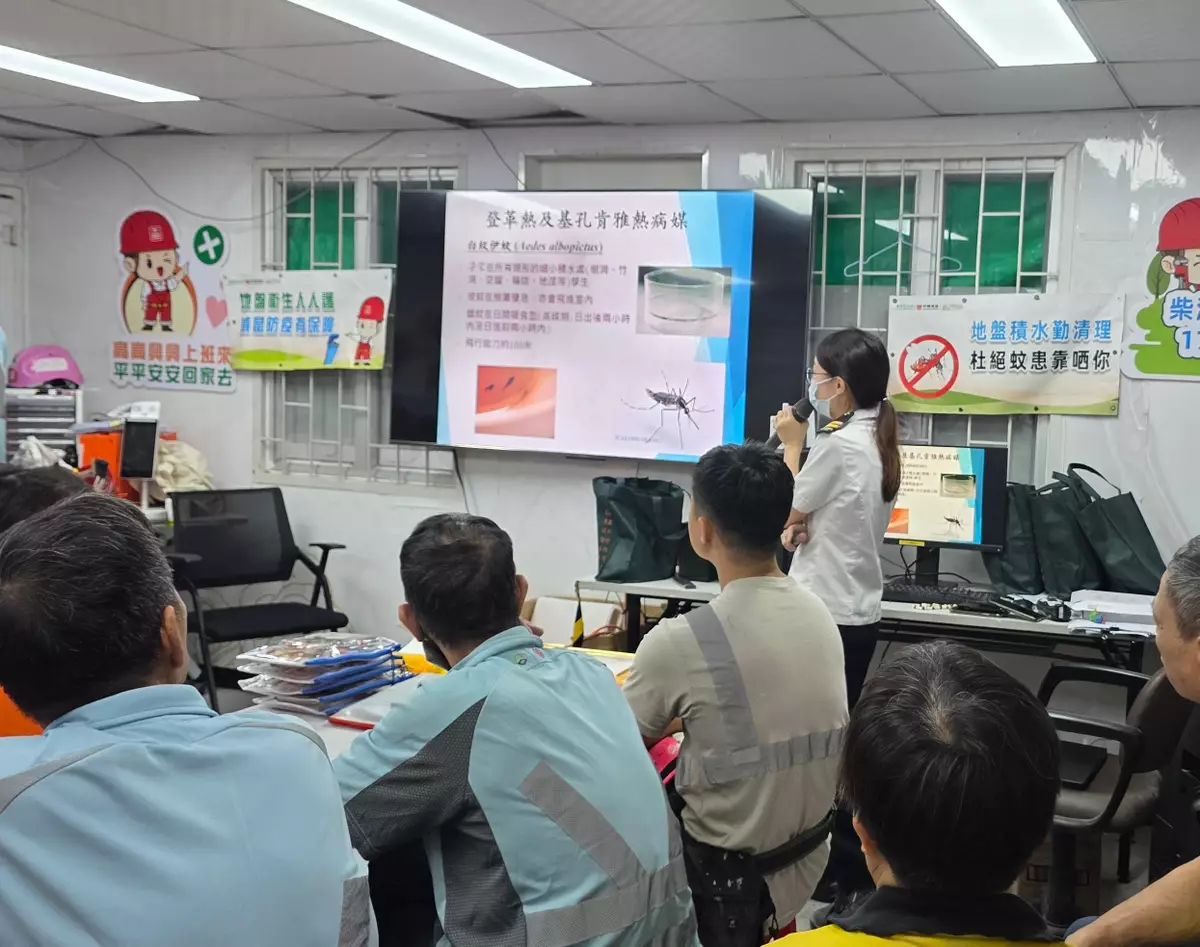
FEHD releases fourth batch of gravidtrap indexes for Aedes albopictus in May Source: HKSAR Government Press Releases
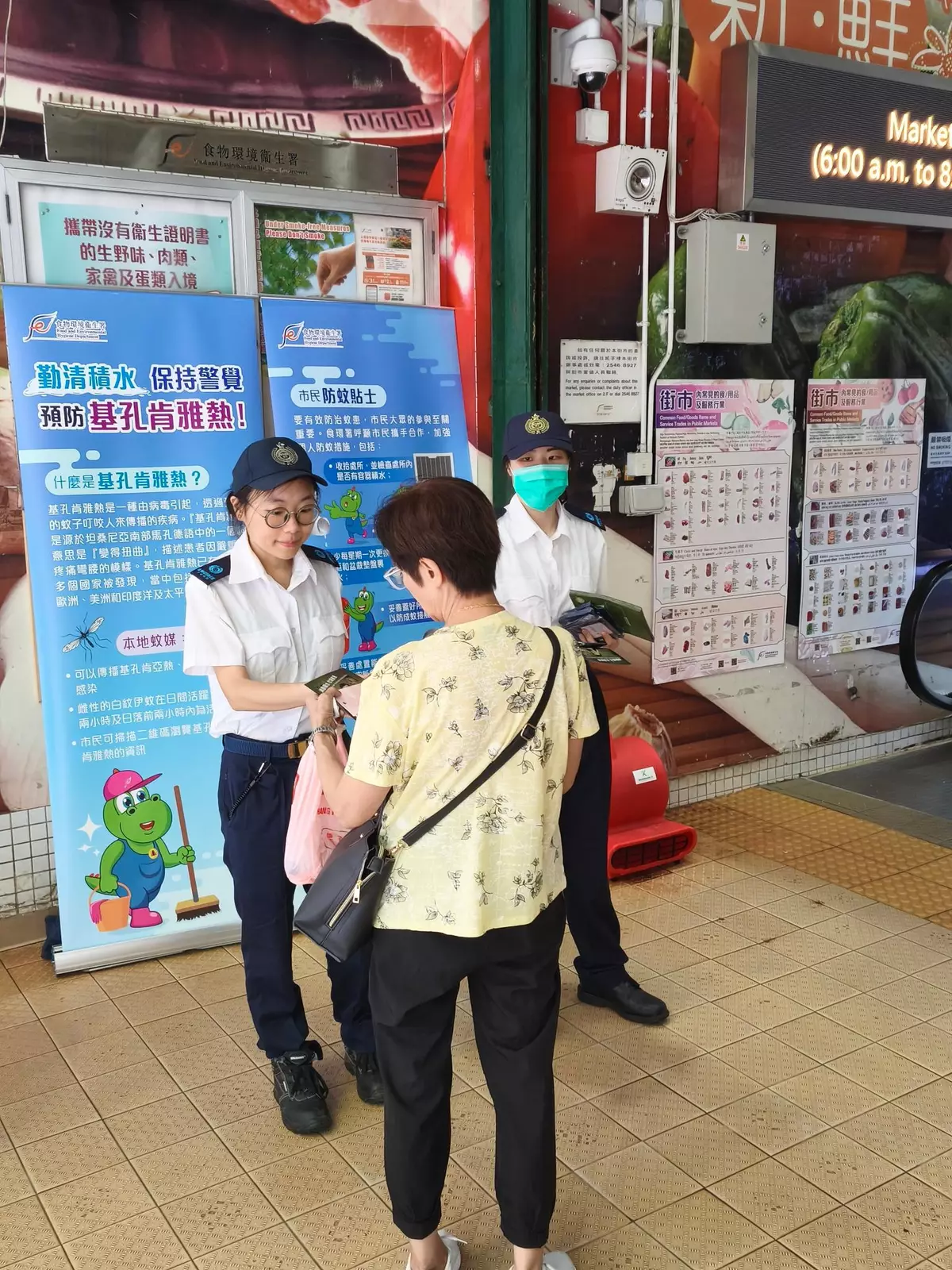
FEHD releases fourth batch of gravidtrap indexes for Aedes albopictus in May Source: HKSAR Government Press Releases
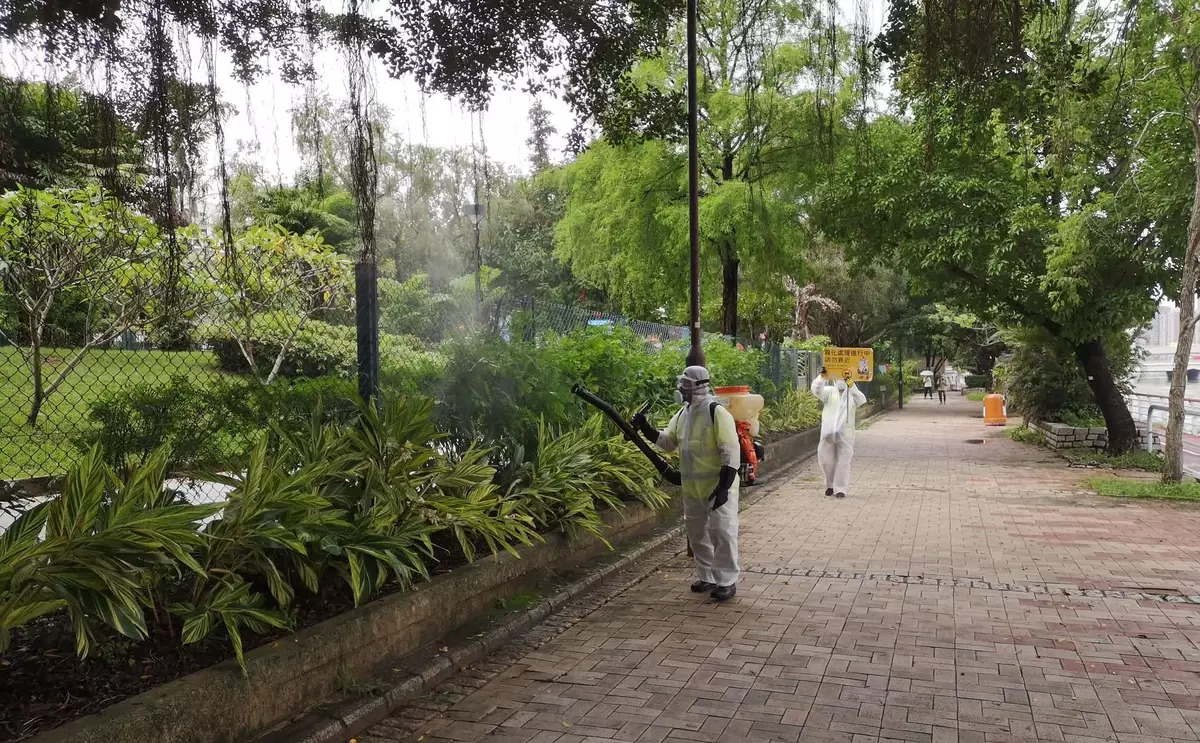
FEHD releases fourth batch of gravidtrap indexes for Aedes albopictus in May Source: HKSAR Government Press Releases
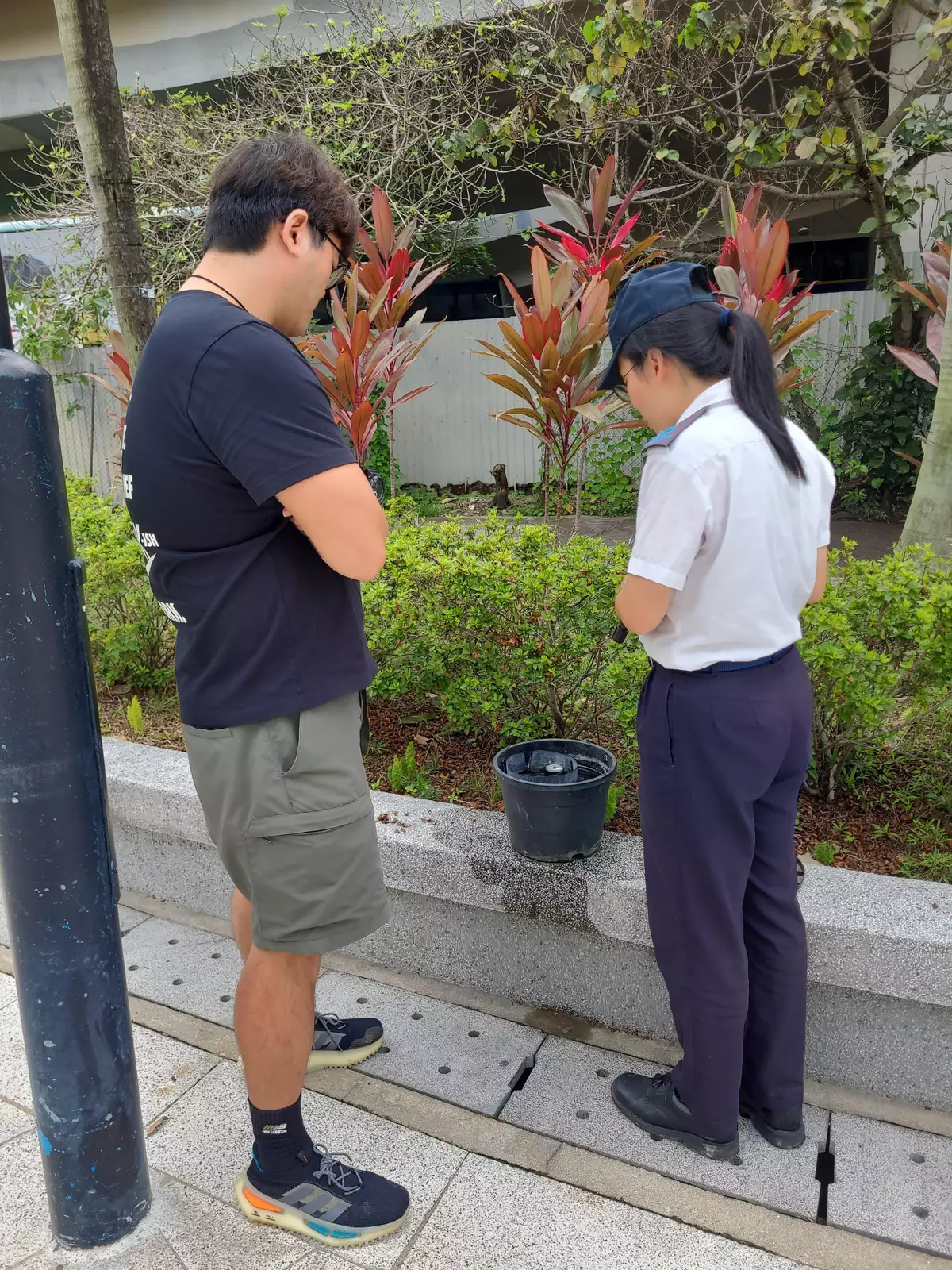
FEHD releases fourth batch of gravidtrap indexes for Aedes albopictus in May Source: HKSAR Government Press Releases
FEHD releases fourth batch of gravidtrap indexes for Aedes albopictus in May Source: HKSAR Government Press Releases