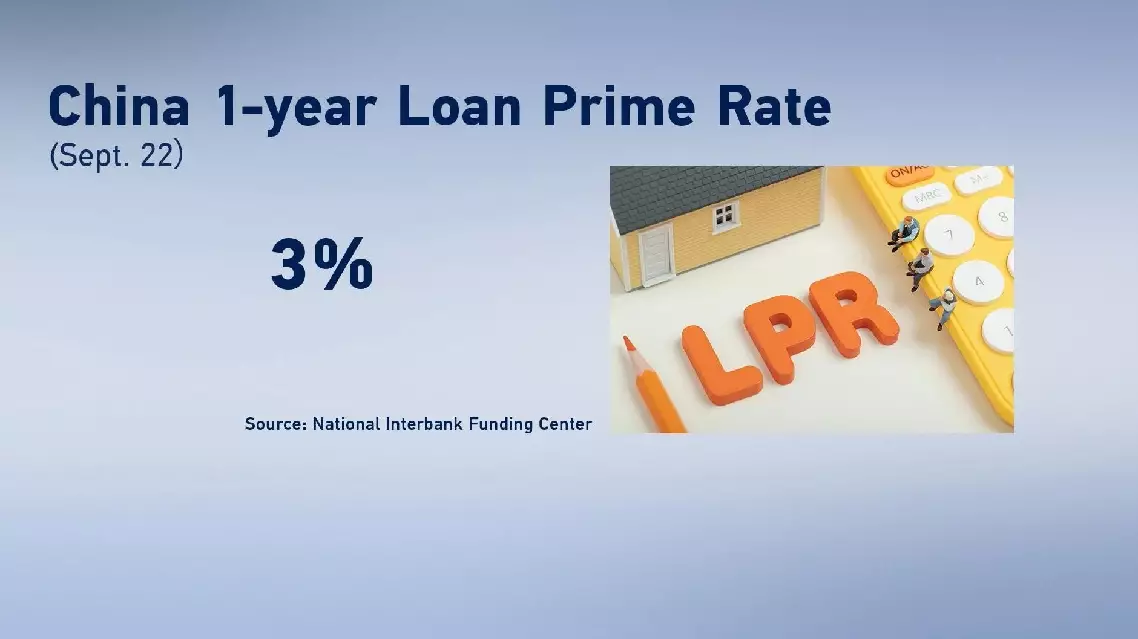
China's one-year loan prime rate (LPR), a market-based benchmark lending rate, came in at 3.0 percent on Monday, unchanged from the previous month.
The over-five-year LPR, which serves as a reference for most mortgage rates, also remained steady at 3.5 percent, according to the National Interbank Funding Center, authorized by the People's Bank of China.
LPRs reflect the cost of financing for households and businesses. Stable rates help maintain borrowing conditions, while lower rates can reduce repayment burdens and encourage investment and consumption.
China's loan prime rates remain unchanged

China's loan prime rates remain unchanged
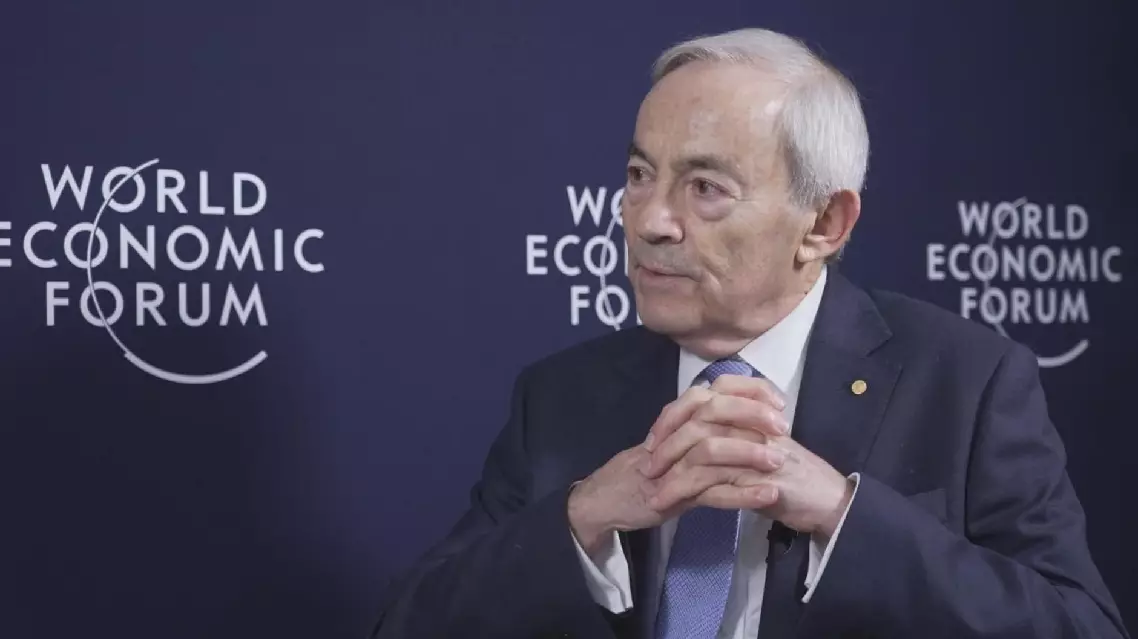
Nobel laureate economist Christopher Pissarides said that new technologies, especially artificial intelligence (AI), could be a solution for labor gaps, highlighting areas like elderly care where AI could bring real benefits.
In an exclusive interview with China Global Television Network (CGTN) at the 2026 World Economic Forum, Pissarides, who is also Regius Professor of Economics at the London School of Economics, said countries with aging populations could help solve the "silver challenge" by developing new technologies.
"You are resilient in China, more than some European countries. Now China has what you call 'the silver challenge', so there's a gap in the middle. It's not a big concern actually in my view, because the new technologies could be developed in a way that you don't need so much labor. You could develop new technologies in a way to work together with people, but not requiring as many people to do it, you could manage the demographic transition that way," he said.
This year sees China begin its 15th Five-Year Plan (2026-2030) period and Pissarides said China was well positioned to maximize the opportunities that AI and new technology will bring in the years ahead.
"The key to success actually is to apply AI in a way that is more conducive to economic development, and collaboration between the AI technologies and human labor, human capital. That will enhance the capabilities of human capital. It will become more productive, it will improve the well-being of the workforce, and it would generally give you a high-income country with a high level of life and job satisfaction," he said.
Pissarides said the green transformation is ever more crucial for long-term sustainability, and he applauded China for its keen focus on developing smart, green technology.
Under the theme "A Spirit of Dialogue," the 2026 WEF meeting opened on Monday in Davos and will run through Friday. About 3,000 leaders and experts from around the world are gathering to discuss five pressing global challenges, including enhancing cooperation, unlocking new sources of growth and deploying innovation at scale and responsibly.
Nobel economist says AI could help bridge labor gaps in aging populations