Residents in Yemen's southern port city of Aden are facing severe shortages of food, healthcare and other basic necessities, as years of economic instability and political volatility continue to erode living conditions and public infrastructure.
The crisis is acutely felt within households, where dwindling resources and a lack of reliable incomes force families to make difficult daily choices between medical care and other essential needs.
The United Nations estimates that around 21 million people across Yemen will require humanitarian assistance this year, an increase from 19.5 million in 2025, amid funding cuts that threaten access to vital services.
For many, the strain manifests first in the struggle to obtain healthcare. Medical facilities, themselves under-resourced, face overwhelming demand from patients who often cannot afford treatment.
"The biggest crisis facing patients is the lack of medicines and medical supplies. We try, as much as possible, to provide whatever we can, such as certain tests, but they are still not free. Many patients come to us unable to afford treatment due to the absence of salaries, and most of them request exemptions from payment. But how many people can we exempt, when there are simply not enough medical supplies available?" said Ensaf Al-Khamri, director of the Health Office in Aden's Al-Mualla District.
With public sector salaries often unpaid for months, healthcare is increasingly becoming a private burden rather than a guaranteed public service. The challenges extend far beyond clinics, affecting nearly every aspect of daily survival.
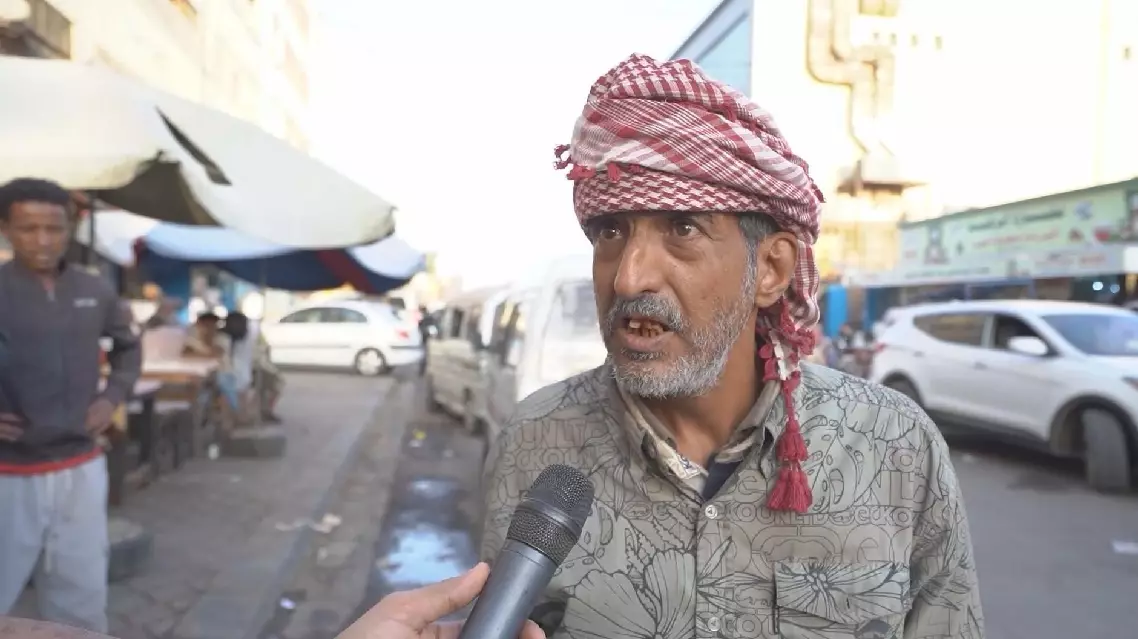
"Living conditions in Aden are very difficult. People have no gas, no electricity, and no access to proper medical services. We are suffering in the south, and many young people are unemployed," said Ashraf Mohammed, an Aden resident.
Critical shortages of fuel and electricity have driven up the cost of everyday life, forcing households to spend more on cooking, transportation and other basic functions, leaving even fewer resources for emergencies such as illness.
"The gas crisis has been going on for about two months. Some stations release limited amounts of gas, but due to severe congestion, queues are extremely long, especially for vehicles. As for cooking gas cylinders, they are very difficult to obtain, which has pushed many people to rely on firewood as an alternative," said Saeed Khaled, another resident.
Aid workers warn that the combined pressures of disease, unemployment, unpaid wages and rising costs are placing sustained strain on civilians across the city, with little prospect of near-term relief.
For most residents in Aden, daily life remains a cycle of managing illness, securing basic supplies, and finding ways to endure in an environment defined by scarcity and uncertainty.
Yemeni city of Aden grapples with deepening humanitarian crisis