Chinese stocks closed higher on Monday, with the benchmark Shanghai Composite Index up 0.22 percent to 3,828.58 points.
The Shenzhen Component Index closed 0.67 percent higher at 13,157.97 points.
The combined turnover of these two indices stood at 2.12 trillion yuan (about 298 billion U.S. dollars), down from 2.32 trillion yuan on the previous trading day.
The ChiNext Index, tracking China's Nasdaq-style board of growth enterprises, gained 0.55 percent to close at 3,107.89 points.
Market analyst Timothy Pope highlighted the trends behind the numbers in his recap of China's stock market performance.
"Stocks edged higher today on the Chinese mainland. We saw investors digesting the outcome of the conversation between President Xi Jinping and President Donald Trump discussing trade and other issues, and of course TikTok. The Shanghai Composite Index added about a quarter of 1 percent on the back of that, and the Shenzhen Component was up more strongly, adding almost 0.7 percent," he said.
Investor enthusiasm was particularly noticeable in sectors linked to emerging technologies and AI, reflecting optimism about new product developments and strategic partnerships with suppliers, he said.
"One reason we saw the Shenzhen markets doing a little better today was a rally in Apple supplier stocks after reports of a deal between consumer electronics manufacturer Luxshare, and OpenAI. According to a report in The Information late last week, OpenAI is looking to Luxshare to make a new AI consumer device designed to work alongside AI models like ChatGPT. No real clues as to what this new product would be or do though. Luxshare assembles Apple iPhones and Airpods so it seems like a natural fit for this kind of thing and its stock was up 10 percent today. It also dragged a lot of other apple suppliers up in its wake. We saw Foxconn, Goertek and others are all rising as well," he said.
"On the downside in Shenzhen though, there was the electric vehicle giant BYD. Its shares sank 1 percent on the news that Warren Buffet's investment firm Berkshire Hathaway has now fully exited its holdings in the company. The latest filings show Berkshire is no longer a shareholder in BYD as of the end of March, and that brings to an end of a 17-year investment which I guess I'd made it I would be feeling pretty smug about because it grew massively during that time. They'd grown their investment something like twenty-fold between 2008 and 2022 when Berkshire started to sell down its stake. And now, that partnership is at an end," said the analyst.
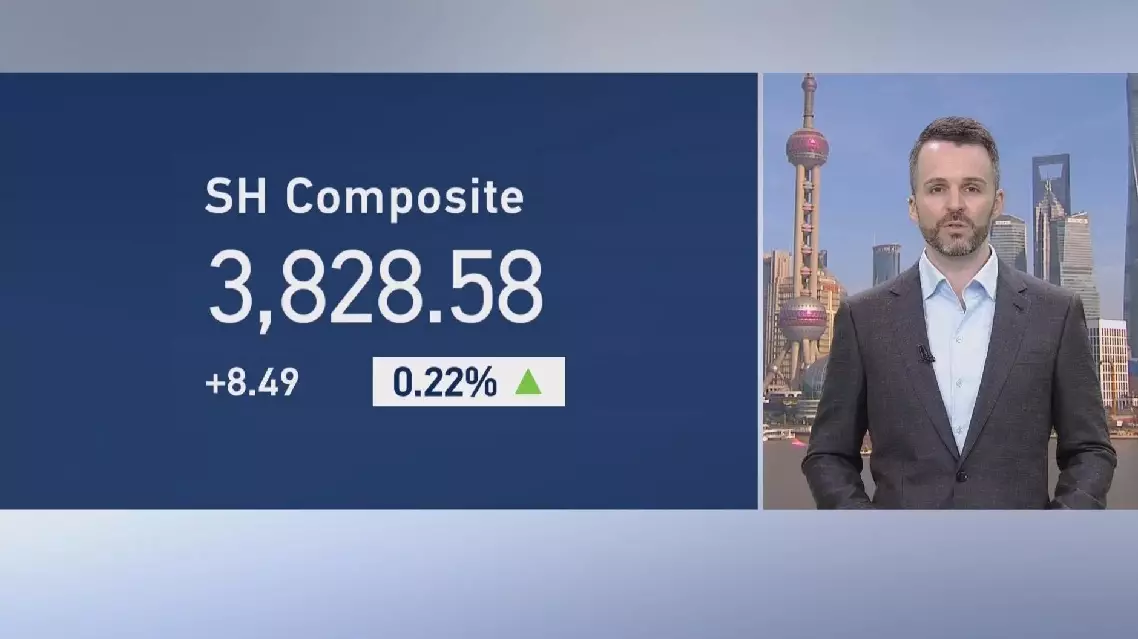
Analyst recaps Chinese stock market's good performance on Monday