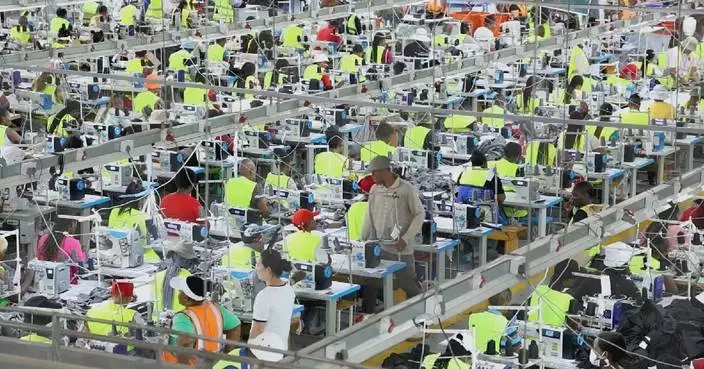
Shanghai, as a vital economic hub in China that serves as a key gateway for global investment, has implemented a series of policies, regulations and services to improve the local business environment and increase its appeal to foreign capital.
Home to over 70,000 foreign enterprises, Shanghai remains a top destination for global investment. The municipal government continues to streamline business processes, enhance policy certainty, and promote public-private partnerships.
"All levels of departments in Jing'an District have a very thorough and profound understanding of the international high-standard economic and trade system, which can provide a transparent and highly predictable environment for foreign-funded enterprises to develop in Jing'an," said Zhao Lantian, deputy director of the Commission of Commerce of Shanghai's Jing'an District.
Last year, the city certified 60 new multinational regional headquarters and 30 foreign-funded research and development centers. Several globally renowned foreign enterprises have chosen this region as a core for research and manufacturing, including German optical systems company Zeiss.
"The well-developed supply-chain in the Yangtze River Delta has helped us grow at remarkable speed, enabling our research, development and production," said Xie Lei, chief operating officer of Zeiss China.
As the hub for foreign enterprises and investment in the Yangtze River Delta and across China, Shanghai stands out with its international, law-based, and business-friendly policy environment. The city offers significant advantages as China's gateway for foreign investment, as well as efficient administration and swift policy communication.
"We are very confident because the government is so supportive to us. That's why we sat down with the government a few times and thought about what we should do about this urban renewal project. We need to go to the city government, not only the district. So that's why the government encouraged us to do this and with the help of the different departments of Jing'an District, they went with us to to lobby the whole project to the city government, to help us to go through step by step, and the whole process," said Alex Pun, managing director of Fungseng Prosperity (China) Limited, a leading conglomerate in the services industry.
Foreign enterprises expect Shanghai to continue to strengthen top-level reform planning and system integration, as the city aims to become a higher-level hub of openness with an improved business environment.
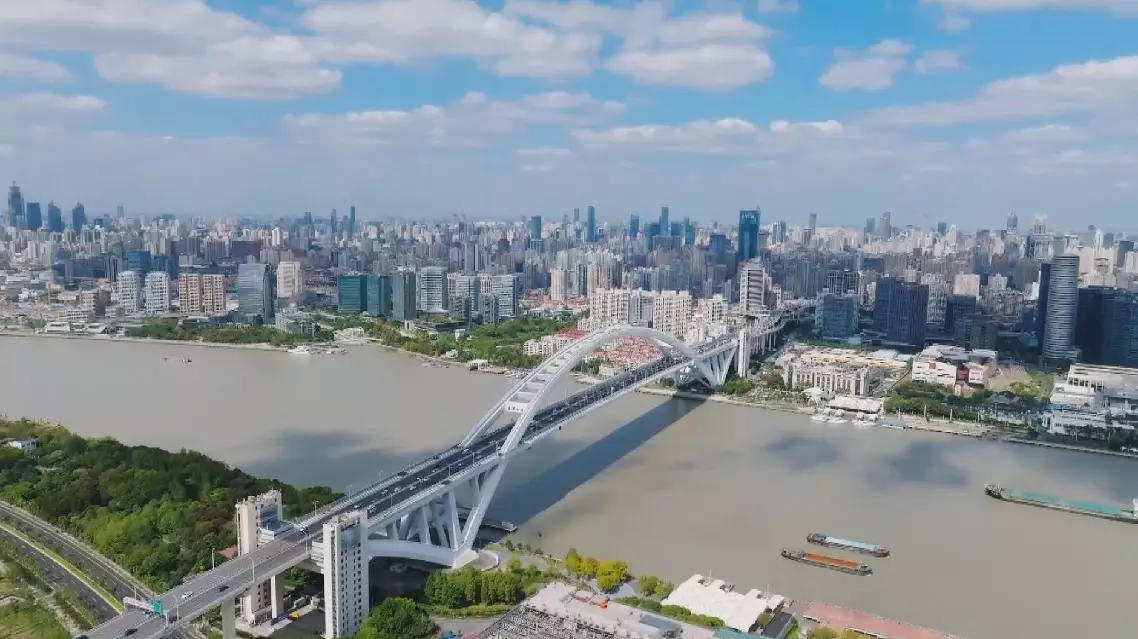
Shanghai strengthens its role as hub for global businesses, capital
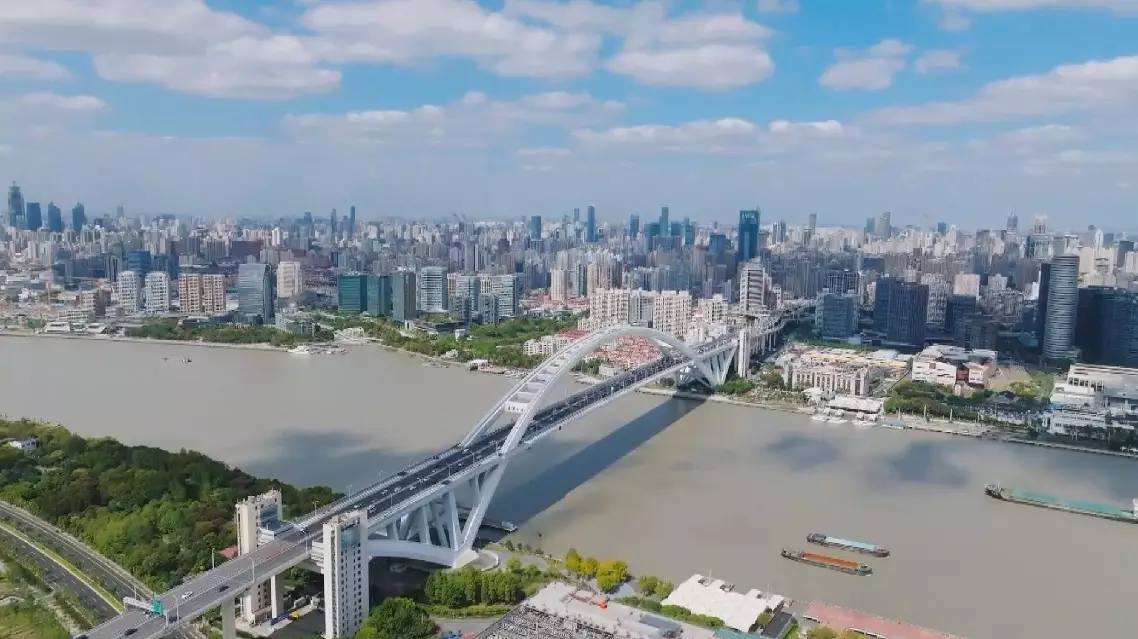
Shanghai strengthens its role as hub for global businesses, capital
A former television host from Taiwan, Zhai Xuan, has made a pivotal decision to leave mainstream broadcasting in order to create content that provides a better understanding of the Chinese mainland and cross-strait relations.
Zhai, a seasoned television host with over a decade of experience in Taiwan's media landscape, recently addressed an audience at an event in Beijing, where she revealed her complete transition into independent online media.
In her remarks, she articulated her aspiration to bridge what she perceives as a significant information gap between audiences on both sides of the Strait, highlighting her commitment to fostering a deeper understanding and connection through her new endeavors.
"I was really surprised by all the fake news. There were stories saying people on the mainland can't afford tea eggs or that they live in mud houses and in Taiwan, this was the main information many people received," said Zhai.
Zhai said she initially began producing online videos to challenge such perceptions while continuing her work as a television host.
In April 2025, she travelled to the mainland with her father to fulfill her late grandfather's wish to return to his hometown. The trip, which reunited family members separated since 1949, was recorded in a video series titled "Journey to Find Our Roots", drawing attention from viewers in both Taiwan and the mainland.
"Many people in Taiwan told me that after watching, they wanted to apply for a mainland travel permit immediately and go looking for their relatives. Some had long forgotten these things, but after seeing my story, they began thinking about their hometowns and family members they had never met and decided to search for their roots," Zhai shared her story at the event.
By mid-2025, Zhai said she began to feel increasing pressure amid rising political tensions and a tightening atmosphere around cross-Strait exchanges in Taiwan.
After more than 12 years in the industry, Zhai resigned from her position, believing it was the right thing to do.
"At that moment, I felt this was a major issue,not just for me, but for Chinese people on both sides of the Strait. If I backed down then, I wouldn’t be standing on the right side," said Zhai.
Since leaving television, Zhai has broadened her online programming to encompass a range of daily-life topics, including practical guidance on applying for a mainland travel permit and using commonly employed mobile applications, in addition to content that delves into historical memory and cultural connections across the Strait.
As the debate over cross-Strait relations continues in Taiwan, Zhai said she remains committed to her current path.

Former Taiwan TV host bridges cross-Strait divide via online media