Children in Gaza are bearing the brunt of an escalating humanitarian catastrophe, with mounting casualties, psychological trauma, and life-threatening shortages of food, water, and shelter, said Tess Ingram, Communication Manager for the UNICEF Middle East and North Africa Regional Office.
In an interview with the China Global Television Network (CGTN), Ingram described the plight as increasingly perilous for children in Gaza, who face not only the threat of air raids, even in the so-called humanitarian zone, but also have to struggle to survive daily amid collapsing infrastructure, as strikes intensify in the Gaza Strip.
"Of course, strikes are intensifying in Gaza City, but they're also still occurring in other parts of the Gaza Strip, where I am in the middle area and in the South. Just two weeks ago, children were killed in the so-called 'humanitarian zone' that families are being directed to go to. These were eight children killed while lining up at a point to collect safe drinking water. So there is no way that we can call this a safe humanitarian zone for families. The other risks that children face are, of course, the humanitarian crisis, not having enough food and dying of starvation, not being able to access safe drinking water and becoming sick from waterborne diseases, not having adequate shelter in, at the moment, very hot weather here in the Gaza Strip," said Ingram.
Beyond physical dangers, children in Gaza also suffered from the deep emotional and psychological trauma, according to the UNICEF official.
"There are so many different ways that a child's life is impacted. And on top of that, of course, their mental health. They're experiencing so much trauma that they wouldn't be a child in the Gaza Strip who hasn't been affected by some level of loss, the loss of their homes, the loss of being at school, the loss of a family member or somebody that they loved. And unfortunately in many cases for these children, a personal loss of injury. I've met far too many children with life-changing injuries here in Gaza," said Ingram.
Describing Gaza as the most dangerous place in the world to be an aid worker, she also said the ongoing conflict has created unprecedented challenges for humanitarian operations, further endangering children who rely on aid for survival.
"This is the most dangerous place in the world to be a humanitarian worker. More than 500 aid workers have been killed since October 2023. We encounter danger that we shouldn't. We run into delays that prevent us from achieving these missions. For example, it's often very difficult for us to simply and quickly collect aid from the crossings where they come in. There are lots of bureaucratic impediments that are put in our way. We often sit for hours at holding points. Fire, gunfire will break out near. This happened to me on Saturday. We were in the area where there was gunfire, while we were trying to collect delivering aid. We need better operating conditions on the ground simply. We need to be able to know that when we are given approval for a mission, that we will be able to carry out that mission with safety for us and safety for the people that we're here to serve," said Ingram.
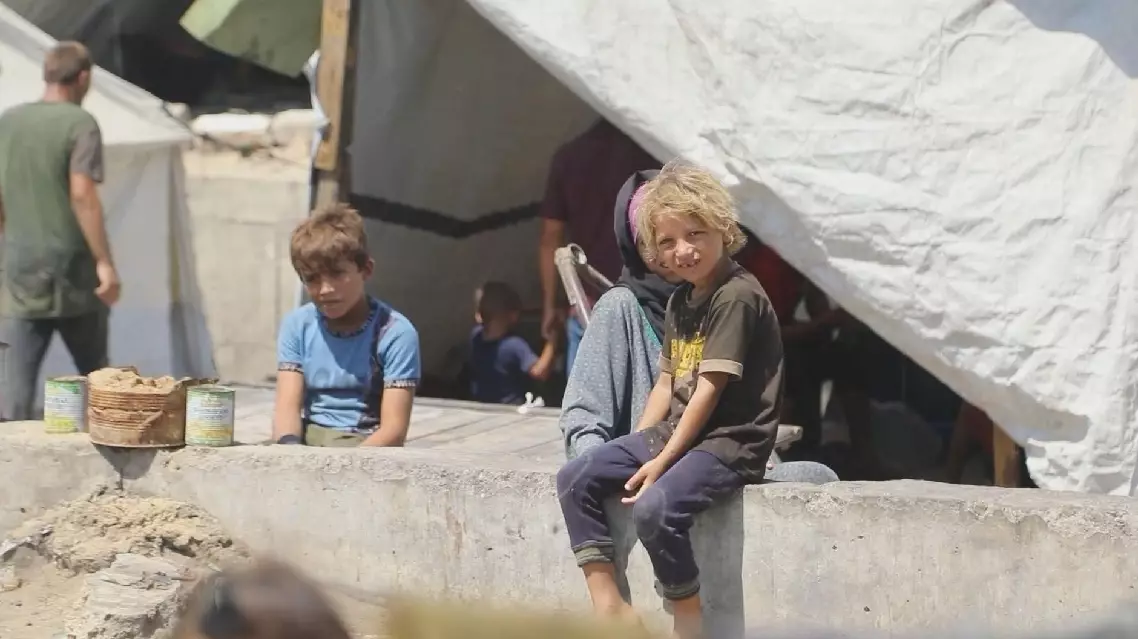
Gaza children face dire conditions amid hunger, trauma: UN official