WASHINGTON (AP) — Even for an agency accustomed to criticism, this summer’s debate over Republicans' big bill of tax breaks and spending cuts was a harsh one for the Congressional Budget Office.
“Notorious for getting it wrong,” was the judgment of Speaker Mike Johnson. “Making the same mistakes,” was the refrain from House Majority Leader Steve Scalise, R-La. President Donald Trump dismissed the CBO as “very hostile.”
Click to Gallery
Phillip Swagel, director of the Congressional Budget Office, speaks during an interview with The Associated Press, Wednesday, Sept. 17, 2025, in Washington. (AP Photo/Alex Brandon)
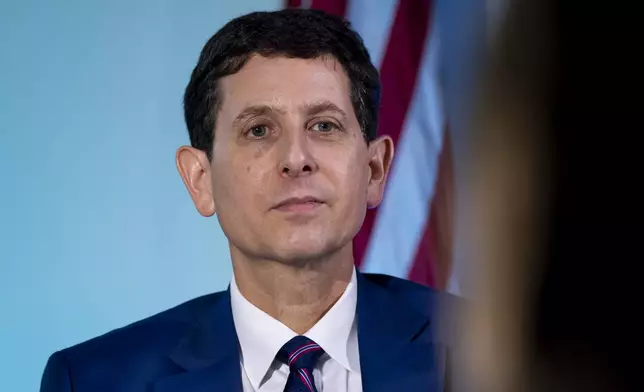
Phillip Swagel, director of the Congressional Budget Office, pauses while speaking during an interview with the Associated Press, Wednesday, Sept. 17, 2025, in Washington. (AP Photo/Alex Brandon)
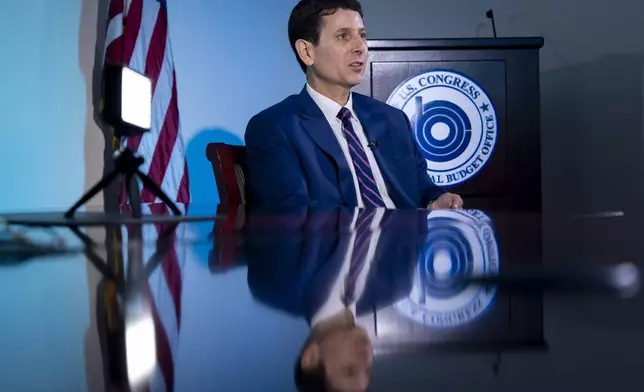
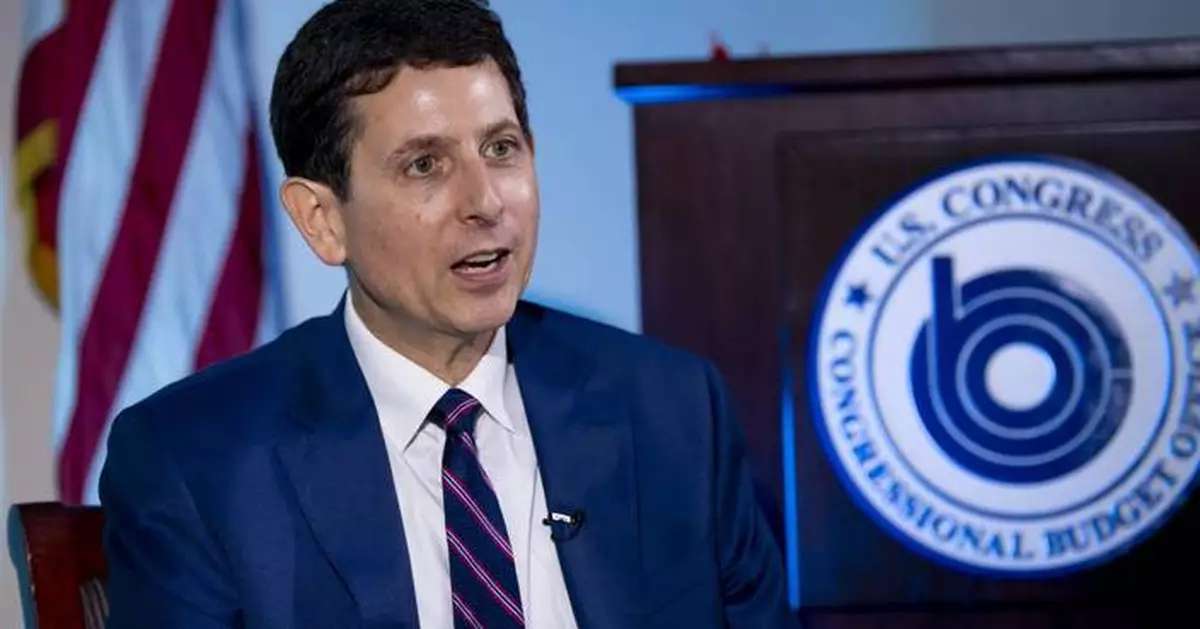
Phillip Swagel, director of the Congressional Budget Office, speaks during an interview with The Associated Press, Wednesday, Sept. 17, 2025, in Washington. (AP Photo/Alex Brandon)
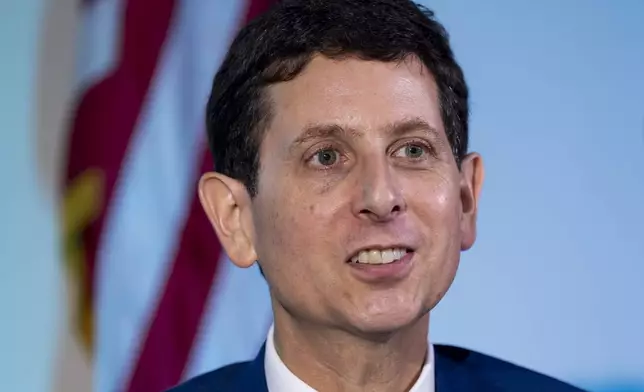
Phillip Swagel, director of the Congressional Budget Office, speaks during an interview with The Associated Press, Wednesday, Sept. 17, 2025, in Washington. (AP Photo/Alex Brandon)
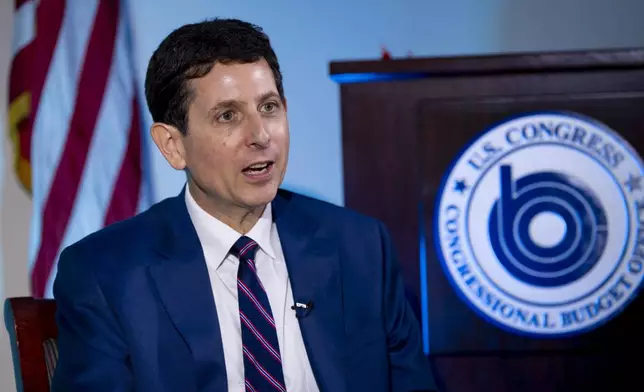
Phillip Swagel, director of the Congressional Budget Office, speaks during an interview with The Associated Press, Wednesday, Sept. 17, 2025, in Washington. (AP Photo/Alex Brandon)
For the CBO's director, Phillip Swagel, the “incoming fire,” as he calls it, is simply part of the job.
“We’re just trying to get it right and inform the Congress and the country,” he said in an interview with The Associated Press. “There’s no agenda here.”
Tasked with producing nonpartisan analysis for Congress, it’s up to Swagel and expert staffers at the CBO to assess the impact of legislation on economic growth and the nation’s finances — producing “scores,” in the parlance of Washington, that often reverberate across the dominant political debates of the day. Both major political parties often dispute the agency’s findings, particularly when their top priorities are at stake.
“Sometimes it’s noise, sometimes it’s not. But we just tune it out. Here we do our work,” Swagel said. “The thing that I do care about a lot is to make sure our work is accurate.”
It’s a low-key approach Swagel has maintained at the CBO since 2019, when congressional leaders appointed him the director after stints in both Republican and Democratic administrations. An economist by trade, Swagel brings an inquisitive and genial approach to the job, his knowledge of government forged by work at the Council of Economic Advisers in the White House, the Treasury Department, the Federal Reserve and the International Monetary Fund.
“The challenge of doing analysis now,” Swagel said, “is the changes we’re seeing in our economy are really large.”
From the Trump administration’s mass deportation plans, to the unprecedented implementation of sweeping tariffs on countries around the world, to massive tax and spending cuts passed into law this summer, assessing the trajectory of the U.S. economy has grown more difficult.
Swagel recently sat down with the AP to talk at length about analyses from his agency, the future of the nation’s entitlement programs and the pressure to remain unbiased when data itself is at risk of being politicized.
Trump's sweeping tariffs plan has posed challenges to the CBO's standard models for assessing trade.
The baseline tariffs on all countries and higher rates on Trump's “worst offenders” list are different from what "we’ve seen in more than 100 years,” Swagel said. It's a dramatic shift away from the low-tariff era that has existed since World War II. "We’re going to be looking carefully to see if those models still apply, or if tariffs that are this large, do those have effects that we just haven’t counted on?” he said.
So far, the CBO estimates the tariffs could reduce the national deficit by $4 trillion over the next decade, helping to offset the deficit increases it projects will result from the Republicans’ big bill passed this year. “It’s a huge impact,” Swagel said.
The CBO also anticipates Trump's tariffs will cause roughly two years of elevated inflation, Swagel said, causing price increases for businesses and customers. But he says those effects will be temporary.
“As the tariffs go up and the prices go up with the tariffs, inflation will be higher, but then prices will get to a higher level and be stable," he said. "And then the inflationary impact will subside."
Swagel said there are “pros and cons” when assessing how immigration affects the economy.
“Immigrants have added to our labor force, and that has meant higher GDP. It’s meant more revenue and a lower deficit,” Swagel said. “But, of course, there’s lots of issues related to immigration,” notably that “more immigrants put more fiscal pressure on state and local governments — on schools, on police, on health care systems and other things.”
“So, for the federal government, immigration is a fiscal positive," he said, "but for state and local governments, it’s the opposite.”
Trump’s tax and spending law signed in July will result in roughly 320,000 people being removed from the United States over the next 10 years, the CBO said in a recent report. It also projected the U.S. population will grow more slowly than previously expected.
That law includes roughly $150 billion to ramp up deportations over the next four years.
Swagel says it's not his place to say how immigration laws should be crafted.
“Our role is just to say what the budget impact is," he said. “It’s for the political system to figure out, ‘Well, what’s the right choices to make for the country?'"
Swagel said U.S. entitlement programs “are all part of a challenging fiscal trajectory” for the country. But the greatest obstacle to doing something about it, he said, is that “the decisions don’t need to be made right away.”
The go-broke dates for Medicare and Social Security are now 2033 and 2034, respectively. On those dates, Medicare’s Hospital Insurance Trust Fund and Social Security’s trust funds. which cover old age and disability recipients, will no longer be able to pay out full benefits, according to the latest report from the programs’ trustees.
While fast approaching, the insolvency dates are a lifetime away for lawmakers always inclined to kick the can down the road on big fiscal decisions.
“We have a stable economy, an economy that’s growing," Swagel said. "We’ve seen a slowing economy in the second half of 2025, but the economy is still growing and still creating jobs. And so there’s not a crisis.”
“Difficult decisions need to be made,” he said.
The CBO has faced more aggressive attacks on its analyses during Trump's second term, often amplified by his fellow Republicans in Congress. Earlier this year, Trump called the CBO a “very hostile” organization.
Swagel downplayed the tension, saying that “our working relationship with the executive branch is smooth and routine, that when we evaluate legislation, every piece of legislation results in a phone call to some executive branch agency.”
“There is this incoming fire on the CBO,” which Swagel says is part of the political process. “I understand that sometimes that kind of criticism might be helpful in the eyes of the people making it in their political endeavors."
Unlike many other roles in government, the CBO director cannot be fired by the president — the person can be removed only by Congress.
Swagel said the work out of his office is as crucial as ever.
“It’s important for the country to have a group of analysts who don’t have an opinion — who are just saying, ‘Here’s the facts,’” he said.
“We’re not telling Congress what to do," Swagel said. "We’re not saying if something is good or bad. We’re just saying, ‘Here’s what it costs, here’s what it does.’ And that’s our role.”
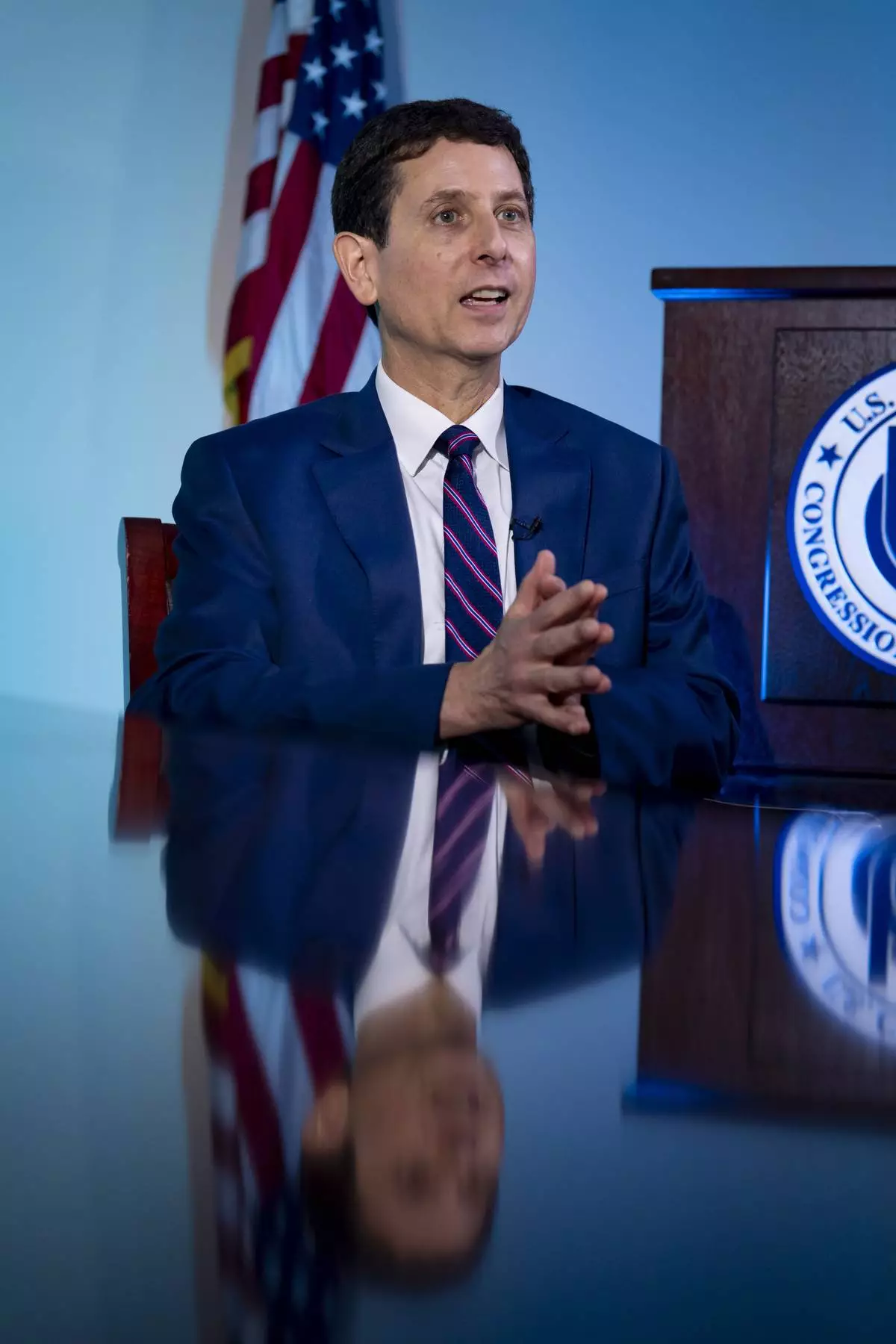
Phillip Swagel, director of the Congressional Budget Office, speaks during an interview with The Associated Press, Wednesday, Sept. 17, 2025, in Washington. (AP Photo/Alex Brandon)
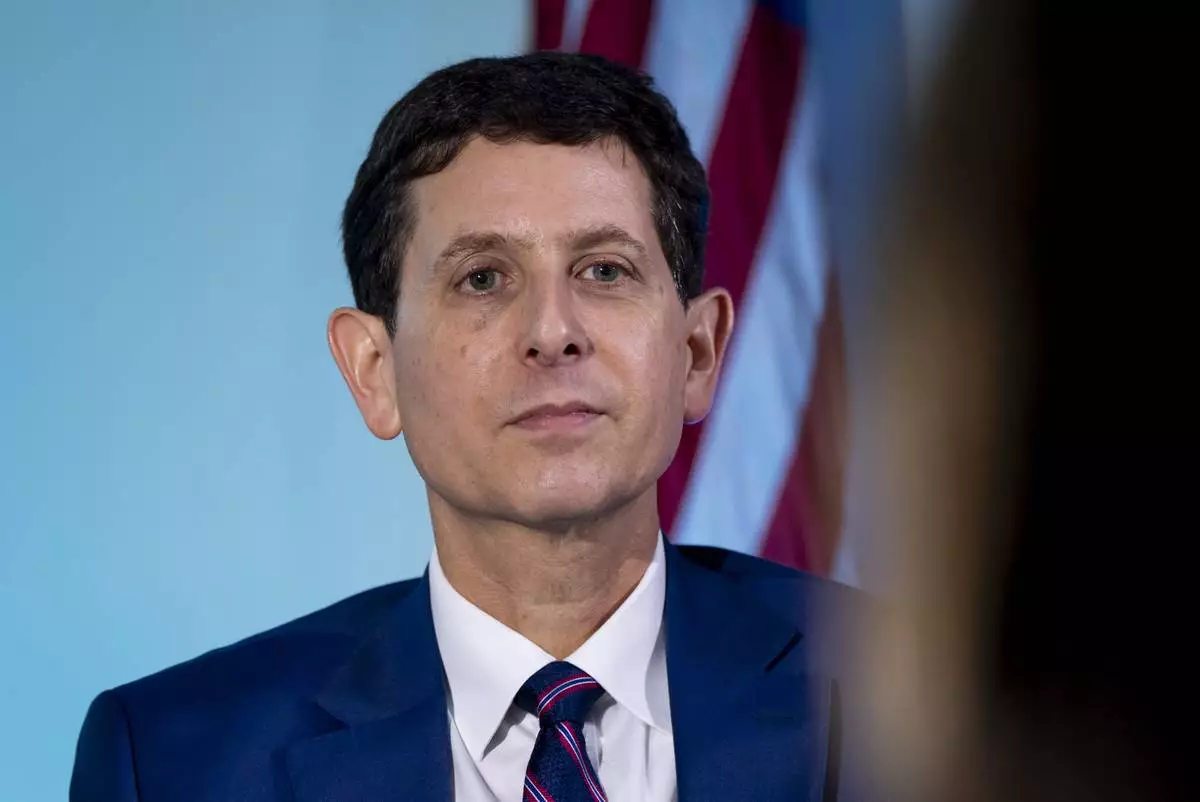
Phillip Swagel, director of the Congressional Budget Office, pauses while speaking during an interview with the Associated Press, Wednesday, Sept. 17, 2025, in Washington. (AP Photo/Alex Brandon)
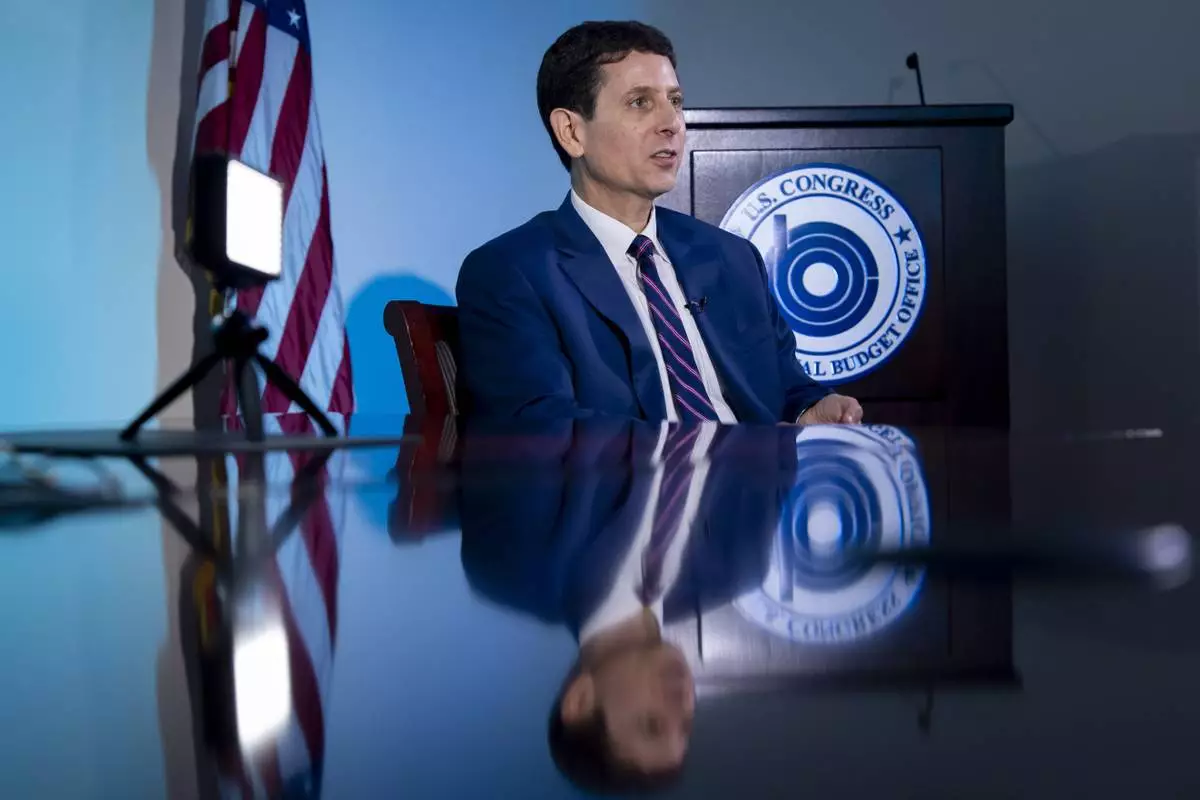
Phillip Swagel, director of the Congressional Budget Office, speaks during an interview with The Associated Press, Wednesday, Sept. 17, 2025, in Washington. (AP Photo/Alex Brandon)
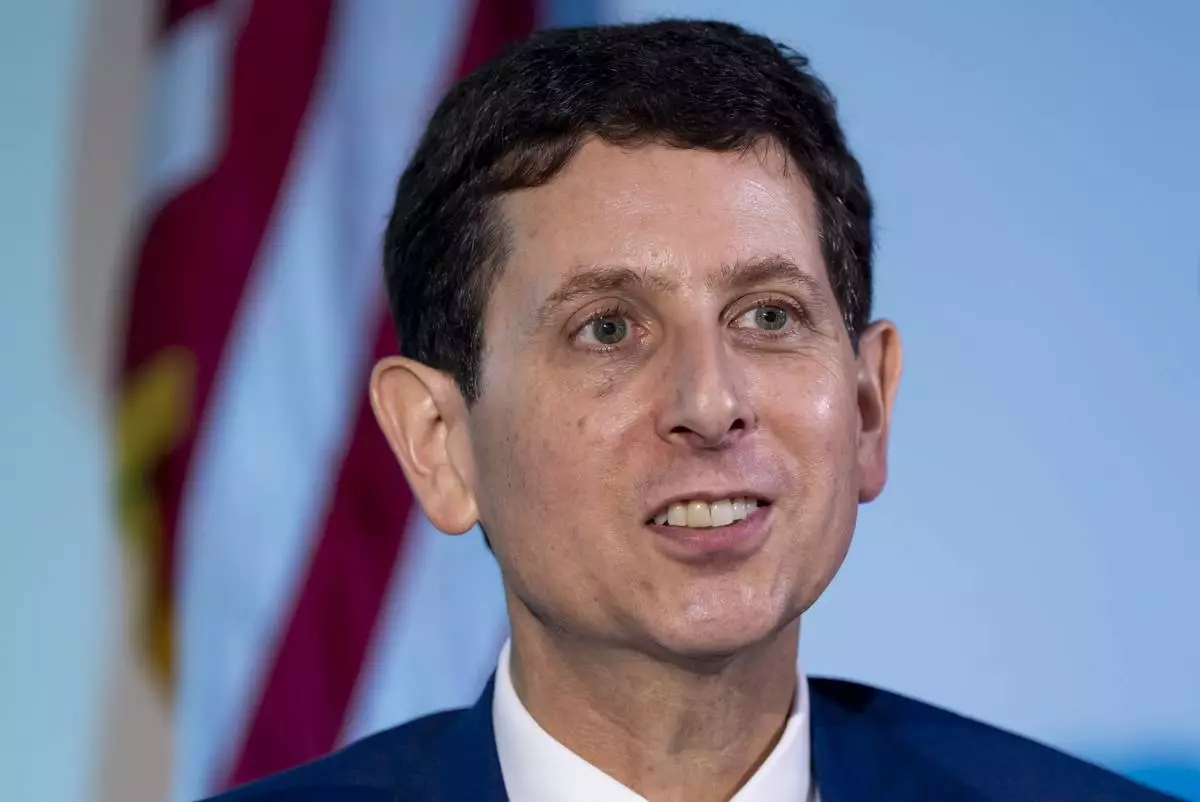
Phillip Swagel, director of the Congressional Budget Office, speaks during an interview with The Associated Press, Wednesday, Sept. 17, 2025, in Washington. (AP Photo/Alex Brandon)
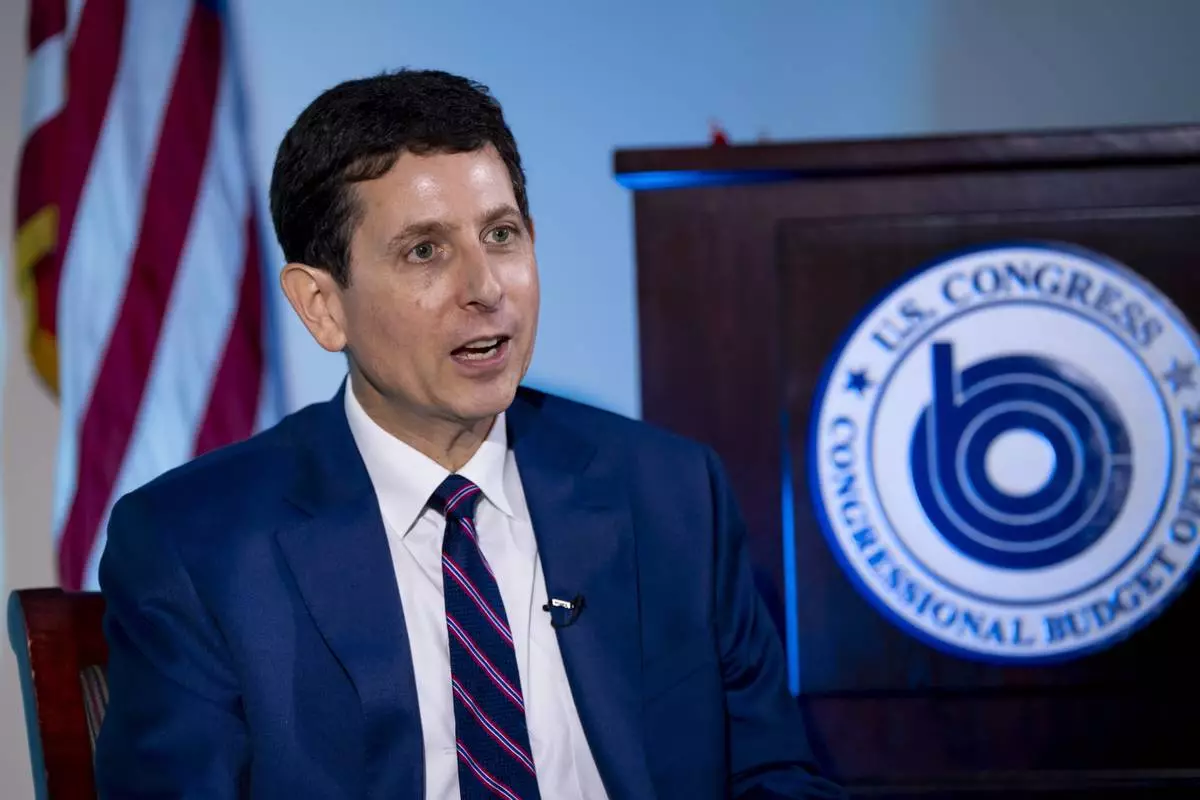
Phillip Swagel, director of the Congressional Budget Office, speaks during an interview with The Associated Press, Wednesday, Sept. 17, 2025, in Washington. (AP Photo/Alex Brandon)