HOLLY RIDGE, La. (AP) — In a rural corner of Louisiana, Meta is building one of the world's largest data centers, a $10 billion behemoth as big as 70 football fields that will consume more power in a day than the entire city of New Orleans at the peak of summer.
While the colossal project is impossible to miss in Richland Parish, a farming community of 20,000 residents, not everything is visible, including how much the social media giant will pay toward the more than $3 billion in new electricity infrastructure needed to power the facility.
Click to Gallery
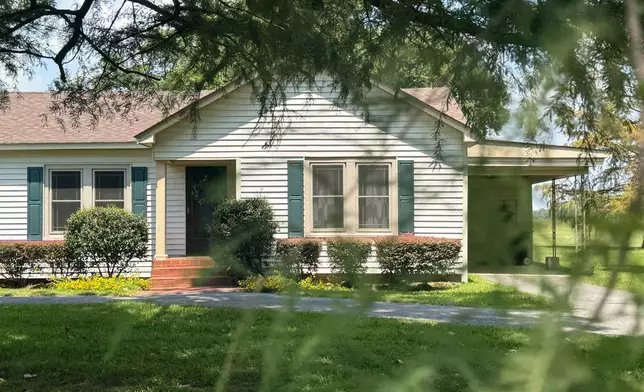
The McCartney family's home is seen in Holly Ridge, La., Monday, Aug. 18, 2025. (AP Photo/Sophie Bates)

Buddy McCartney watches hundreds of trucks pass by his home in Holly Ridge, La., on their way to what will become Meta's largest data center, Monday, Aug. 18, 2025. (AP Photo/Sophie Bates)
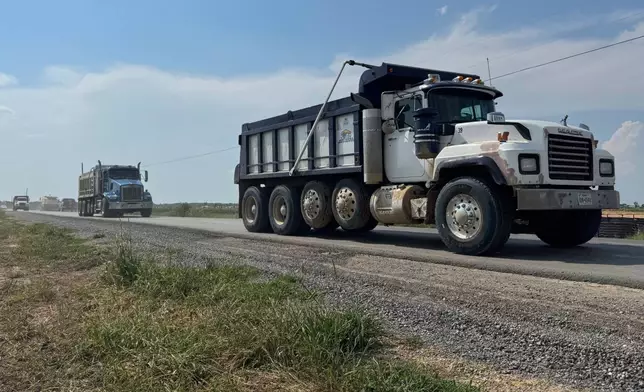
Trucks pass by the site of Meta's Richland Parish Data Center in Holly Ridge, La., Monday, Aug. 18, 2025. (AP Photo/Sophie Bates)
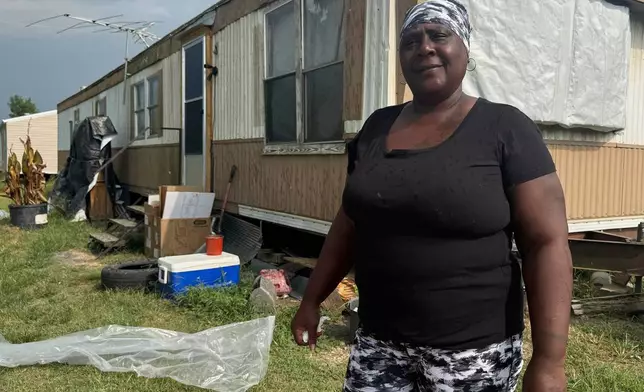
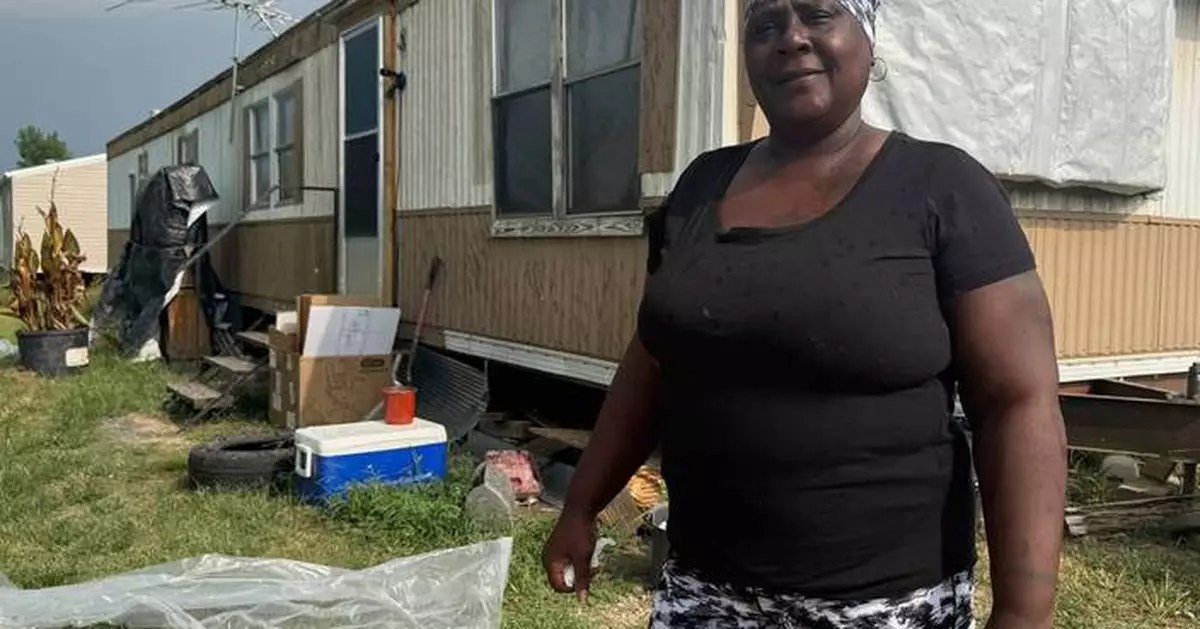
Kathy Lampley stands in front of her trailer in Delhi, La., Monday, Aug. 18, 2025. (AP Photo/Sophie Bates)
Watchdogs have warned that in the rush to capitalize on the AI-driven data center boom, some states are allowing massive tech companies to direct expensive infrastructure projects with limited oversight.
Mississippi lawmakers allowed Amazon to bypass regulatory approval for energy infrastructure to serve two data centers it is spending $10 billion to build. In Indiana, a utility is proposing a data center-focused subsidiary that operates outside normal state regulations. And while Louisiana says it has added consumer safeguards, it lags behind other states in its efforts to insulate regular power consumers from data center-related costs.
Mandy DeRoche, an attorney for the environmental advocacy group Earthjustice, says there is less transparency due to confidentiality agreements and rushed approvals.
“You can’t follow the facts, you can’t follow the benefits or the negative impacts that could come to the service area or to the community,” DeRoche said.
Under contract with Meta, power company Entergy agreed to build three gas-powered plants that would produce 2,262 megawatts — equivalent to a fifth of Entergy's current power supply in Louisiana. The Public Service Commission approved Meta’s infrastructure plan in August after Entergy agreed to bolster protections to prevent a spike in residential rates.
Nonetheless, nondisclosure agreements conceal how much Meta will pay.
Consumer advocates tried but failed to compel Meta to provide sworn testimony, submit to discovery and face cross-examination during a regulatory review. Regulators reviewed Meta’s contract with Entergy, but were barred from revealing details.
Meta did not address AP’s questions about transparency, while Louisiana's economic development agency and Entergy say nondisclosure agreements are standard to protect sensitive commercial data.
Davante Lewis — the only one of five public service commissioners to vote against the plan — said he's still unclear how much electricity the center will use, if gas-powered plants are the most economical option nor if it will create the promised 500 jobs.
“There’s certain information we should know and need to know but don’t have,” Lewis said.
Additionally, Meta is exempt from paying sales tax under a 2024 Louisiana law that the state acknowledges could lead to “tens of millions of dollars or more each year” in lost revenue.
Meta has agreed to fund about half the cost of building the power plants over 15 years, including cost overruns, but not maintenance and operation, said Logan Burke, executive director of the Alliance for Affordable Energy, a consumer advocacy group.
Public Service Commission Jean-Paul Coussan insists there will be “very little” impact on ratepayers.
But watchdogs warn Meta could pull out of or not renew its contract, leaving the public to pay for the power plants over the rest of their 30-year life span, and all grid users are expected to help pay for the $550 million transmission line serving Meta’s facility.
Ari Peskoe, director of Harvard University’s Electricity Law Initiative, said tech companies should be required to pay “every penny so the public is not left holding the bag.”
Elsewhere, tech companies are not being given such leeway. More than a dozen states have taken steps to protect households and business ratepayers from paying for rising electricity costs tied to energy-hungry data centers.
Pennsylvania’s utilities commission is drafting a model rate structure to insulate customers from rising costs related to data centers. New Jersey’s utilities regulators are studying whether data centers cause “unreasonable” cost increases for other users. Oregon passed legislation this year ordering utilities regulators to develop new, and likely higher, power rates for data centers.
And in June, Texas implemented what it calls a ‘kill switch’ law empowering grid operators to order data centers to reduce their electrical load during emergencies.
Some Richland Parish residents fear a boom-and-bust cycle once construction ends. Others expect a boost in school and health care funding. Meta said it plans to invest in 1,500 megawatts of renewable energy in Louisiana and $200 million in water and road infrastructure in Richland Parish.
“We don’t come from a wealthy parish and the money is much needed,” said Trae Banks, who runs a drywall business that has tripled in size since Meta arrived.
In the nearby town of Delhi, Mayor Jesse Washington believes the data center will eventually have a positive impact on his community of 2,600.
But for now, the construction traffic frustrates residents and property prices are skyrocketing as developers try to house thousands of construction workers. More than a dozen low-income families were evicted from a trailer park whose owners are building housing for incoming Meta workers, Washington says.
“We have a lot of concerned people — they’ve put hardship on a lot of people in certain areas here," the mayor said. “I just want to see people from Delhi benefit from this.”
Brook reported from New Orleans.
Brook is a corps member for The Associated Press/Report for America Statehouse News Initiative. Report for America is a nonprofit national service program that places journalists in local newsrooms to report on undercovered issues.
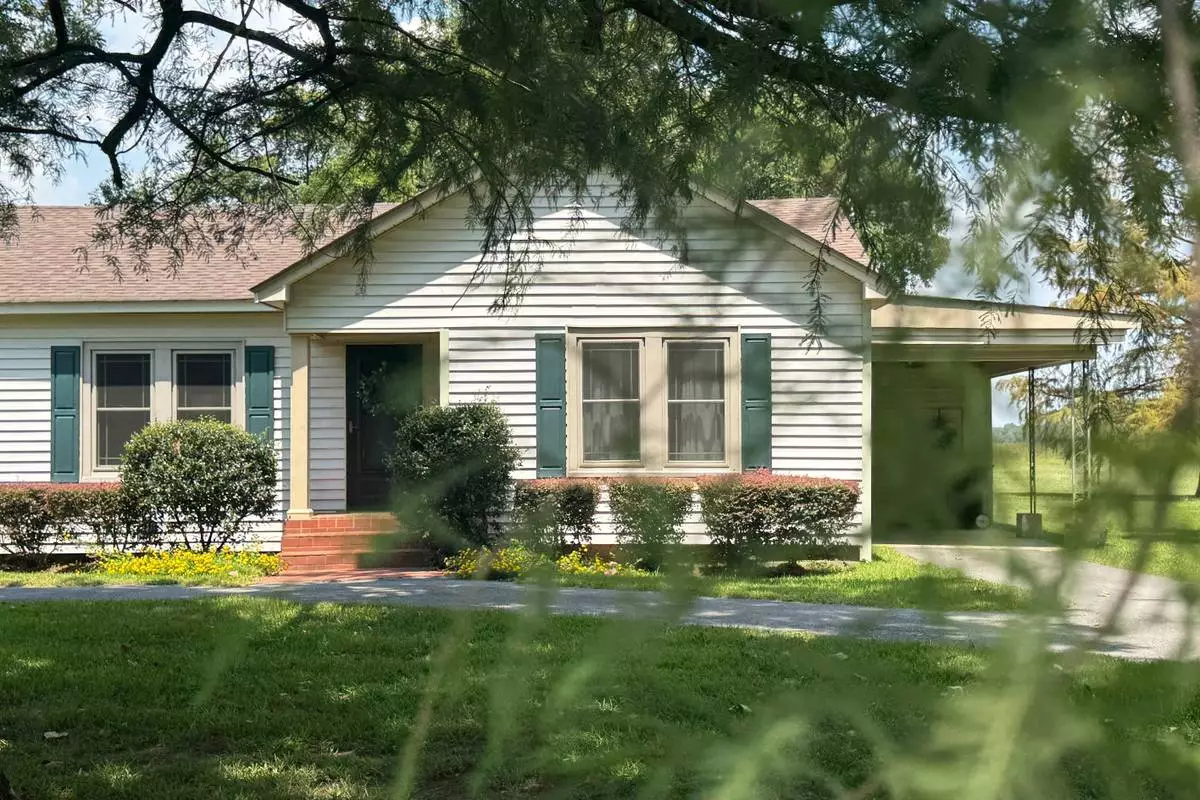
The McCartney family's home is seen in Holly Ridge, La., Monday, Aug. 18, 2025. (AP Photo/Sophie Bates)

Buddy McCartney watches hundreds of trucks pass by his home in Holly Ridge, La., on their way to what will become Meta's largest data center, Monday, Aug. 18, 2025. (AP Photo/Sophie Bates)
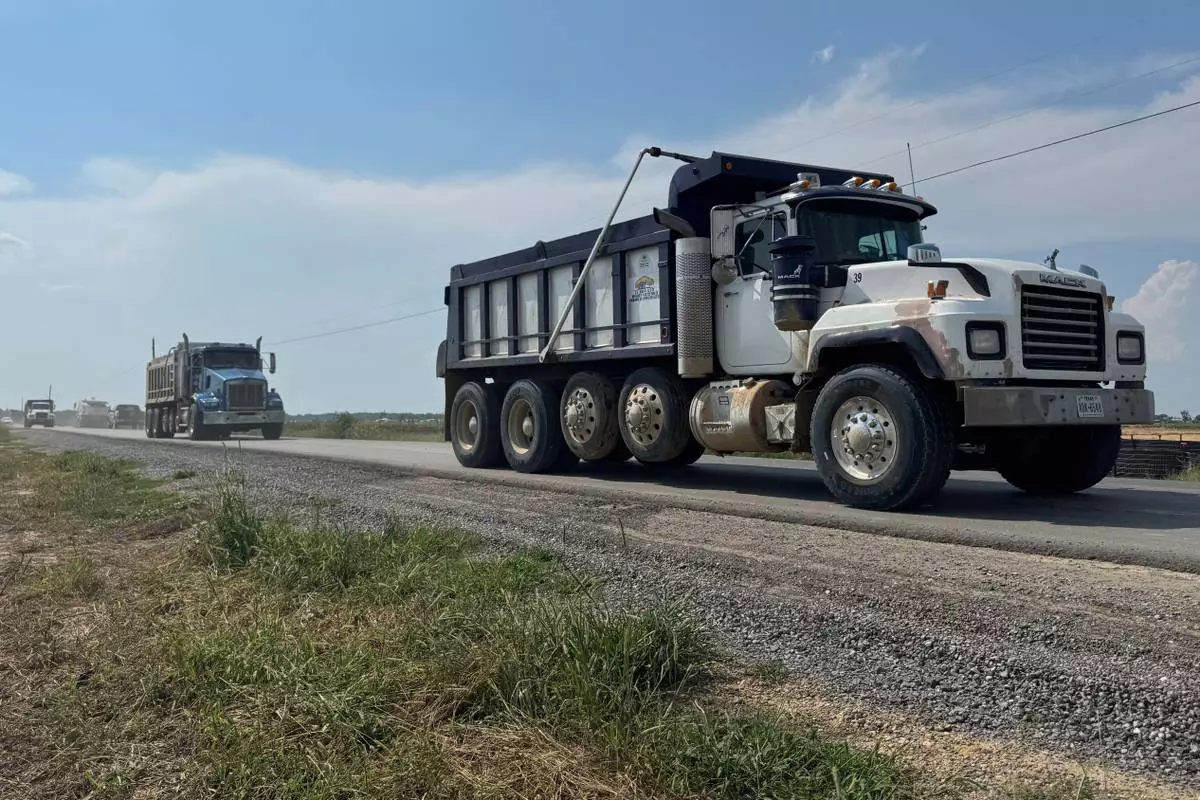
Trucks pass by the site of Meta's Richland Parish Data Center in Holly Ridge, La., Monday, Aug. 18, 2025. (AP Photo/Sophie Bates)
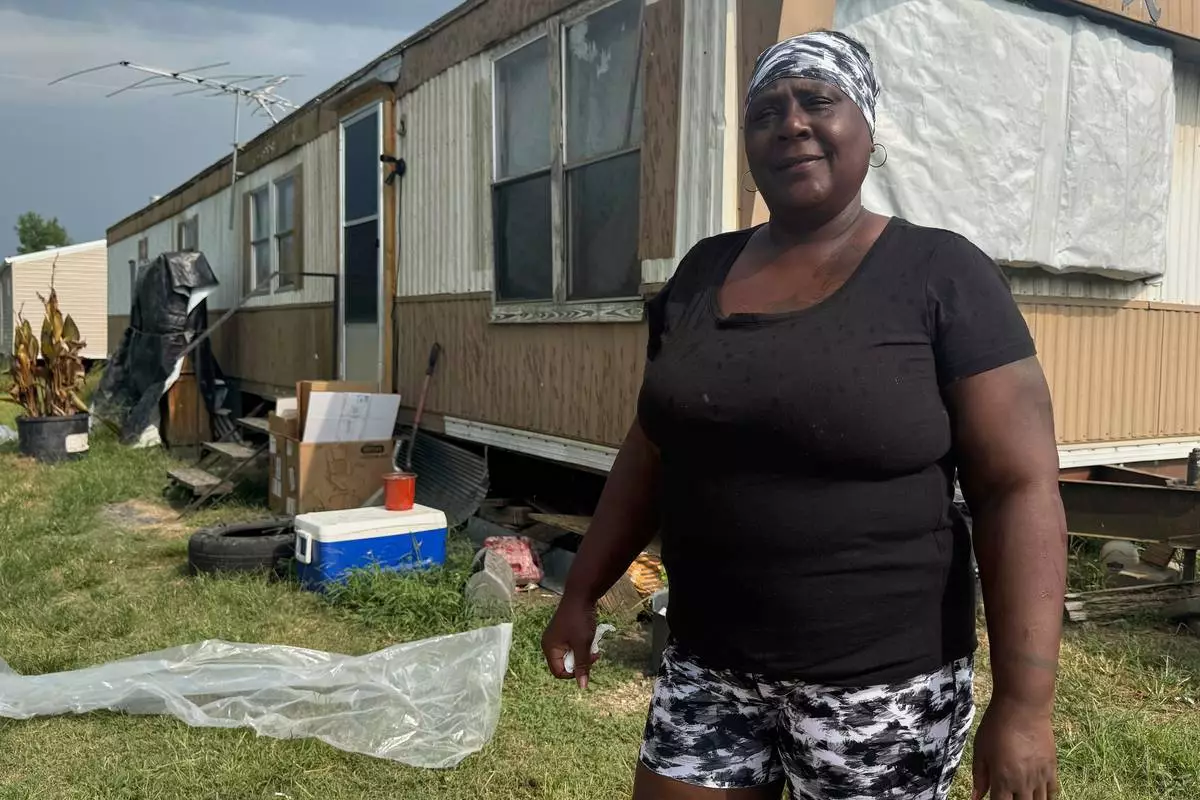
Kathy Lampley stands in front of her trailer in Delhi, La., Monday, Aug. 18, 2025. (AP Photo/Sophie Bates)