On the second day of the “Hong Kong Media Sichuan-Chongqing Tour: Tale of Two Thriving Cities,” a group of about 30 Hong Kong journalists visited the Chengdu Research Base of Giant Panda Breeding. As China promotes cultural and tourism development nationwide, this renowned attraction is innovating in exhibitions, activities, and outreach to sustain its appeal. This year, the base welcomed 6.23 million visitors, with overseas tourists surging over 50% compared to last year, signaling that “panda fever” is heating up both domestically and internationally.
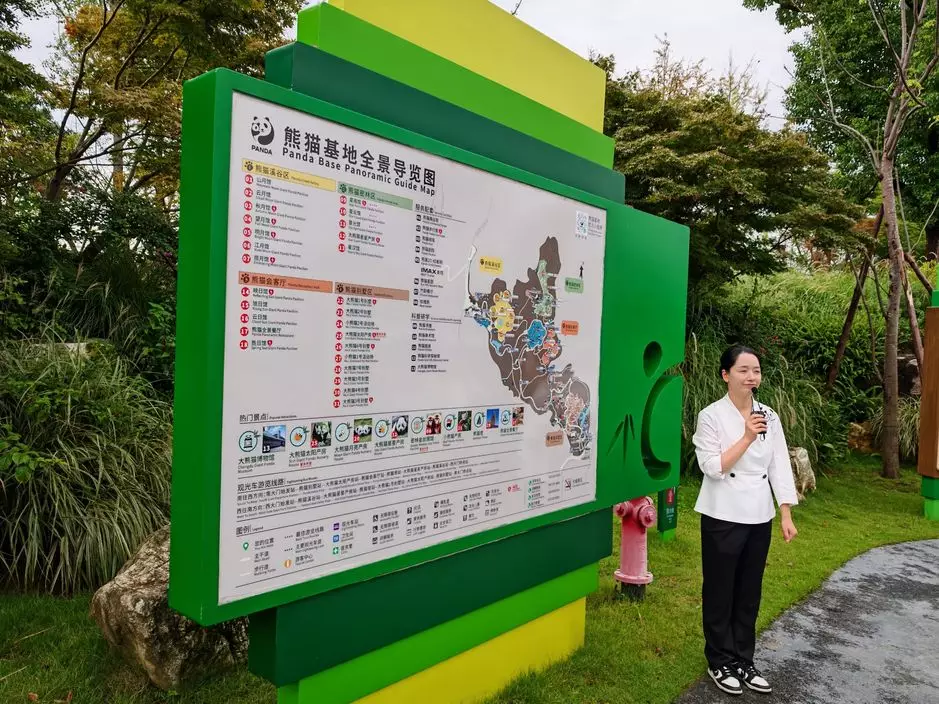
As a renowned tourist attraction, the Chengdu Panda Base innovates in exhibitions, activities, and outreach to maintain its appeal. Photo by Bastille Post.
The Chengdu Panda Base has drawn 6.23 million visitors in 2025 so far, with foreign tourists making up 4%, including over 1,300 from Hong Kong. Since visa-free policies for foreign visitors began, the base saw a 183.81% increase in overseas visitors in 2024 compared to 2023, and a 57.21% rise in 2025 over 2024. The base frequently hosts international tourists, including Southeast Asian tour groups.
Click to Gallery
As a renowned tourist attraction, the Chengdu Panda Base innovates in exhibitions, activities, and outreach to maintain its appeal. Photo by Bastille Post.

This year, the base has welcomed 6.23 million visitors so far. Photo by Bastille Post.
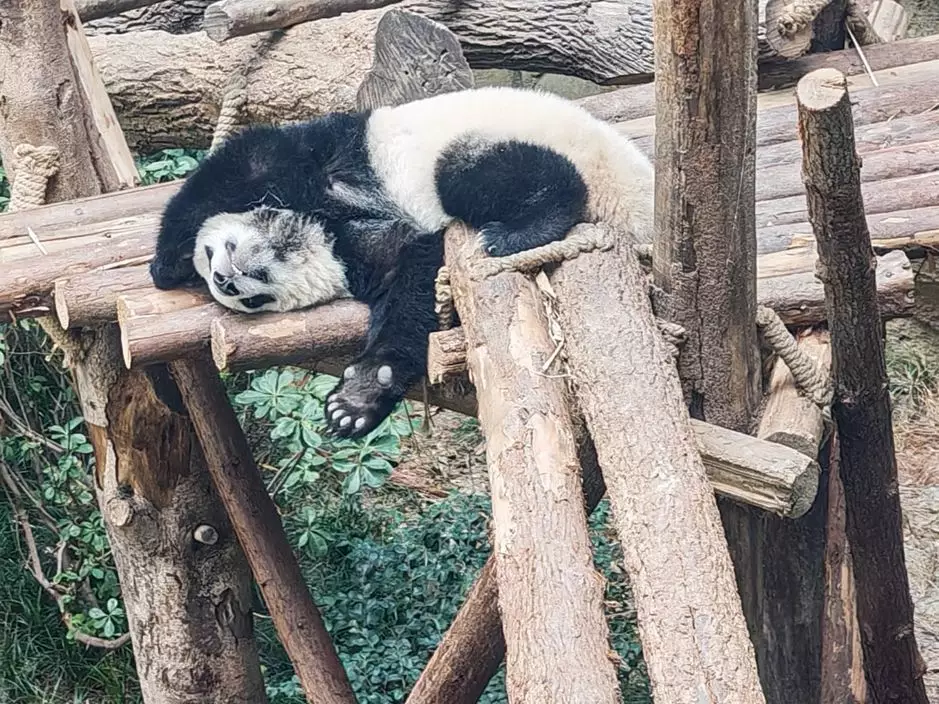
Photo by Bastille Post.

A first-time Romanian visitor to China described the base tour as an exciting experience. Photo by Bastille Post.

An Australian visitor recalled owning a panda plush toy as a child, fostering a special connection and lasting fascination with pandas. Photo by Bastille Post.

Photo by Bastille Post.
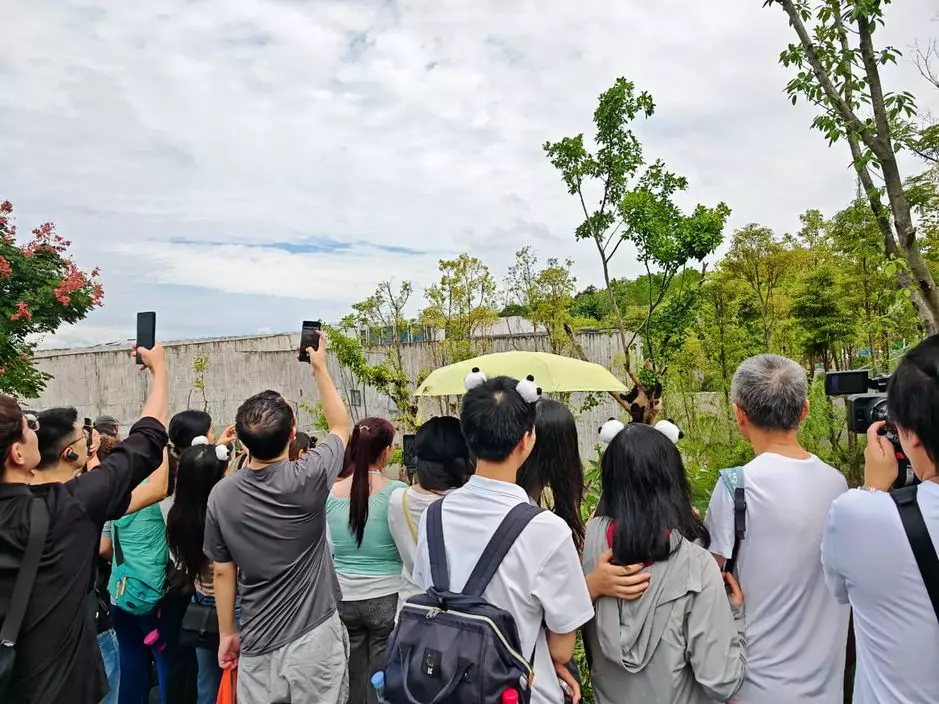
Overseas visitors have surged by over 50% compared to last year. Photo by Bastille Post.
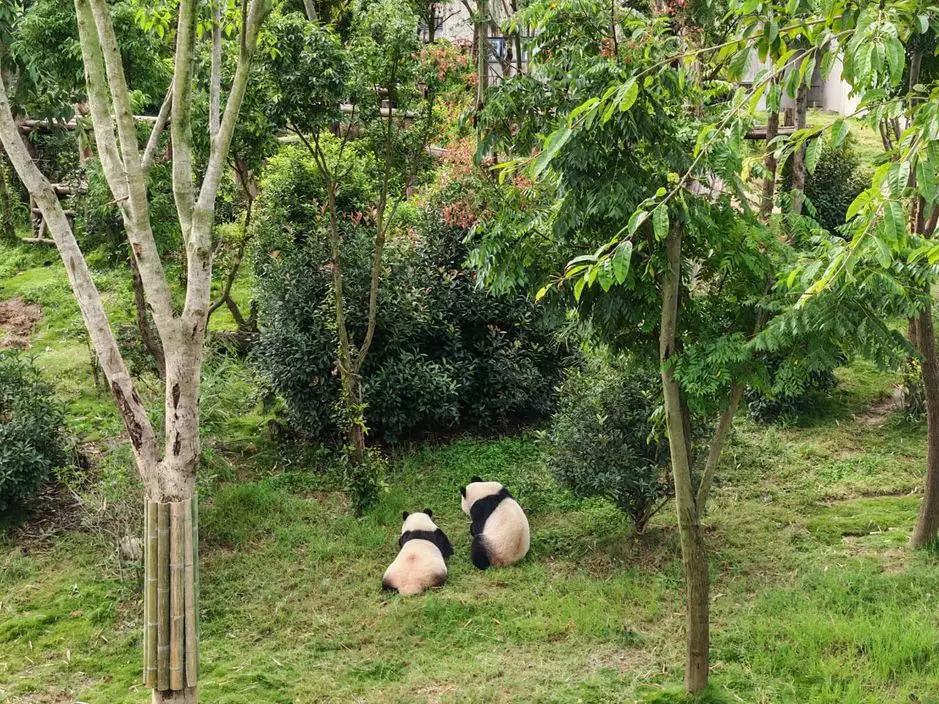
Photo by Bastille Post.
Photo by Bastille Post.
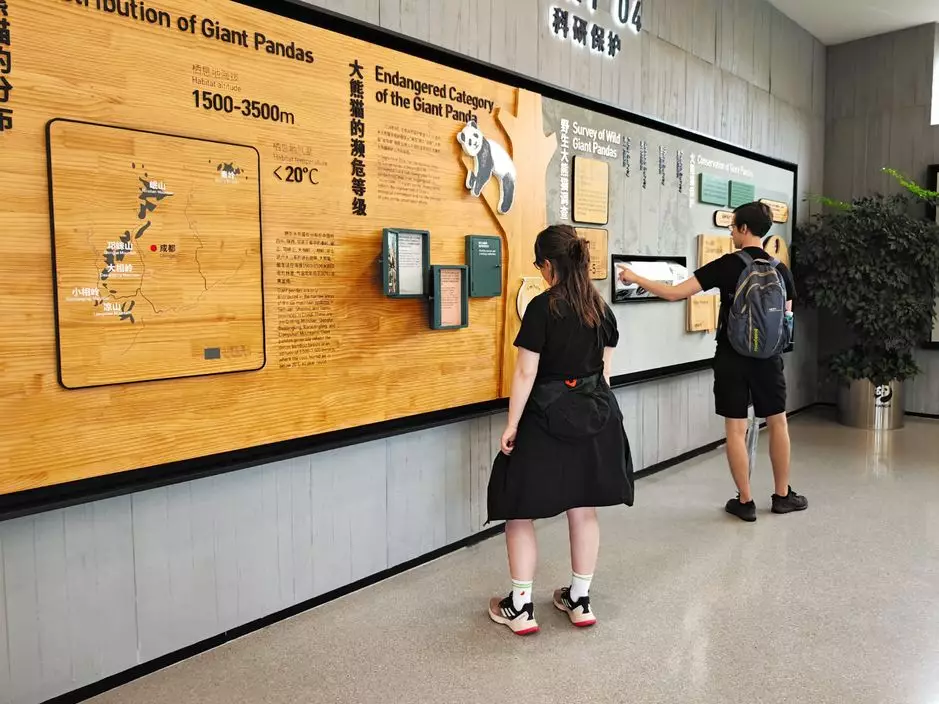
The base enhances exhibitions with immersive tours, interactive experiences, and recreated habitats to build a science education system. Photo by Bastille Post.
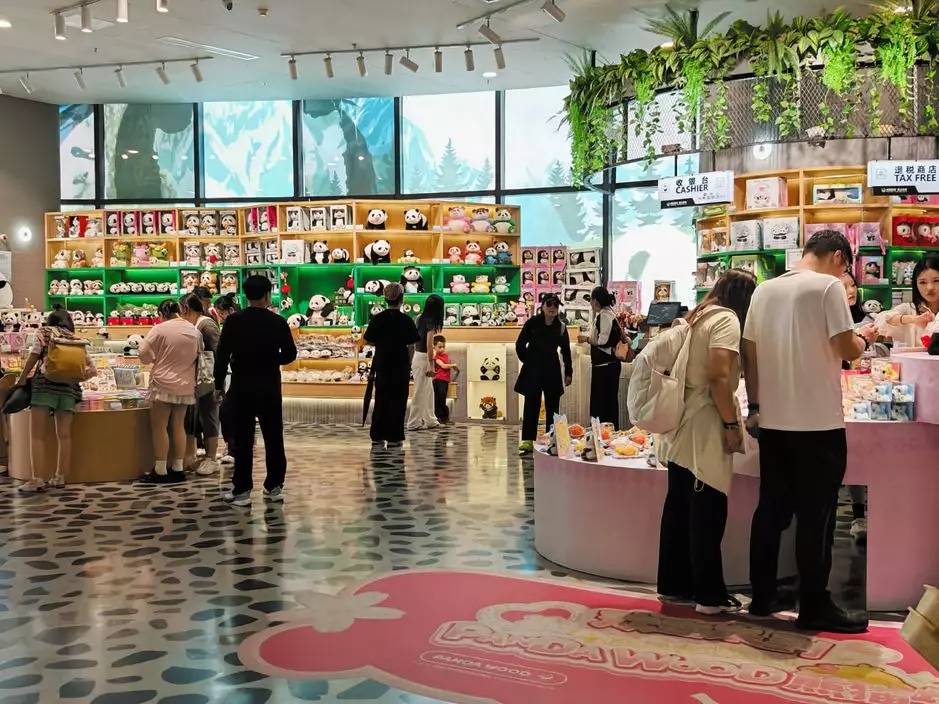
Gift shops at the base offer panda-themed souvenirs for visitors. Photo by Bastille Post.
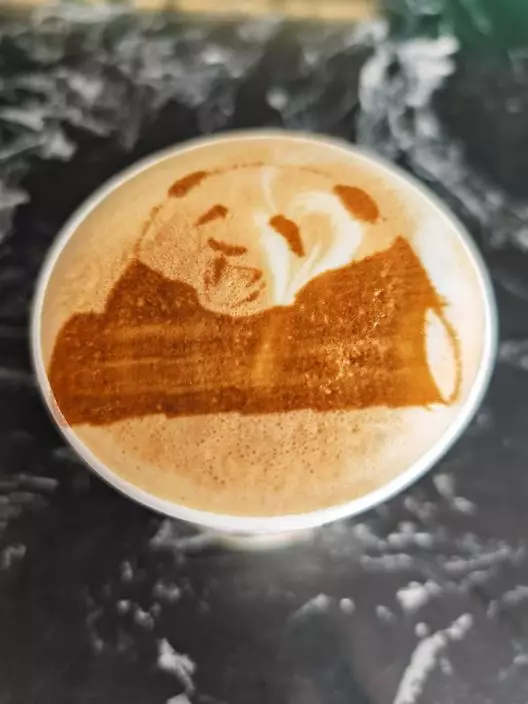
Visitors can enjoy cute panda-shaped latte art drinks. Photo by Bastille Post.
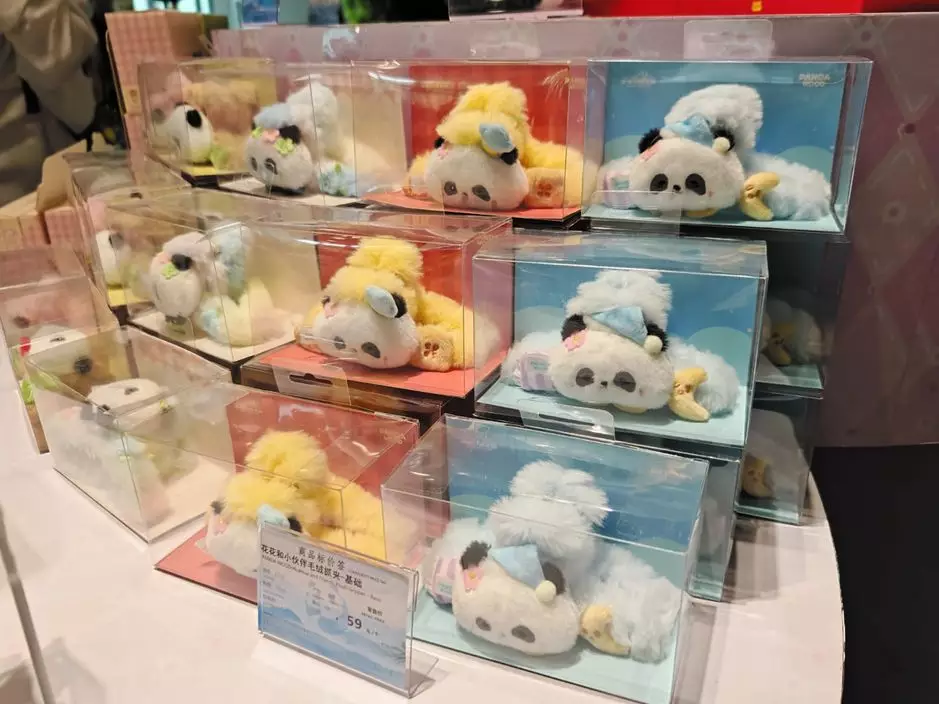
The base provides gift shops for purchasing panda souvenirs. Photo by Bastille Post.
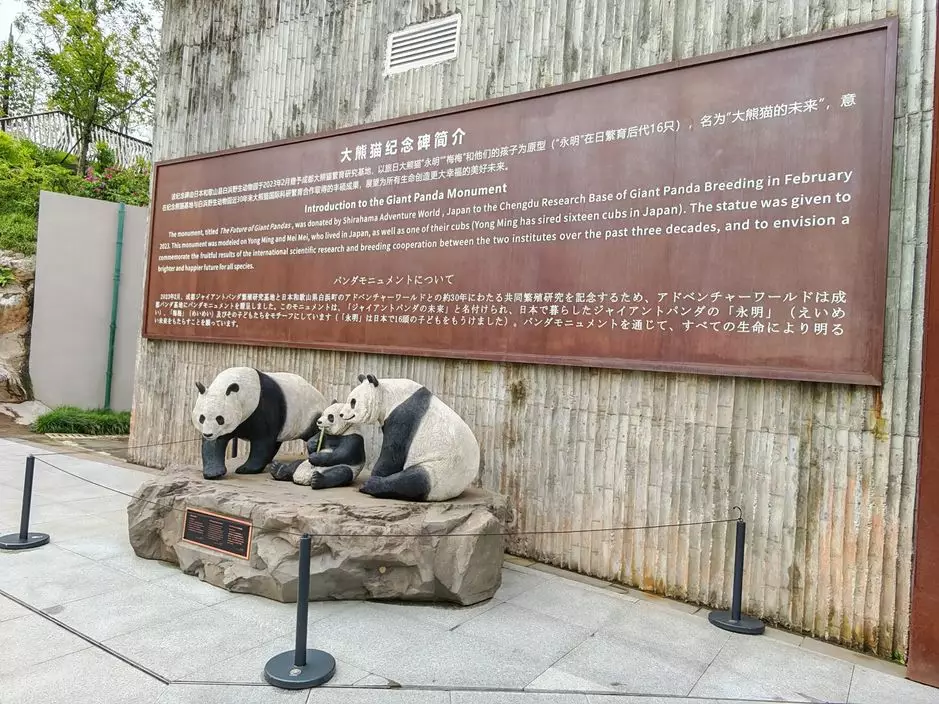
For convenient ticketing, the base uses a real-name system; Hong Kong visitors can buy tickets online with documents like the Mainland Travel Permit, Hong Kong ID, Re-entry Permit, residence permit, or passport. Photo by Bastille Post.
This year, the base has welcomed 6.23 million visitors so far. Photo by Bastille Post.
Photo by Bastille Post.
A first-time Romanian visitor to China described the base tour as an exciting experience. Photo by Bastille Post.
A first-time visitor from Romania described the experience as “incredibly exciting,” praising the adorable pandas and pleasant local weather. As a blogger, he plans to share videos and images showcasing Chengdu’s wonders with his followers. Having seen pandas in zoos in London and Berlin, where only a few were confined in enclosures, he found it thrilling to see so many pandas in a large, dedicated base. He also hopes to spot a particularly popular panda during further exploration.
An Australian visitor recalled owning a panda plush toy as a child, fostering a special connection and lasting fascination with pandas. Photo by Bastille Post.
An Australian tourist called it a rare chance to observe pandas up close in a natural setting. Recalling a childhood panda plush toy, he feels a special connection and lifelong fascination with pandas. He noted China’s loan of two pandas to Adelaide Zoo in Australia turned it into a tourism hotspot, drawing countless visitors, and hopes such exchanges strengthen bilateral friendship. He plans to invite friends to Chengdu to see pandas and enjoy a drink together.
Photo by Bastille Post.
With the National Day Golden Week approaching, the base expects visitor numbers similar to last year’s 400,000, averaging 57,000 daily. To manage crowds, the base caps daily visitors at 80,000, with separate morning and afternoon tickets, and enhances signage, guidance, and crowd control for quick entry and orderly visits.
Overseas visitors have surged by over 50% compared to last year. Photo by Bastille Post.
Photo by Bastille Post.
Photo by Bastille Post.
To enrich visitor experiences, the base uses immersive exhibits, interactive experiences, and recreated habitats to build a science education system, creating the world’s first panda-themed interactive museum. Along visitor routes, it has developed educational scenes covering pandas, golden monkeys, birds, bamboo, and insects.
The base enhances exhibitions with immersive tours, interactive experiences, and recreated habitats to build a science education system. Photo by Bastille Post.
The base offers diverse, engaging science education activities, including nine themed research courses and nine branded science programs, promoting biodiversity conservation knowledge centered on pandas. These activities remain free, encouraging broad participation.
Gift shops at the base offer panda-themed souvenirs for visitors. Photo by Bastille Post.
Visitors can enjoy cute panda-shaped latte art drinks. Photo by Bastille Post.
Additionally, themed around biodiversity, the base produces science books and films, blending online and offline outreach to vividly spread conservation messages, extending educational impact.
The base provides gift shops for purchasing panda souvenirs. Photo by Bastille Post.
For convenient ticketing, the base uses a real-name system; Hong Kong visitors can buy tickets online with documents like the Mainland Travel Permit, Hong Kong ID, Re-entry Permit, residence permit, or passport. Photo by Bastille Post.