WASHINGTON (AP) — U.S. consumer confidence declined again in September as Americans’ pessimism over inflation and the weakening job market continued to grow.
The Conference Board said Tuesday that its consumer confidence index fell by 3.6 points to 94.2 in September, down from August’s 97.8. That’s a bigger drop than analysts were expecting and the lowest reading since April, when President Donald Trump rolled out his sweeping tariff policy.
A measure of Americans’ short-term expectations for their income, business conditions and the job market fell to 73.4, remaining well below 80, the marker that can signal a recession ahead. Consumers’ assessments of their current economic situation dipped by 7 points to 125.4.
Write-in responses to the survey showed that references to prices and inflation rose this month, regaining its top position as consumers’ main concern about the economy. Mentions of tariffs declined this month but remain elevated, the Conference Board said.
Government data released earlier this month showed that inflation rose in August as the price of gas, groceries and airfares jumped.
Consumer prices increased 2.9% last month from a year earlier, the Labor Department said, up from 2.7% the previous month and the biggest jump since January. Excluding the volatile food and energy categories, core prices rose 3.1%, the same as in July.
While unemployment and layoffs remain historically low, there has been noticeable deterioration in the labor market this year and mounting evidence that people are having difficulty finding jobs.
Earlier this month, the government reported that U.S. nonfarm employers added a paltry 22,000 jobs in August, following July’s disappointing 79,000 job gains. Worse, revisions to the May and June figures shaved 258,000 jobs off previous estimates. The unemployment rate stands at 4.3%, the highest since October 2021.
Also Tuesday, the Labor Department reported that U.S. job openings in August remained at 7.2 million, about the same as the previous month.
In addition to the lingering effects of 11 interest rate hikes by the Federal Reserve’s inflation fighters in 2022 and 2023, economists say the recent hiring slump may also be a result of Trump’s policies, including his sweeping and ever-changing tariffs on imports, a crackdown on illegal immigration and purges of the federal workforce.
Many companies are locked in a “no hire, no fire” position, fearful of expanding payrolls until the effects of Trump’s tariffs are more clear.
More jobs data comes Friday when the government releases its September labor market data, with analysts forecasting 50,000 job gains. However, that report could be postponed if a budget impasse in Congress leads to a government shutdown Wednesday.
The share of consumers expecting a recession over the next year rose modestly in September to the highest level since May.
Survey respondents who said they intended to buy a new or used car in the near future fell, while the share of those saying they planned to purchase a home rose to a four-month high.
Those saying they planned to buy big-ticket items like appliances were little changed from August with big variations across categories.
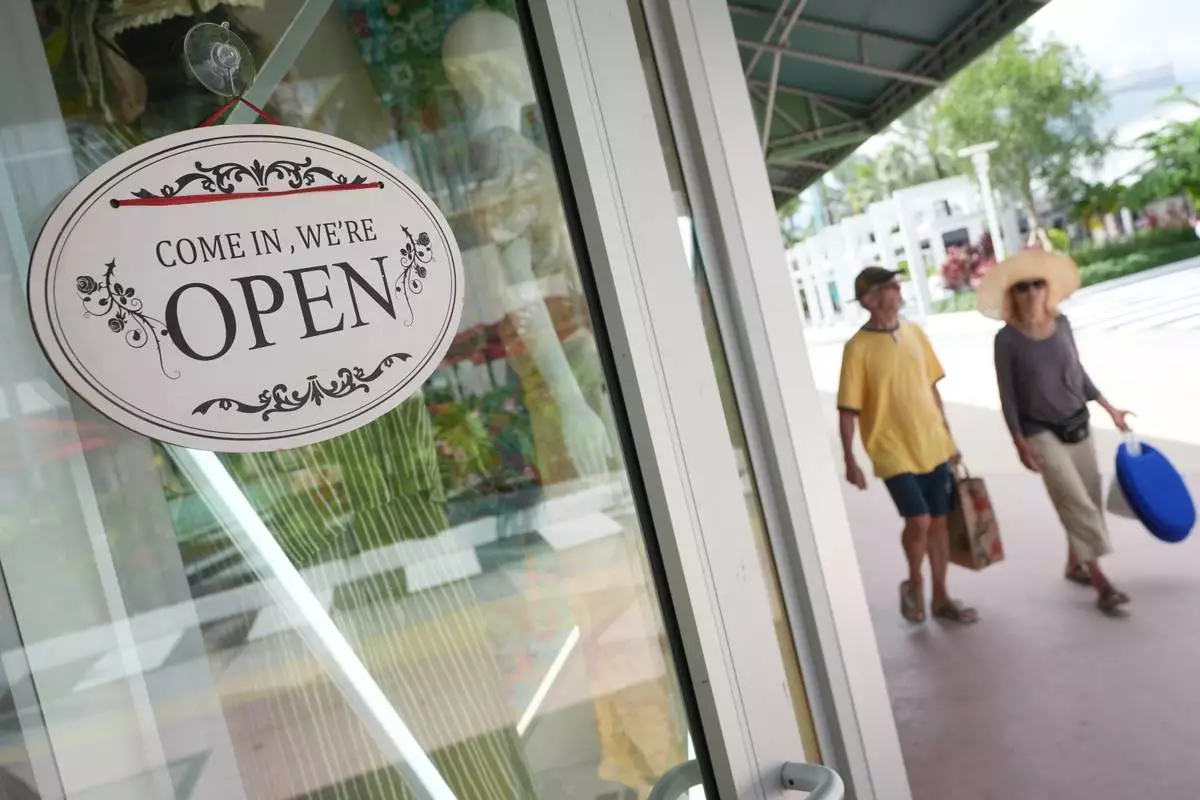
Shoppers walk by a clothing store, Thursday, Sept. 25, 2025, in Miami Beach, Fla. (AP Photo/Marta Lavandier)
JOHANNESBURG (AP) — Torrential rains and flooding have killed more than 100 people in South Africa, Mozambique and Zimbabwe, and authorities warned Friday that more severe weather was expected across several countries in southern Africa.
South Africa has reported at least 19 deaths in two of its northern provinces following heavy rains that began last month and led to severe flooding.
Tourists and staff members were evacuated this week by helicopter from flooded camps to other areas in the renowned Kruger National Park, which is closed to visitors while parts of it are inaccessible because of washed out roads and bridges, South Africa's national parks agency said.
In neighboring Mozambique, the Institute for Disaster Management and Risk Reduction said 103 people had died in an unusually severe rainy season since late last year. Those deaths were from various causes including electrocution from lightning strikes, drowning in floods, infrastructure collapse caused by the severe weather and cholera, the institute said.
The worst flooding in Mozambique has been in the central and southern regions, where more than 200,000 people have been affected, thousands of homes have been damaged, while tens of thousands face evacuation, the World Food Program said.
Zimbabwe’s disaster management agency said that 70 people have died and more than 1,000 homes have been destroyed in heavy rains since the beginning of the year, while infrastructure including schools, roads and bridges collapsed.
Flooding has also hit the island nation of Madagascar off the coast of Africa as well as Malawi and Zambia. Authorities in Madagascar said 11 people died in floods since late November.
The United States' Famine Early Warning System said flooding was reported or expected in at least seven southern African nations, possibly due to the presence of the La Nina weather phenomenon that can bring heavy rains to parts of southeastern Africa.
South African President Cyril Ramaphosa visited flood-stricken areas in the northern Limpopo province on Thursday and said that region had received around 400 millimeters (more than 15 inches) of rain in less than a week. He said that in one district he visited “there are 36 houses that have just been wiped away from the face of the Earth. Everything is gone ... the roofs, the walls, the fences, everything.”
The flooding occurred in the Limpopo and Mpumalanaga provinces in the north, and the South African Weather Service issued a red-level 10 alert for parts of the country for Friday, warning of more heavy rain and flooding that poses a threat to lives and could cause widespread infrastructure damage.
The huge Kruger wildlife park, which covers some 22,000 square kilometers (7,722 square miles) across the Limpopo and Mpumalanga provinces, has been impacted by severe flooding and around 600 tourists and staff members have been evacuated from camps to high-lying areas in the park, Kruger National Park spokesperson Reynold Thakhuli said.
He couldn't immediately say how many people there were in the park, which has been closed to visitors after several rivers burst their banks and flooded camps, restaurants and other areas. The parks agency said precautions were being taken and no deaths or injuries had been reported at Kruger.
The South African army sent helicopters to rescue other people trapped on the roofs of their houses or in trees in northern parts of the country, it said. An army helicopter also rescued border post officers and police officers stranded at a flooded checkpoint on the South Africa-Zimbabwe border.
Southern Africa has experienced a series of extreme weather events in recent years, including devastating cyclones and a scorching drought that caused a food crisis in parts of a region that often suffers food shortages.
The World Food Program said more than 70,000 hectares (about 173,000 acres) of crops in Mozambique, including staples such as rice and corn, have been waterlogged in the current flooding, worsening food insecurity for thousands of small-scale farmers who rely on their harvests for food.
Imray reported from Cape Town, South Africa. AP writers Charles Mangwiro in Maputo, Mozambique, and Farai Mutsaka in Harare, Zimbabwe, contributed to this report.
AP Africa news: https://apnews.com/hub/africa
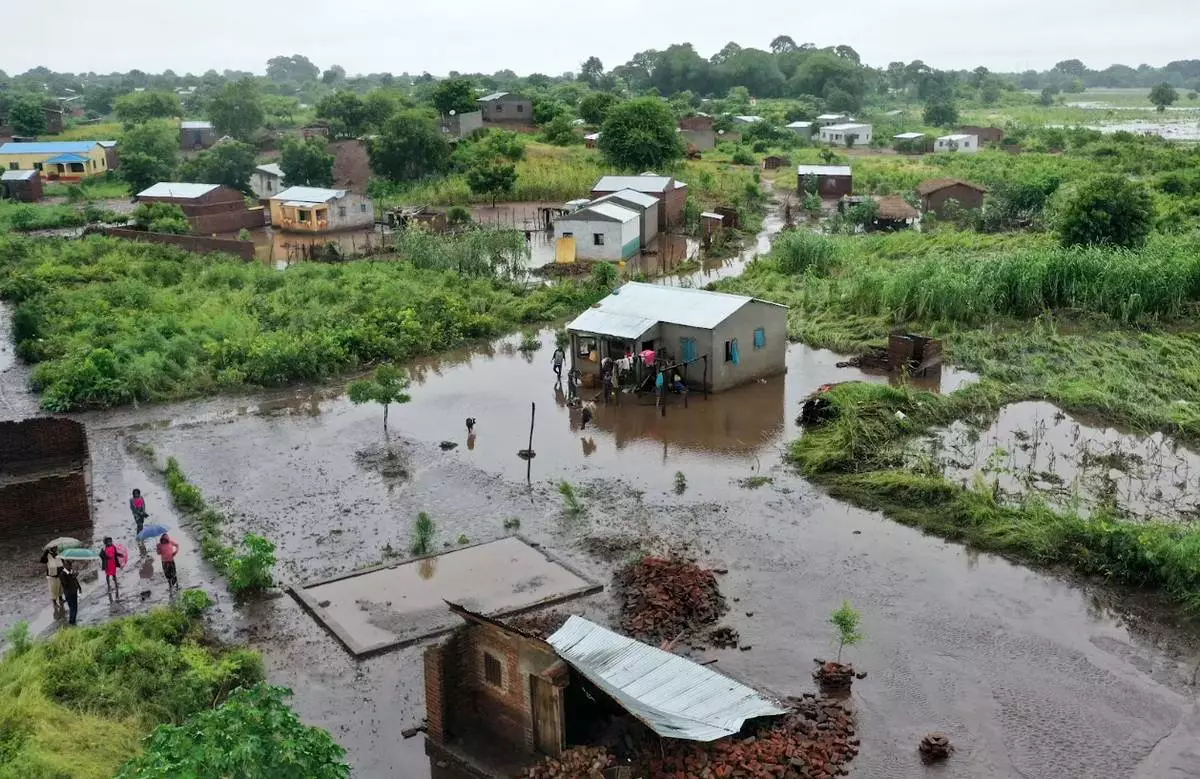
This image made from video shows the scene after flooding in Tete Province, Mozambique, Thursday, Jan. 15, 2026. (AP Photo)
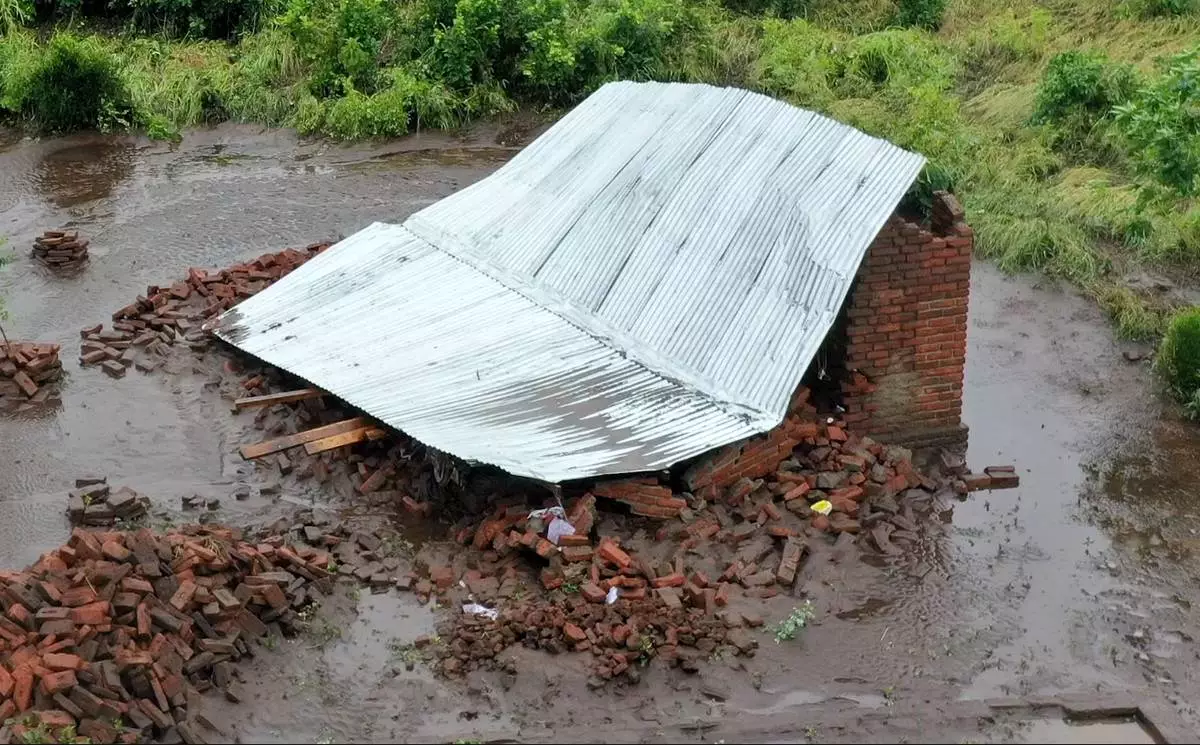
This image made from video shows the scene after flooding in Tete Province, Mozambique, Thursday, Jan. 15, 2026. (AP Photo)
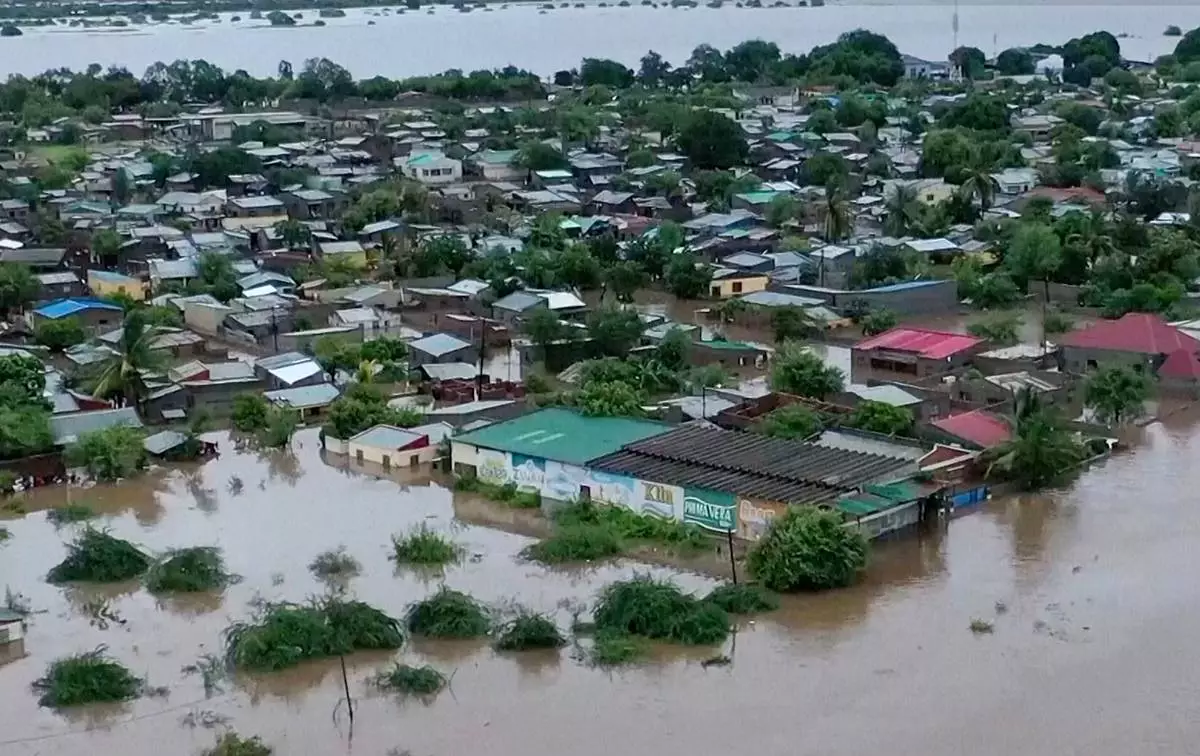
This image made from video shows the scene after flooding in Tete Province, Mozambique, Thursday, Jan. 15, 2026. (AP Photo)