WASHINGTON (AP) — The Environmental Protection Agency was already reeling from massive staff cuts and dramatic shifts in priority and policy. A government shutdown raises new questions about how it can carry out its founding mission of protecting America's health and environment with little more than skeletal staff and funding.
In President Donald Trump's second term, the EPA has leaned hard into an agenda of deregulation and facilitating Trump's boosting of fossil fuels like oil, gas and coal to meet what he has called an energy emergency.
Click to Gallery
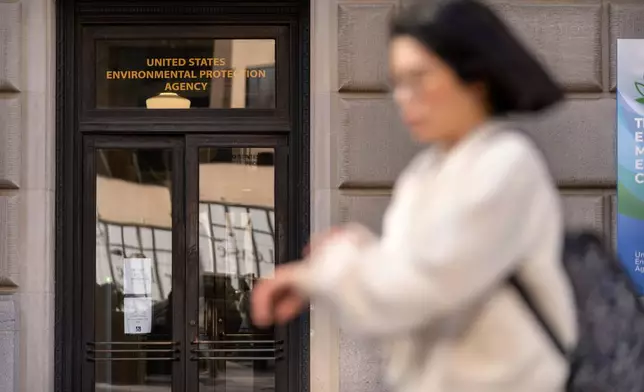
FILE - A person walks past the headquarters building of the Environmental Protection Agency, March 12, 2025, in Washington. (AP Photo/Mark Schiefelbein, File)
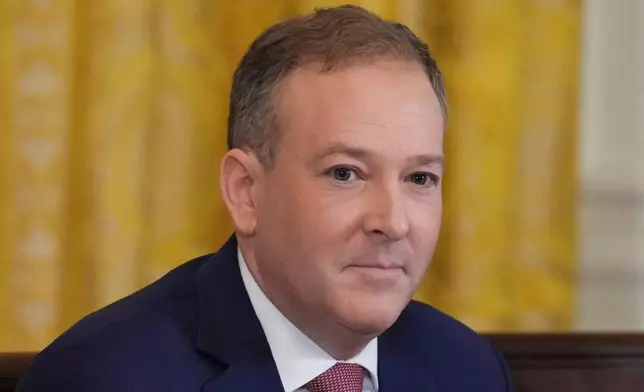
FILE - EPA Administrator Lee Zeldin attends a Make America Healthy Again (MAHA) Commission Event in the East Room of the White House, May 22, 2025, in Washington. (AP Photo/Jacquelyn Martin, File)

FILE - Heavy equipment moves through coal at the Gen. James Gavin Power Plant, a coal-fired power plant, April 14, 2025, in Cheshire, Ohio. (AP Photo/Joshua A. Bickel, File)
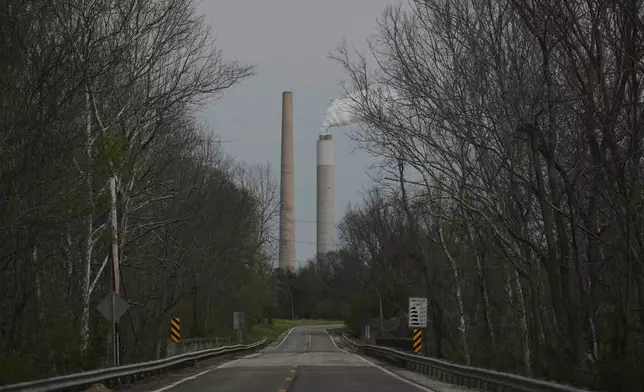
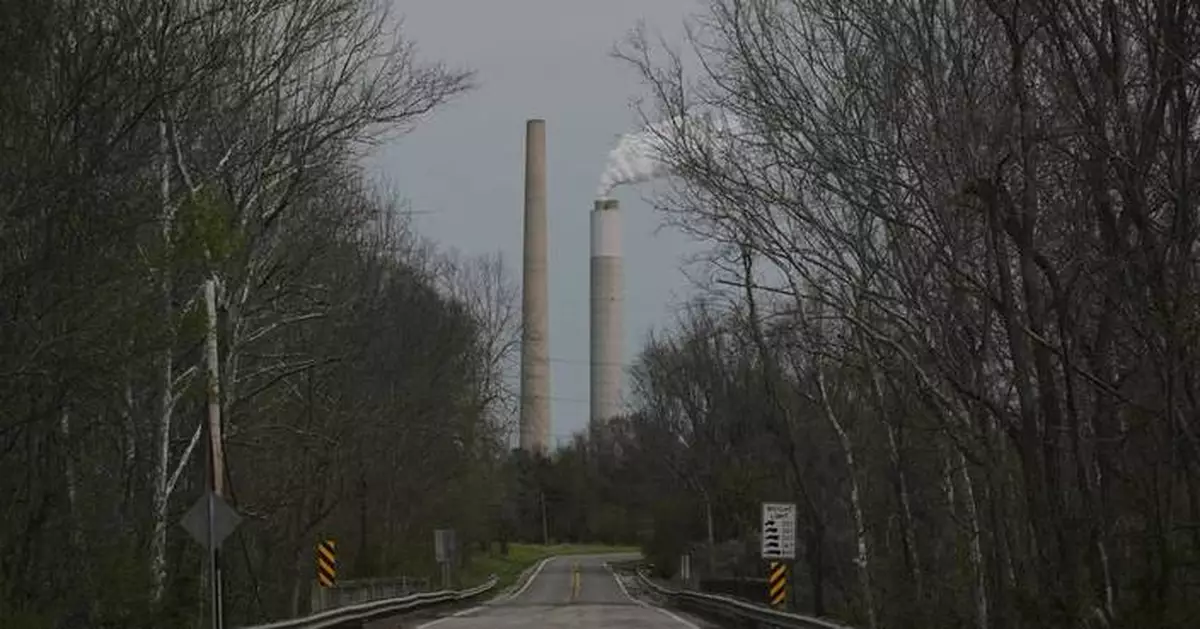
FILE - The Kyger Creek Power Plant, a coal-fired power plant, operates April 14, 2025, near Cheshire, Ohio. (AP Photo/Joshua A. Bickel, File)
Jeremy Symons, a former EPA policy official under President Bill Clinton, said it's natural to worry that a shutdown will lead “the worst polluters” to treat it as a chance to dump toxic pollution without getting caught.
“Nobody will be holding polluters accountable for what they dump into the air we breathe, in the water we drink while EPA is shut down,” said Symons, now a senior adviser to the Environmental Protection Network, a group of former agency officials advocating for a strong Earth-friendly department.
“This administration has already been implementing a serial shutdown of EPA,” Symons said. “Whittling away at EPA’s ability to do its job.”
A scientific study of pollution from about 200 coal-fired power plants during the 2018-2019 government shutdown found they “significantly increased their particulate matter emissions due to the EPA's furlough.” Soot pollution is connected to thousands of deaths per year in the United States.
The EPA was created under Republican President Richard Nixon in 1970 amid growing fears about pollution of the planet's air, land and water. Its first administrator, William D. Ruckelshaus, spoke of the need for an “environmental ethic” in his first speech.
“Each of us must begin to realize our own relationship to the environment," Ruckelshaus said. "Each of us must begin to measure the impact of our own decisions and actions on the quality of air, water, and soil of this nation.”
In the time since then, it has focused on safeguarding and cleaning up the environment, and over the past couple of decades, it also added fighting climate change to its charge.
EPA's job is essentially setting up standards for what’s healthy for people and the environment, giving money to state and local governments to get that done and then coming down as Earth’s police officer if it isn’t.
“Protecting human health and the environment is critical to the country’s overall well-being," said Christine Todd Whitman, who was EPA chief under Republican President George W. Bush. "Anything that stops that regulatory process puts us at a disadvantage and endangers the public.”
But priorities change with presidential administrations.
Earlier this year, Trump's new EPA chief Lee Zeldin unveiled five pillars for the agency. The first is to ensure clean air, land and water. Right behind it is to “restore American energy dominance," followed by environmental permitting reform, making U.S. the capital of artificial intelligence and protecting American auto jobs.
Zeldin is seeking to rescind a 2009 science-based finding that climate change is a threat to America's health and well-being. Known as the “endangerment” finding, it forms the foundation of a range of rules that limit pollution from cars, power plants and other sources. Zeldin also has proposed ending a requirement that large, mostly industrial polluters report their planet-warming greenhouse gas emissions, canceled billions of dollars in solar energy grants and eliminated a research and development division.
The EPA's shutdown contingency plan, first written a decade ago and slightly updated for this year, says 905 employees are considered essential because they are necessary to protect life and property or because they perform duties needed by law. An additional 828 employees can keep working because they aren't funded by the annual federal budget and instead get their pay from fees and such.
EPA officials won't say how many employees they have cut — former officials now at the Environmental Protection Network say it's 25% — but the Trump administration's budget plan says the agency now has 14,130 employees, down 1,000 from a year ago. The administration is proposing cutting that to 12,856 in this upcoming budget year and Zeldin has talked of going to levels of around Ronald Reagan's presidency, which started at around 11,000.
The agency's shutdown plan calls for it to stop doing non-criminal pollution inspections needed to enforce clean air and water rules. It won’t issue new grants to other governmental agencies, update its website, issue new permits, approve state requests dealing with pollution regulations or conduct most scientific research, according to the EPA document. Except in situations where the public health would be at risk, work on Superfund cleanup sites will stop.
Marc Boom, a former EPA policy official during the Biden administration, said inspections under the Chemical Accident Risk Reduction program would halt. Those are done under the Clean Air Act to make sure facilities are adequately managing the risk of chemical accidents.
“Communities near the facilities will have their risk exposure go up immediately since accidents will be more likely to occur,” Boom said.
He also said EPA hotlines for reporting water and other pollution problems likely will be closed. “So if your water tastes off later this week, there will be no one at EPA to pick up the phone," he said.
“The quality of water coming out of your tap is directly tied to whether EPA is doing its job," said Jeanne Briskin, a former 40-year EPA employee who once headed the children's health protection division.
The Associated Press’ climate and environmental coverage receives financial support from multiple private foundations. AP is solely responsible for all content. Find AP’s standards for working with philanthropies, a list of supporters and funded coverage areas at AP.org.
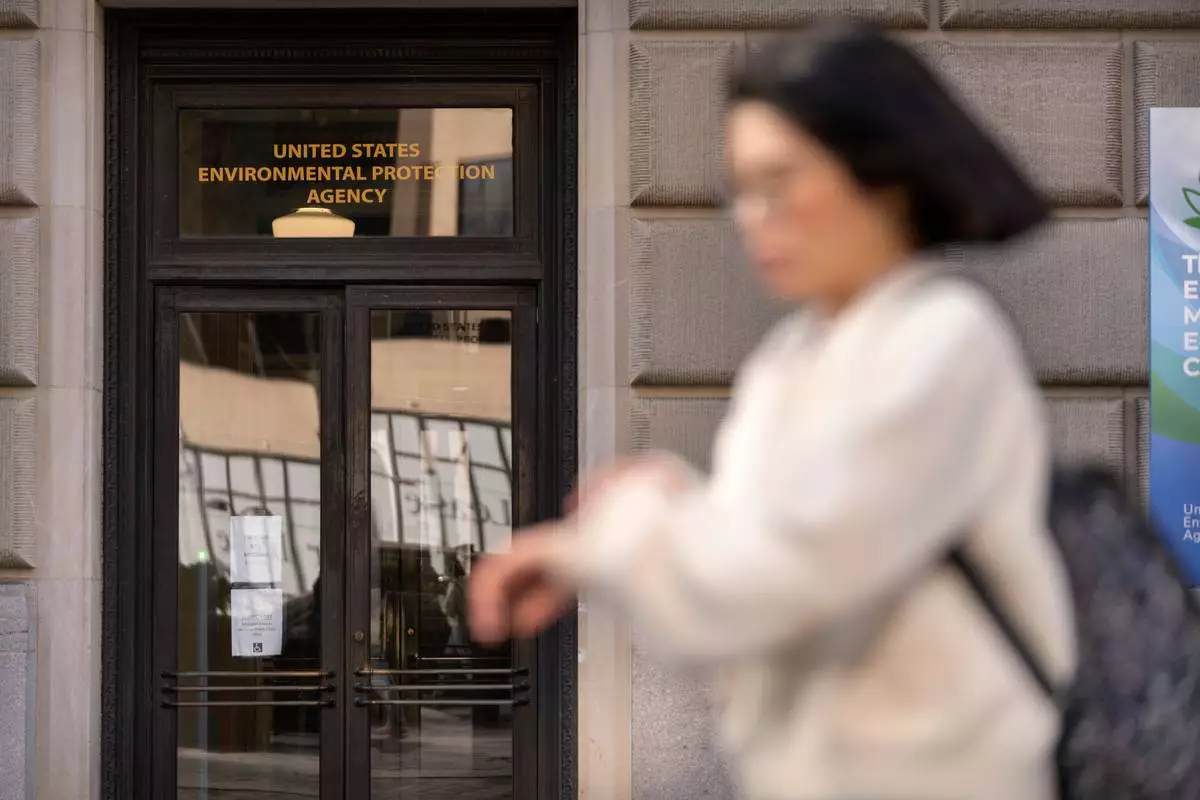
FILE - A person walks past the headquarters building of the Environmental Protection Agency, March 12, 2025, in Washington. (AP Photo/Mark Schiefelbein, File)
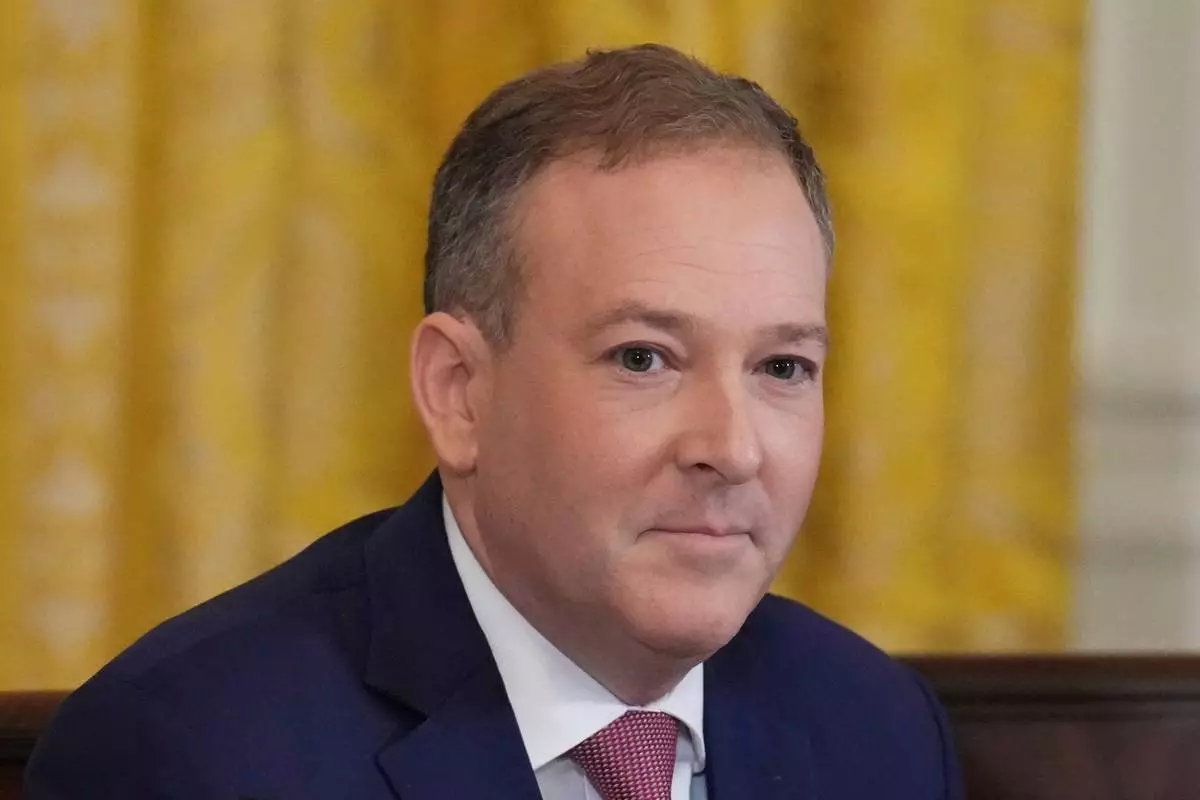
FILE - EPA Administrator Lee Zeldin attends a Make America Healthy Again (MAHA) Commission Event in the East Room of the White House, May 22, 2025, in Washington. (AP Photo/Jacquelyn Martin, File)
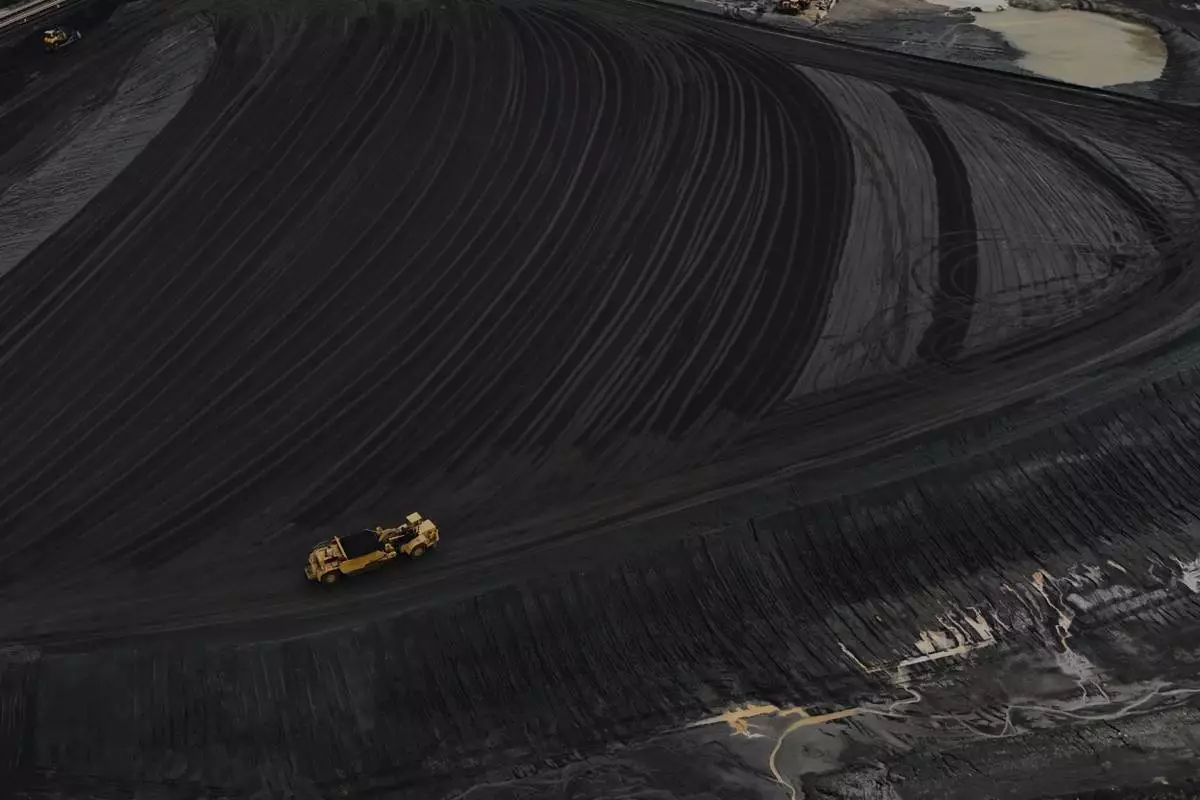
FILE - Heavy equipment moves through coal at the Gen. James Gavin Power Plant, a coal-fired power plant, April 14, 2025, in Cheshire, Ohio. (AP Photo/Joshua A. Bickel, File)
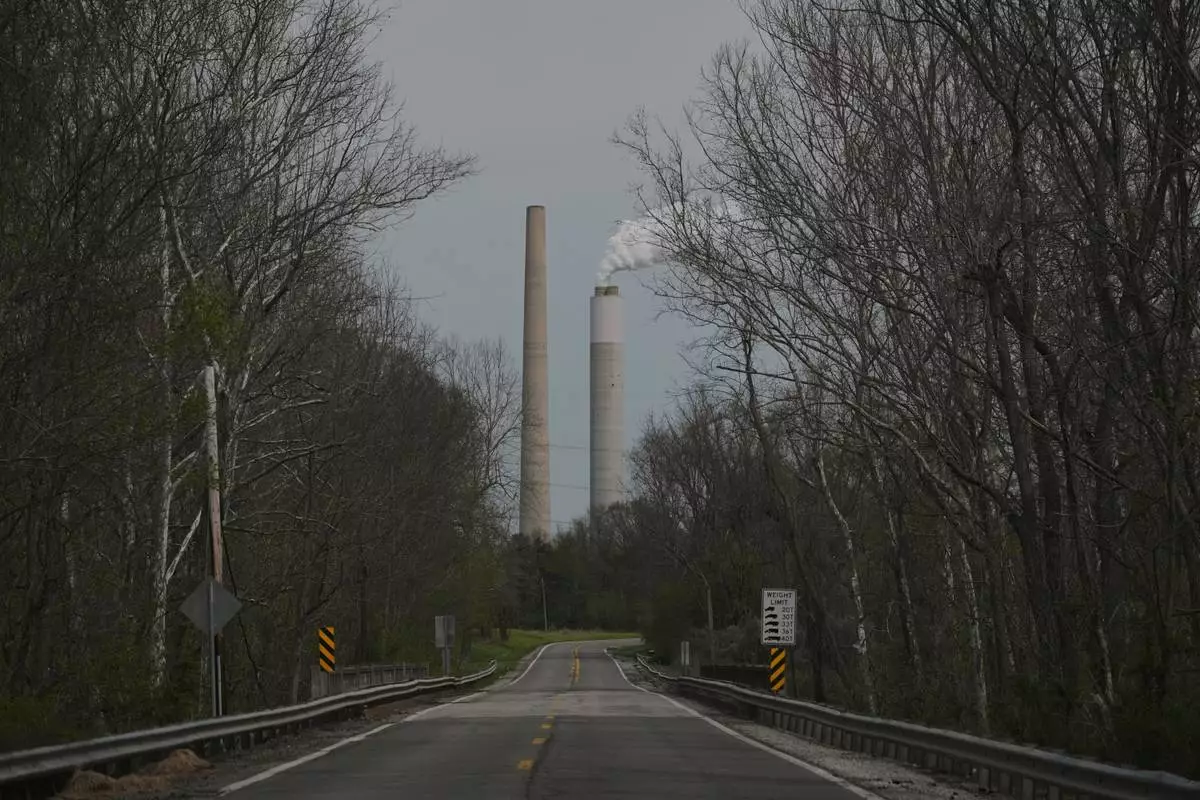
FILE - The Kyger Creek Power Plant, a coal-fired power plant, operates April 14, 2025, near Cheshire, Ohio. (AP Photo/Joshua A. Bickel, File)