Skip to Content Facebook Feature Image

CPEC to benefit future generations, promote cooperation: Pakistani president

China

China

China

CPEC to benefit future generations, promote cooperation: Pakistani president

2025-10-03 00:32 Last Updated At:01:17

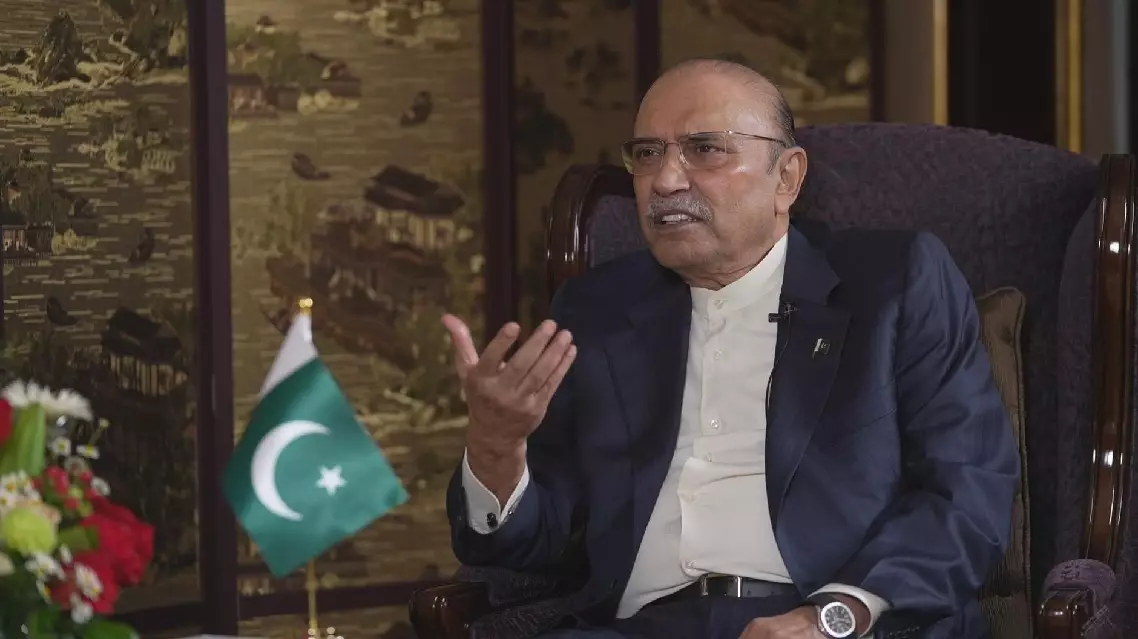
The continuous development of the China-Pakistan Economic Corridor (CPEC) will promote bilateral interaction and benefit future generations in the two countries, according to Pakistani President Asif Ali Zardari.

The president made the remarks in a recent interview with China Global Television Network (CGTN) when asked about his expectations for the "version 2.0" upgrade of the CPEC, which promises a shift in focus from infrastructure to industrial cooperation, agriculture, socio-economic development, and information technology.

The CPEC, launched in 2013 as the flagship of the Belt and Road Initiative, has seen substantial progress over the years and moved from blueprints to power plants and ports. It profoundly transformed Pakistan's economic landscape, reshaping the country's connectivity, energy security and development outlook while deepening its strategic partnership with China.

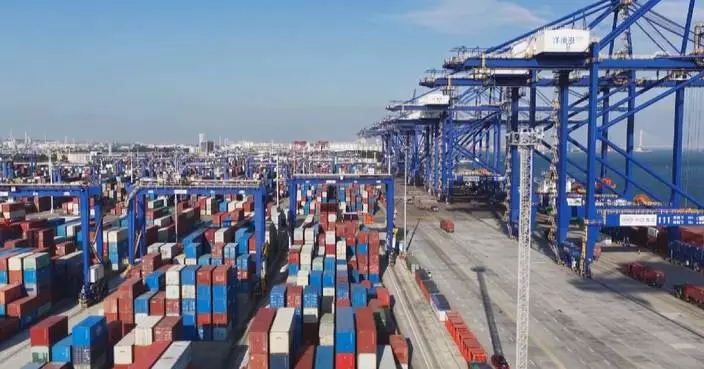
Gwadar, once a quiet fishing town, has steadily evolved into Pakistan's maritime gateway. The port and its surrounding infrastructure, supported by grant-based Chinese projects, are reshaping the socio-economic landscape of Balochistan.

"We are the closest port to China, so that port, one day, the generations to come, they will thank the Chinese people and Pakistani people [for having thought about building] that port. That port will be the closest link you have to China," said Zardari.

The CPEC's transport infrastructure has connected the country like never before. Eight major projects worth 6.7 billion U.S. dollars have already added 888 kilometers of modern highways and motorways, while another 853 km are under construction.

The Karakoram Highway, also known as the China–Pakistan Friendship Highway, connects northwest China's Xinjiang Uyghur Autonomous Region with Pakistan's Punjab Province, joining in a highway network that can ultimately reach the Gwadar Port in the country's southern part.

"We will have more interaction because, like I said, we can drive down to each other's countries. Not many countries could say they can drive down to China. In our case, we can drive down to you, and you can drive down to us. So it [CPEC] is a great, futuristic concept," said the Pakistani president.
CPEC to benefit future generations, promote cooperation: Pakistani president
CPEC to benefit future generations, promote cooperation: Pakistani president
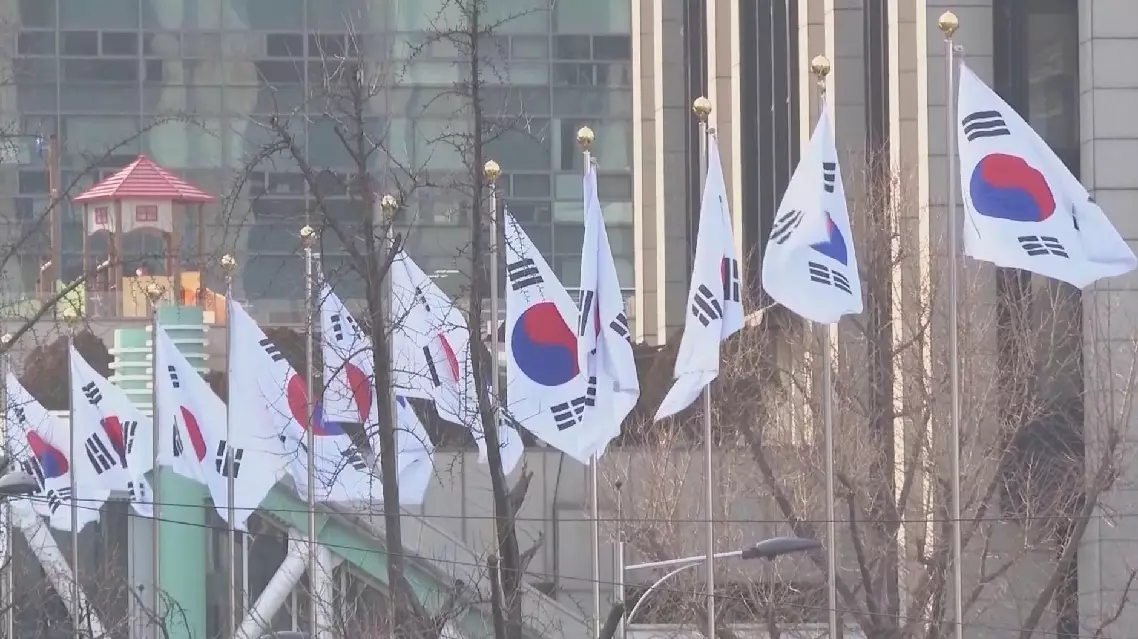
The Republic of Korea (ROK)'s former impeached President Yoon Suk-yeol on Friday was sentenced to five years in prison on arrest obstruction charges.

The criminal division of the Seoul Central District Court in charge of Yoon's obstruction of justice case handed down the prison sentence to Yoon for abusing the presidential security service to hinder the anti-corruption agency from executing its arrest warrant in January 2025.

The Corruption Investigation Office for High-ranking Officials (CIO) was once thwarted in its attempt to arrest Yoon as the presidential security service formed human shields and bus blockades to prevent investigators from entering the presidential residence.

The team of Cho Eun-suk, an independent counsel who led investigations into Yoon's insurrection and other charges, demanded a 10-year prison term for Yoon.

The court said Yoon privatized the presidential security service for personal safety and private interests by blocking the law enforcement agencies' lawful execution of an arrest warrant and attempting to destroy evidence, pointing out that despite the very bad nature of his crime, he consistently offered unconvincing excuses and showed no remorse.

The court stressed that severe punishment was necessary, considering the need to restore the rule of law damaged by Yoon's crime, but it noted that the fact that he was a first-time offender with no criminal record was considered a favorable factor.

The sentencing, which was broadcast live, was Yoon's first verdict coming from his botched martial law bid.

The first-instance sentencing for Yoon's insurrection charges was scheduled for Feb 19. The special counsel sought a death penalty for Yoon on the charges.

Yoon declared emergency martial law on the night of Dec 3 in 2024, but it was revoked hours later by the National Assembly.

The constitutional court upheld a motion to impeach Yoon in April 2025, officially removing him from office.

The ousted leader was indicted while in detention in January 2025 on charges of leading an insurrection, becoming the first sitting ROK president facing such prosecution.

ROK ex-president Yoon sentenced to 5 years in prison on arrest obstruction charges

ROK ex-president Yoon sentenced to 5 years in prison on arrest obstruction charges

Recommended Articles