The parents of two college students killed in a Tesla crash say they were trapped in the car as it burst into flames because of a design flaw that made it nearly impossible for them to open the doors, according to lawsuits filed Thursday.
The parents of Krysta Tsukahara and her friend, Jack Nelson, allege that the company that helped Elon Musk become the world's richest man knew about the flaw for years and could have moved faster to fix the problem but did not, leaving the two trapped amid flames and smoke that eventually killed them.
Tesla did not reply to a request for comment.
The new legal threats to Tesla filed in Alameda County Superior Court come just weeks after federal regulators opened an investigation into complaints by Tesla drivers of problems with stuck doors. The probe and suit come at a delicate time for the company as it seeks to convince Americans that its cars will soon be safe enough to ride in without anyone in the driver's seat.
Tsukahara, 19, and Nelson, 20, were in the back of a Cybertruck in November 2024 when the driver, drunk and on drugs, smashed into a tree in the San Francisco suburb of Piedmont, California, according to the suits. The driver also died. A fourth passenger was pulled from the car after a rescuer broke a window and reached in.
The Tsukahara lawsuit was first reported by The New York Times.
Tesla doors have been at the center of several crash cases because the battery powering the unlocking mechanism can be destroyed in a fire and the manual releases that override that system are difficult to find.
The lawsuit follows several others that have claimed various safety problems with Tesla cars. In August, a Florida jury decided that the family of another dead college student, this one killed by a runaway Tesla years ago, should be awarded more than $240 million in damages.
The National Highway Traffic Safety Administration, which opened its stuck-door investigation last month, is looking into complaints by drivers that after exiting their cars, they couldn't open back doors to get their children out and, in some cases, had to break the window to reach them.
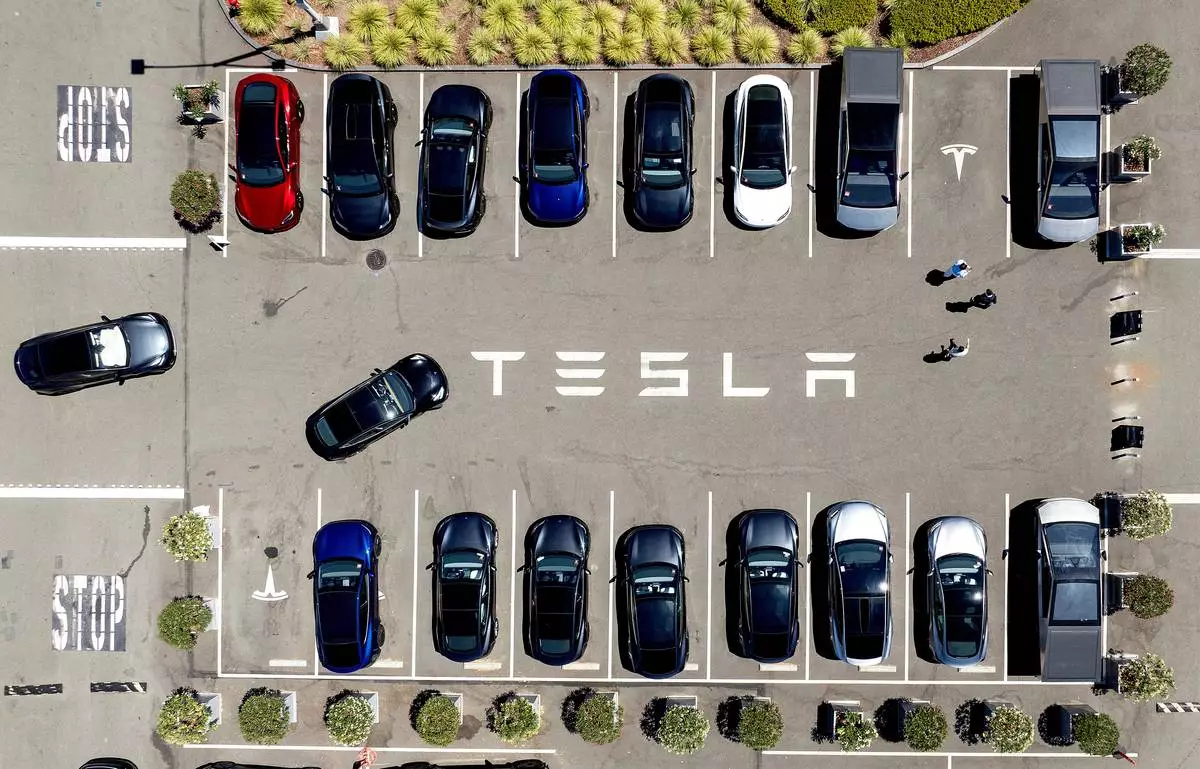
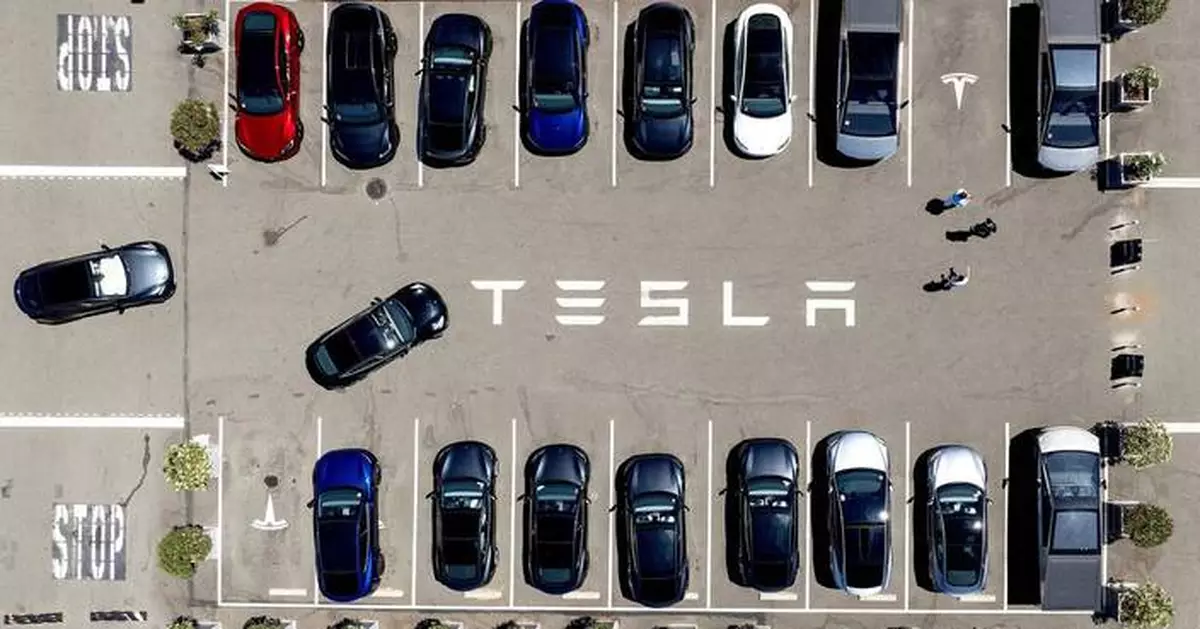
FILE - Tesla vehicles line a parking area at the company's Fremont, Calif., factory, Aug. 5, 2025. (AP Photo/Noah Berger)
ANAHEIM, Calif. (AP) — Travis d'Arnaud hit a three-run homer, Walbert Ureña threw six innings of two-hit ball, and the Los Angeles Angels defeated the Chicago White Sox 8-2 on Wednesday.
Los Angeles won a series for the first time since April 10-12 at Cincinnati. The Angels are 2-7-2 in series this season.
D'Arnaud's 396-foot shot off Noah Schultz (2-2), the backup catcher's first homer of the season, kicked off a five-run second inning for the Halos. After Bryce Teodosio doubled on a ball that got past right fielder Jarred Kelenic, Zach Neto hit a stand-up RBI triple.
Mike Trout brought one more across with an infield popup that second baseman Chase Meidroth lost in the afternoon sun for a single.
Jorge Soler and Jo Adell were hit by back-to-back pitches from reliever Osvaldo Bido with the bases loaded to bring in two runs in the fourth.
In the seventh, Angels reliever Drew Pomeranz hit Sam Antonacci with a pitch with the bases loaded to force in the second White Sox run. It was the first game in at least the last 70 seasons in which three batters were hit by pitches with the bases full, according to the Elias Sports Bureau.
Ureña (1-3) allowed one run, struck out five and walked three in his second quality start of the season. Brent Suter, Pomeranz and Chase Silseth completed a four-hitter.
Meidroth had two hits for Chicago. Standout rookie Munetaka Murakami, who is tied for the major league lead with 14 home runs, struck out four times for the second time this season.
Schultz allowed seven hits and seven runs in 3 2/3 innings. He had allowed a total of six earned runs in four previous starts this year.
Chicago returns home to face Seattle starting Friday, when RHP Sean Burke (2-2, 2.72) is scheduled to start opposite Mariners RHP Emerson Hancock (2-1, 2.59).
Los Angeles begins a series at Toronto on Friday with LHP Reid Detmers (1-2, 4.28) facing Blue Jays RHP Dylan Cease (2-1, 3.05).
AP MLB: https://apnews.com/hub/mlb
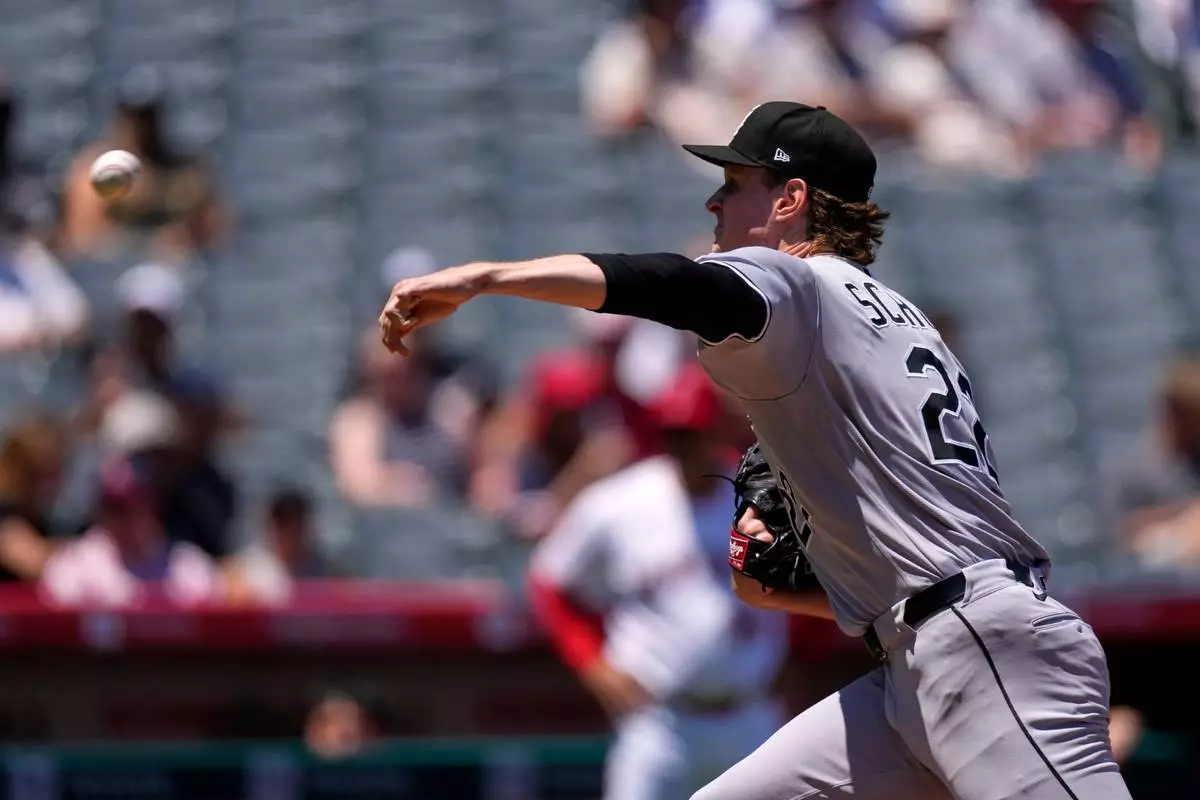
Chicago White Sox pitcher Noah Schultz throws to the plate during the first inning of a baseball game against the Los Angeles Angels, Wednesday, May 6, 2026, in Anaheim, Calif. (AP Photo/Mark J. Terrill)
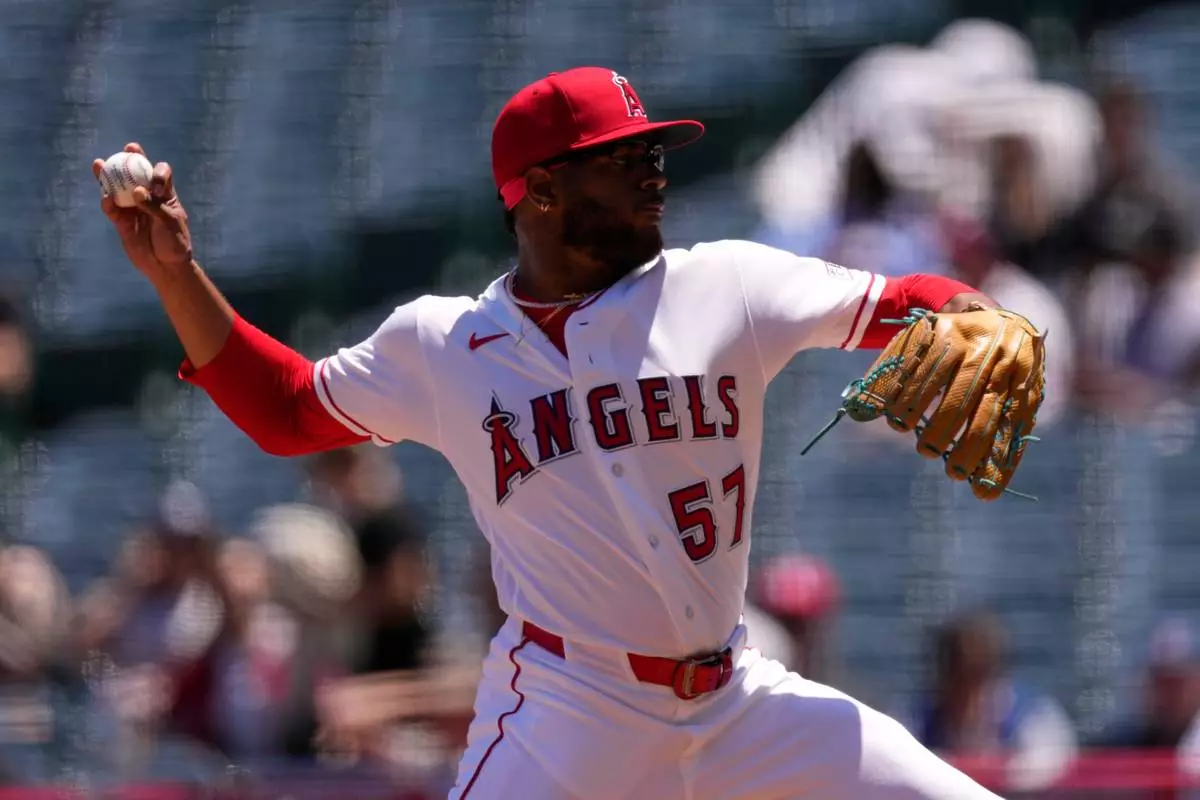
Los Angeles Angels pitcher Walbert Ureña throws to the plate during the first inning of a baseball game against the Chicago White Sox, Wednesday, May 6, 2026, in Anaheim, Calif. (AP Photo/Mark J. Terrill)
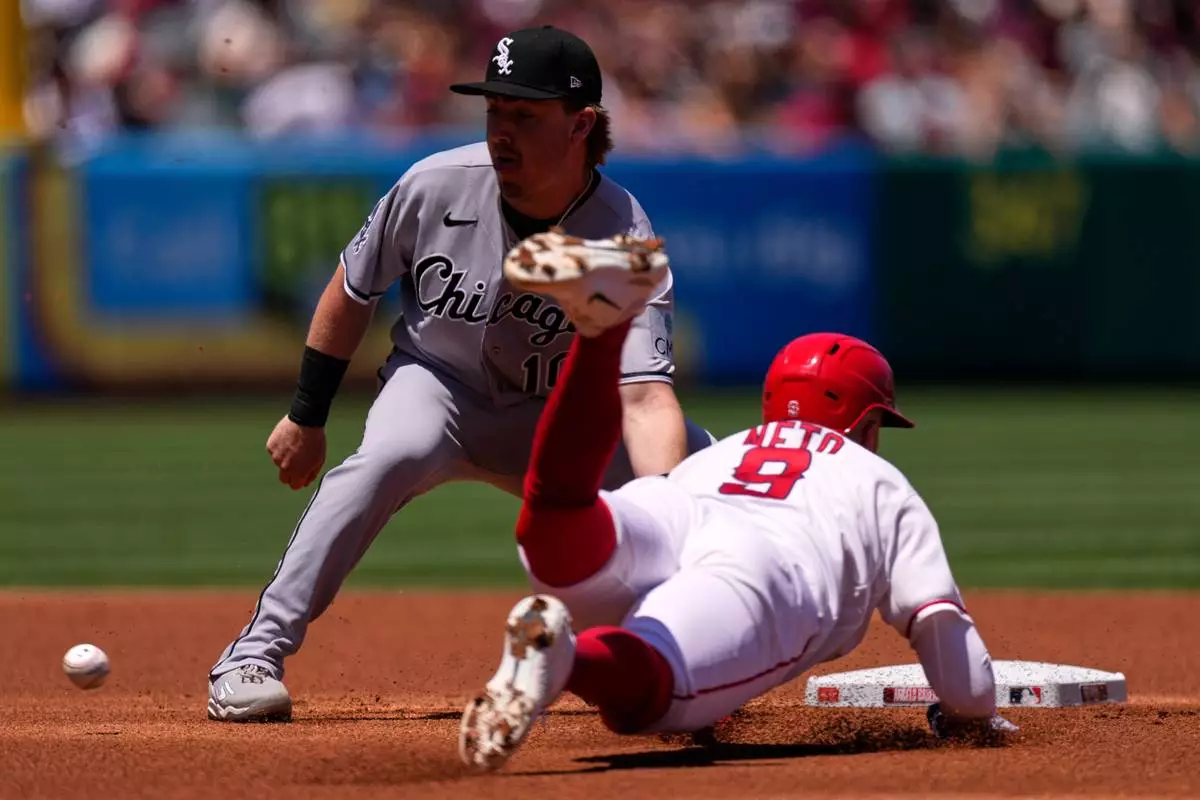
Los Angeles Angels' Zach Neto, right, tries to steal second as Chicago White Sox second baseman Chase Meidroth waits for the ball before tagging him out during the first inning of a baseball game Wednesday, May 6, 2026, in Anaheim, Calif. (AP Photo/Mark J. Terrill)
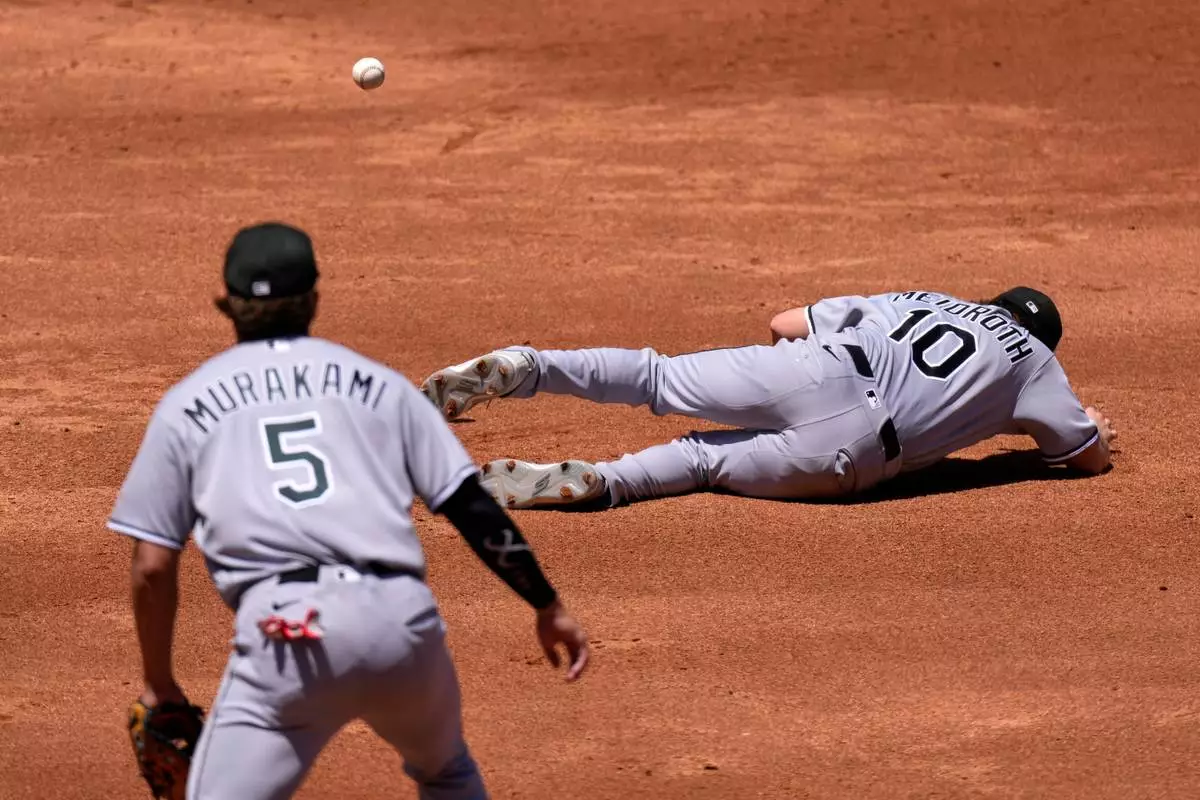
Chicago White Sox second baseman Chase Meidroth, right, falls while trying to catch a pop fly hit by Los Angeles Angels' Mike Trout as second baseman Vaughn Grissom watches during the second inning of a baseball game Wednesday, May 6, 2026, in Anaheim, Calif. (AP Photo/Mark J. Terrill)
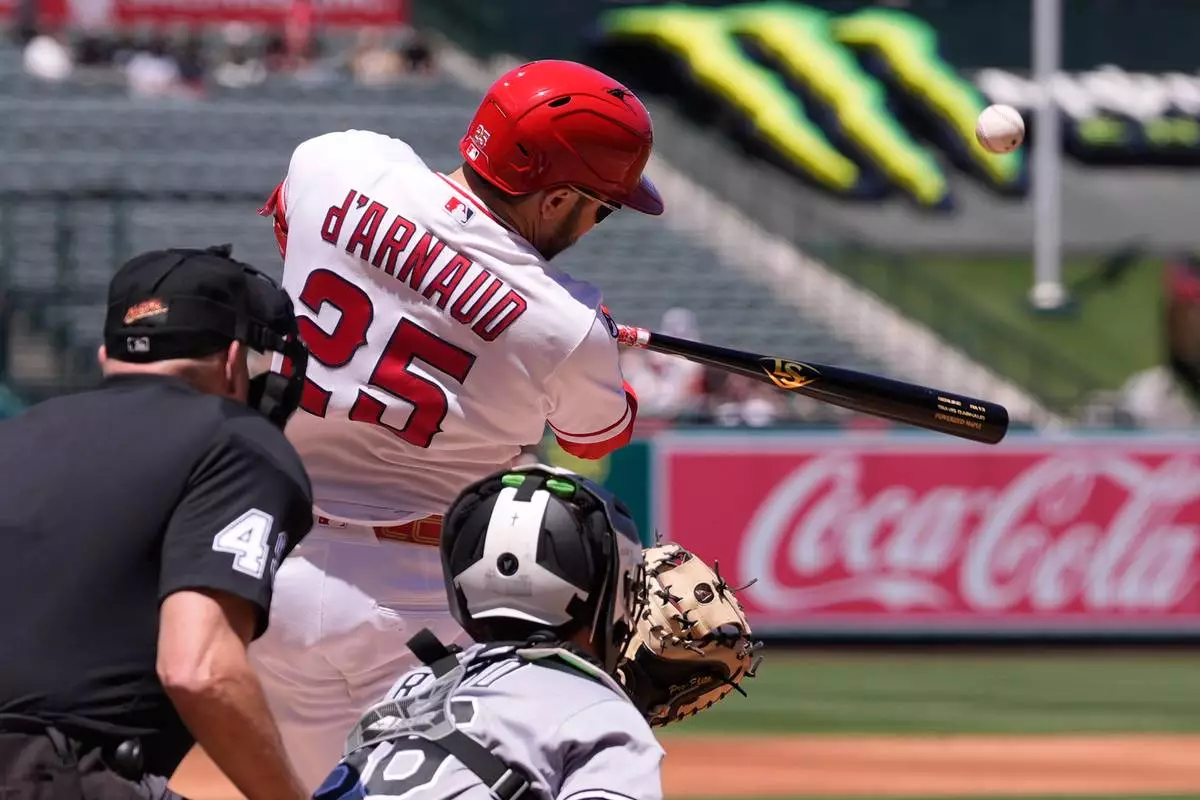
Los Angeles Angels' Travis D'Arnaud, center, hits a three-run home run as Chicago White Sox catcher Drew Romo, right, and home plate umpire Andy Fletcher watch during the second inning of a baseball game Wednesday, May 6, 2026, in Anaheim, Calif. (AP Photo/Mark J. Terrill)