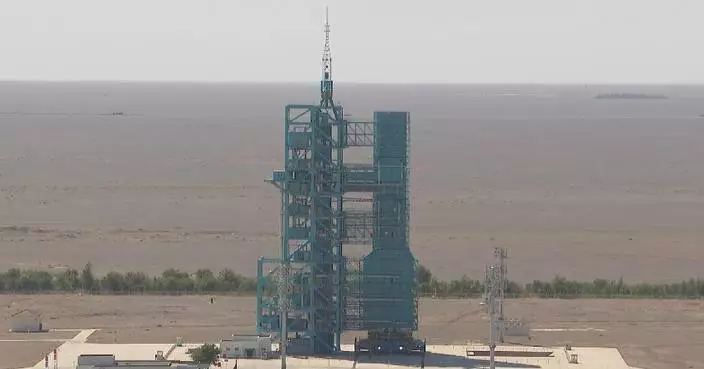
Authorities across southern China have intensified emergency measures and expanded evacuations as Typhoon Matmo, the 21st typhoon of the year, approaches landfall.
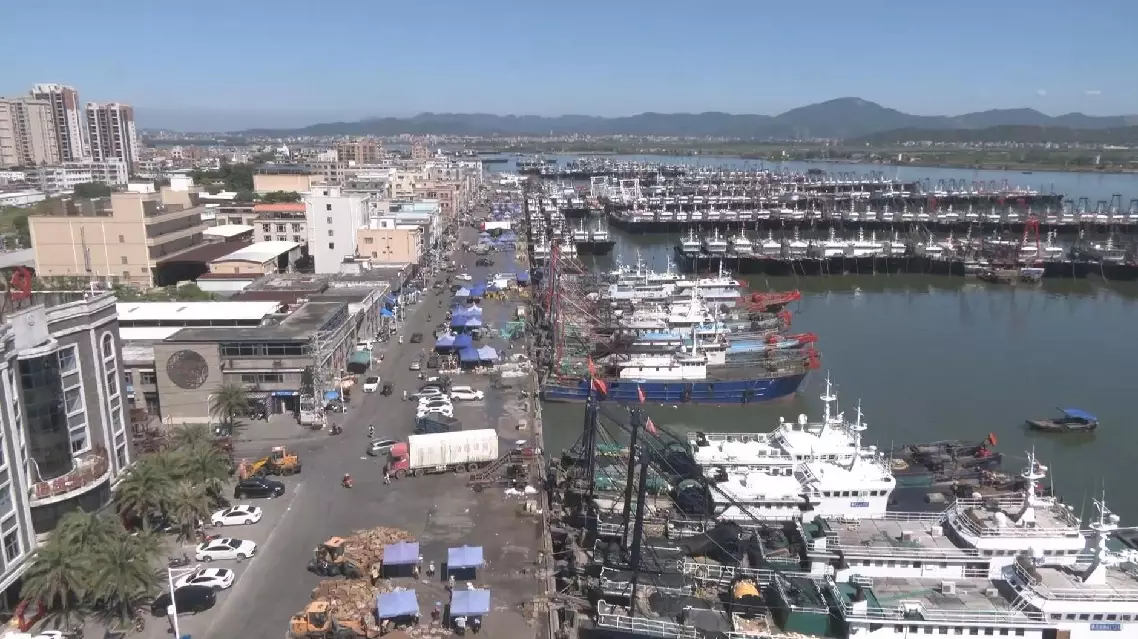
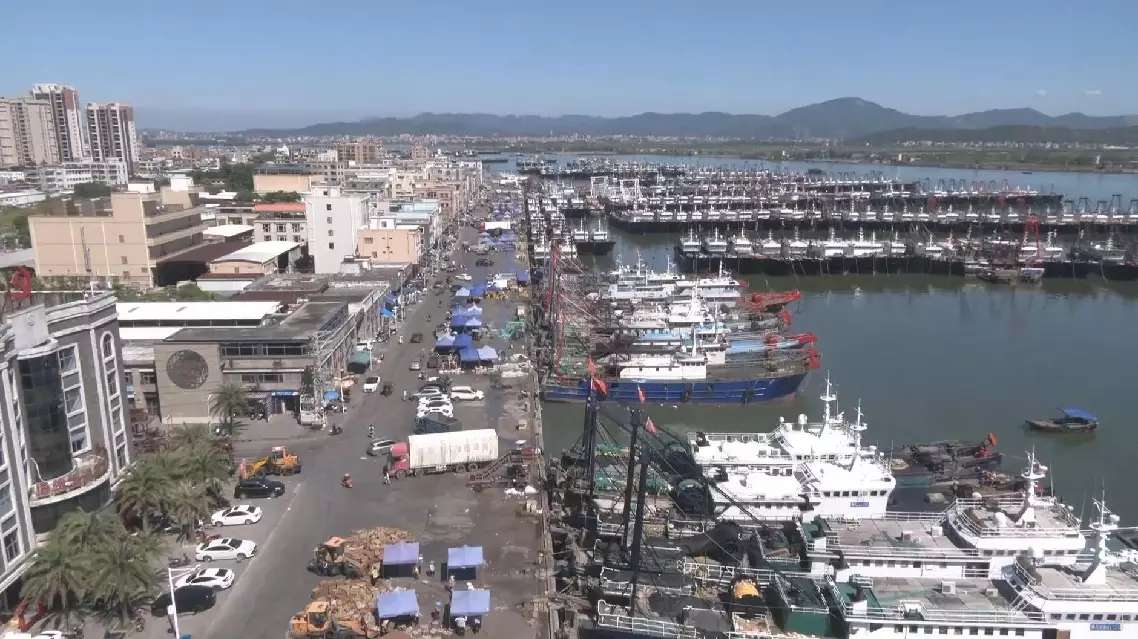
As the typhoon moved closer, Guangdong Province raised its emergency response for strong winds to Level II on Saturday, relocating more than 300 vessels to safe waters.
Click to Gallery

South China provinces brace as Typhoon Matmo approaches landfall
South China provinces brace as Typhoon Matmo approaches landfall
South China provinces brace as Typhoon Matmo approaches landfall

South China provinces brace as Typhoon Matmo approaches landfall
The Guangxi Maritime Safety Administration also upgraded its typhoon emergency response to Level II on Saturday. Maritime authorities along the coast were instructed to strengthen duty shifts and on-site typhoon prevention efforts, verify that personnel had been evacuated ashore, and organize local vessels to leave port and take shelter.
Hainan has issued a Level III emergency response for strong winds and flooding.
Haikou, the provincial capital, began a gradual, citywide suspension of classes, work, transportation, flights, park services, and business operations on Saturday afternoon, with the measures remaining in effect through Sunday.
All inbound and outbound flights at Haikou Meilan International Airport were cancelled starting at 23:00 on Saturday.
RoPax ferry services across the Qiongzhou Strait were suspended from 16:00 Saturday.
Wenchang City in Hainan Province, one of the locations along the typhoon's projected landfall path, has established 363 temporary shelters for construction workers and nearby residents. Each shelter has been stocked with emergency supplies and equipped with generators to ensure a stable temporary power supply for those taking refuge.
The typhoon, observed at 18 degrees north latitude and 117.7 degrees east longitude at 5:00 on Saturday, is moving northwestward at a speed of 25-30 km per hour, according to China's National Meteorological Center (NMC).
It is anticipated to make landfall along coastal areas ranging from Dianbai in Guangdong Province to Wanning in Hainan Province, both located in south China, around noon on Sunday, the NMC said.
South China provinces brace as Typhoon Matmo approaches landfall
South China provinces brace as Typhoon Matmo approaches landfall
South China provinces brace as Typhoon Matmo approaches landfall
South China provinces brace as Typhoon Matmo approaches landfall