An estimated 1.249 billion trips were made across China in the first four days of the eight-day National Day and Mid-Autumn Festival holiday starting from October 1, up 5.7 percent year on year, said the Ministry of Transport.
The holiday will run through Oct 8 this year.
During the first four days of the holiday, the railway systems nationwide handled an estimated 78.78 million trips, up 5.3 percent year on year. The highway systems handled an estimated at 1.15 billion passenger trips, an year-on-year increase of 5.6 percent. Waterway transport saw a projected 6.81 million passenger trips, up 11.7 percent from a year earlier, and airlines carried 9.62 million passenger trips, up 5 percent.
On Oct 4 alone, there were an estimated 306.66 million cross-regional trips nationwide, marking an 8 percent year-on-year increase.
On the day, railways handled around 18.2 million passenger trips, up 3.7 percent. An estimated 284.22 million people traveled on highways, up 8.3 percent, plus 1.9 million trips by water and 2.34 million by air, up 5.2 percent and 5.1 percent, respectively.
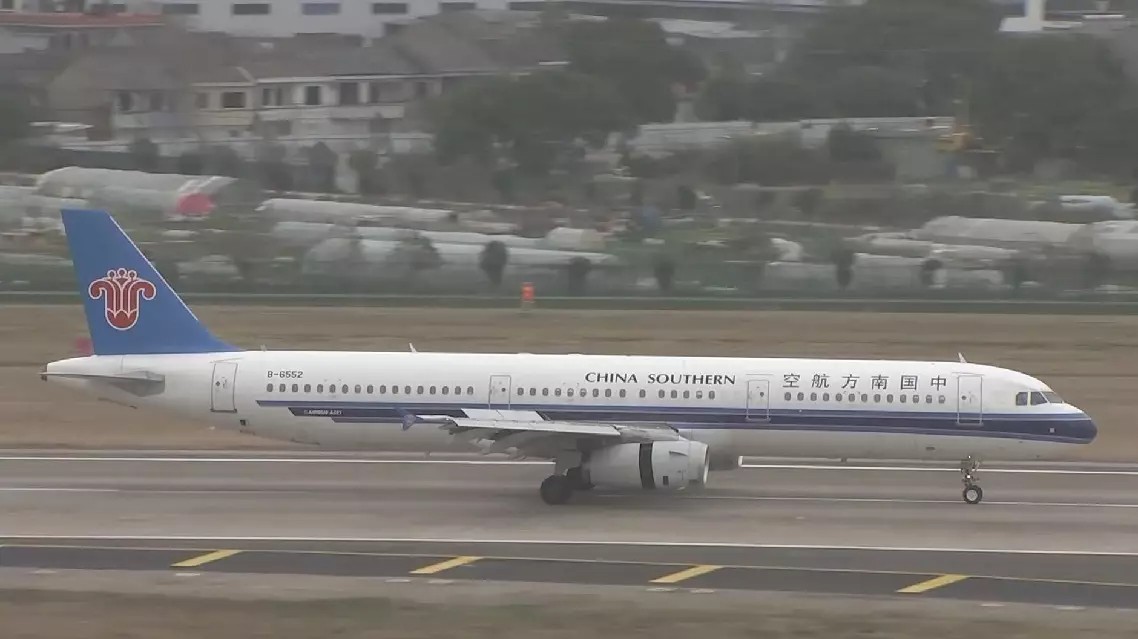
Holiday trips expected to top 1.2 billion in first 4 days
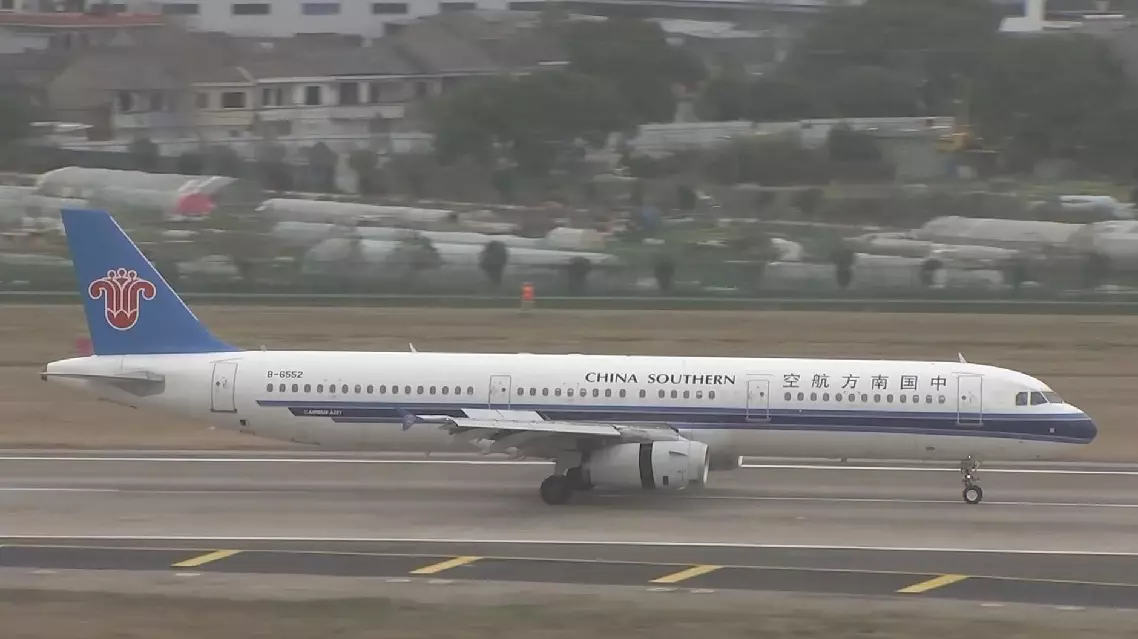
Holiday trips expected to top 1.2 billion in first 4 days
A wildfire that engulfed part of a forest in Shantou City of south China's Guangdong Province on Sunday has been extinguished after 17 hours of concerted efforts by multiple departments including emergency response, firefighting and public security units.
Villagers living at the foot of Xianglu Mountain were the first to notice the fire erupting on its slopes.
"It looked far away and I thought it was just someone burning garbage," recalled one villager.
Upon discovering the fire, local authorities immediately organized personnel to combat the flames, with mobilization of over 200 rescuers from surrounding areas to assist in the firefighting efforts.
"We were divided into two to three groups, with one conducting regular firefighting and another using water pumps to extinguish the fire," said one rescuer.
Given the rapid spread of the fire, local officials also called in aerial support with helicopters to aid in extinguishing the blaze. Furthermore, many personnel organized by local grassroots departments were actively involved in the firefighting efforts.
By 06:00 on Monday, the wildfire was finally extinguished without causing any casualties. The dry climate in winter increases the risk of forest fire in the region. However, the cause of the forest fire is still under investigation.
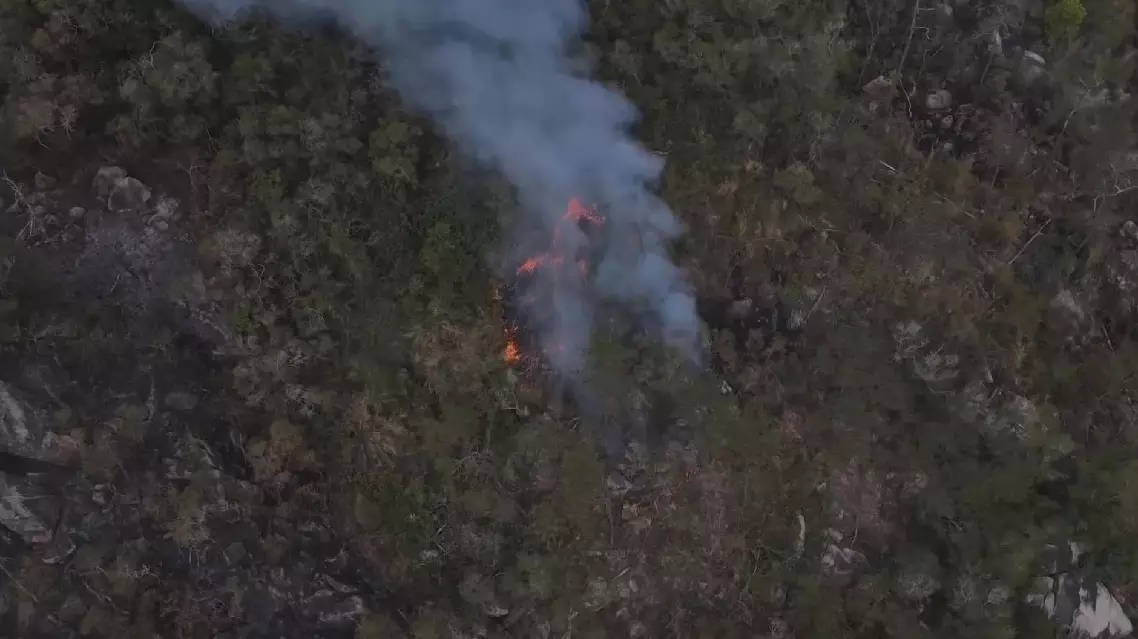
Wildfire extinguished in south China's Guangdong after 17 hours of efforts