The historical war epic film "The Volunteers: Peace at Last" reflects the Chinese People's Volunteers' (CPV) heroic fights for peace in the 1950-1953 War to Resist U.S. Aggression and Aid Korea that should be remembered forever, the film's director Chen Kaige has said.
The film, leading China's box office so far during the National Day and Mid-Autumn Festival holiday season that started on October 1, re-creates the intertwined struggles of battlefield combat and tense diplomatic negotiation during the War to Resist U.S. Aggression and Aid Korea, also known as the Korean War.
As the finale of Chen's "The Volunteers" trilogy after "The Volunteers: To the War" and "The Volunteers: The Battle of Life and Death", the film highlights the sacrifices made by the Chinese people's volunteer army troops in their pursuit of peace during the war.
Premiered in Beijing on Sept. 27, the film depicts fierce battles at the Triangle Hill and Kumsong, as well as armistice negotiations at the Panmunjom.
"I think it is important to create this film to record the Chinese People's Volunteers' overseas battles in the 1950s. They made so much sacrifice to help people in that country to live in long-lasting peace. The contributions and merits of the Chinese People's Volunteers should never be forgotten," Chen said in an interview with China Central Television aired on Sunday.
"The depth of the negotiations was shining with the light of Chinese wisdom. The culture, spirit and temperament of the Chinese people are the things more important for me to present," he said.

Fallen Chinese Korea War soldiers should be remembered for their sacrifice: film director
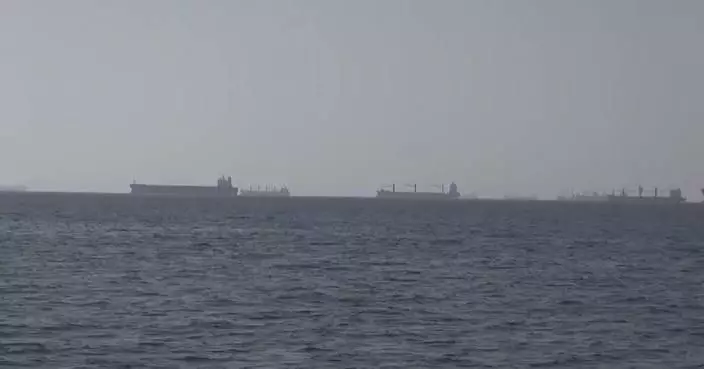
Iran's supreme leader demanded war reparations from the United States and Israel on Monday and vowed to escalate the country's management of the Strait of Hormuz, while President Donald Trump said he would not lift the U.S. blockade on Hormuz until Tehran agrees to a deal.
In a statement posted on his official social media account on Monday, Iran's Supreme Leader Mojtaba Khamenei said that Iran would hold accountable those responsible for attacks against the country and seek compensation for wartime losses.
He also called for a new phase in the management of the Strait of Hormuz, vowing never to abandon Iran's legitimate rights and regarding all "resistance fronts" in the region as a unified whole.
On April 9, the Iranian supreme leader outlined the three principles in a written address marking 40 days since the death of former Supreme Leader Ali Khamenei.
Also on Monday, President Trump said in his social media post that the United States will not lift its blockade on Iranian ports until a deal is reached.
The U.S. forces have enforced a naval blockade on vessels entering and leaving Iranian ports since April 13, with the U.S. Central Command said one day later that Iran's maritime trade had been completely cut off.
Iran responded by opening the Strait of Hormuz to commercial shipping on April 17, but reversed course on the following day, resuming control of passage after the United States refused to lift its blockade.
Pakistan is now actively mediating in an effort to persuade the United States to end the blockade, a move seen as essential for Iran's participation in negotiations, a senior Iranian official said on Monday.
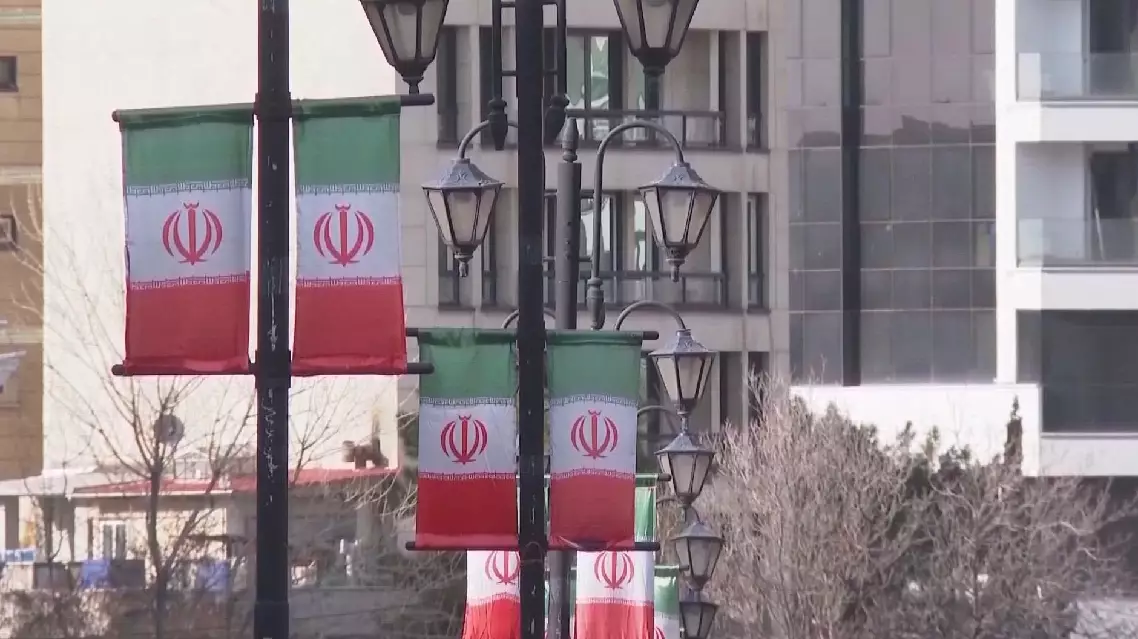
Iran reiterates core positions, US vows no let-up in blockage