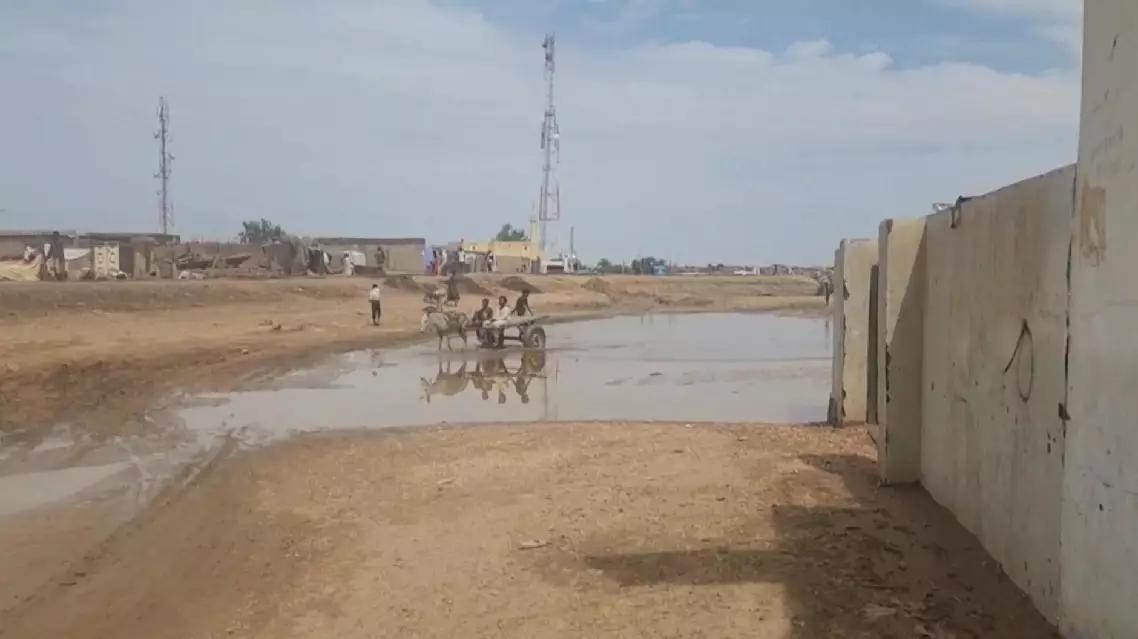
The Blue and White Nile rivers have overflowed across Sudan, unleashing devastating floods that have damaged infrastructure and left thousands stranded.
Government officials say the deluge has destroyed hundreds of homes, triggering widespread displacement and compounding the country’s humanitarian crisis.
In River Nile State, the Civil Defense reports at least 34 deaths and 20 injuries, with over 1,000 homes swept away in northern regions along the Nile.
Residents describe a night of terror as floodwaters surged through homes and farmland.
"We were surprised by the floodwaters. We were asleep, and around 1:30 a.m., the floods arrived. We woke up, we couldn't find a way to combat this massive amount of water. The amount is massive and we couldn't battle it late at night. But we are currently working to drain it. Our situation is truly terrible, really terrible. Everyone here is suffering right now, honestly," said Ramadan Ali, a resident of the River Nile State.
The lack of equipment and resources has frustrated local initiatives to mitigate the damage, while heavy rains continue to hinder movement in some low-lying areas.
The rains have also worsened Sudan's already dire humanitarian situation leading to critical shortages of food and clean water, and hampering relief efforts.
Some of the most affected said the disaster could have been avoided.
"Heavy rains fell, but planning errors by the Abu Hamad locality, in River Nile State, are the cause of this disaster. They planned animal pens and shops in the floodwaters, and these people ended up in the floodwaters, and what we see happened," said Abdul Sami Hussein, another resident of the River Nile State.
The Sudanese Ministry of Agriculture and Irrigation had earlier identified six states at significant risk of the Nile flooding this year, including Gezira State and Khartoum. Authorities have called on citizens living in vulnerable areas to take the necessary precautions.
Sudan floods displace thousands as Blue and White Nile rivers overflow