Crews used large nets, water-filled containers and box trucks to relocate hundreds of river otters, sea turtles, manatees, penguins and sharks to their new home: Mote Marine Laboratory & Aquarium.
Over the past couple of months, the marine animals were removed from the hard-to-reach island and relocated to a brand new center, where Mote believes they will be able to live in more authentic habitats and make it easier for the public to learn about marine sciences. The Mote Science Education Aquarium, just east of Sarasota, is set to open to the public on Wednesday.
Click to Gallery
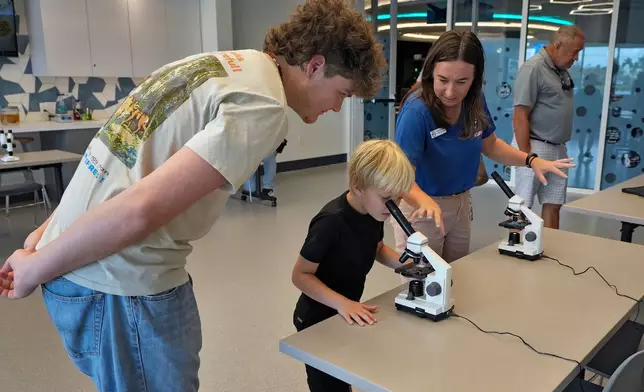
Staff member Amanda Shuman, second from right, instructs visitors using microscopes in the biomedical and immunology teaching laboratory at the Mote Science Education Aquarium, Monday, Oct. 6, 2025, in Sarasota, Fla. (AP Photo/Chris O'Meara)
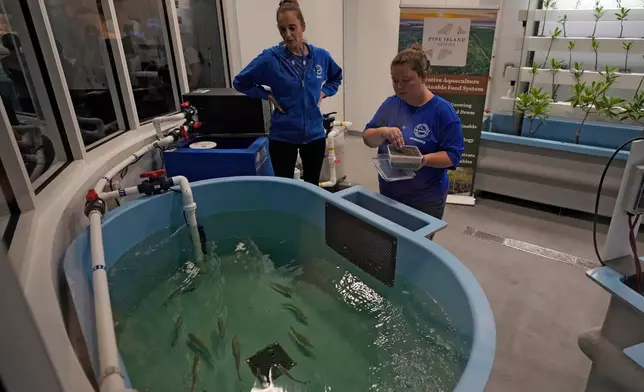
Staff members feed juvenile fish at the Mote Science Education Aquarium, Monday, Oct. 6, 2025, in Sarasota, Fla. (AP Photo/Chris O'Meara)

Visitors watch river otters swim at the Mote Science Education Aquarium, Monday, Oct. 6, 2025, in Sarasota, Fla. (AP Photo/Chris O'Meara)

Visitors watch manatees swim in a tank at the Mote Science Education Aquarium, Monday, Oct. 6, 2025, in Sarasota, Fla. (AP Photo/Chris O'Meara)
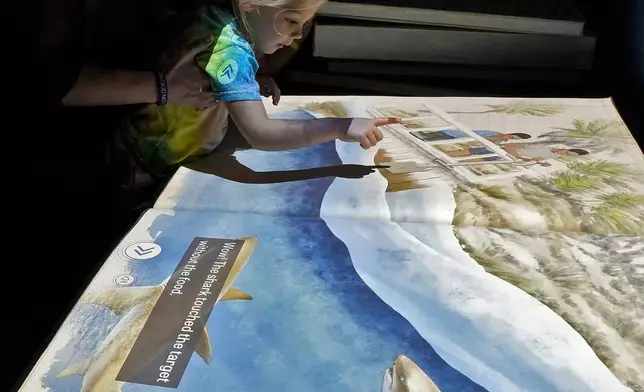
Visitors play with an interactive demonstration at the Mote Science Education Aquarium, Monday, Oct. 6, 2025, in Sarasota, Fla. (AP Photo/Chris O'Meara)
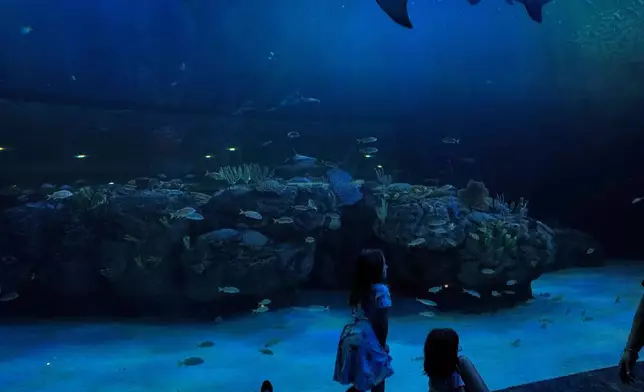
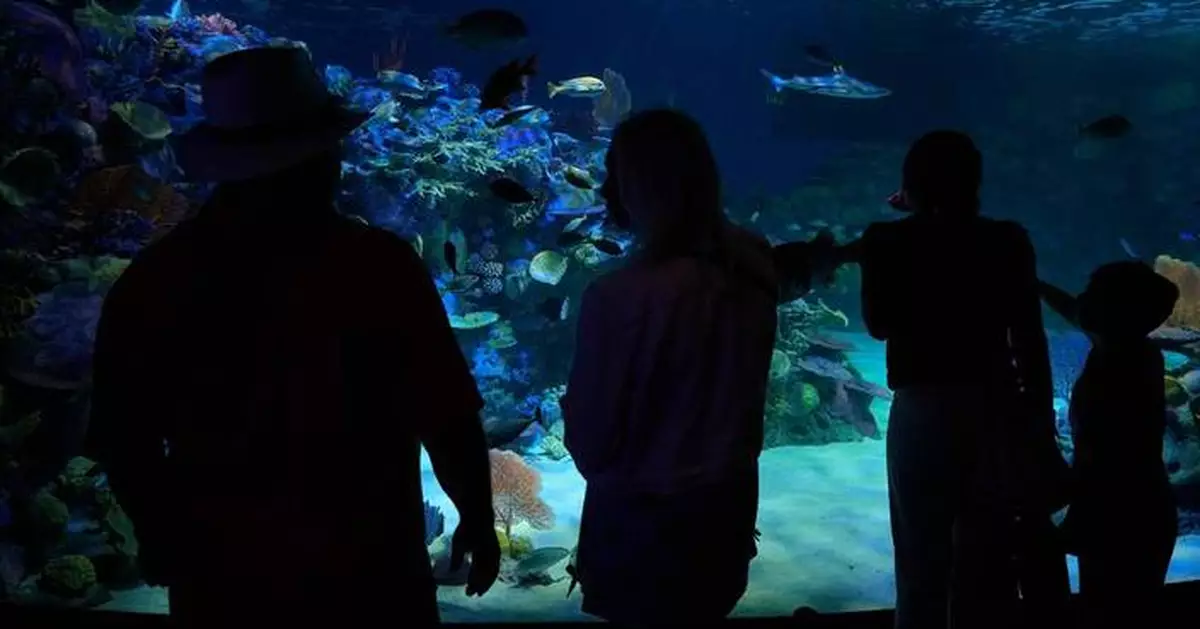
Children lay on the floor as they watch fish swim in a 400,000 gallon tank at the Mote Science Education Aquarium, Monday, Oct. 6, 2025, in Sarasota, Fla. (AP Photo/Chris O'Meara)
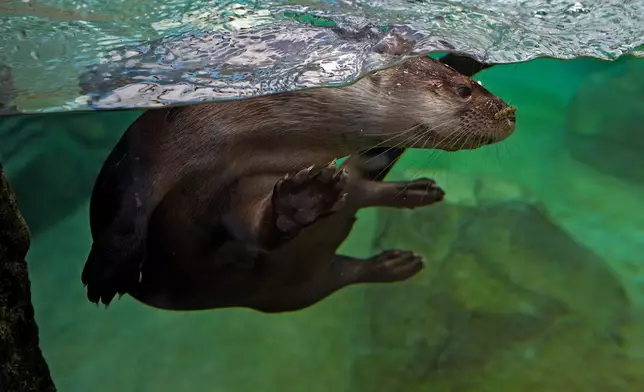
A river otter plays in the water in their tank at the Mote Science Education Aquarium, Monday, Oct. 6, 2025, in Sarasota, Fla. (AP Photo/Chris O'Meara)
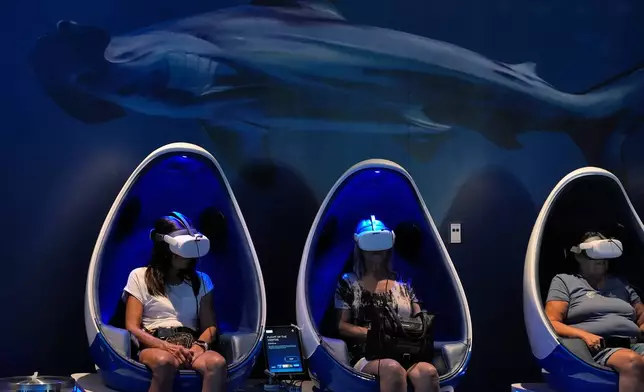
Visitors use virtual reality glasses at the Mote Science Education Aquarium, Monday, Oct. 6, 2025, in Sarasota, Fla. (AP Photo/Chris O'Meara)

A shark swims in a 400,000 gallon tank at the Mote Science Education Aquarium, Monday, Oct. 6, 2025, in Sarasota, Fla. (AP Photo/Chris O'Meara)
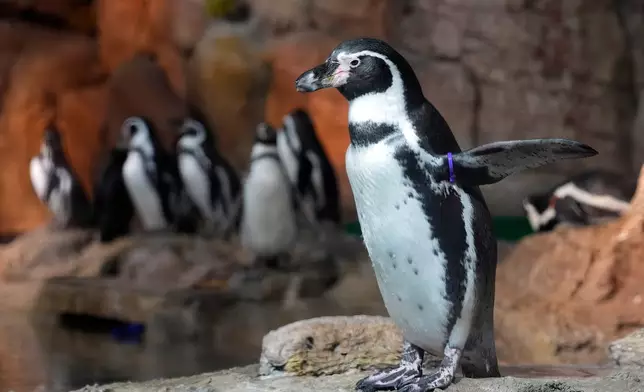
A Humboldt Penguin looks out of it's pen at the Mote Science Education Aquarium, Monday, Oct. 6, 2025, in Sarasota, Fla. (AP Photo/Chris O'Meara)
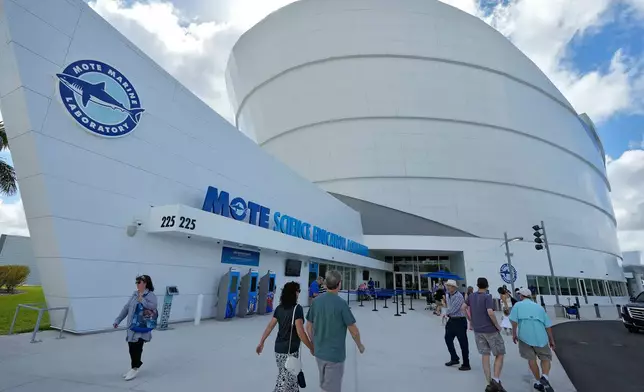
Guests arrive at the Mote Science Education Aquarium for a soft opening, Monday, Oct. 6, 2025, in Sarasota, Fla. (AP Photo/Chris O'Meara)
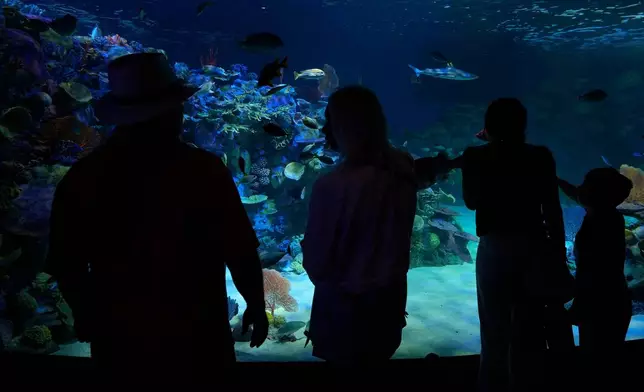
Visitors watch fish swim in a replica of an Indo-Pacific reef at the Mote Science Education Aquarium Monday, Oct. 6, 2025, in Sarasota, Fla. (AP Photo/Chris O'Meara)
“We have created new authentic habitats for all our species of marine life, including a massive manatee habitat, and homes for some of our newest animals, like the giant Pacific octopus and our penguins," said Kevin Cooper, vice president for communications and strategic Initiatives at Mote.
“We are also adding more opportunities to learn about marine science for our guests, school children and adult learners and offering new opportunities for citizen scientists to participate in marine science through outreach,” he said.
It was increasingly challenging for visitors to make their way across the bridges from the mainland to the facility on Sarasota's City Island where it had been for 45 years. So it made sense to move the aquarium and education centers farther east while keeping the research portion of the facility on the barrier island.
In July, Mote closed to the public to prepare so the transition could begin. And in August, crews started moving the animals to the new facility.
Mote educated upward of 350,000 guests each year and it's expected to double that in the new center, Cooper said. It cost $130 million to build.
It took time to make sure the habitats at the new Mote SEA facility had the appropriate water chemistry and microbial communities before the animals arrived.
“In the process of that relocation, each different species requires a different type of relocation techniques in order to move them from one facility to another," said Evan Barniskis, associate vice president for Mote. “When moving sharks and fish, you have to do so in water with plenty of oxygen and filtration on it.”
They moved many of the fish and sharks at night, when there was less traffic. The manatees required air-conditioned box trucks that are specifically designed for manatee relocations. Mote has a team devoted to picking up stranded manatees and to rehabilitate them.
“The otters are a little bit simpler because they have specially designed cages that are kind of similar to those you would put a dog or a cat in,” Barniskis said. He added that they moved them in air-conditioned vehicles.
The staff monitored each animal during the journey to the new center. Once at the new site, aquarists and veterinary staff oversaw the acclimation process, as they gradually introduced each animal to the new environment.
“With a transfer operation of this scale, it takes rigorous monitoring, strict protocol adherence, complex coordination and the highest standard of care,” Cooper said. "We consistently monitor each animal for any health or behavioral abnormalities throughout the process and thereafter to ensure successful acclimation.”
“Within this facility, we will have over 400 different species that will be made up of several thousands of individual animals," Barniskis said.
Mote SEA is dedicated to marine science, education, and immersive public experiences, officials said. It contains three STEM teaching labs: Biomedical, Microbiology and Immunology; Marine and Coastal Ecology; and Ocean Engineering, Technology, Robotics and Sensory Development.
It will also provide free hands-on experiences for some 70,000 students from Sarasota and Manatee county schools.
Mote, founded in 1955 by Dr. Eugenie Clark, also operates coral nurseries in the Florida Keys that are helping restore damaged reefs.
“I think the most important thing we want our visitors to take away is a better understanding of marine science and how Mote Marine Laboratory contributes to expanding the knowledge of the marine environment to the world," Barniskis said. "It’s fantastic. Within this aquarium, the Mote Science Education Aquarium, it is our duty to represent that science to the public, to translate it so that the general public can understand exactly what Mote scientists are doing and how we continue to benefit the understanding of the marine environment.”
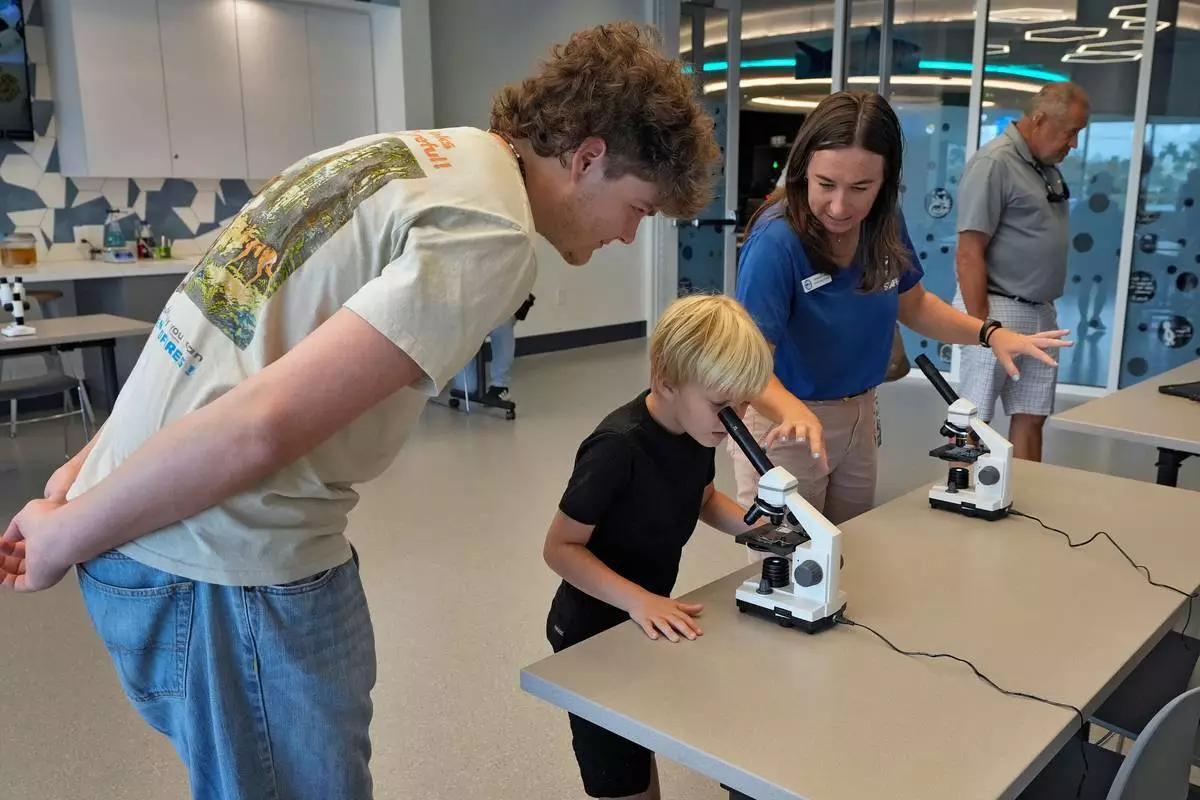
Staff member Amanda Shuman, second from right, instructs visitors using microscopes in the biomedical and immunology teaching laboratory at the Mote Science Education Aquarium, Monday, Oct. 6, 2025, in Sarasota, Fla. (AP Photo/Chris O'Meara)
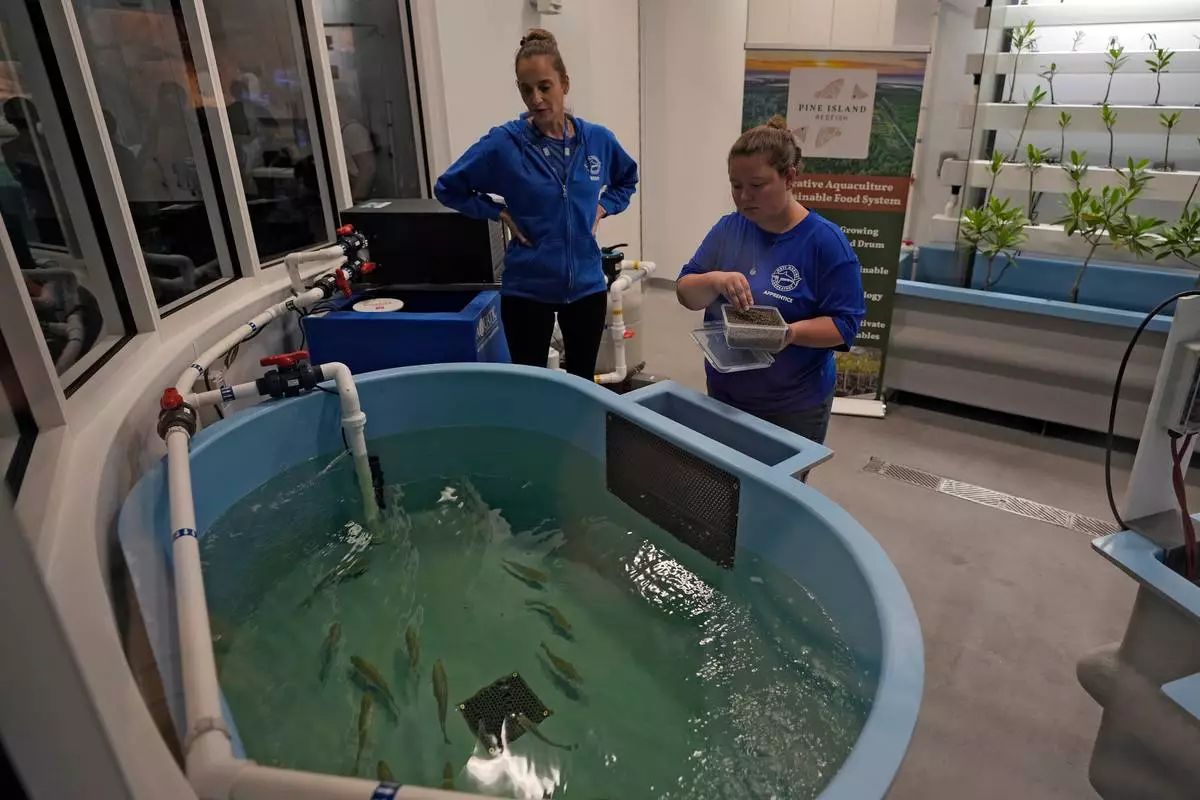
Staff members feed juvenile fish at the Mote Science Education Aquarium, Monday, Oct. 6, 2025, in Sarasota, Fla. (AP Photo/Chris O'Meara)
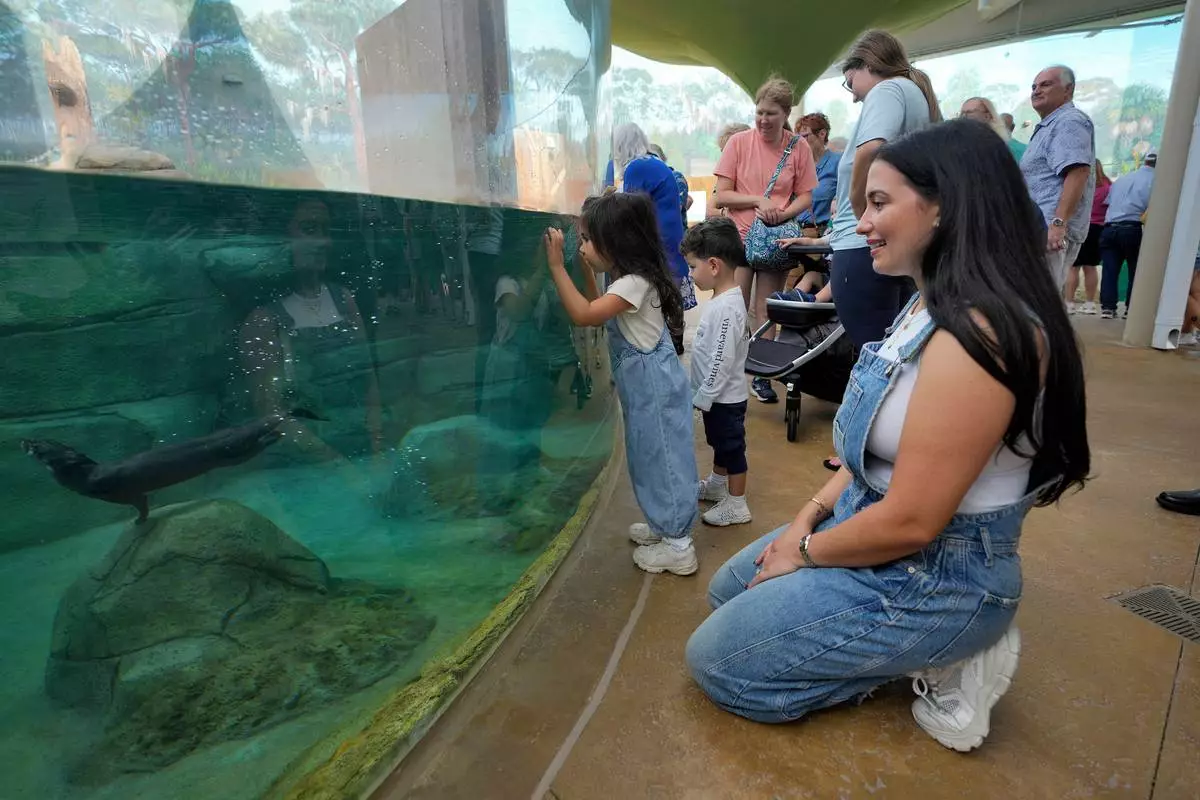
Visitors watch river otters swim at the Mote Science Education Aquarium, Monday, Oct. 6, 2025, in Sarasota, Fla. (AP Photo/Chris O'Meara)
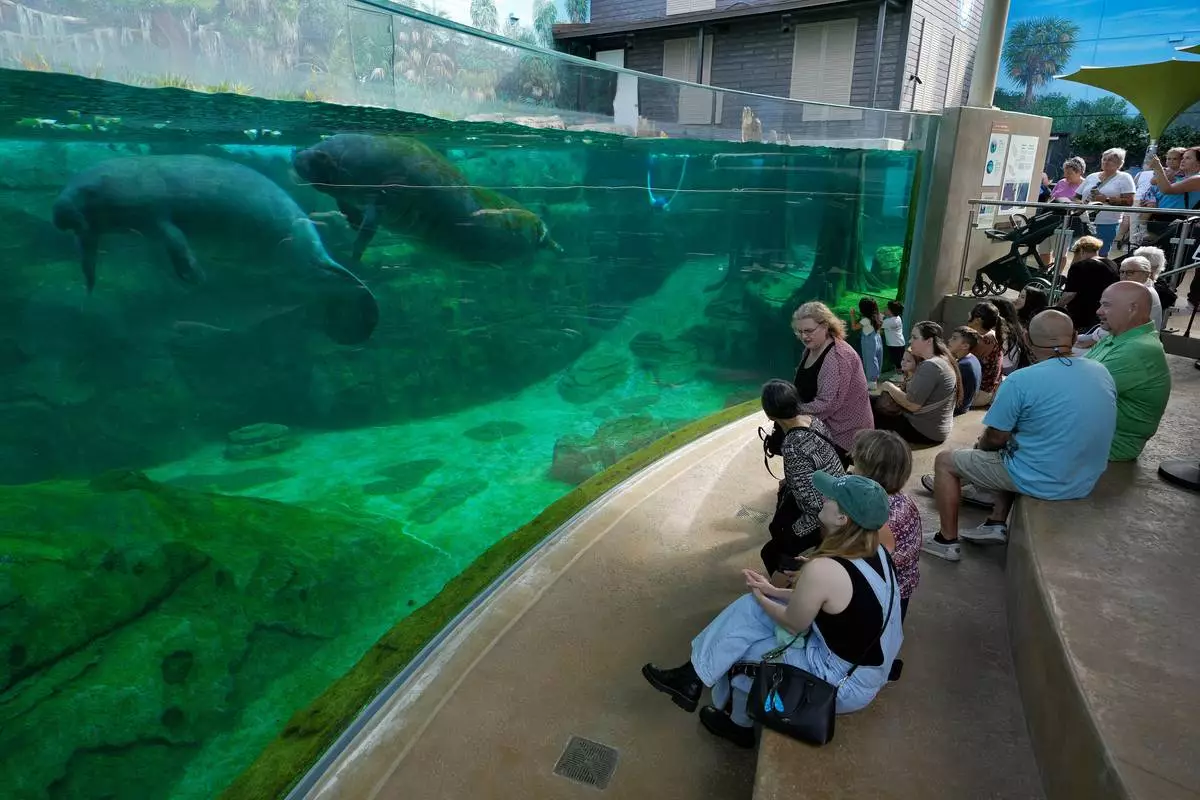
Visitors watch manatees swim in a tank at the Mote Science Education Aquarium, Monday, Oct. 6, 2025, in Sarasota, Fla. (AP Photo/Chris O'Meara)
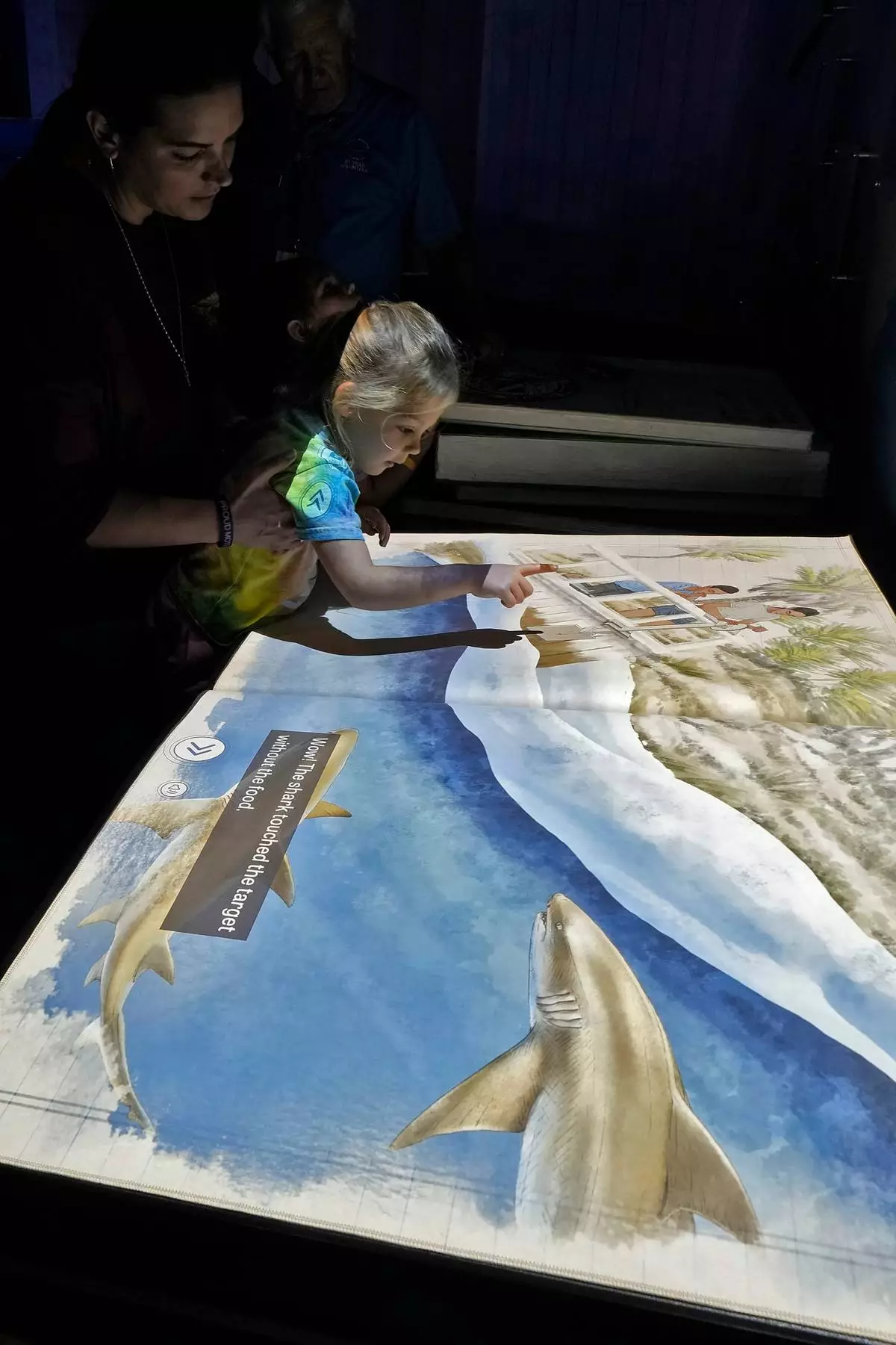
Visitors play with an interactive demonstration at the Mote Science Education Aquarium, Monday, Oct. 6, 2025, in Sarasota, Fla. (AP Photo/Chris O'Meara)
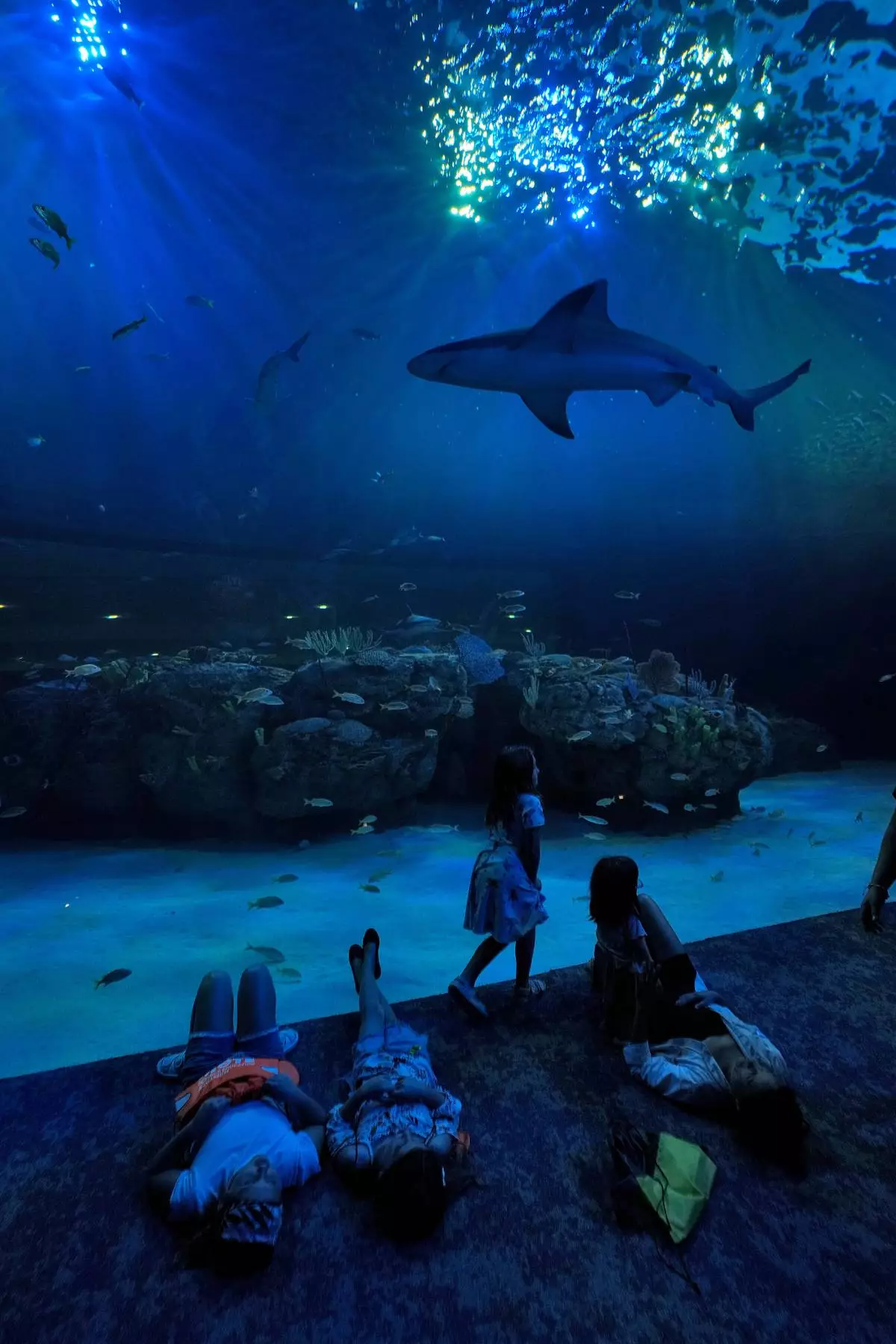
Children lay on the floor as they watch fish swim in a 400,000 gallon tank at the Mote Science Education Aquarium, Monday, Oct. 6, 2025, in Sarasota, Fla. (AP Photo/Chris O'Meara)
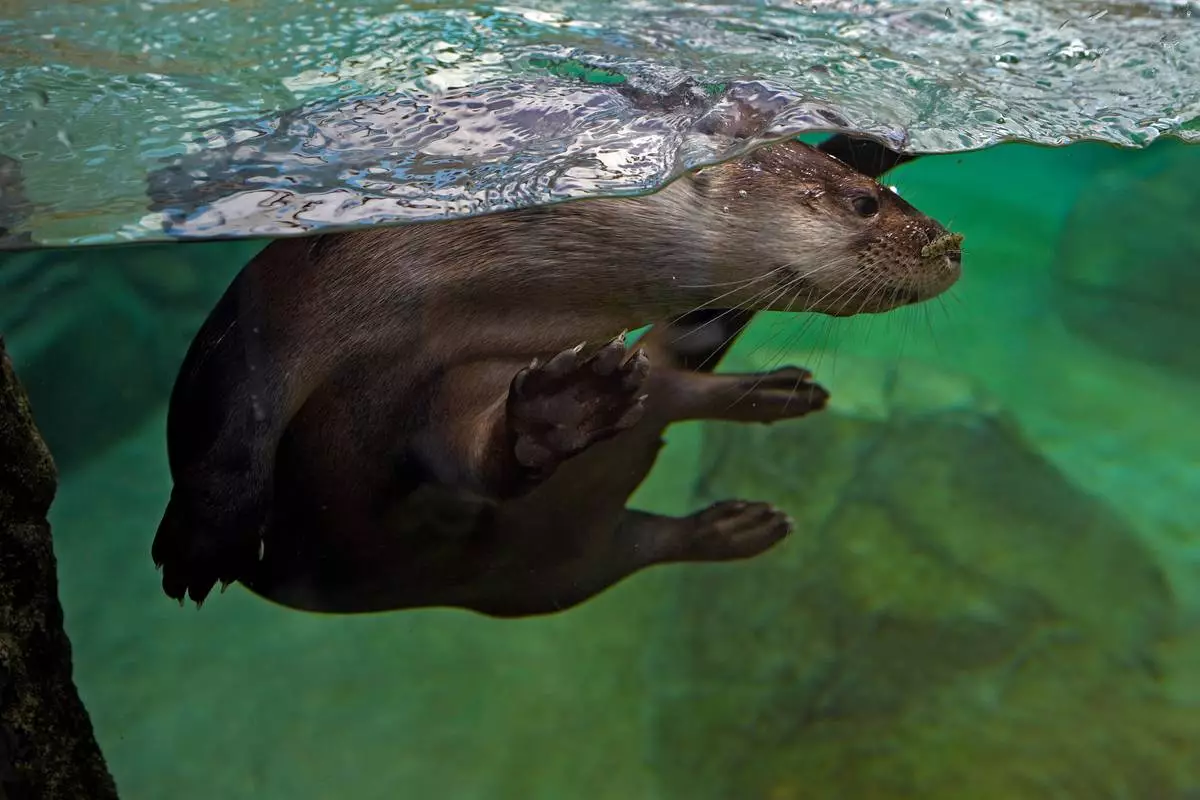
A river otter plays in the water in their tank at the Mote Science Education Aquarium, Monday, Oct. 6, 2025, in Sarasota, Fla. (AP Photo/Chris O'Meara)
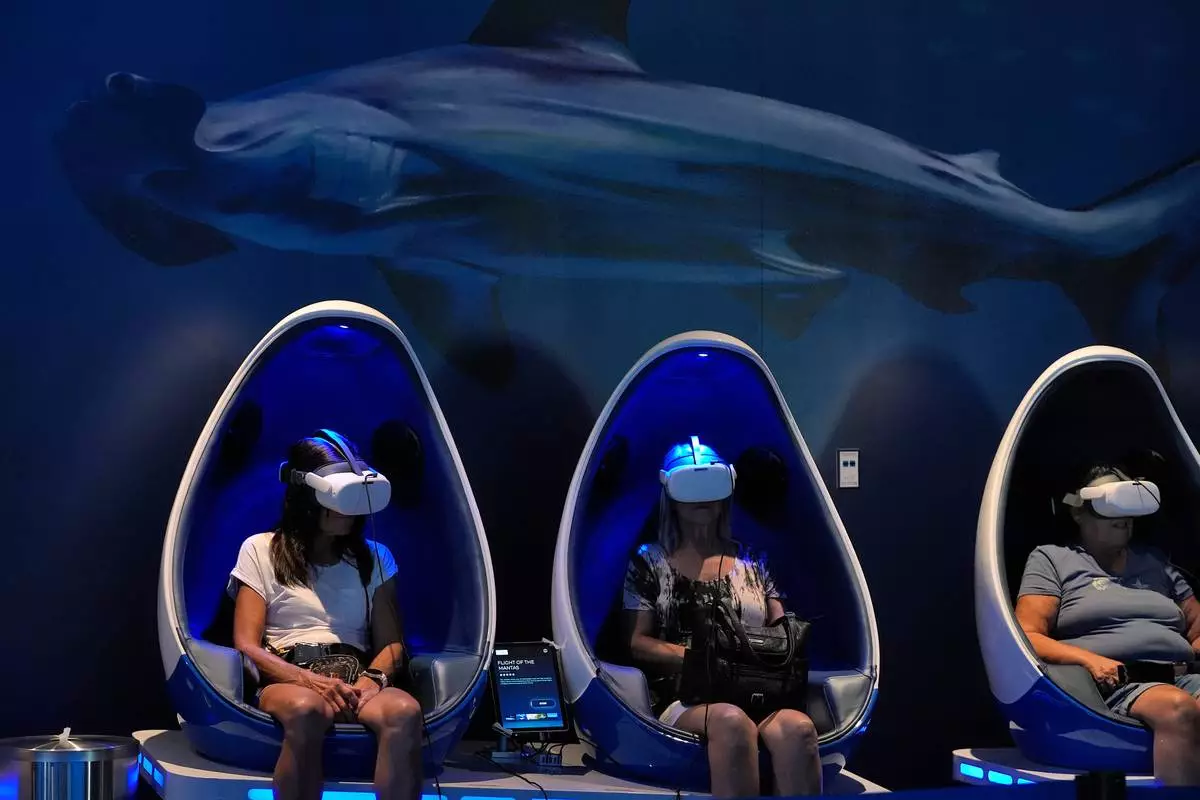
Visitors use virtual reality glasses at the Mote Science Education Aquarium, Monday, Oct. 6, 2025, in Sarasota, Fla. (AP Photo/Chris O'Meara)
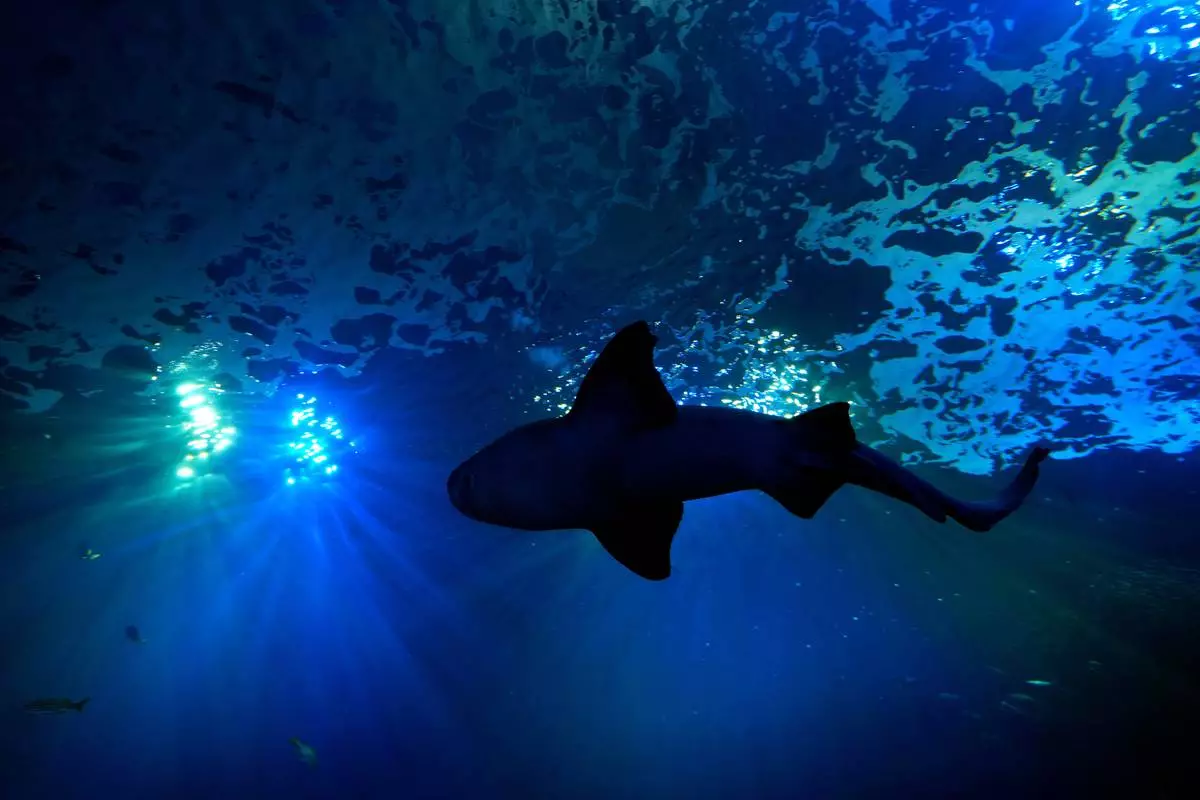
A shark swims in a 400,000 gallon tank at the Mote Science Education Aquarium, Monday, Oct. 6, 2025, in Sarasota, Fla. (AP Photo/Chris O'Meara)
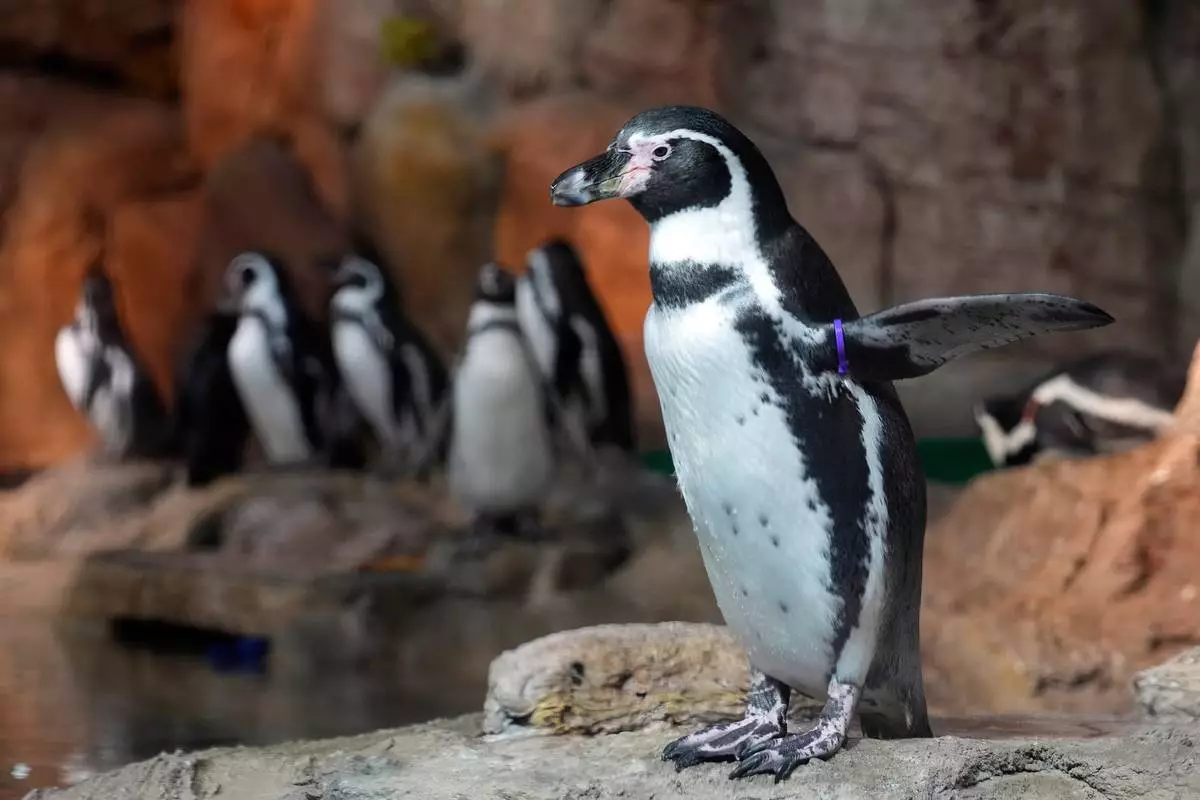
A Humboldt Penguin looks out of it's pen at the Mote Science Education Aquarium, Monday, Oct. 6, 2025, in Sarasota, Fla. (AP Photo/Chris O'Meara)
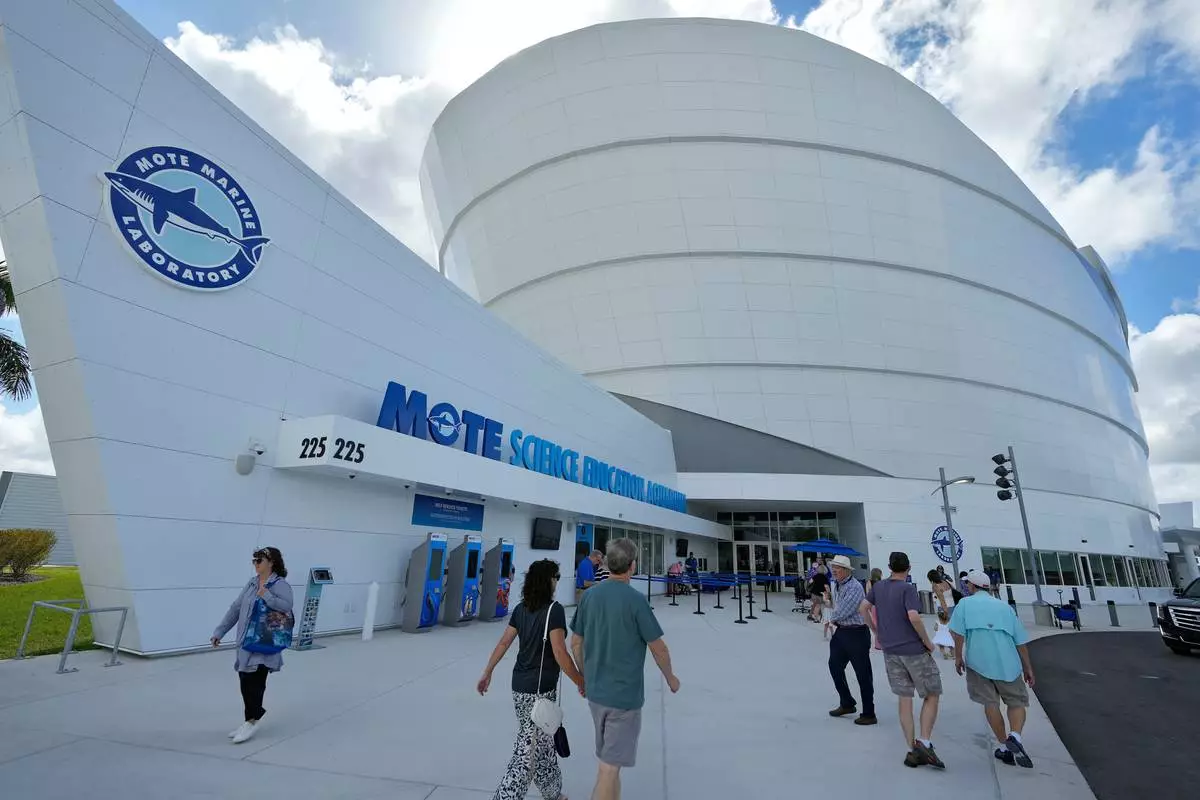
Guests arrive at the Mote Science Education Aquarium for a soft opening, Monday, Oct. 6, 2025, in Sarasota, Fla. (AP Photo/Chris O'Meara)
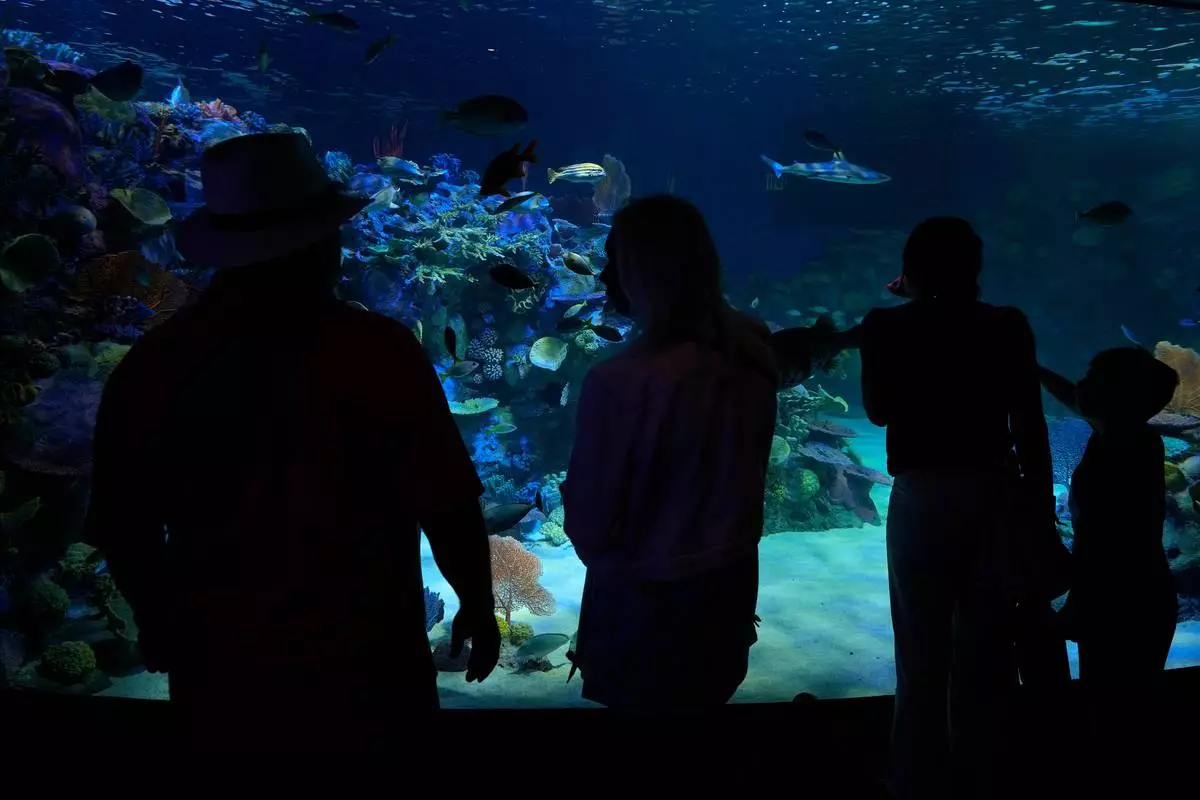
Visitors watch fish swim in a replica of an Indo-Pacific reef at the Mote Science Education Aquarium Monday, Oct. 6, 2025, in Sarasota, Fla. (AP Photo/Chris O'Meara)