VATICAN CITY (AP) — Pope Leo XIV criticized how the wealthy live in a “bubble of comfort and luxury” while poor people suffer on the margins, confirming in his first teaching document that he is in perfect lockstep with his predecessor Pope Francis on matters of social and economic injustice.
The Vatican on Thursday released the document, entitled “I have loved you,” which Francis had begun to write in his final months but never finished. Leo, who was elected in May, credited Francis with the text, cited him repeatedly, but said he had made the document his own and signed it.
Click to Gallery
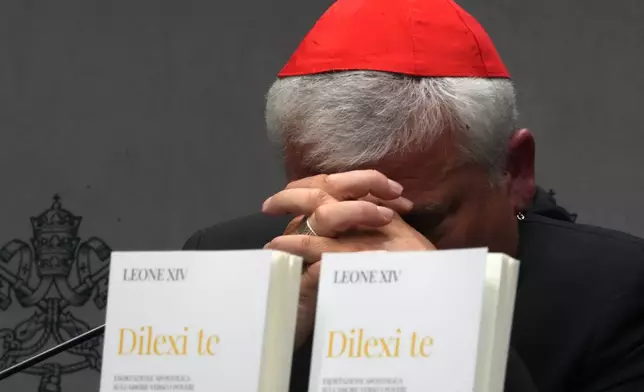
Cardinal Konrad Krajewski attends a press conference at the Vatican to present Pope Leo XIV's exhortation "Dilexi te"about love for the poor, Thursday, Oct. 9, 2025. (AP Photo/Domenico Stinellis)
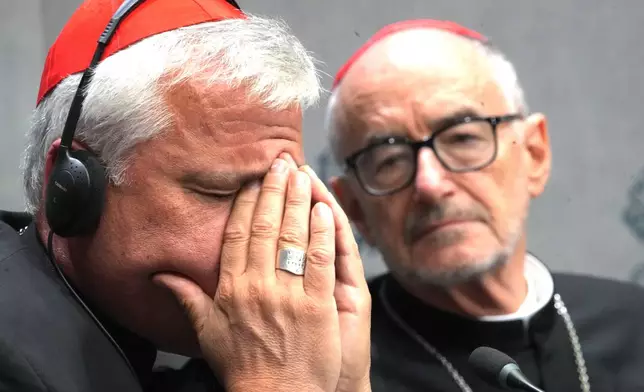
Cardinals Konrad Krajewski, left, and Michael Czerny attend a press conference at the Vatican to present Pope Leo XIV's exhortation "Dilexi te"about love for the poor, Thursday, Oct. 9, 2025. (AP Photo/Domenico Stinellis)
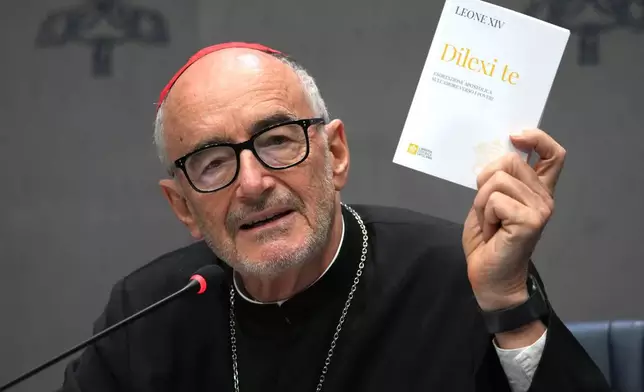
Cardinal Michael Czerny attends a press conference at the Vatican to present Pope Leo XIV's exhortation "Dilexi te"about love for the poor, Thursday, Oct. 9, 2025. (AP Photo/Domenico Stinellis)

Pope Leo XIV holds his weekly general audience in St. Peter's Square, at the Vatican, Wednesday, Oct. 8, 2025. (AP Photo/Andrew Medichini)
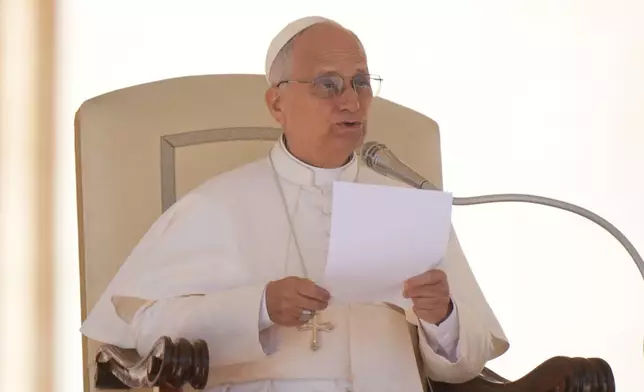
Pope Leo XIV holds his weekly general audience in St. Peter's Square, at the Vatican, Wednesday, Oct. 8, 2025. (AP Photo/Andrew Medichini)
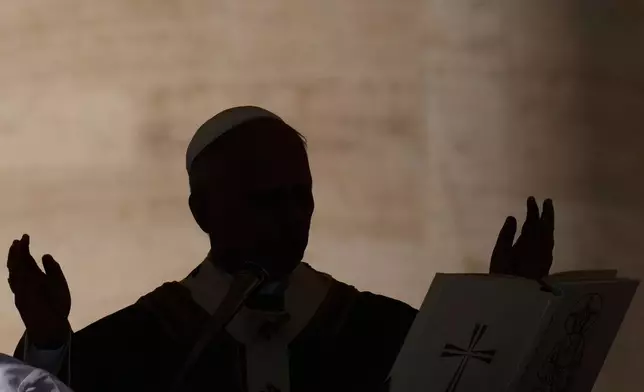
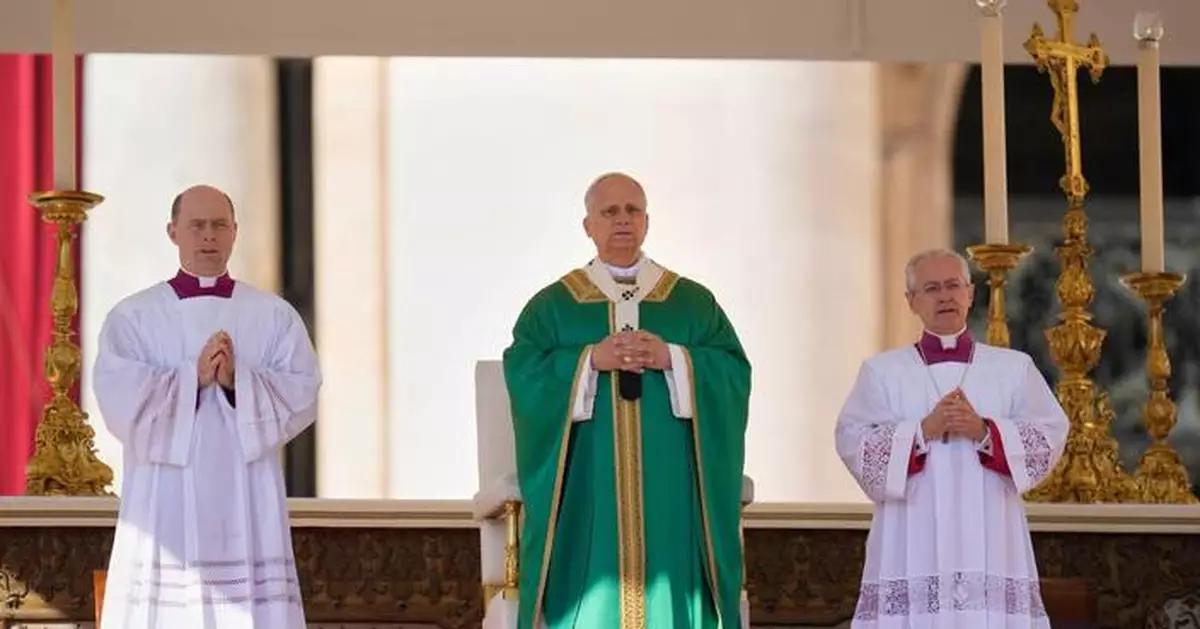
Pope Leo XIV presides over a Mass for the participants in the jubilee of ordained people in St. Peter's Square, at the Vatican, Thursday, Oct. 9, 2025. (AP Photo/Gregorio Borgia)
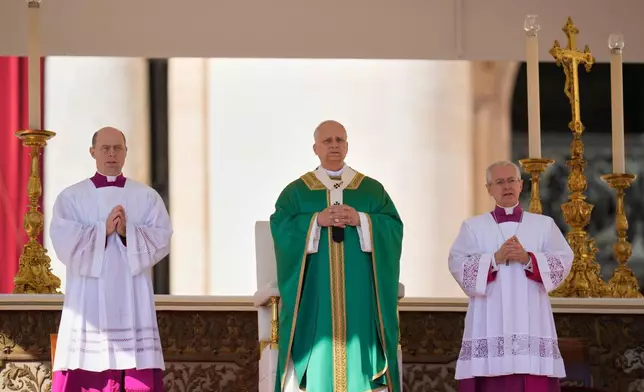
Pope Leo XIV presides over a Mass for the participants in the jubilee of ordained people in St. Peter's Square, at the Vatican, Thursday, Oct. 9, 2025. (AP Photo/Gregorio Borgia)
The 100-page document traces the history of Christianity’s constant concern for poor people, from Biblical citations and the teaching of church fathers to the preaching of recent popes about caring for migrants, prisoners and victims of human trafficking.
Leo credits especially women’s religious orders with carrying out God’s mandate to care for the sick, feed the poor and welcome the stranger, and also praised lay-led popular movements advocating for land, housing and work for the society’s most disadvantaged.
The conclusion Leo draws is that the Catholic Church’s “preferential option for the poor” has existed from the start, is non-negotiable and is the very essence of what it means to be Christian. He calls for a renewed commitment to fixing the structural causes of poverty, while providing unquestioning charity to those who need it.
“When the church kneels beside a leper, a malnourished child or an anonymous dying person, she fulfills her deepest vocation: to love the Lord where he is most disfigured,” Leo writes.
Leo cites Francis frequently, including in some of the Argentine pope’s most-quoted talking points about the global “economy that kills” and criticism of trickle down economics. Francis made those points from the very start of his pontificate in 2013, saying he wanted a “church that is poor and for the poor.”
“God has a special place in his heart for those who are discriminated against and oppressed, and he asks us, his church, to make a decisive and radical choice in favor of the weakest,” Leo writes.
Echoing Francis, Leo rails against the “illusion of happiness” derived from accumulating wealth. “Thus, in a world where the poor are increasingly numerous, we paradoxically see the growth of a wealthy elite, living in a bubble of comfort and luxury, almost in another world compared to ordinary people.”
Francis’ frequent criticism of capitalism angered many conservative and wealthy Catholics, especially in the United States, who accused the Argentine Jesuit of being a Marxist.
In a recent interview, Leo said such misdirected criticism cannot be leveled against him. “The fact that I am American means, among other things, people can’t say, like they did about Francis, ‘he doesn’t understand the United States, he just doesn’t see what’s going on,’” Leo told Crux, a Catholic site.
As a result, Leo’s embrace of Francis’ teaching on poverty and the church’s obligation to care for the weakest is a significant reaffirmation, especially in Leo’s first teaching document.
Vatican officials insisted that the text was fully Leo’s and declined to say how much Francis had written before he died.
“It's 100% Francis and it's 100% Leo,” said Cardinal Michael Czerny, who runs the Vatican's development and migrants office and was a top Francis aide. Asked if the same conservatives who labeled Francis a Marxist or Communist will now accuse Leo of the same, Czerny noted that both are merely following the Gospel.
Such labels “say much more about the person who is using the label,” Czerny said. “The problem is not Pope Francis’ or Pope Leo’s. The problem is the person,” using such labels to reject the church's teaching.
Francis’ spirit was very much infused in the document and in its official presentation on Thursday.
In addition to Czerny, the news conference featured a rare appearance by Cardinal Konrad Krajewski, the Polish prelate whom Francis entrusted with carrying out his personal acts of charity over the course of his pontificate. Under Krajewski's quiet eye, the Vatican installed showers for homeless people off St. Peter’s Square, provided COVID-19 vaccines for 6,000 migrants and people without access to Italy's health service, sent ambulances with medicine to Ukraine and hosted weekly luncheons for the hungry.
Krajewski said the document was proof that such gestures of charity toward the needy come straight from the Bible, recalling that Jesus didn't work 9-5 in an office, but rather went out and looked for people who needed him.
Krajewski regaled reporters with anecdotes of his behind-the-scenes dealings with Francis, who would jokingly reprimand him if his bank account had too much money in it because it meant he hadn't spent enough on poor people.
Leo signed the text on Oct. 4, the feast of St. Francis of Assisi, the 13th-century mendicant friar who renounced his wealth to live poor among the poor. The date was not coincidental.
The late Pope Francis named himself after the saint and one of the pontiff’s most important documents — “Fratelli Tutti” (Brothers All) — was itself published on the Oct. 4 feast day in 2020.
Leo, too, seems inspired by the saint’s example: As a young priest, the former Robert Prevost left the comforts of home to work as a missionary in Peru as a member of the Augustinian religious order, one of the other ancient mendicant orders that considers community, the sharing of communal property and service to others as central tenets of its spirituality.
“The fact that some dismiss or ridicule charitable works, as if they were an obsession on the part of a few and not the burning heart of the church’s mission, convinces me of the need to go back and reread the Gospel, lest we risk replacing it with the wisdom of this world,” Leo writes.
Associated Press religion coverage receives support through the AP’s collaboration with The Conversation US, with funding from Lilly Endowment Inc. The AP is solely responsible for this content.
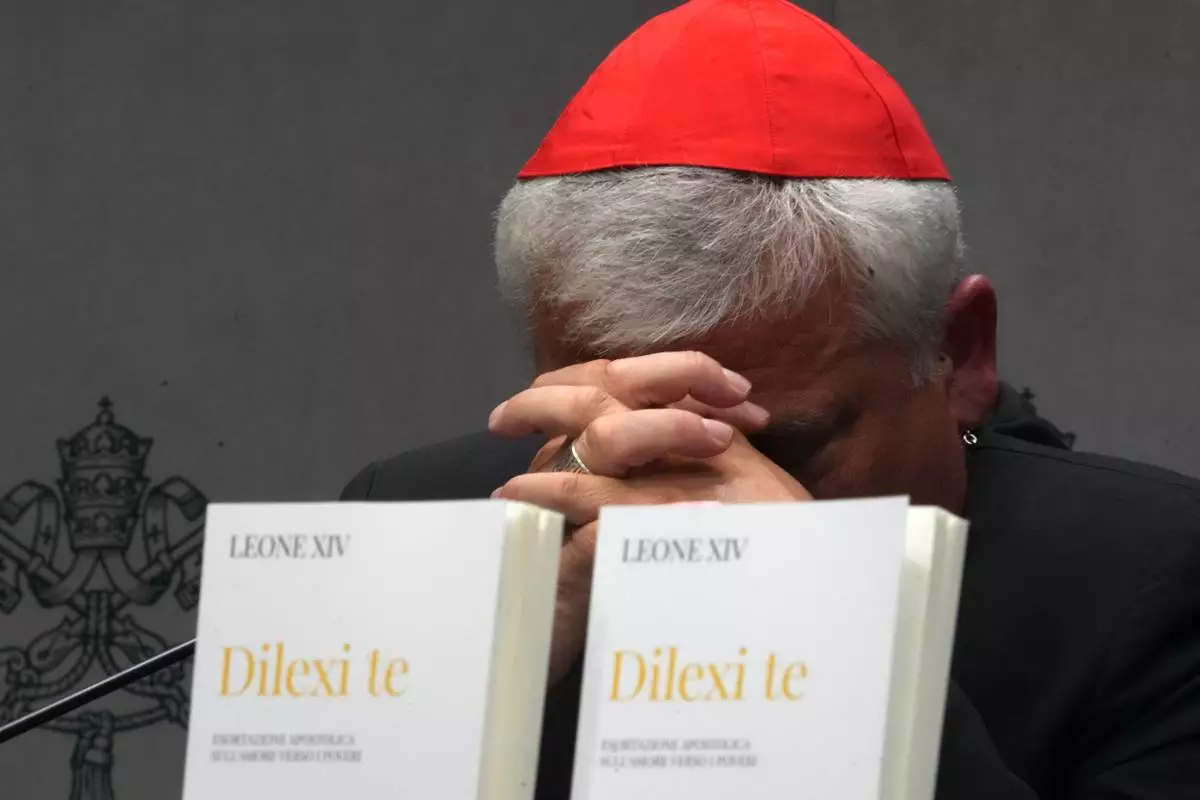
Cardinal Konrad Krajewski attends a press conference at the Vatican to present Pope Leo XIV's exhortation "Dilexi te"about love for the poor, Thursday, Oct. 9, 2025. (AP Photo/Domenico Stinellis)
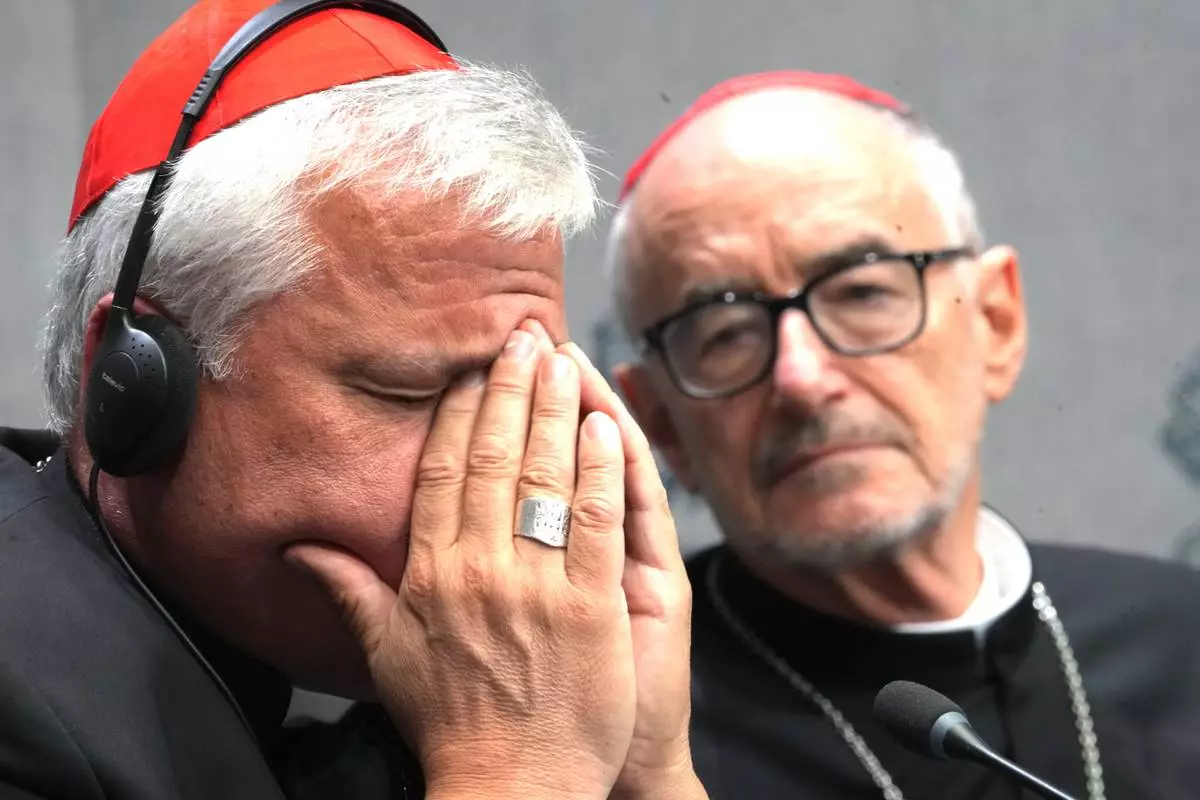
Cardinals Konrad Krajewski, left, and Michael Czerny attend a press conference at the Vatican to present Pope Leo XIV's exhortation "Dilexi te"about love for the poor, Thursday, Oct. 9, 2025. (AP Photo/Domenico Stinellis)
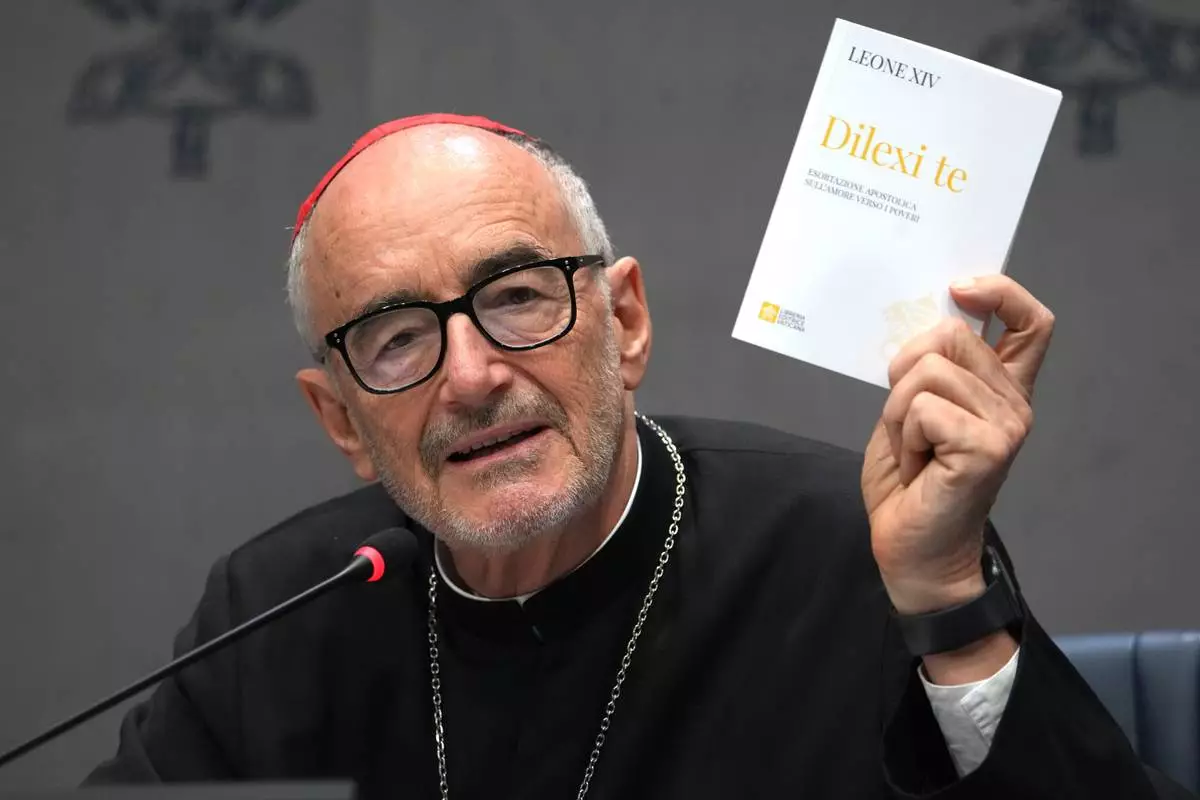
Cardinal Michael Czerny attends a press conference at the Vatican to present Pope Leo XIV's exhortation "Dilexi te"about love for the poor, Thursday, Oct. 9, 2025. (AP Photo/Domenico Stinellis)
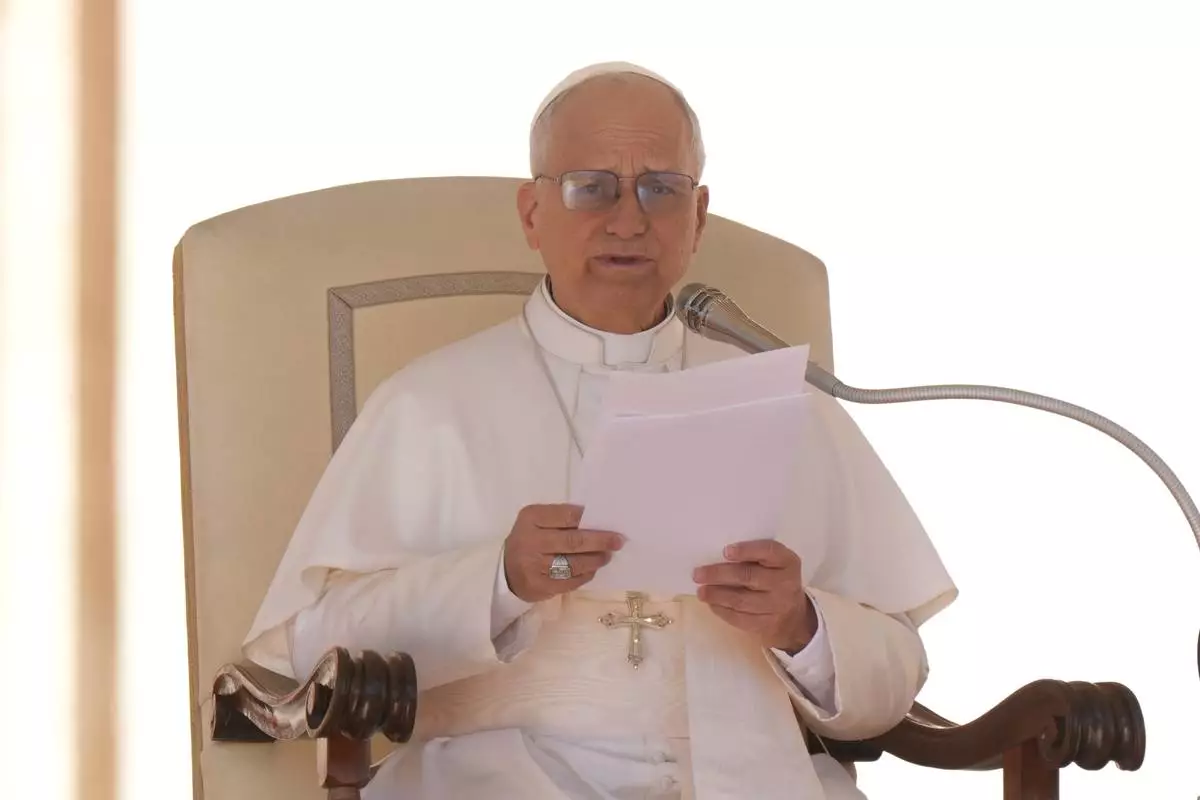
Pope Leo XIV holds his weekly general audience in St. Peter's Square, at the Vatican, Wednesday, Oct. 8, 2025. (AP Photo/Andrew Medichini)
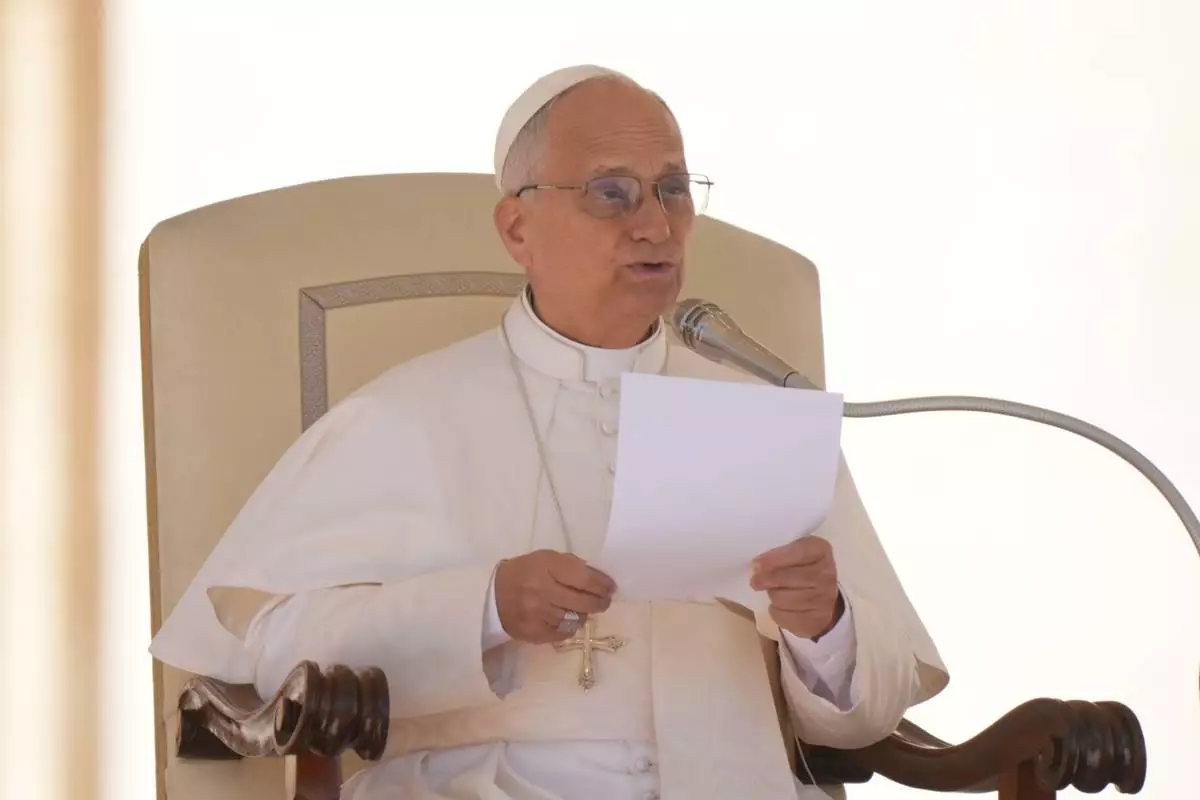
Pope Leo XIV holds his weekly general audience in St. Peter's Square, at the Vatican, Wednesday, Oct. 8, 2025. (AP Photo/Andrew Medichini)
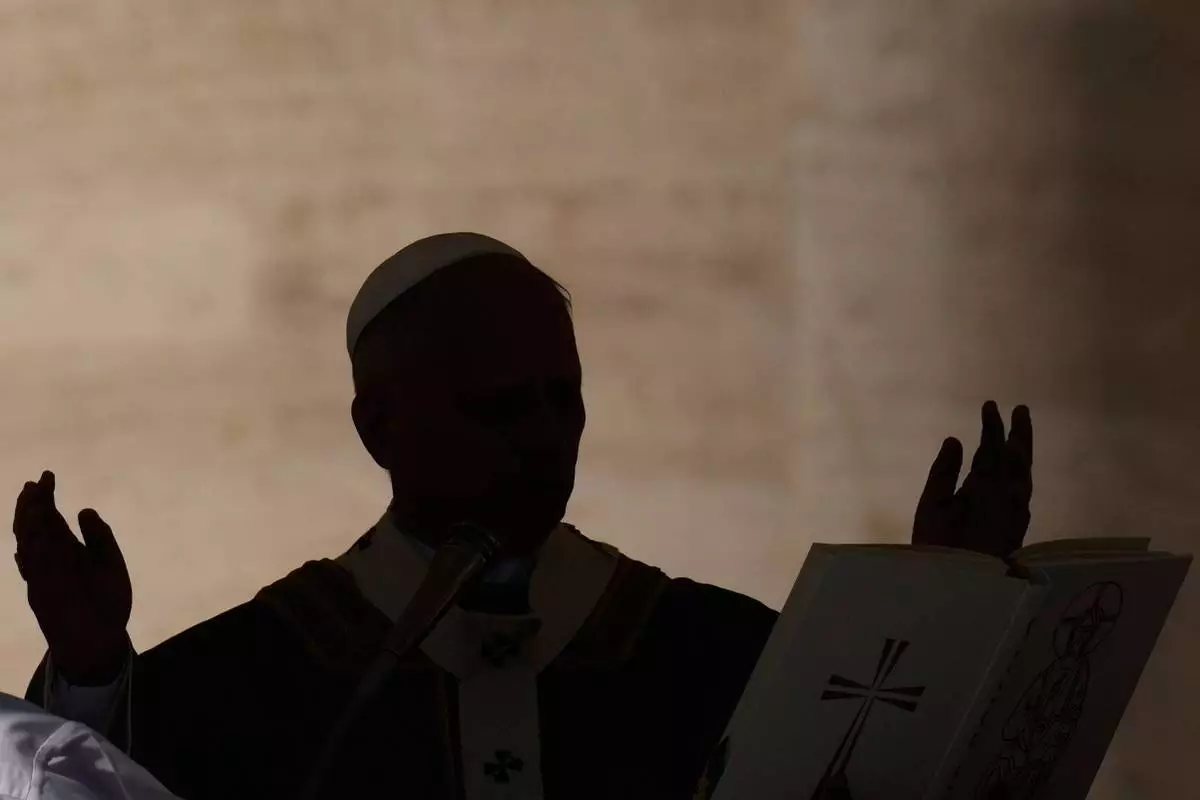
Pope Leo XIV presides over a Mass for the participants in the jubilee of ordained people in St. Peter's Square, at the Vatican, Thursday, Oct. 9, 2025. (AP Photo/Gregorio Borgia)
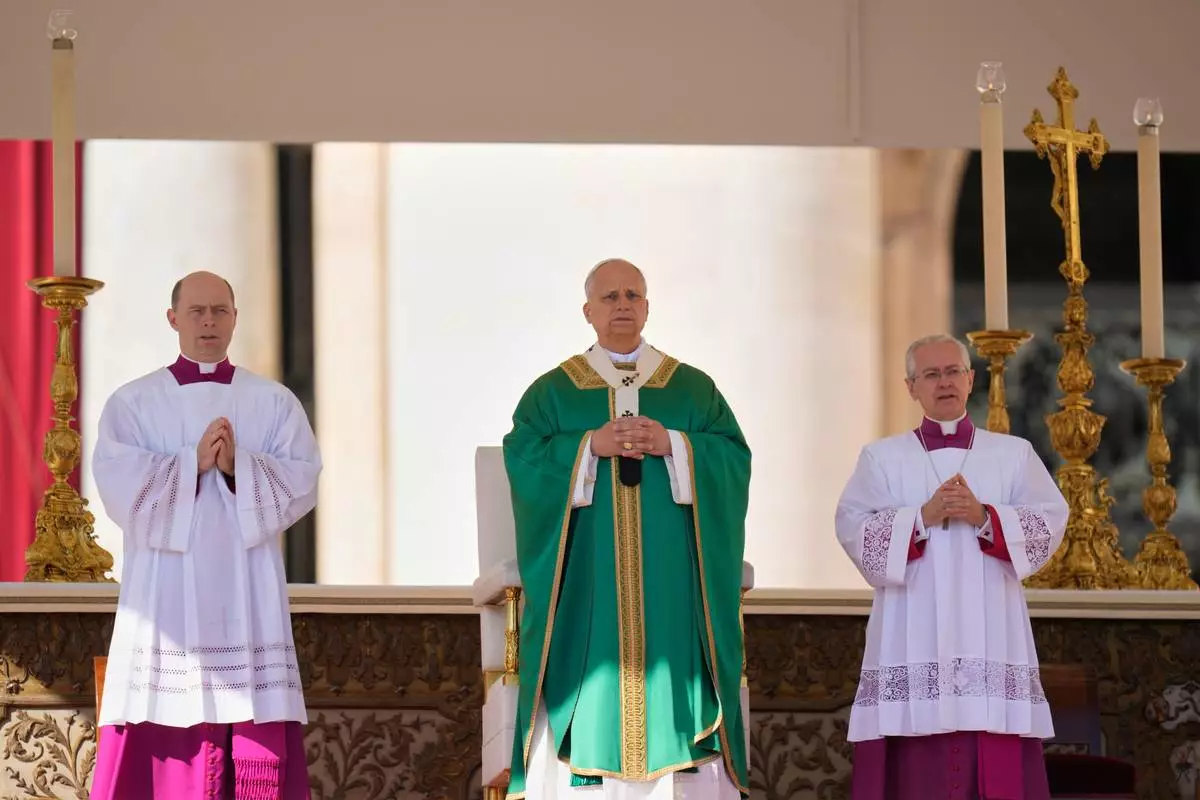
Pope Leo XIV presides over a Mass for the participants in the jubilee of ordained people in St. Peter's Square, at the Vatican, Thursday, Oct. 9, 2025. (AP Photo/Gregorio Borgia)