China hopes that a permanent and comprehensive ceasefire can be achieved in the Gaza Strip at an early date to effectively ease the humanitarian crisis and tensions in the region, said Foreign Ministry Spokesman Guo Jiaqun at a regular press briefing in Beijing on Thursday.
Guo said China upholds the principle of "Palestinians governing Palestine," and promotes implementation of the two-state solution.
China stands ready to work with the international community to achieve a comprehensive, just and lasting settlement of the Palestinian issue and tirelessly promote peace and stability in the Middle East, he said.
Earlier Thursday, the Islamic Resistance Movement (Hamas) announced that it has reached an agreement to end the war in the Gaza Strip, ensure the withdrawal of Israeli forces, allow the entry of humanitarian aid, and carry out a prisoner exchange.
The announcement came following three days of indirect talks between Hamas and Israel in Egypt's resort city of Sharm el-Sheikh brokered by the United States, Qatar, Egypt and Türkiye to negotiate a peace plan proposed by U.S. President Donald Trump.
According to Egypt's Qahera TV, Gaza ceasefire entered into force just now.
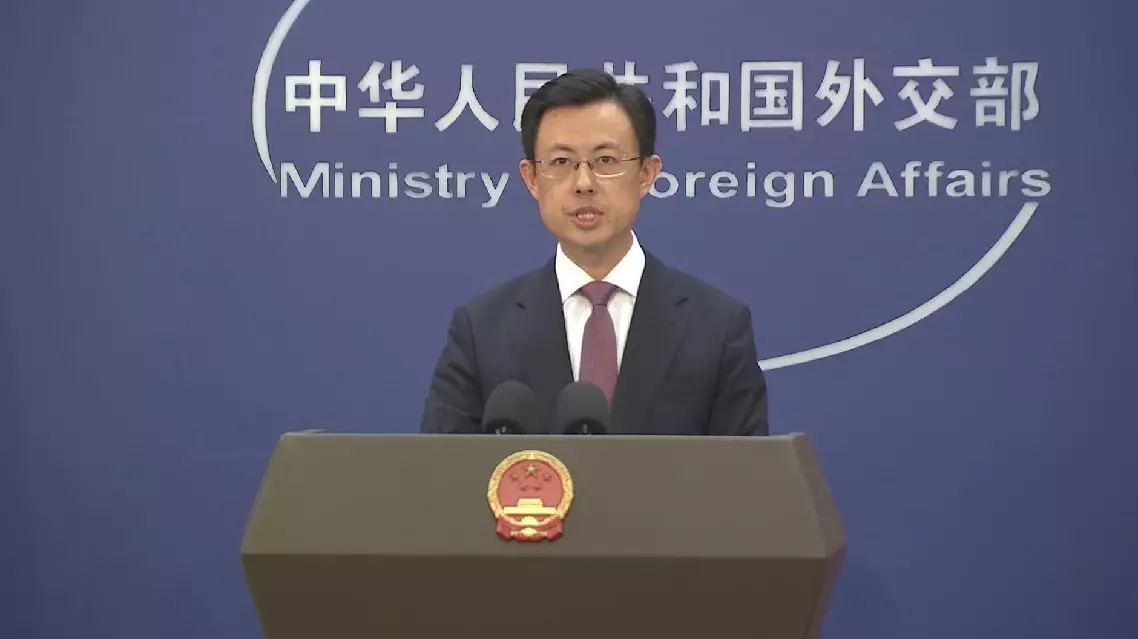
China calls for permanent Gaza ceasefire, stresses two-state solution
China calls for permanent Gaza ceasefire, stresses two-state solution
China's pledge of full zero-tariff treatment for 53 African countries with diplomatic relations has been hailed by the African Union (AU) Commission as both a milestone in the continent's modernization drive and proof of China's role as a "true friend" to Africa.
Announced in June 2025, the policy underscores China's readiness to negotiate and sign the China‑Africa Economic Partnership for Shared Development. By removing tariffs across all product categories, the initiative is expected to cut trade costs for African exporters, expand market access to China, and strengthen the predictability and efficiency of cross‑border commerce.
In an interview with China Media Group (CMG), AU Commission Chairperson Mahmoud Ali Youssouf expressed gratitude to China, contrasting Beijing's approach with that of other countries that have imposed tariffs or sanctions on Africa.
"Let me start by really being grateful to China. When other countries are imposing tariffs and sanctions on the continent, China is opening its heart and doors for the African member countries. So you know your friends when you are in need. A friend in need is a friend indeed, so China is really a friend to the African countries. And this is the best illustration of that friendship," said Mahmoud Ali Youssouf, African Union (AU) Commission Chairperson.
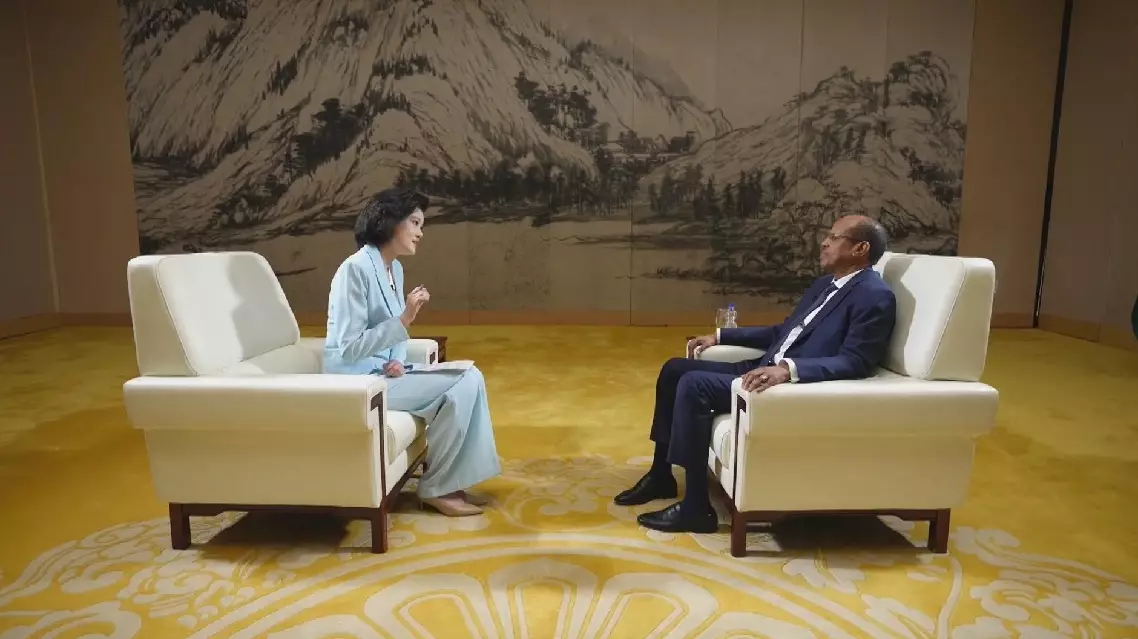
AU chief calls China "true friend" after zero‑tariff pledge to Africa