New Zealand is developing a new generation of highly promising cancer treatments in collaboration with Chinese scientists.
The joint research program was established as part of China's Belt and Road Initiative.
Cancer is the leading cause of death in New Zealand, and many people with advanced blood diseases, like lymphoma and leukemia, are forced to travel overseas for expensive private treatment. Researchers hope the development of a new "third-generation" CAR T-cell therapy could change that.
"We can bring down the cost and improve the side effect profile, then potentially this could be accessed by a far larger group of patients than those that are accessing these treatments currently," said Robert Weinkove, clinical director of the Malaghan Institute of Medical Research.
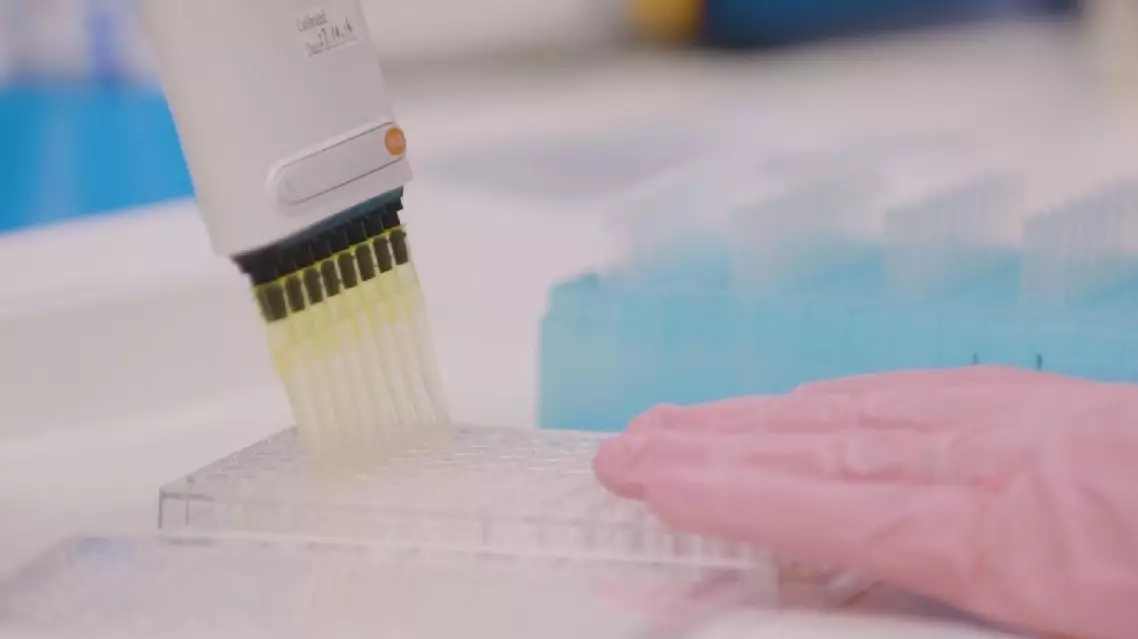
CAR T-cell therapy involves the genetic modification of a patient's immune cells to recognize and eliminate cancer cells. It costs up to half a million U.S. dollars. The treatment being designed by the Malaghan Institute has been mechanized to make it more cost-effective.
"We want to make it standard of care. So basically, we want it available through the public health system to any patient that could benefit from it," said Mike Zablocki, managing director of the Malaghan Institute of Medical Research.
The research was made possible after China shared its blueprint for CAR T-cell therapy. Collaboration between the two countries has led to the registration of almost 30 intellectual property rights for cancer treatment worldwide.
"This is absolutely the two-way collaboration. It's not just single, China bringing the technology here to New Zealand, but also New Zealand partners bring some benefit to China as well," said Raymond Wu, business manager of the Wellington Zhaotai Therapies.
Auckland businessman David Downs, a cancer survivor who traveled to the United States at great expense for CAR T-cell treatment, said he fully supports the collaboration with China.
"It's important to have a homegrown therapy in New Zealand because essentially we can't rely on the rest of the world bringing their medical treatments to New Zealand," said Downs.
The initial research for New Zealand's CAR T-cell therapy started at the University of Auckland as part of a joint China-New Zealand laboratory which aims to deepen and expand scientific collaboration.
The joint research has led to the development of another promising anti-cancer drug called LX-132 that is now being trialled in China to treat advanced solid tumors like gastric cancer.
"We're hoping our one will be better than the existing ones, a little bit less toxic, a little more efficacious, and maybe a little more active in more cancers than the existing ones are," said Jeff Smaill, associate investigator of the Maurice Wilkins Center, a research center in the country.
New Zealand's joint venture with China's Hunan Zhaotai Medical Group has already led to a licensing agreement in India for the CAR T-cell therapy.
"We're hoping to get it into clinical trials in India before the end of this year, and from there to the rest of the world, hopefully," said Zablocki.
The ultimate goal is more affordable and accessible cancer treatment.
"Many countries are struggling with new therapies, and it's very important that we have a large number of these new treatments coming through so we can find the best ones to suit our countries," said Weinkove.
Collaboration with China has also stimulated more research funding.
"It's opened up new funding streams for New Zealand scientists to access. It's been a really pivotal part of keeping the place sustainable and doing successful research," said Smaill.
For New Zealanders who cannot afford expensive treatments overseas, that could mean the difference between life and death.
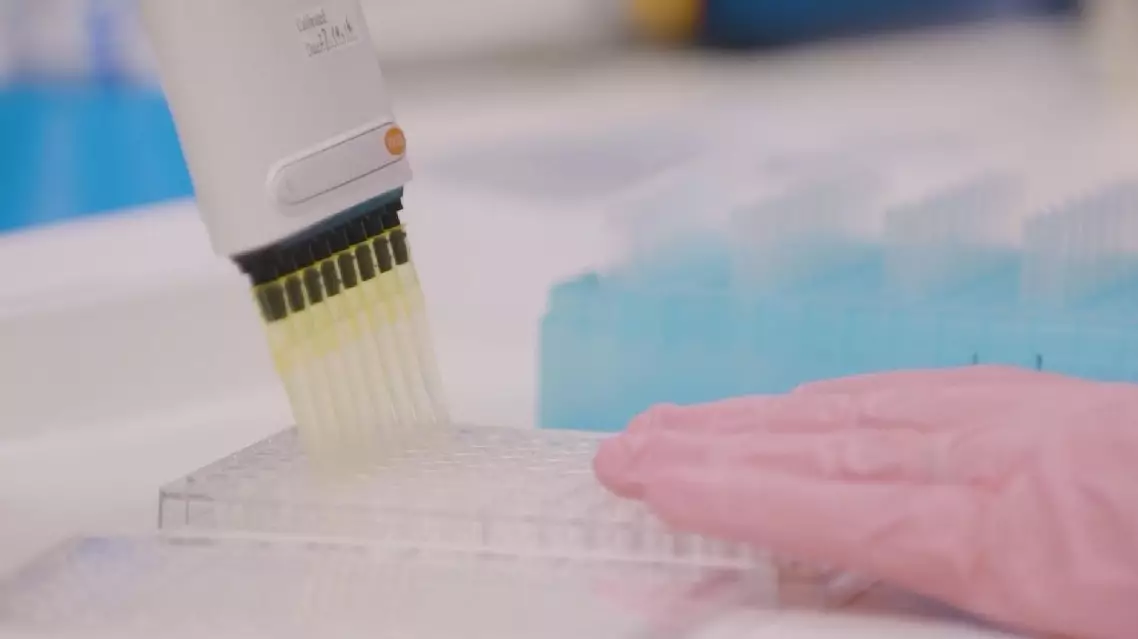
New Zealand partners with China in developing new CAR T-cell therapy for cancer treatment
New Zealand partners with China in developing new CAR T-cell therapy for cancer treatment