Losing a pet is the first time many children encounter death. The experience can become an opportunity for profound emotional learning and influence how young people understand and process grief when they are adults, according to psychologists and pet bereavement specialists.
Parents and guardians therefore have important roles to play when a family pet dies. Along with helping children accept the painful permanence of death, caregivers can guide kids through a healthy and healing mourning process that provides a foundation for coping with an inevitable part of life.
Click to Gallery
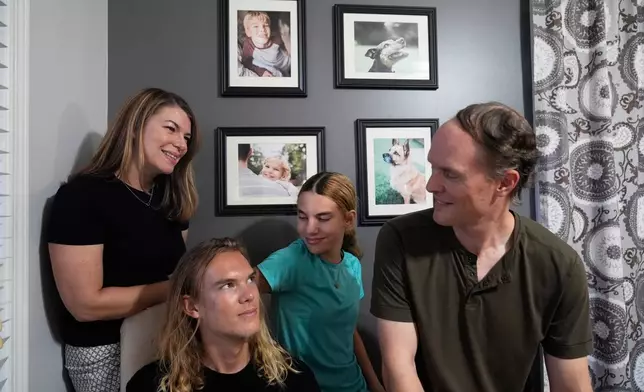
Meaghan and Chris Marr prepare to pose for a photograph with their children on Thursday, Sept. 25, 2025, in Cartersville, Ga. (AP Photo/Brynn Anderson)
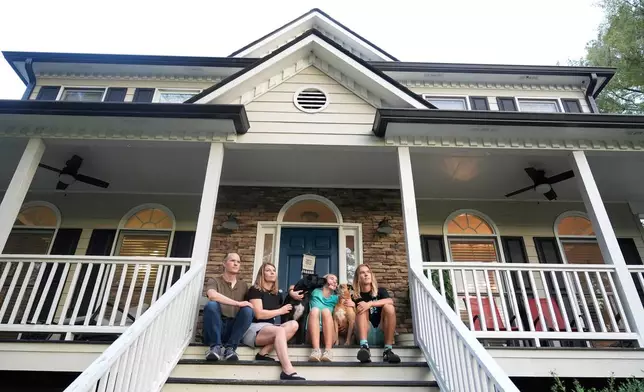
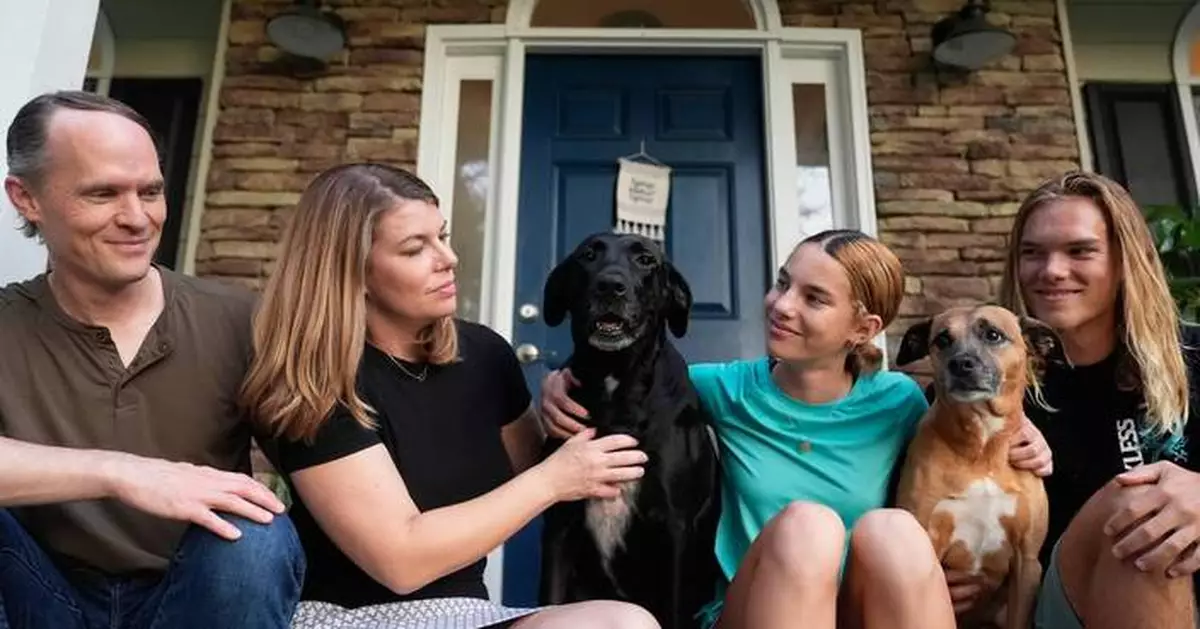
Meaghan and Chris Marr pose with their children and dogs for a photograph on Thursday, Sept. 25, 2025, in Cartersville, Ga. (AP Photo/Brynn Anderson)
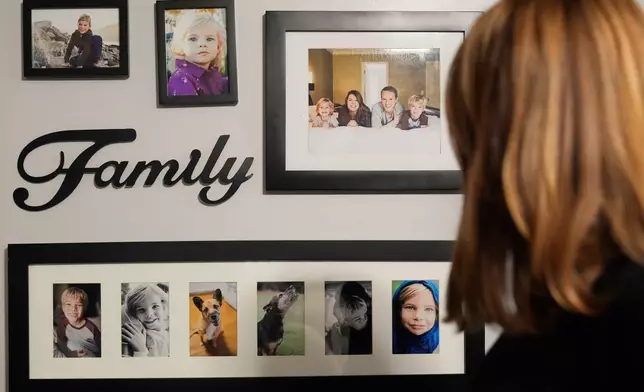
Meaghan Marr looks at photographs of her family's former pets on Thursday, Sept. 25, 2025, in Cartersville, Ga. (AP Photo/Brynn Anderson)

Meaghan Marr holds the ashes her previous dog, Jewels, on Thursday, Sept. 25, 2025, in Cartersville, Ga. (AP Photo/Brynn Anderson)
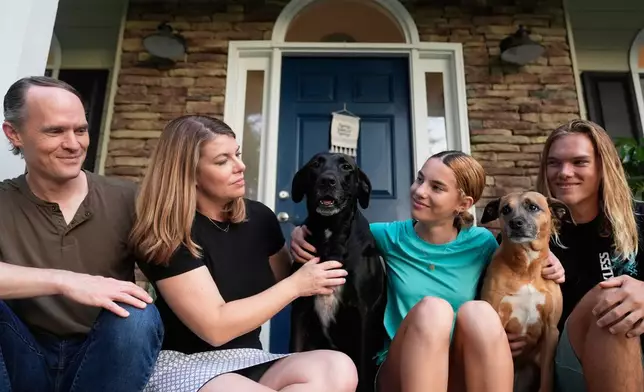
Meaghan and Chris Marr pose with their children and dogs for a photograph on Thursday, Sept. 25, 2025, in Cartersville, Ga. (AP Photo/Brynn Anderson)
“People are so adverse to talking about death and grief, but it is the one thing that is guaranteed: We are all going to die. We need to be open to talking about that,” said Deirdra Flavin, CEO of the National Alliance for Children’s Grief.
Here are some things to consider when talking with children about death and supporting them through pet loss.
Depending on how old they are and their individual circumstances, children vary in their ability to comprehend the concept of death. The way they process grief, how long they mourn and the impact of the loss is also unique to each child, just as it is for adults. Experts say sadness, anger and other overwhelming emotions associated with grief may be more difficult for younger children to navigate, so having support is crucial.
Psychologists and bereavement counselors say some people feel the heartbreak from a pet's death as intensely as the loss of any other loved one, reflecting the potential depths of human-animal bonds. In the case of children, their relationship with a pet, and whether the death was sudden or not, are other factors that may shape individual responses.
Colleen Rolland, president of the Association for Pet Loss and Bereavement, says parents usually know how intellectually and emotionally capable their children are of processing death.
Children as young as 4 years old might have been exposed to death through fairy tales and other stories but may struggle to understand its finality, Rolland said. Older children, who will know their loss is forever, may need more emotional support from friends and family, she said.
Elizabeth Perez said she learned quickly how differently her three children processed the death of their dog, Zoe, who was hit by a car nearly a year-and-a-half ago in front of their second daughter. The other two children were inside the family's home in Pullman, Washington.
“Carmen would talk about how the images kept replaying in her head, she was having nightmares and couldn't sleep,” Perez said, adding that her daughter hasn't worn the dress she had on that day since.
Perez recalls she and her husband spending a lot of time with Carmen, now 11, and asking her questions about her feelings. Even their youngest child, who did not see the car hit Zoe and had spent the least amount of time with the dog, still tears up thinking about the April 2024 accident.
“It was really hard for the whole family. Everybody was feeling it differently and at different times,” Perez said. “We, as parents, did not feel prepared.”
Experts say it’s important to be honest and use clear language when discussing death with children. Adults often are inclined to protect children with euphemisms, such as a pet went to sleep, got lost or was put down.
“That can be alarming for children and cause a lot of confusion and fear. So, saying ‘The fish went to sleep’ might create concerns for the child when they are going to sleep,” Flavin said. “Particularly with younger kids because they are so literal in terms of the way that things are expressed to them.”
When Leah Motz's daughter was 2 years old, she told her their 15-year-old dog, Izzy, had a “good life but his body is broken and it won’t be able to fix itself.” Motz recalled that before taking him to be euthanized near their home in Renton, Washington, she further explained they were going to “help Izzy die.”
Sometimes adults have a hard time recognizing the impact that losing a pet instead of a person might have on children. Rolland says child grief tends to be trivialized in general, and that people who are very devoted to their pets can produce as much stigma as sympathy.
“But pet loss is a very real form of grief,” she said.
Raquel Halfond, a licensed clinical psychologist with the American Psychological Association, says children’s behavior often indicates how they are feeling even if they are not expressing it verbally.
“Maybe you notice your child is having more tantrums. Suddenly there’s stuff that they used to love doing, they no longer want to do. Maybe they start to refuse to go to school. It’s really normal to have these for a while,” Halfond said.
Other signs to look for include uncharacteristic sadness, tears, anger and even silence, she said. A child's emotional response is often independent of their willingness to talk about death, but she said it might be time to seek professional help if their emotions or behavior affect their ability to function.
Much like they do in other situations or developmental stages, children often learn how to handle grief by watching their caregivers. The way adults respond to loss is likely to set an example for their children.
“Parents, or caregivers, must be confident in how they deal with pet loss,” Rolland said, adding that parents who are unfamiliar with grief or display unhealthy behaviors might teach children to act in the same manner.
Two of Meaghan Marr's dogs died in a suburb north of Atlanta, when her two children were young. The first to go, Sadie, had ongoing health issues, so Marr was able to have continuous conversations and prepare her then-7-year-old son and 4-year-old daughter.
“My son definitely understood what was going on. While my daughter was sad, it didn’t quite reach her as deeply,” Marr said. She said it seemed like a lot of the children's' emotions were in response to her own grieving for a pet she refers to as her “soulmate dog.”
Halfond advises parents not to hide their feelings from their children.
“If you’re feeling sad, it’s OK for the child to see you feeling sad. In fact, it could be confusing if something sad happened and they don’t see that emotion reflected in their parents," she said.
One way to help children come to terms with the death of a pet is by memorializing the lives of the late companions through activities such as raising money for animals in need, drawing pictures, holding funerals or doing the things their pets loved to do.
Before their dog Sadie died, Marr said many of the conversations with her kids centered around how dogs don't live forever and would one day go to heaven. The difficult part for her was explaining that was true of every pet.
“We talked about if they still wanted animals even though they are not going to last as long as we do,” she said. “It hurts to lose them, but they make your life so much better while they are here.”
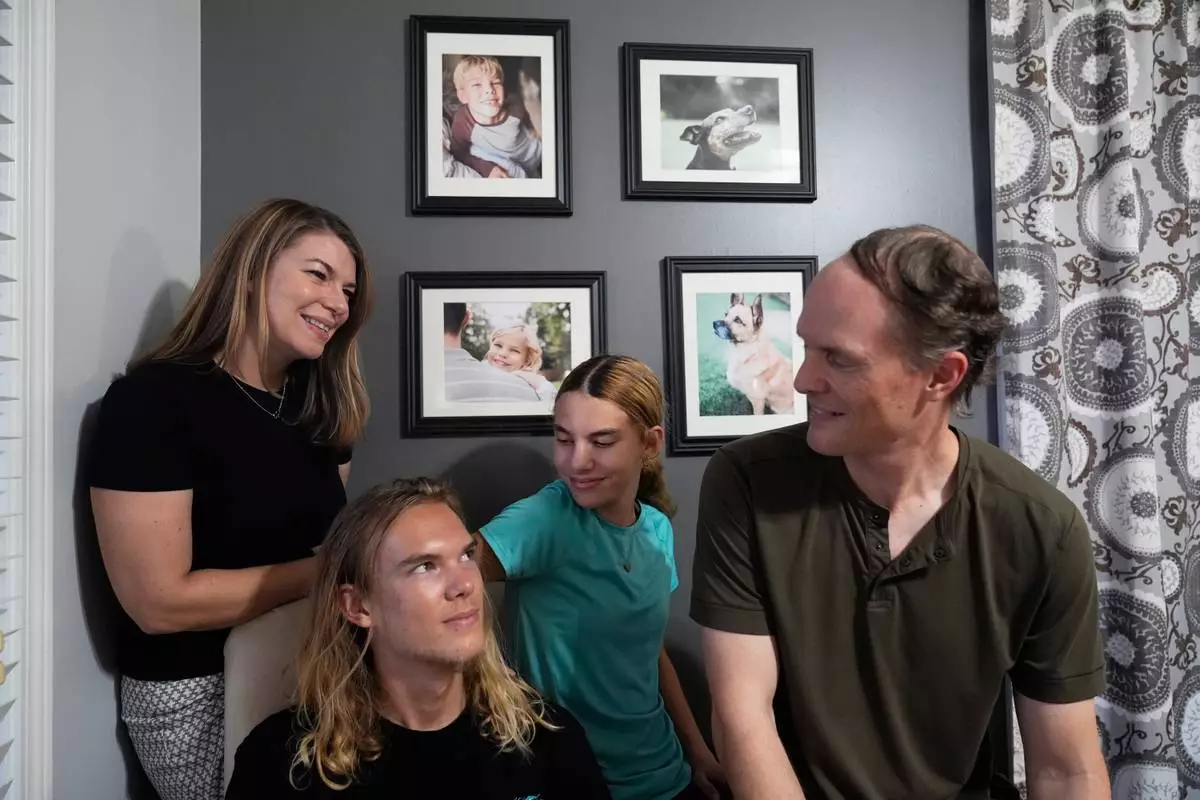
Meaghan and Chris Marr prepare to pose for a photograph with their children on Thursday, Sept. 25, 2025, in Cartersville, Ga. (AP Photo/Brynn Anderson)

Meaghan and Chris Marr pose with their children and dogs for a photograph on Thursday, Sept. 25, 2025, in Cartersville, Ga. (AP Photo/Brynn Anderson)
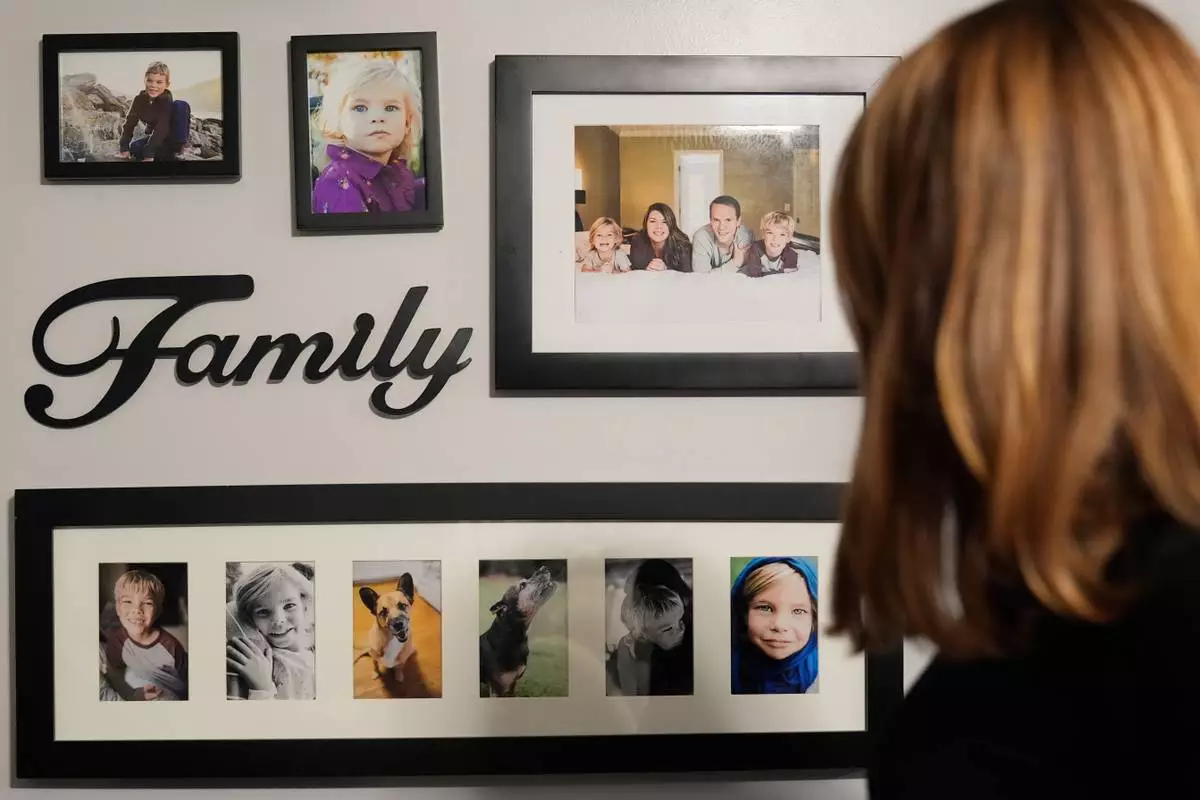
Meaghan Marr looks at photographs of her family's former pets on Thursday, Sept. 25, 2025, in Cartersville, Ga. (AP Photo/Brynn Anderson)

Meaghan Marr holds the ashes her previous dog, Jewels, on Thursday, Sept. 25, 2025, in Cartersville, Ga. (AP Photo/Brynn Anderson)
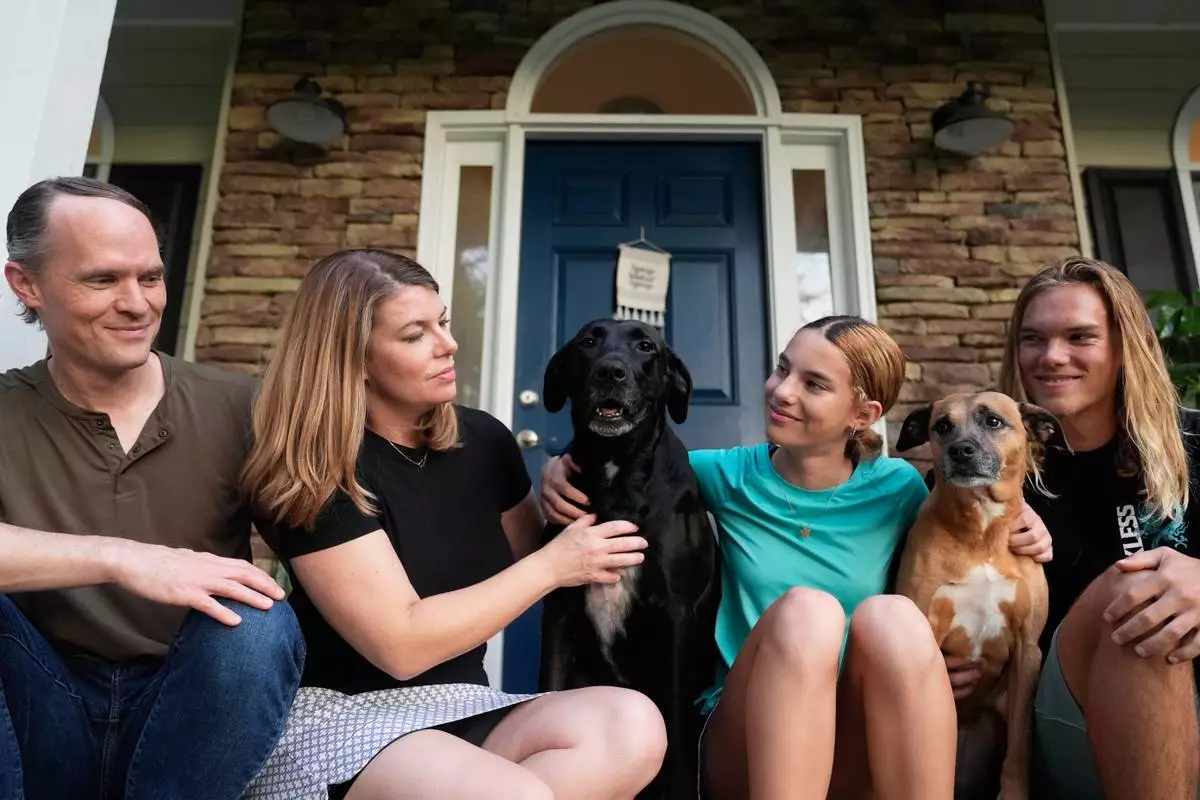
Meaghan and Chris Marr pose with their children and dogs for a photograph on Thursday, Sept. 25, 2025, in Cartersville, Ga. (AP Photo/Brynn Anderson)