BISMARCK, N.D. (AP) — A North Dakota judge has upheld the state’s ban on gender-affirming care for children, in a blow to families who have had to travel out of state to obtain the medical treatments they said are crucial for their kids’ well-being.
District Judge Jackson Lofgren said in his decision Wednesday that the law discriminates based on age and medical purpose, not sex, and that there's little evidence the Legislature passed the law for “an invidious discriminatory purpose.” He also noted various concerns and ongoing debates over the medical treatments involved.
Click to Gallery
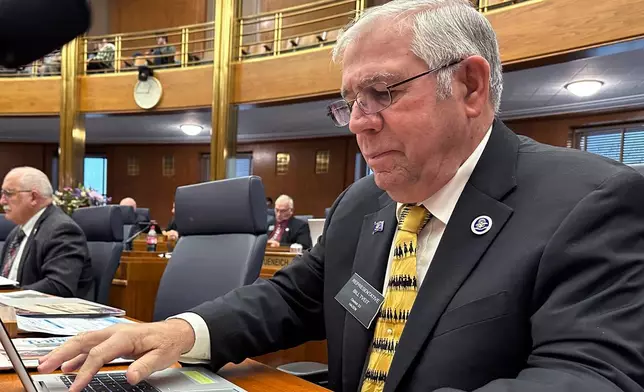
FILE - North Dakota Republican state Rep. Bill Tveit works at his desk, Jan. 22, 2025, in the House of Representatives at the state Capitol in Bismarck, N.D. (AP Photo/Jack Dura, File)
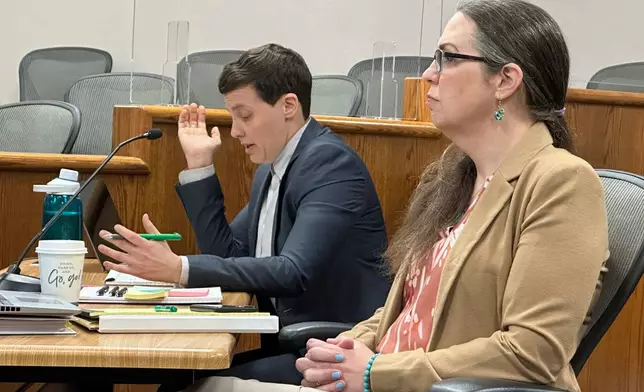
FILE - Plaintiff attorneys Jess Braverman, left, and Brittany Stewart appear in court, Jan. 27, 2025, at the Burleigh County Courthouse in Bismarck, N.D., during the trial related to the state's ban on gender-affirming medical care for kids. (AP Photo/Jack Dura, File)
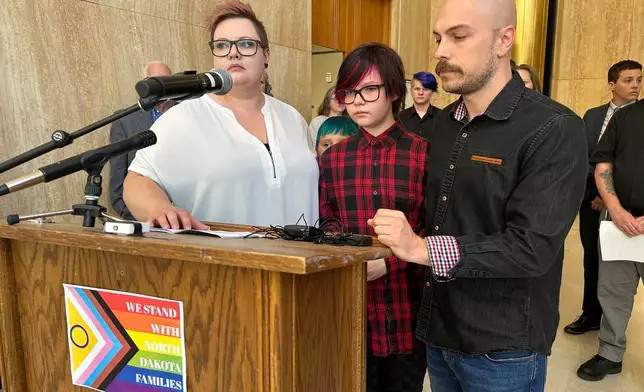
FILE - Parents Devon and Robert Dolney, stand with their child, Tate, center, during a news conference, Sept. 14, 2023, at the state Capitol in Bismarck, N.D. (AP Photo/Jack Dura, File)
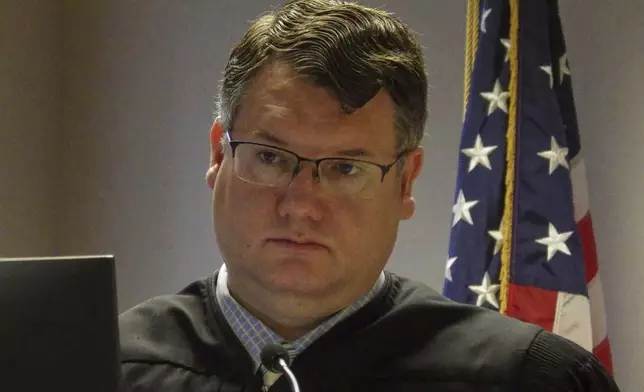
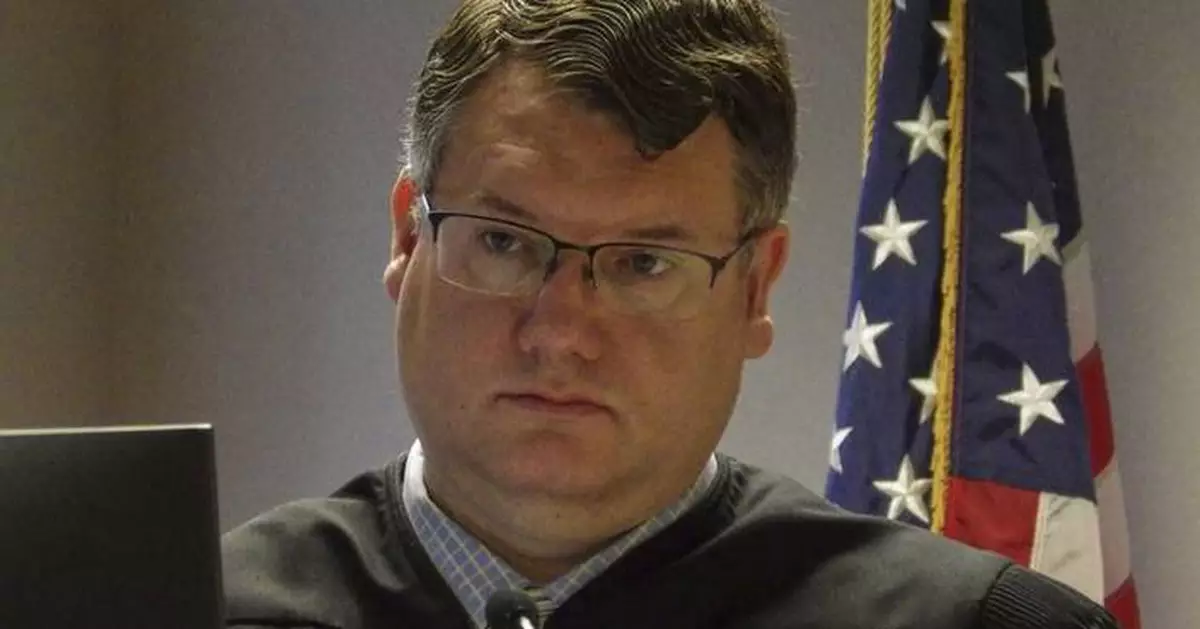
North Dakota State District Judge Jackson Lofgren listens during a court hearing on March 31, 2025, at the Burleigh County Courthouse in Bismarck, N.D. (AP Photo/Jack Dura)
“The evidence establishes there is an ongoing international debate regarding the safety and effectiveness of the medical procedures prohibited by the Health Care Law. Where there is uncertainty, deference is given to the Legislature to decide where the line should be drawn,” the judge wrote, adding that he doesn't believe the law violates the state constitution.
The ruling means parents who decided to seek gender-affirming medical care for their children after the state's ban took effect in April 2023 will need to do so out of state.
“This ruling is devastating for transgender youth and their families in North Dakota. The evidence in this case was overwhelming: this law inflicts real harm, strips families of their constitutional rights, and denies young people the medical care they need to thrive,” Jess Braverman, the legal director for the gender equity nonprofit Gender Justice, which represented the plaintiff, said in a statement.
Republican state Rep. Bill Tveit, who introduced the legislation, said he is pleased with the ruling.
“It's a law that needs to be there. We need to protect our youth, and that's what the whole goal of this thing was from the beginning,” Tveit said.
The lawsuit was brought by several affected families and a pediatric endocrinologist, but the judge dismissed some of their claims and left only the physician as a plaintiff.
About half of U.S. states, nearly all of which have fully Republican-led governments, have banned gender-affirming care for minors. North Dakota's law makes it a misdemeanor for a health care provider to prescribe or give hormone treatments or puberty blockers to a transgender child. It also makes it a felony to perform gender-affirming surgery on a minor.
The law's backers said it would protect children from what they said are irreversible effects of treatments and surgeries, though such surgeries were never available in the state. Opponents said the law harms transgender children by denying them crucial medical care.
Although the law exempts children who were already receiving treatments before North Dakota’s ban took effect, attorneys for the families who sued said providers held off because they perceived the law as vague and didn’t want to risk it. That led the families to miss work and school so they could travel to Minnesota for treatment.
The judge later said those kids can receive any medical care they were receiving before the law took effect, though that decision wasn’t enough of a final ruling to satisfy attorneys for health care organizations. His Wednesday ruling granted a request that those kids' treatments continue, citing the law and his previous findings.
At least two pediatric endocrinologists were providing gender-affirming care in North Dakota before the ban.
The U.S. Supreme Court ruled in June that states can ban gender-affirming medical care for transgender minors.
At least 27 states have adopted laws restricting or banning the care.
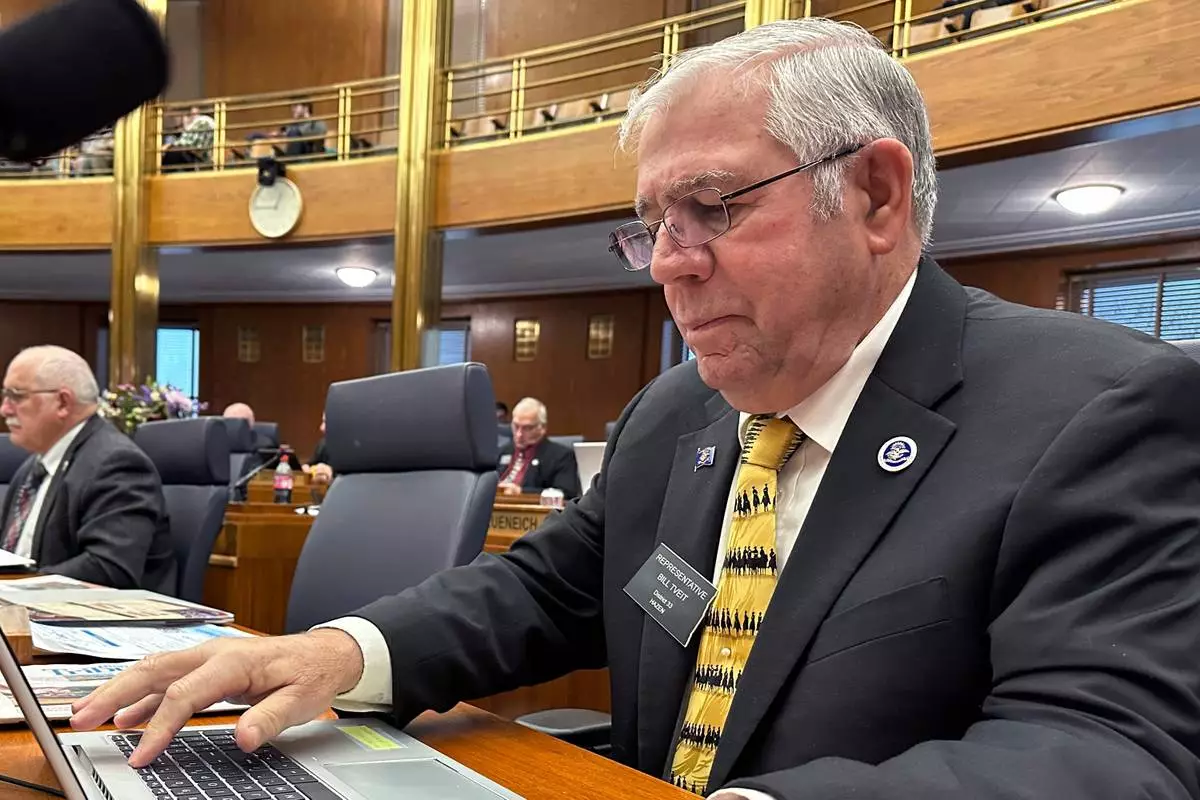
FILE - North Dakota Republican state Rep. Bill Tveit works at his desk, Jan. 22, 2025, in the House of Representatives at the state Capitol in Bismarck, N.D. (AP Photo/Jack Dura, File)
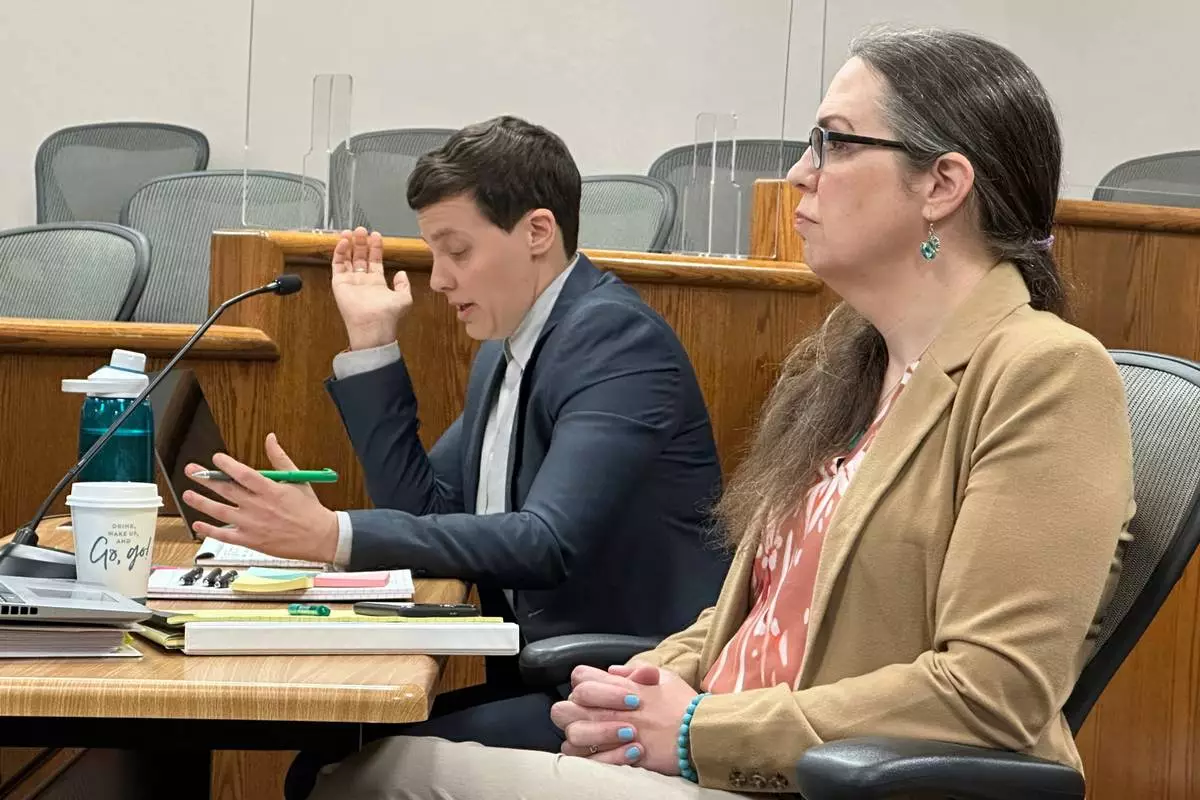
FILE - Plaintiff attorneys Jess Braverman, left, and Brittany Stewart appear in court, Jan. 27, 2025, at the Burleigh County Courthouse in Bismarck, N.D., during the trial related to the state's ban on gender-affirming medical care for kids. (AP Photo/Jack Dura, File)
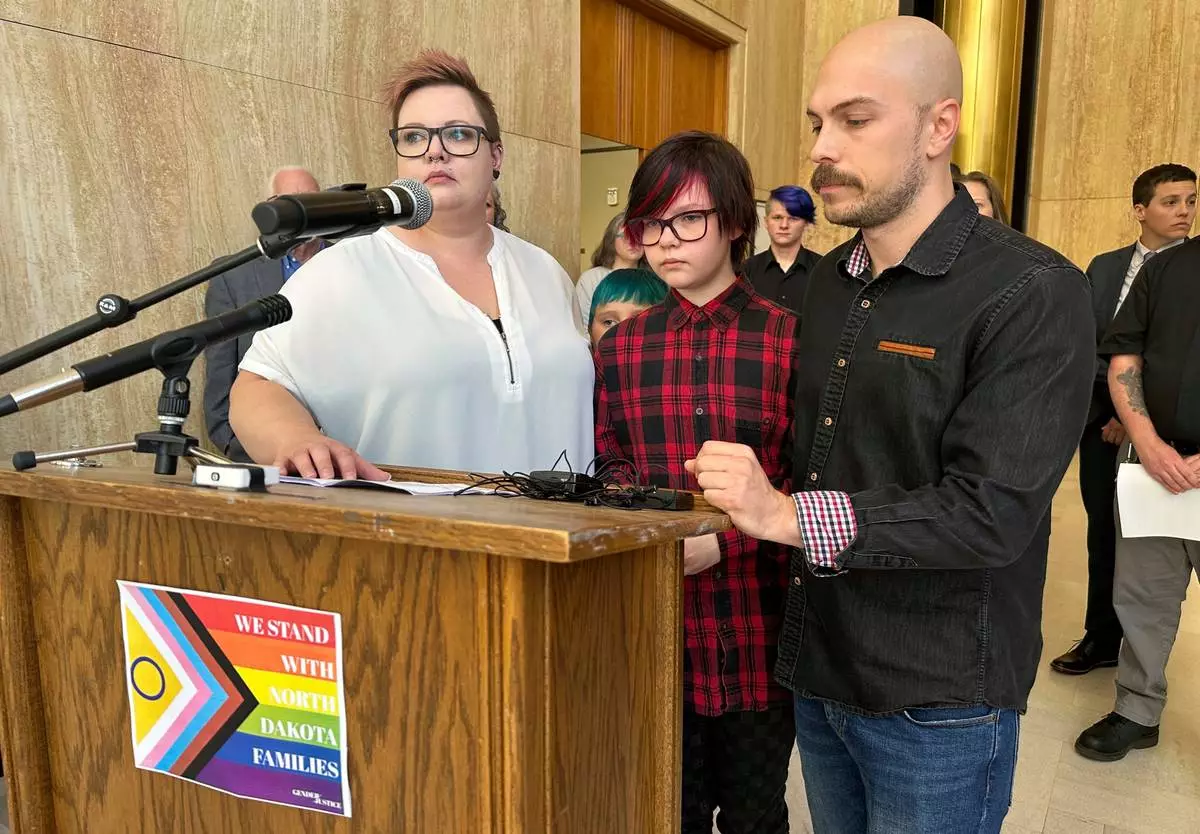
FILE - Parents Devon and Robert Dolney, stand with their child, Tate, center, during a news conference, Sept. 14, 2023, at the state Capitol in Bismarck, N.D. (AP Photo/Jack Dura, File)
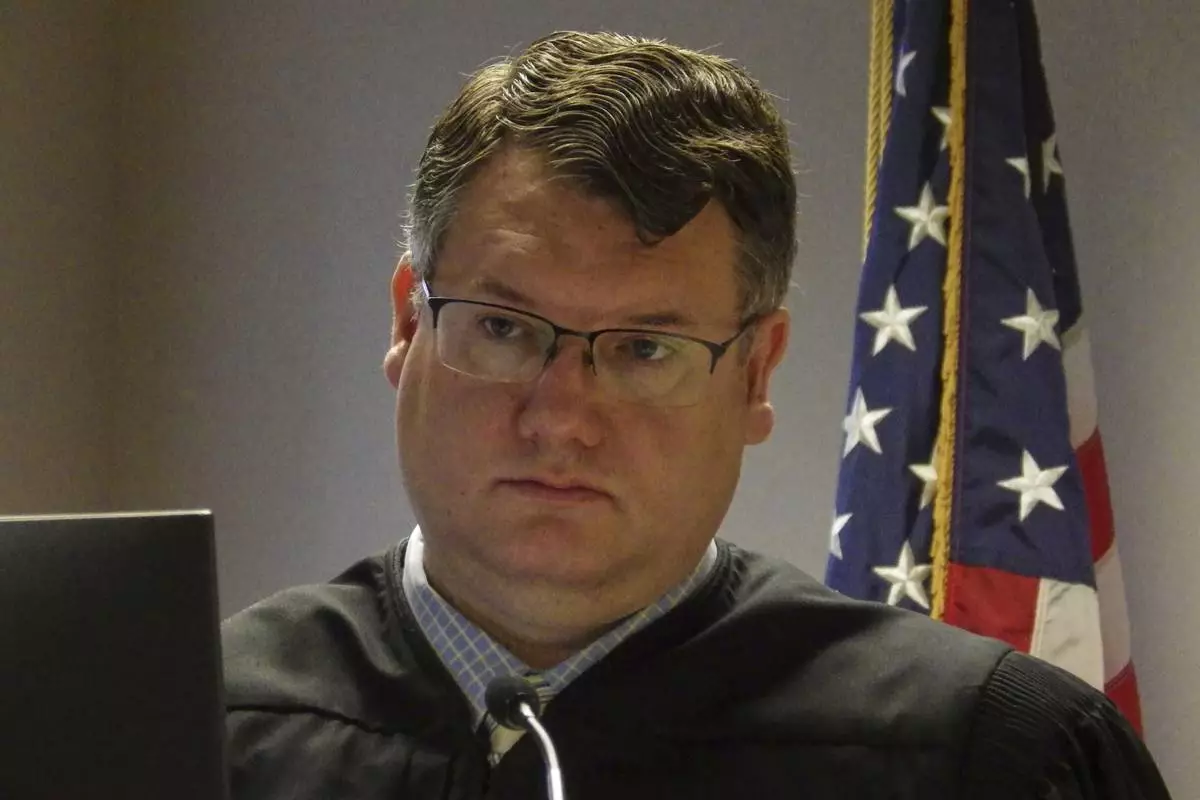
North Dakota State District Judge Jackson Lofgren listens during a court hearing on March 31, 2025, at the Burleigh County Courthouse in Bismarck, N.D. (AP Photo/Jack Dura)