The China-Laos Railway has seen more than 60 million passenger trips since its launch nearly four years ago, carrying 595,000 cross-border travelers from 115 countries and regions as of Wednesday, China Railway Kunming Group announced.
To meet growing demand, this railway service added a second pair of international trains between Kunming City, capital of southwest China's Yunnan Province, and Vientiane in Laos this July, doubling the number of daily trains to four. The service has promoted regional connections and social and economic development along the railway lines.
Service enhancements include dedicated ticketing windows, support for foreign payment methods, and optimized cross-border booking systems.
Passenger volume this year has reached 15.48 million to date, marking a 2.38 percent year-on-year increase, which reflects the railway's important role in regional connectivity.
The China-Laos Railway officially opened in December 2021 and launched international services linking Kunming and Vientiane in April 2023.
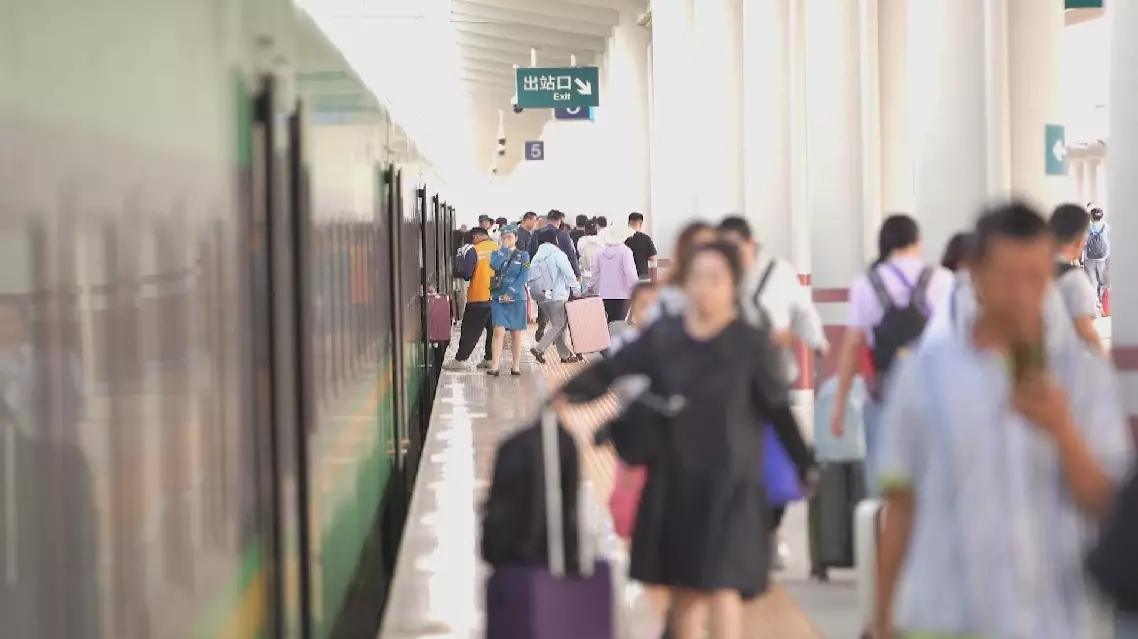
China-Laos Railway handles over 60 mln passenger trips since its launch
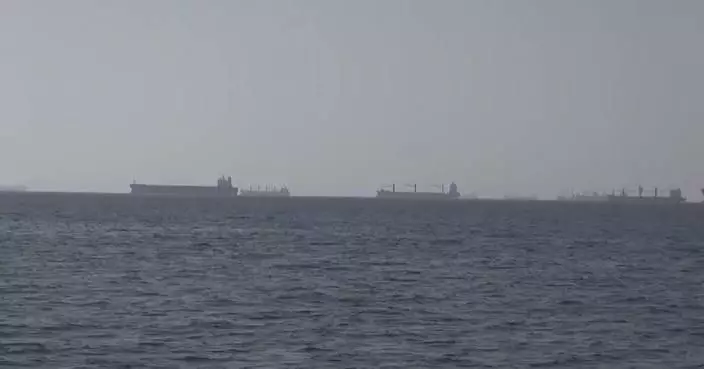
Iran's supreme leader demanded war reparations from the United States and Israel on Monday and vowed to escalate the country's management of the Strait of Hormuz, while President Donald Trump said he would not lift the U.S. blockade on Hormuz until Tehran agrees to a deal.
In a statement posted on his official social media account on Monday, Iran's Supreme Leader Mojtaba Khamenei said that Iran would hold accountable those responsible for attacks against the country and seek compensation for wartime losses.
He also called for a new phase in the management of the Strait of Hormuz, vowing never to abandon Iran's legitimate rights and regarding all "resistance fronts" in the region as a unified whole.
On April 9, the Iranian supreme leader outlined the three principles in a written address marking 40 days since the death of former Supreme Leader Ali Khamenei.
Also on Monday, President Trump said in his social media post that the United States will not lift its blockade on Iranian ports until a deal is reached.
The U.S. forces have enforced a naval blockade on vessels entering and leaving Iranian ports since April 13, with the U.S. Central Command said one day later that Iran's maritime trade had been completely cut off.
Iran responded by opening the Strait of Hormuz to commercial shipping on April 17, but reversed course on the following day, resuming control of passage after the United States refused to lift its blockade.
Pakistan is now actively mediating in an effort to persuade the United States to end the blockade, a move seen as essential for Iran's participation in negotiations, a senior Iranian official said on Monday.
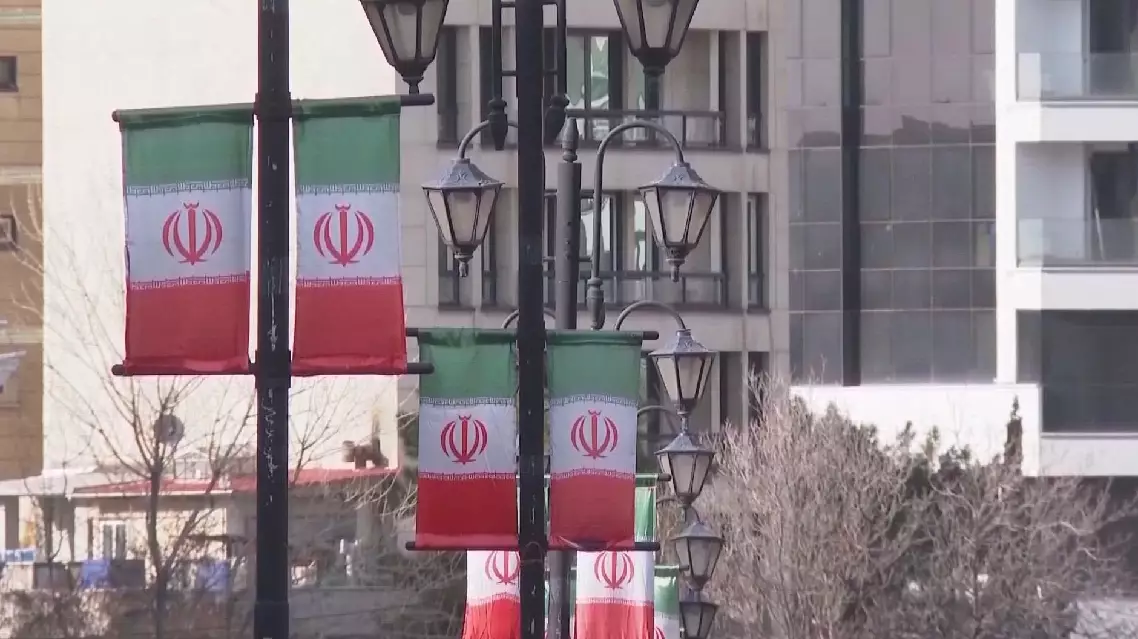
Iran reiterates core positions, US vows no let-up in blockage