Zhang Guimei, a dedicated female educator who founded China's first girls' free high school in a mountainous area in the southwest of the country, said that while she is paving a path out of poverty for rural girls, these students are also lighting the torch of hope and inspirations for her.
Huaping High School for Girls in Huaping County, Yunnan Province, is the first high school to offer free education to girls in China. Since its establishment in 2008, this small rural school has been helping girls from impoverished families who are unable to continue their studies after completing the nine-year compulsory education.
Zhang Guimei is the founder and principal of the school. The life-long educator has dedicated her 45 years to helping and motivating girls in mountainous areas to obtain higher education.
Zhang arrived in Huaping in 1996. At that time, the county was still mired in deep poverty. She was heartbroken to see so many teenagers, especially girls, dropping out of school. Some were even married off at a very young age. It was then that she made a bold decision: to build a free high school for rural girls.
The idea was met with skepticism, and even ridicule. But the girls' eyes, filled with hunger for knowledge, kept her going. With support from the local government, the school finally opened its door.
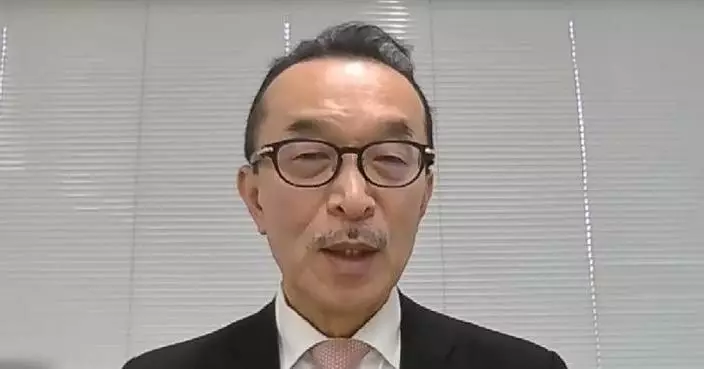
"Once I put forward the education issue during a visit to Beijing, specifically about funding -- this was before our school was established. A journalist asked me, 'Ms. Zhang, have you considered how much it costs to run a high school?' I said, 'I don't know the exact expenses per student.' He exclaimed, 'Then, how could you run the school?' I replied, 'Once we get started, we'll figure it out bit by bit. Take things step by step and day by day, and solutions will eventually emerge. Overthinking it won't help,'" Zhang said in an interview with the China Global Television Network (CGTN).
Zhang's dedication has borne fruit. More than 2,000 girls have graduated from the school, most moving on to universities across the country.
Now 68 years old, well past the usual retirement age, Zhang has continued to stay on the job, even living alongside the girls in the dormitory. Despite nearly 20 different illnesses, she refuses to slow down. She says it is the girls who give her the motivation to keep moving forward.
"These girls often say it's me who gives them the opportunity to study -- that education opens a path leading them out of the mountains. But in truth, they are the ones who give me the courage and the reason to live. They have helped prolong my life. Sometimes, I just want to see how this graduating class turns out, and that makes me want to keep going. Then, as I live on, I look forward to seeing the next class -- how they will grow up, and what they will achieve after they graduate from universities. And just like that, I find my own will to live, longer than I had expected," said Zhang.
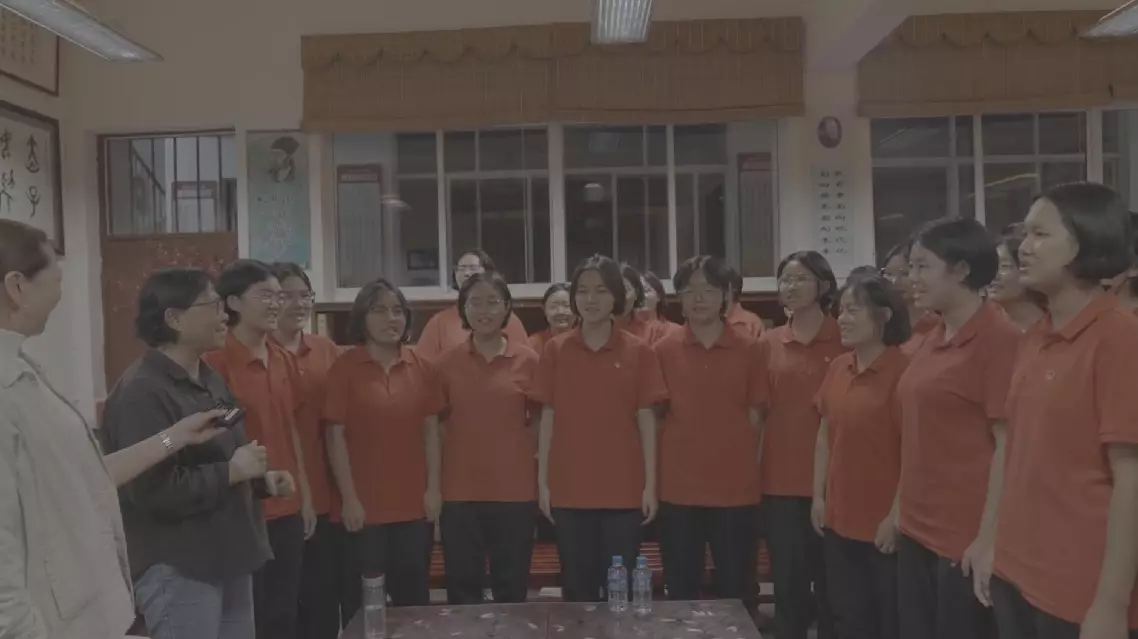
Dedicated female educator, her girl students light torch of hope, inspirations for each other