DURHAM, N.C--(BUSINESS WIRE)--Oct 14, 2025--
Semiconductor Research Corporation (SRC) is proud to announce the release of the Microelectronics and Advanced Packaging Technologies (MAPT) Roadmap 2.0, a comprehensive update to the industry’s first 3D semiconductor roadmap. This second edition reflects the contributions of over 370 experts from 132 organizations across industry, academia, and government, and builds upon the momentum of the original version released in October 2023.
This press release features multimedia. View the full release here: https://www.businesswire.com/news/home/20251014091195/en/
The MAPT Roadmap version 2.0 outlines the “how” behind the 2030 Decadal Plan for Semiconductors, translating its five “seismic shifts”, or major development needs, into actionable strategies for innovation in chipmaking, heterogeneous integration, and workforce development. The roadmap is available at https://srcmapt.org, and is fully web-based to support dynamic updates and broader accessibility.
Funded by the U.S. Department of Commerce’s National Institute of Standards and Technology (NIST), the MAPT Roadmap 2.0 continues to support the CHIPS and Science Act by providing a strategic framework for building a robust semiconductor ecosystem.
“The MAPT Roadmap 2.0 is more than an update—it’s a reflection of the industry’s continued commitment to collaboration, innovation, and long-term impact,” said Dr. Victor Zhirnov, SRC Chief Scientist and Director of the MAPT Roadmap. “This edition expands our focus to include digital twins, workforce development, and data-centric manufacturing, aligning with the evolving needs of the semiconductor landscape.” Digital twin technology is a major focus of the SMART USA Institute, the public-private collaboration operated by SRC that is dedicated to increasing U.S. chip production efficiency, improving supply chain resiliency, and preparing the domestic semiconductor workforce.
"MAPT 2.0 reinforces SRC’s leadership in guiding the semiconductor industry through transformative change,” said Dr. Todd Younkin, President and CEO of SRC. “With this next chapter, SRC remains a driving force in shaping the future of industry-relevant semiconductor innovation and workforce development.”
What’s New in MAPT 2.0
MAPT Roadmap 2.0 is a cornerstone of SRC’s broader strategy to transition toward the SMART USA Roadmap, which will focus on data-driven innovation and digital twin integration to assist the SMART USA Institute in its mission to deliver innovations and long-term commercial impact.
About SRC
Semiconductor Research Corporation (SRC) is a world-class, non-profit consortium that works with industry, government, and academia partners to define, fund and manage research and development on behalf of its member companies. Through its highly regarded programs, such as SMART USA, SRC plays an indispensable part in the strategies of the most influential industry leaders.
SMART USA Institute is the nation's first Manufacturing USA Institute focused on digital twin technology for semiconductor manufacturing. Led by the Semiconductor Research Corporation and supported by the National Institute of Standards and Technology CHIPS R&D Office with $285 million in federal funding matched by $720 million in planned private investment, SMART USA brings together industry, academia, and government to revitalize American semiconductor manufacturing through digital innovation.
Visit https://www.src.org/ and https://www.smartusatwins.org/ to learn more.
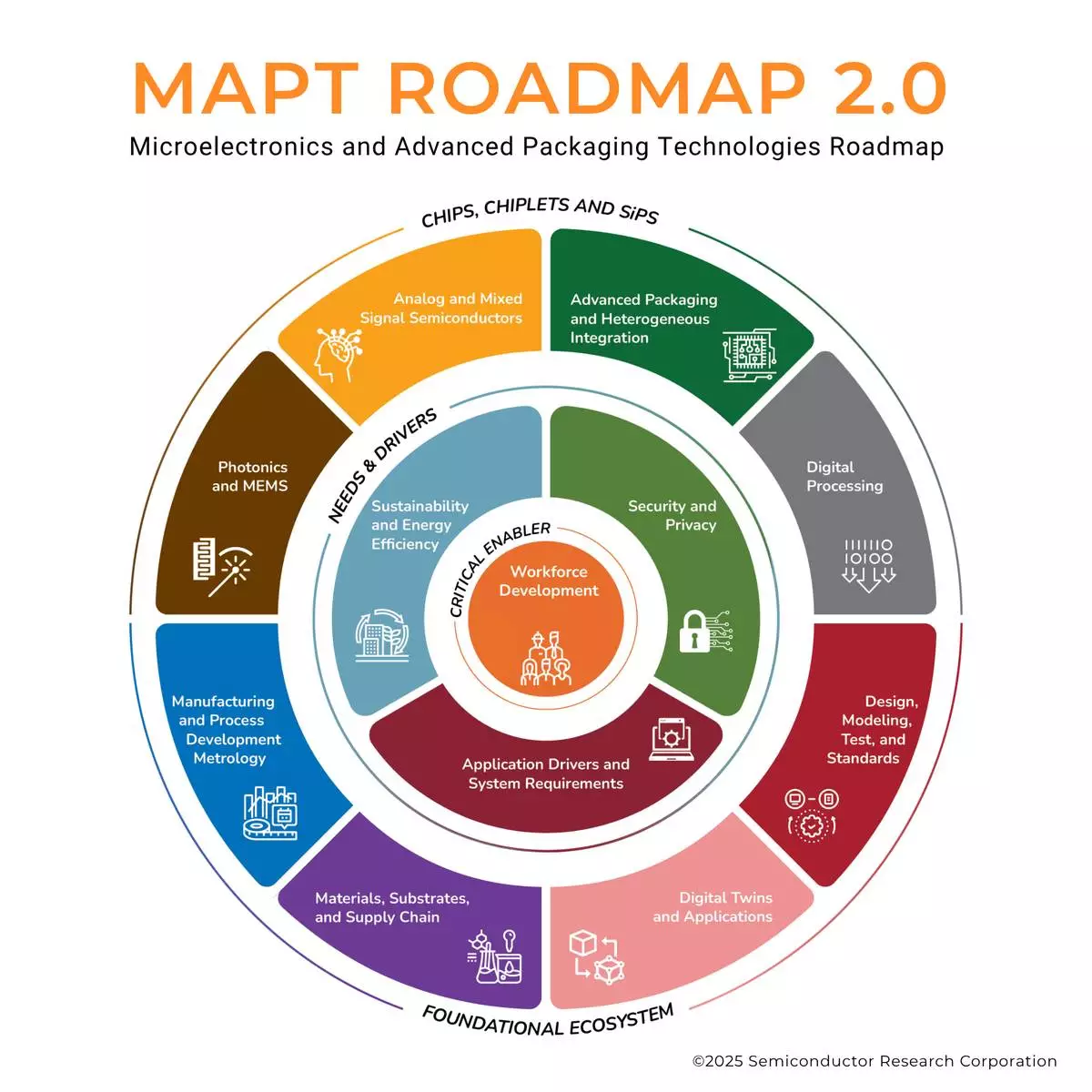
MAPT Roadmap 2.0 includes updated content and a new chapter on digital twins and their applications
ARAFAT, Saudi Arabia (AP) — Muslim pilgrims from around the world congregated on Mount Arafat in Saudi Arabia on Tuesday, the second official day of the annual Islamic pilgrimage, considered the pinnacle of the Hajj.
Despite the sweltering heat, the pilgrims gathered on the rocky hill and surrounding plain for intense prayers and worship that often mark a spiritual peak for them. They fervently murmured prayers and poured their hearts out in supplications. Many raised their hands in worship. It is common for pilgrims on that day, some with tears streaming down their faces, to ask God for forgiveness, mercy, blessings and good health.
The Hajj, one of the Five Pillars of Islam, is required once in a lifetime for every Muslim who can afford it and is physically able to perform it.
For pilgrims, the Hajj, performed over several days, can be a deeply moving spiritual experience and a chance to seek God’s forgiveness and the erasure of past sins. As they brave the intense heat to perform religious rituals, many pilgrims have been using umbrellas for shade.
A Saudi official said on Friday that more than 1.5 million pilgrims have arrived in the country from abroad.
This year, Muslims have been pouring into Saudi Arabia for the Hajj against the backdrop of a tenuous ceasefire in the Iran war and related uncertainty in the region.
The U.S. military said Monday that it carried out “self-defense” strikes in southern Iran, including on missile launch sites and boats used to lay mines, even as President Donald Trump said on social media that negotiations with Tehran were “proceeding nicely." Iran on Tuesday denounced the most recent U.S. strikes as a sign of “bad faith and unreliability” as negotiations pressed on toward a possible deal to end the war.
For many, performing the Hajj can be a realization of a lifelong dream as they spend years hoping and praying to one day be able to undertake the pilgrimage or saving up money and waiting for a permit to embark on the trip.
“This happens once in a lifetime,” Mohammad Asal, an Egyptian pilgrim, said. “People here have prepared their prayers, hoping that God will respond to them, because we know that ... the most important ritual of the Hajj is being in Arafat.”
The Hajj brings together large numbers of Muslims of diverse races, ethnicities, languages and socioeconomic classes, creating a sense of unity for many. It’s a mass, communal experience, with Muslims performing rituals together. But it is also deeply personal, as every pilgrim brings their own yearnings and experiences.
“It was incredible,” Ahmed Sufyan, a pilgrim from the United States, said on Tuesday. “The unity and peace that we feel is something I’ve never experienced before,” he added via WhatsApp.
“Our wishes are many,” Mohammad Obaid, a Sudanese pilgrim, said, adding he was praying for Sudan and Muslims everywhere.
Fam reported from Winter Park, Florida.
Associated Press religion coverage receives support through the AP’s collaboration with The Conversation US, with funding from Lilly Endowment Inc. The AP is solely responsible for this content.
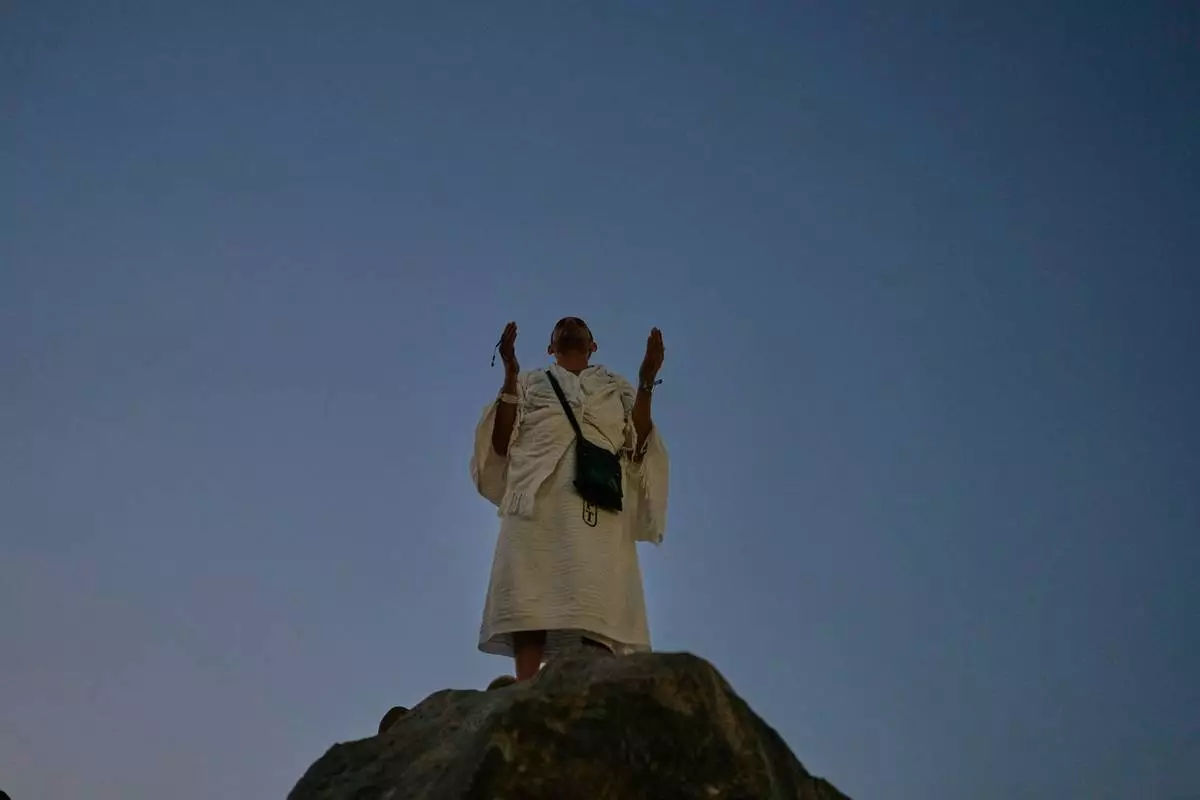
A Muslim pilgrim pray atop of the rocky hill known as the Mountain of Mercy, on the Plain of Arafat, during the annual Hajj pilgrimage near the holy city of Mecca, Saudi Arabia, Tuesday, May 26, 2026. (AP Photo/Altaf Qadri)
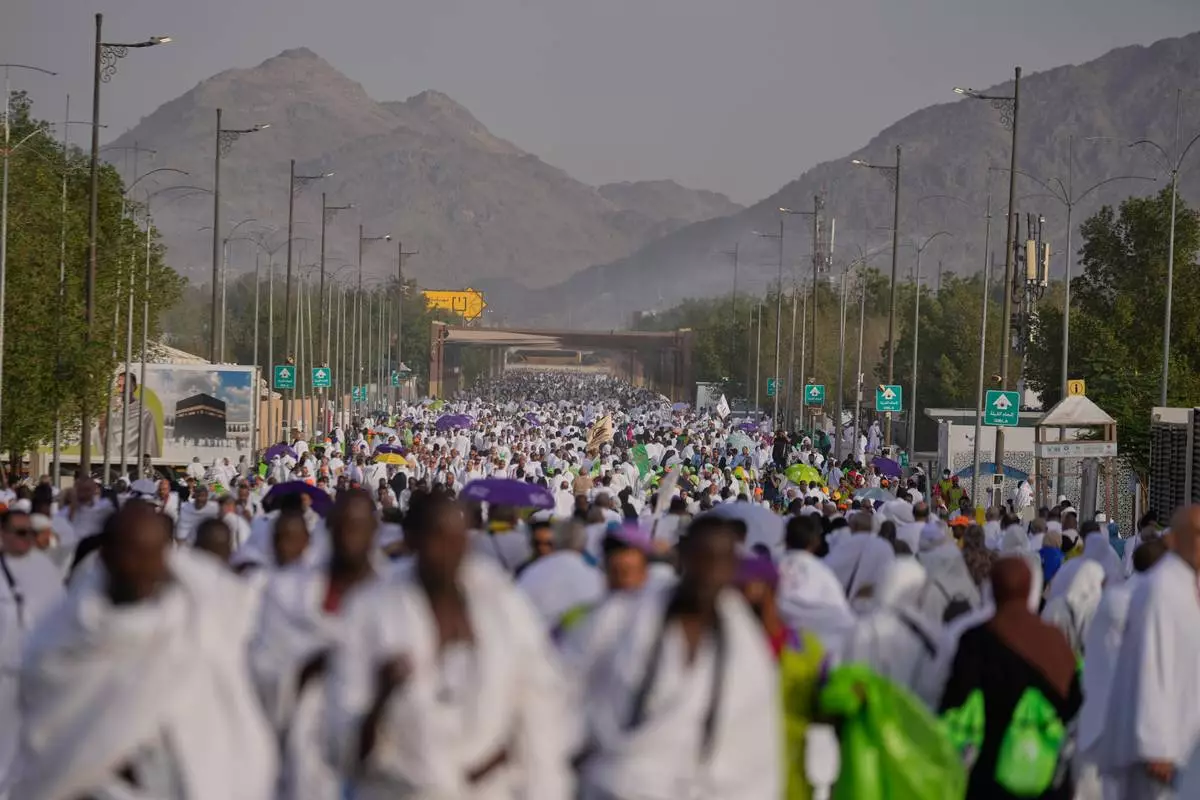
Muslim pilgrims walk towards the rocky hill known as the Mountain of Mercy, on the Plain of Arafat, during the annual Hajj pilgrimage near the holy city of Mecca, Saudi Arabia, Tuesday, May 26, 2026. (AP Photo/Altaf Qadri)
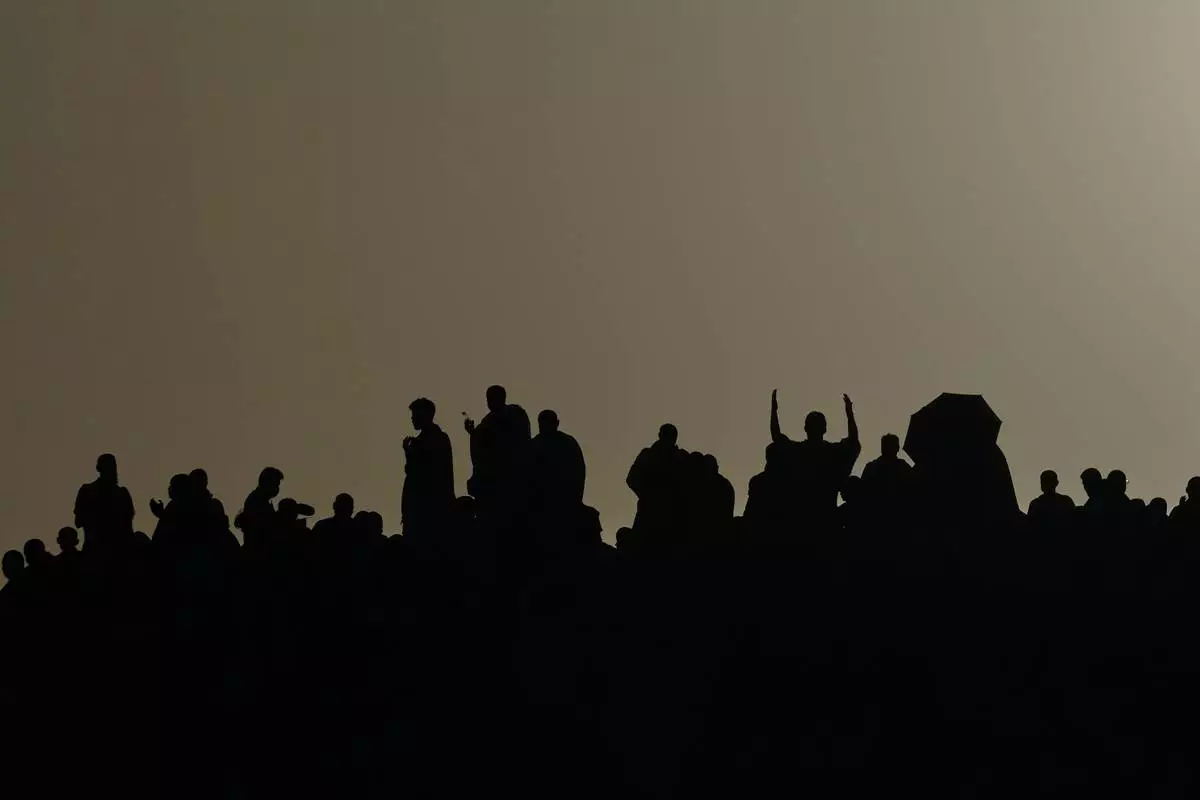
Muslim pilgrims are silhouetted as they pray at top of the rocky hill known as the Mountain of Mercy, on the Plain of Arafat, during the annual Hajj pilgrimage near the holy city of Mecca, Saudi Arabia, Tuesday, May 26, 2026. (AP Photo/Altaf Qadri)
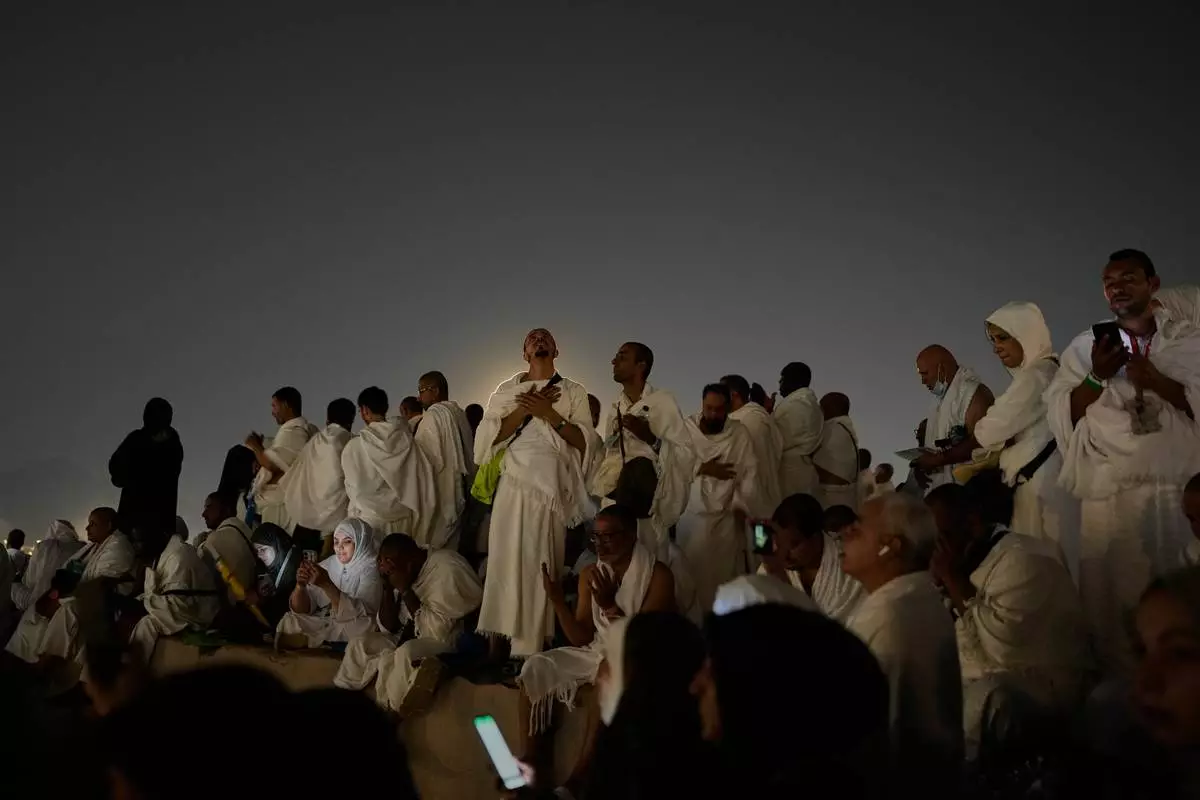
Muslim pilgrims pray at top of the rocky hill known as the Mountain of Mercy, on the Plain of Arafat, during the annual Hajj pilgrimage near the holy city of Mecca, Saudi Arabia, Tuesday, May 26, 2026. (AP Photo/Altaf Qadri)
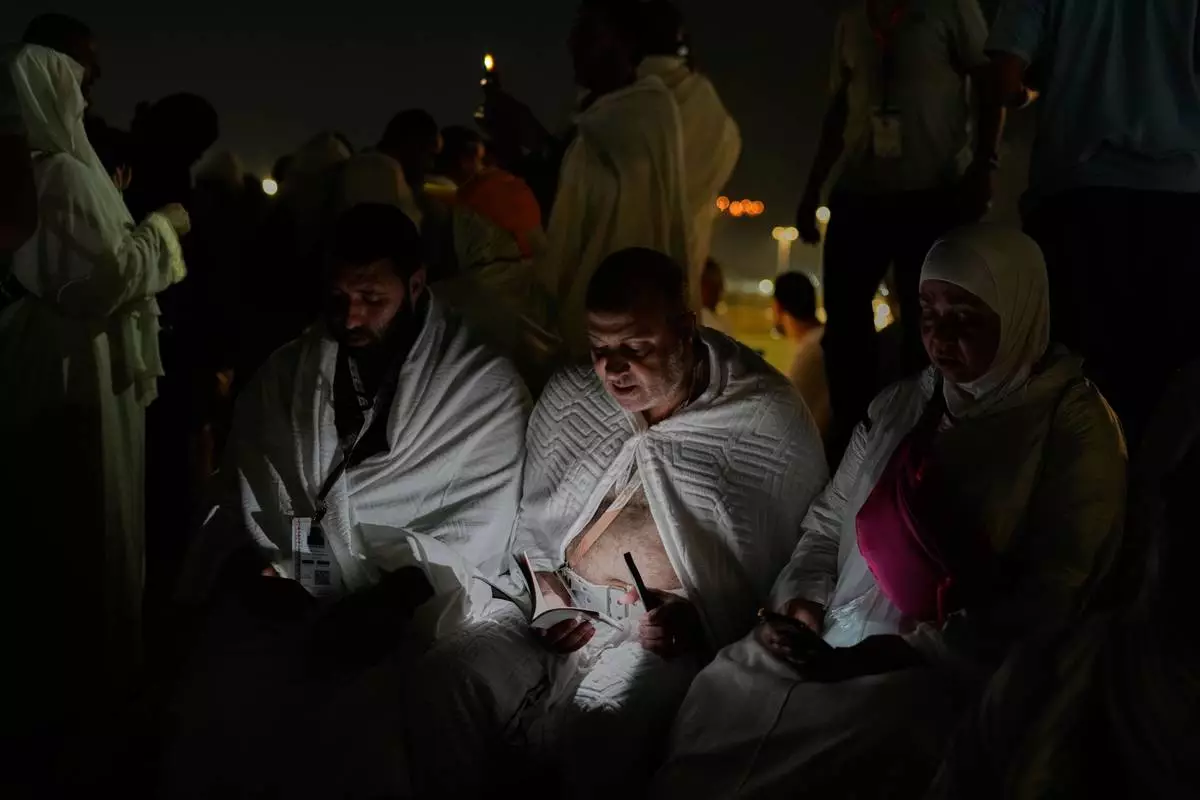
Muslim pilgrims read a copy of Islam's holy book Quran atop of the rocky hill known as the Mountain of Mercy, on the Plain of Arafat, during the annual Hajj pilgrimage near the holy city of Mecca, Saudi Arabia, Tuesday, May 26, 2026. (AP Photo/Altaf Qadri)