Skip to Content Facebook Feature Image

Joyce University Honored With 2025 Remote Work Award by Top Workplaces

News

Joyce University Honored With 2025 Remote Work Award by Top Workplaces
News

News

Joyce University Honored With 2025 Remote Work Award by Top Workplaces

2025-10-15 05:03 Last Updated At:05:10

SALT LAKE CITY--(BUSINESS WIRE)--Oct 14, 2025--

Joyce University of Nursing and Health Sciences has been honored with a 2025 Top Workplaces for Remote Work award. Powered by Energage, the program celebrates employers creating standout employee experiences in remote environments across the U.S. and is based solely on confidential employee survey feedback benchmarked against two decades of workplace-culture research.

This press release features multimedia. View the full release here: https://www.businesswire.com/news/home/20251014737034/en/

“Being recognized for remote work is especially meaningful because the award comes directly from our team’s feedback,” said Josh Knotts, President & CEO of Joyce University. “We’ve been intentional about building a flexible, supportive remote environment where people can do the best work of their careers in service of our students and communities.”

“At Joyce, investing in our people is central to our mission,” added Ann Johnson, Vice President of People & Culture. “Through wellness initiatives, meaningful benefits, and clear career pathways, we’ve built a culture where remote work feels connected, collaborative, and sustainable for every employee.”

The Remote Work Top Workplaces award highlights organizations that listen to employees and empower them to succeed, underscoring their commitment to a people-first culture and an exceptional remote employee experience.

“Earning a Top Workplaces award is a badge of honor for companies, especially because it comes authentically from their employees,” said Eric Rubino, CEO of Energage. “In today’s market, leaders must ensure they’re allowing employees to have a voice and be heard. That’s paramount. Top Workplaces do this, and it pays dividends.”

About Joyce University of Nursing and Health Sciences

Founded in 1979, Joyce University of Nursing and Health Sciences’ mission is to prepare students to serve as competent professionals, to advance their careers, and to pursue lifelong learning. Located in Draper, Utah, Joyce University is proud to have helped thousands of students across the US graduate and launch lasting healthcare careers. With a recent expansion of its pre-licensure programs to select regional locations, including Arizona, Colorado, Idaho, Kentucky, Ohio, Oklahoma, Oregon, Michigan, Missouri, New Mexico, Nevada, South Carolina, South Dakota, Texas, Utah, and Wisconsin, Joyce University enables aspiring nurses in these regions to access the same high-quality education and opportunities that have defined the institution for decades. Join them as they continue to shape the future of healthcare, one student at a time.

Joyce University is institutionally accredited by the Northwest Commission on Colleges and Universities (NWCCU) and programmatically accredited by the Accreditation Commission for Education in Nursing (ACEN) for the Associate of Science in Nursing degree program and by the Commission on Collegiate Nursing Education (CCNE) for the Bachelor of Science in Nursing and Master of Science in Nursing degree programs.

About Energage & Top Workplaces

Energage is a purpose-driven company that helps organizations turn employee feedback into useful business intelligence and credible employer recognition through Top Workplaces. Built on 18 years of culture research and the results from 27 million employees surveyed across more than 70,000 organizations, Energage delivers the most accurate competitive benchmark available. With access to a unique combination of patented analytic tools and expert guidance, Energage customers lead the competition with an engaged workforce and an opportunity to gain recognition for their people-first approach to culture. For more information or to nominate your organization, visit energage.com or topworkplaces.com.

Joyce University Honored With 2025 Remote Work Award by Top Workplaces
Joyce University Honored With 2025 Remote Work Award by Top Workplaces
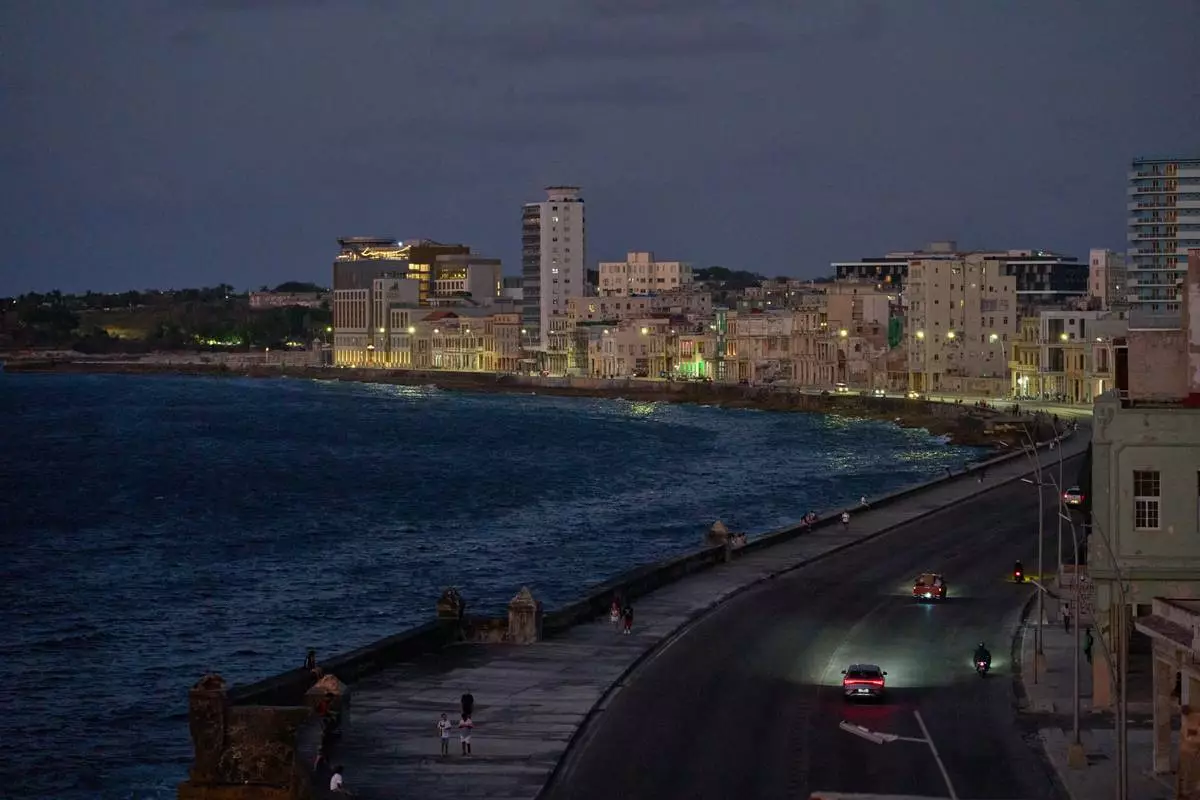
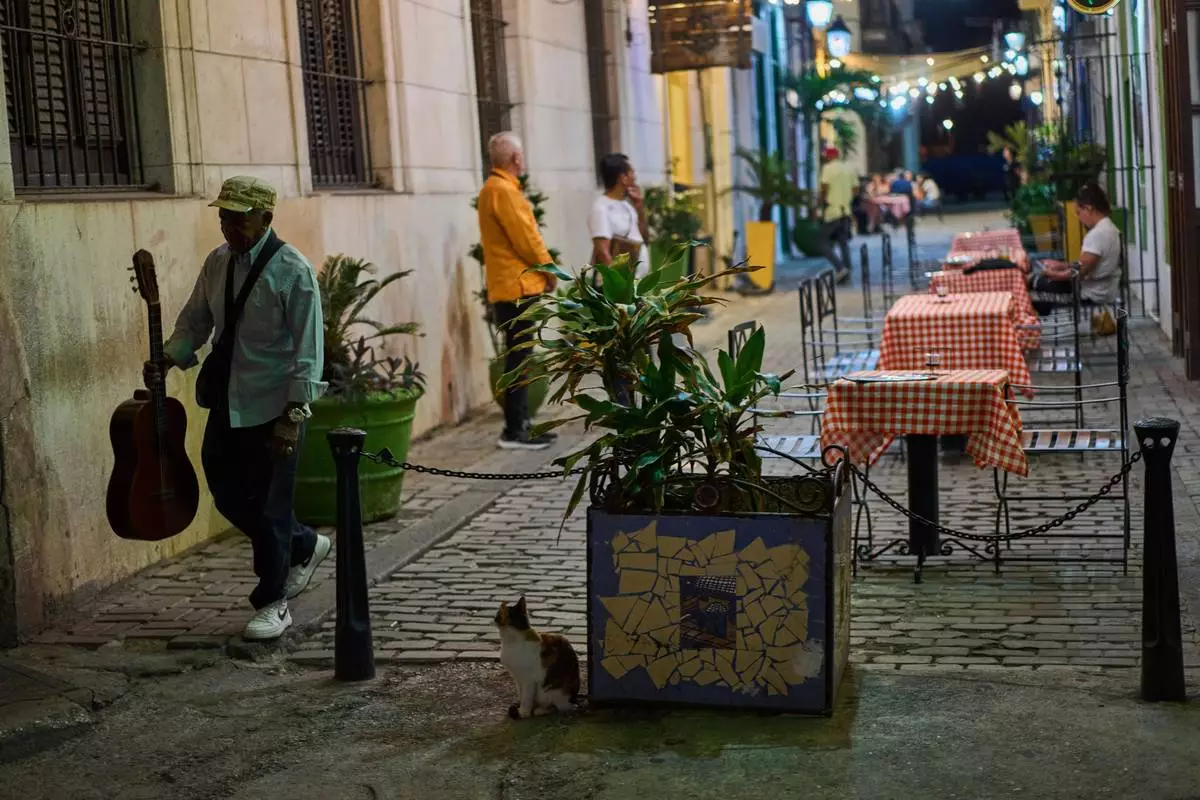
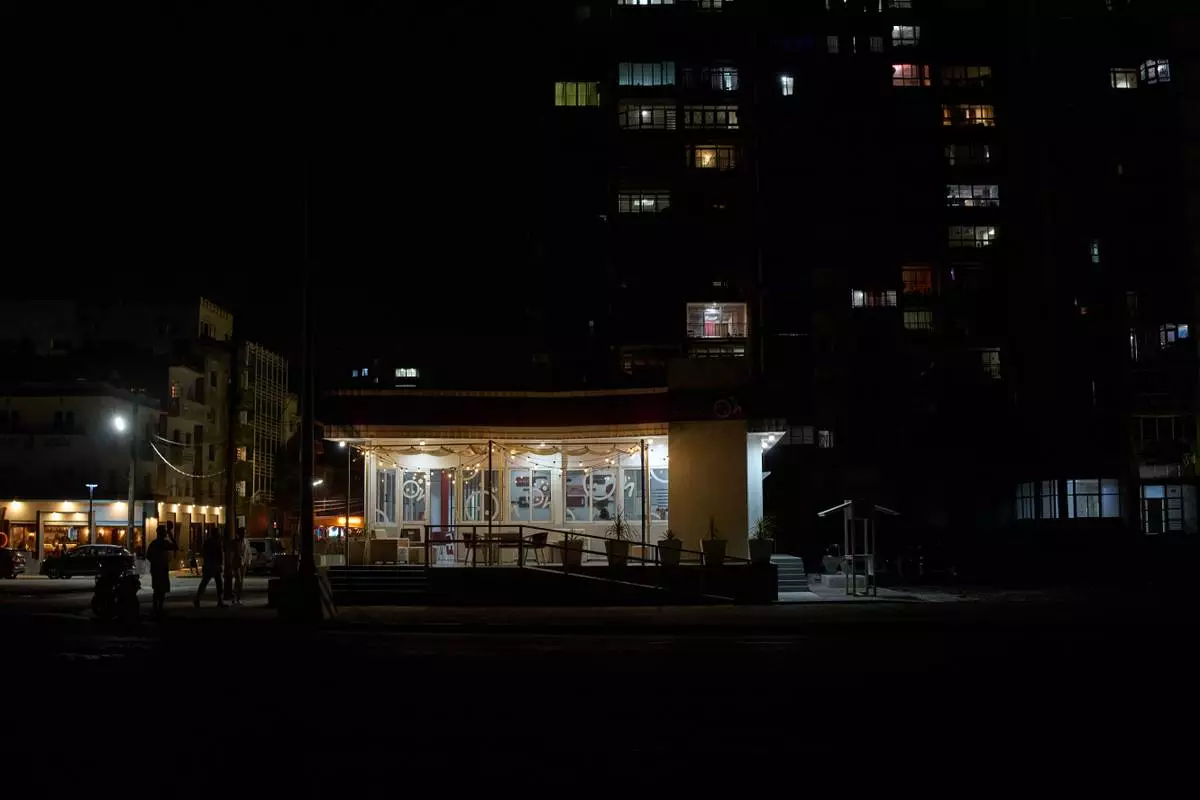
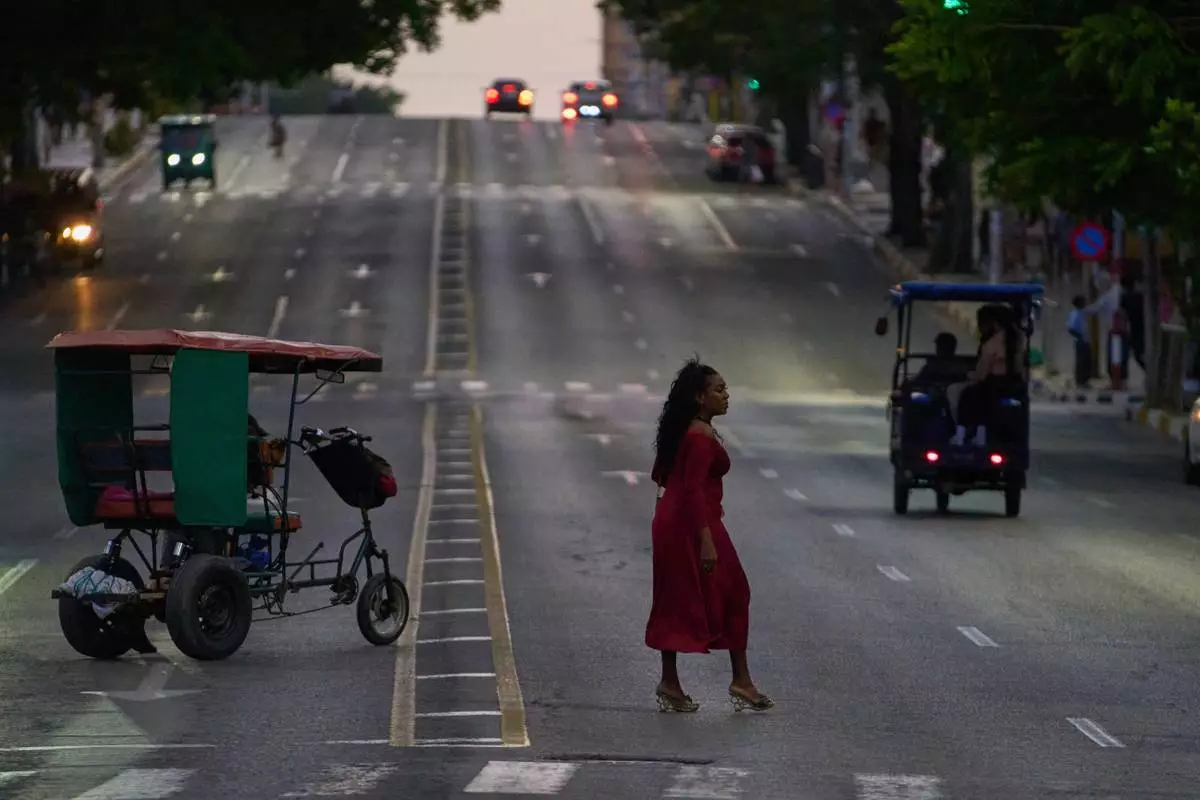
HAVANA (AP) — Havana's broad avenues are empty at night. Theaters are closed. Bars and cafes have curtains lowered. It’s hard to find lights in the streets or Cubans making money entertaining tourists.

Under the weight of an oil embargo imposed by the second administration of U.S. President Donald Trump, and the island's most severe economic crisis in decades, the city's once bustling nightlife has gone quiet.

“I feel empty inside when I see my streets empty,” said Yusleydi Blanco, a 41-year-old accountant. “I can’t be happy when my country is sad.”

Following a 2016 deal between then-Presidents Barack Obama and Raúl Castro easing U.S. travel restrictions on Cuba, money flooded the island as tourism spiked. A small number of entrepreneurs opened newly allowed private businesses and bought imported modern vehicles that shared the streets with classic cars from the 1950s.

In 2018, a record 4.7 million tourists arrived on the island. Hotel accommodations were so saturated that travelers without lodging were seen sleeping in a park in the small western Cuban town of Viñales that draws thousands of tourists and rock climbers to its scenic limestone cliffs.

Today, gasoline sales are limited to 20 liters (5 gallons) per vehicle and owners can wait months for a turn at the pump. Buses now stop running at 6 p.m. and international airlines including Air France, Air Canada and Iberia have stopped flying to Havana because they can’t refuel there. The sound of cars has disappeared in the wealthy El Vedado neighborhood, where the soundscape of chirping birds has reemerged.

The Cuban government reported the arrival of 77,600 tourists in February, down from 178,000 on the same month a year ago.

“This is worse than the Special Period," said 65-year-old parking attendant Dolores de la Caridad Méndez about the years of economic devastation that followed the collapse of the Soviet Union, Cuba's Cold War patron, in the 1990s.

In contrast with his Democratic predecessors, U.S. President Donald Trump has tightened economic sanctions against Cuba, demanding an end to political repression, a release of political prisoners and a liberalization of the island’s ailing economy.

The deepening crisis has led to persistent blackouts, cuts to the state-run food ration system, and severe shortages of water and medicine that have transformed daily life into an ordeal for many in the island of 10 million. Between 2021 and 2024, approximately 1.4 million Cubans left the island — mostly young people but also accomplished musicians, actors, dancers and other entertainers who fueled Havana's nightlife.

In January, the U.S. captured then-President Nicolás Maduro of Venezuela, which had been Cuba's primary supplier of oil. The Trump administration severed that supply and threatened to impose tariffs on other countries that sold oil to Cuba, which went without a single shipment until a Russian tanker came in March.

For entrepreneurs and business owners across the island, life has become difficult as tourism plummeted and their hopes of selling cheaper goods to fellow Cubans dashed against the rocks of a vastly harder economic reality.

“You wake up and you're ready to conquer the world, saying, ‘Today I’ll sell more than ever,'” said Yeni Pérez, owner of the Old Havana cafe Entre Nos. “Then not a single client comes in and you go home devastated.”

“The next day,” she said, “You say, ‘Let’s give it another chance.' It's a time that's testing everyone's stamina."

Follow AP’s coverage of Latin America and the Caribbean at https://apnews.com/hub/latin-america

A restaurant sits empty in Havana, Wednesday, April 15, 2026. (AP Photo/Ramon Espinosa)

A restaurant sits empty in Havana, Wednesday, April 15, 2026. (AP Photo/Ramon Espinosa)

A woman crosses an avenue in Havana, Wednesday, April 15, 2026. (AP Photo/Ramon Espinosa)

A woman crosses an avenue in Havana, Wednesday, April 15, 2026. (AP Photo/Ramon Espinosa)

Vehicles traverse the Malecon at dusk in Havana, Wednesday, April 15, 2026. (AP Photo/Ramon Espinosa)

Vehicles traverse the Malecon at dusk in Havana, Wednesday, April 15, 2026. (AP Photo/Ramon Espinosa)

A street musician walks past a restaurant in Havana, Wednesday, April 15, 2026. (AP Photo/Ramon Espinosa)

A street musician walks past a restaurant in Havana, Wednesday, April 15, 2026. (AP Photo/Ramon Espinosa)

Recommended Articles