HONG KONG (AP) — He knows what he will see and he’s already hurting, but he has to go back.
For the first time since Hong Kong's deadliest fire in decades engulfed his apartment building in November, Keung Mak will step into his former home again Monday. But he expected little remained. A photo from his social worker had already shown the devastation.
Click to Gallery
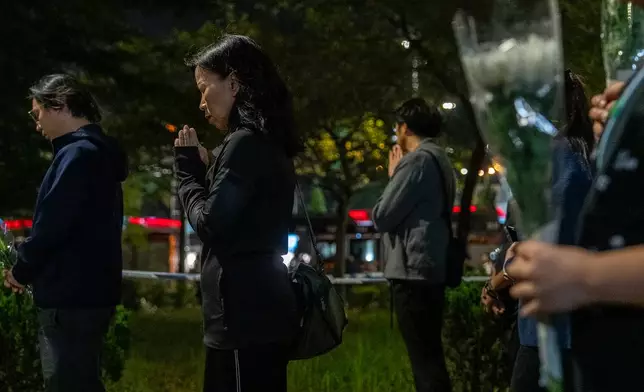
FILE - People offer flowers and pray for the victims near the site of Wednesday's fire at Wang Fuk Court, a residential estate in the Tai Po district of Hong Kong's New Territories, Sunday, Nov. 30, 2025. (AP Photo/Chan Long Hei, File)
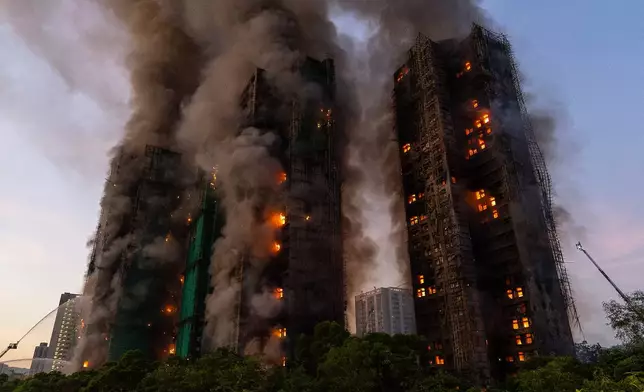
FILE - Smoke rises after a fire broke out at Wang Fuk Court, a residential estate in the Tai Po district of Hong Kong's New Territories, Nov. 26 2025. (AP Photo/Chan Long Hei, File)
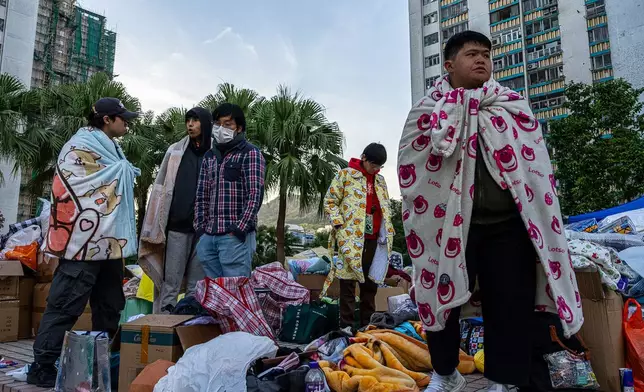
FILE - People stand amid donated supplies following the fire that started Wednesday at Wang Fuk Court, a residential estate in the Tai Po district of Hong Kong's New Territories, Friday, Nov. 28 2025. (AP Photo/Chan Long Hei, File)
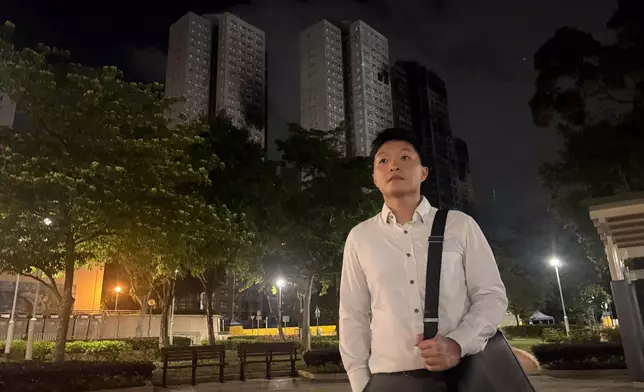
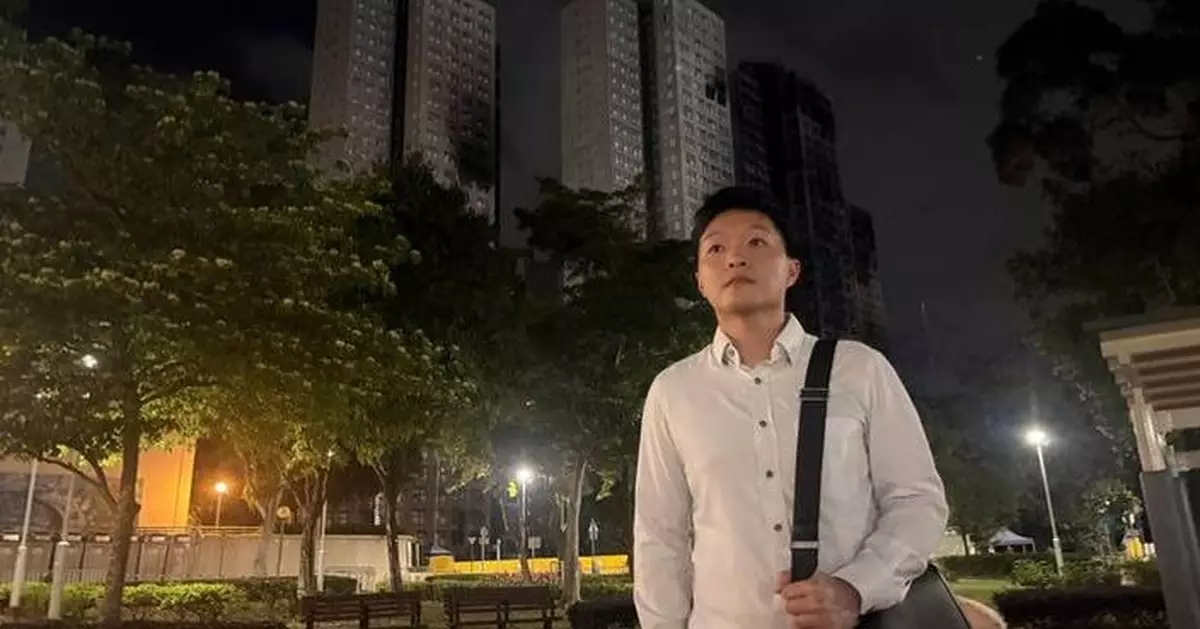
Resident Cyrus Ng poses for photos at a park near Wang Fuk Court, the apartment complex hit by Hong Kong's deadliest fire in decades, Monday, April 13, 2026. (AP Photo/Kanis Leung)
The ceiling of the apartment where he and his wife lived for over 40 years and raised their children was burned so badly that steel rebar was visible. The floor was littered with broken tiles, and parts of the apartment needed reinforcement to prevent collapse.
“My heart is heavy, I’m very disappointed. I didn’t expect the first floor would be burned like this,” Mak, 78, said ahead of returning.
The fire spread rapidly across seven of the eight buildings in the apartment complex in the suburban district of Tai Po, killing 168 people. Starting Monday, the thousands of residents displaced by the fire were returning to see what is left of their homes and retrieve their belongings. The process is expected to continue into early May.
As the investigation into the cause of the fire continues, survivors have been living as best they can, scattered across the city, many in temporary housing as they wait to find out where they can resettle.
The exteriors of some buildings remained blackened from the flames, a reminder of the tragedy.
The return will be particularly difficult for many of the complex's older residents, who made up over a third of some 4,600 people who lived there before the blaze.
With elevators out of service, some have been training to improve their fitness in preparation for climbing the stairs up the 31-story buildings.
Hong Kong Deputy Chief Secretary Warner Cheuk said over 1,400 people registered for the return are 65 or older, public broadcaster Radio Television Hong Kong reported.
He later told reporters about 270 people would return to the complex Monday.
There were many items in Mak's apartment that the family cherishes and longs to retrieve: a fishing rod Mak's son bought him as a gift; wedding photos from half a century ago; letters from their son from years past. They believe almost all of it is destroyed.
“A lot of things with commemorative value are all gone,” said Mak's wife, Kit Chan, 74. “Not even a single piece of paper will be left.”
Residents will typically be allowed to stay in their apartments for up to three hours, with up to four people entering. In some severely damaged units, only one person can go in.
With only two people allowed in due to the condition of their apartment, Mak and his son will go back. Chan hopes authorities can let her take a look too.
Cyrus Ng, 39, lived on the 10th floor of the Wang Fuk Court complex with his parents for over a decade before moving out.
In the immediate aftermath of the fire, he couldn’t sleep, feeling angry, sad and worried about his parents. Nearly five months later, he is more emotionally settled but has not fully accepted what happened.
“We know there are suspicious issues behind this,” he said. “I hope we can really find the truth.”
A lawyer representing an independent committee conducting an ongoing inquiry into the fire’s cause has said almost all fire safety devices in the apartment buildings failed on the day of the blaze because of human error.
Ng has mixed feelings about returning next week to their apartment, which was spared the worst damage. He fears the emotional impact on his parents, but looks forward to the chance to retrieve their title deed, old photos, clothes and other valuable items.
He also said he is worried about theft after months of vacancy. Police arrested three men in March on suspicion of stealing from the site.
The government previously said repairing the damaged buildings cost-effectively would be difficult. Officials were inclined to demolish the seven fire-ravaged buildings, and have proposed to buy back the homeownership rights from the fire victims.
They cited results from a residents' survey, dashing hopes for those who want their homes rebuilt.
Some residents questioned that stance. Data from the fire inquiry showed that only half of some 1,700 apartments in the seven buildings were damaged, to varying degrees.
Ng wondered if some of the buildings could be repaired to allow some residents to return, though his parents were already considering the government’s offer of an apartment elsewhere. He plans to take photos of his apartment during his return to document its condition and help prove that some homes were unaffected.
Other residents who lived in the only building in the complex that escaped the fire face the trauma of living with nightmarish memories.
Stephanie Leung, a resident of that block, is reluctant to live in the same apartment again. She said her family would face great mental stress every time they looked out over the seven other buildings where their former schoolmates or friends died.
She hopes the government will include her block in the same plan as the other buildings, while allowing those who want to remain to stay.
“Whenever I go back, I want to cry,” she said.
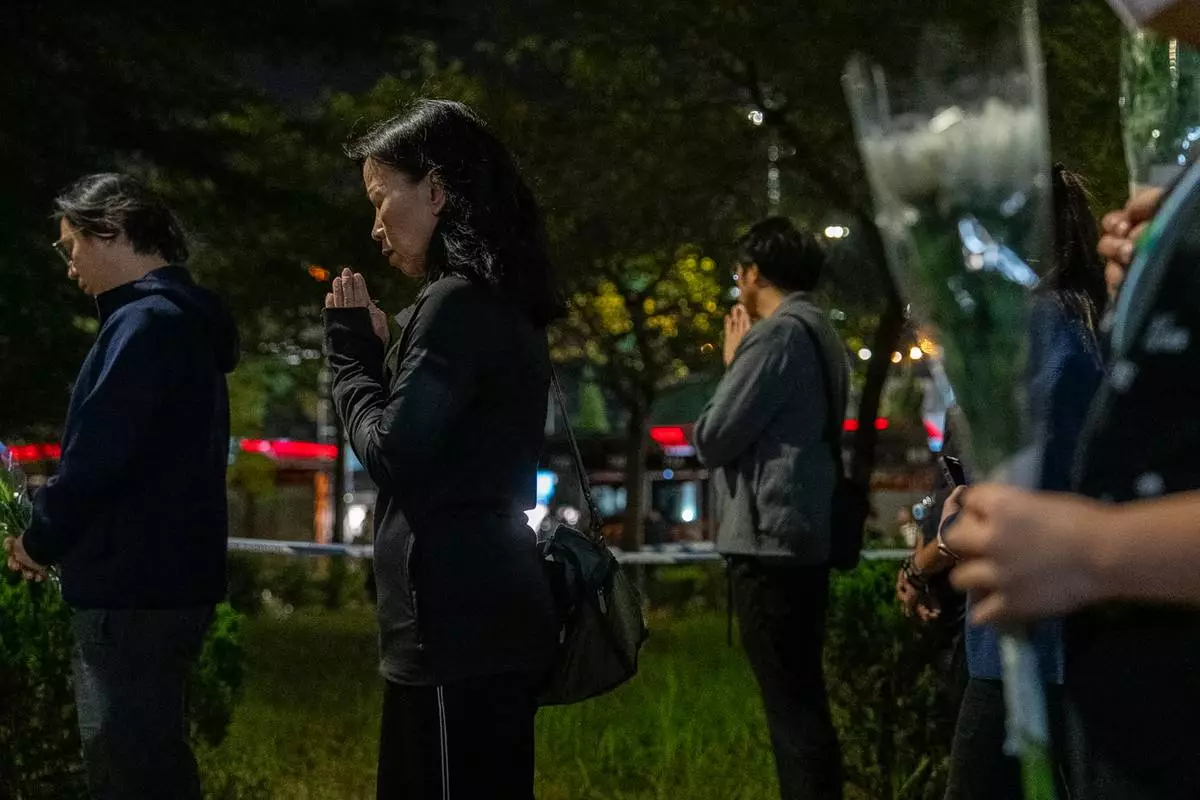
FILE - People offer flowers and pray for the victims near the site of Wednesday's fire at Wang Fuk Court, a residential estate in the Tai Po district of Hong Kong's New Territories, Sunday, Nov. 30, 2025. (AP Photo/Chan Long Hei, File)
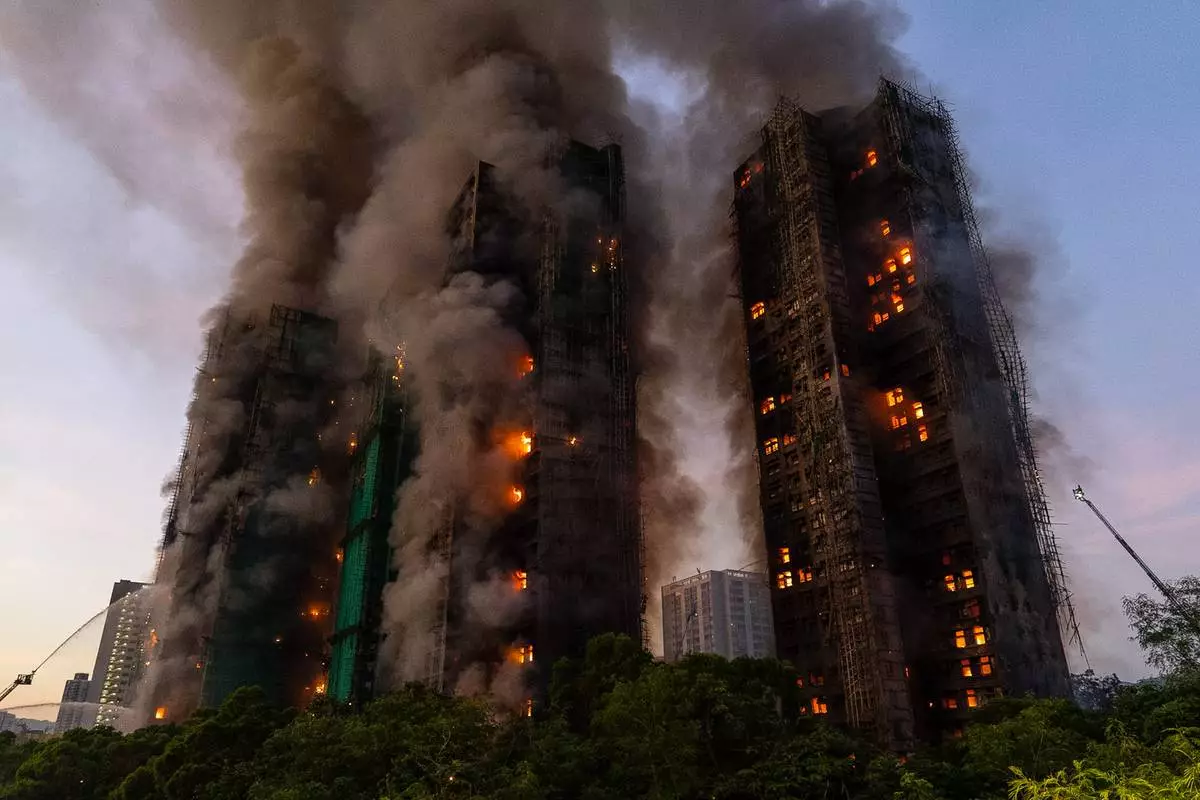
FILE - Smoke rises after a fire broke out at Wang Fuk Court, a residential estate in the Tai Po district of Hong Kong's New Territories, Nov. 26 2025. (AP Photo/Chan Long Hei, File)
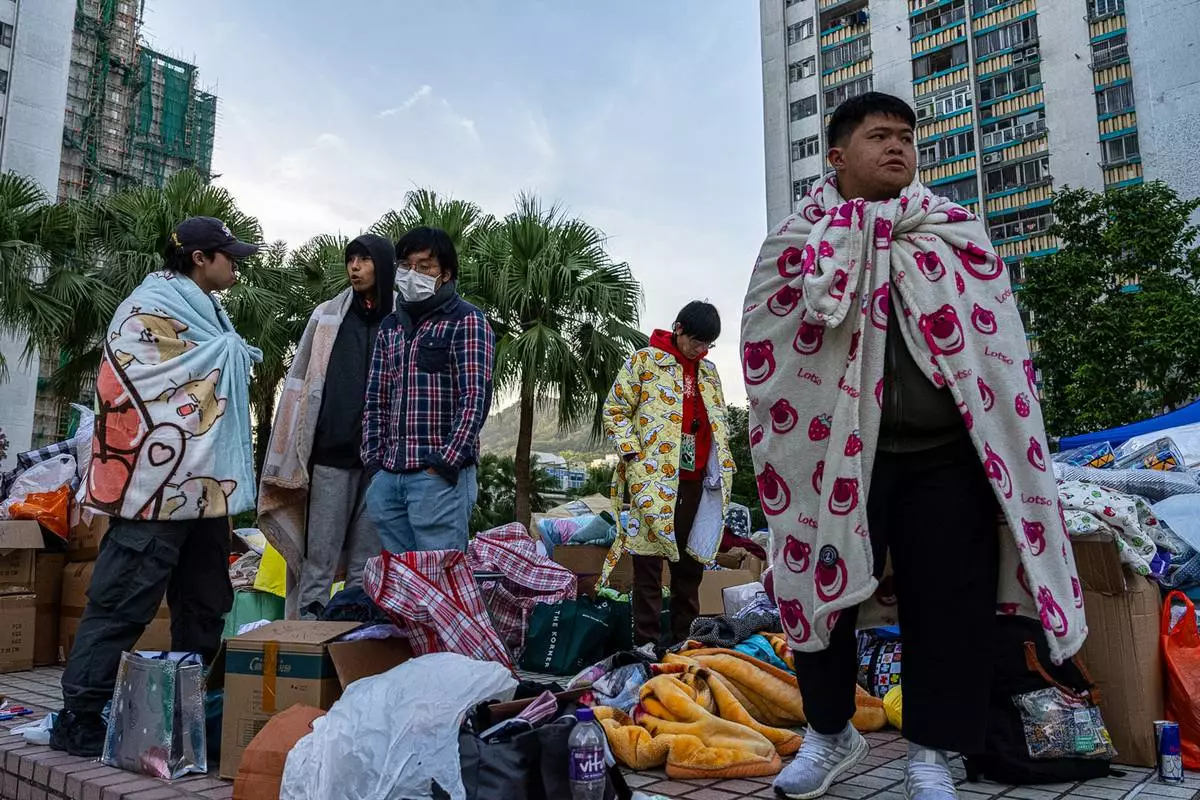
FILE - People stand amid donated supplies following the fire that started Wednesday at Wang Fuk Court, a residential estate in the Tai Po district of Hong Kong's New Territories, Friday, Nov. 28 2025. (AP Photo/Chan Long Hei, File)
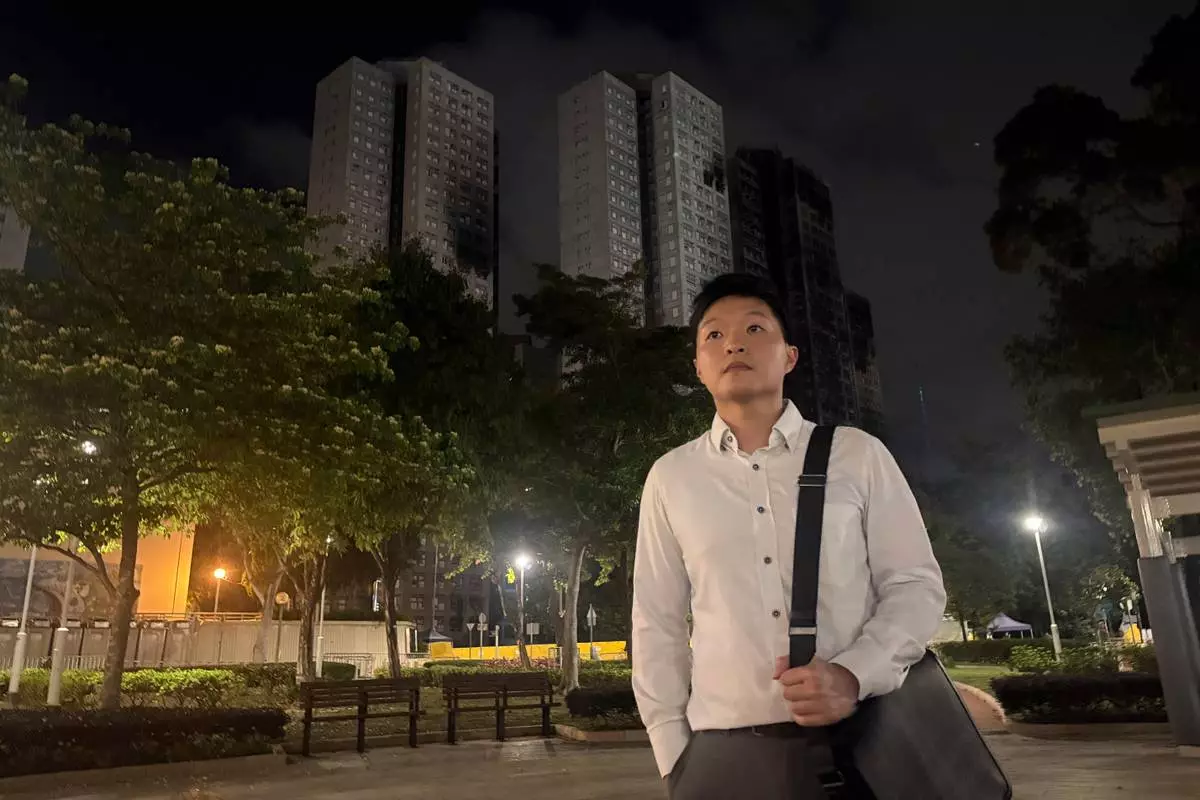
Resident Cyrus Ng poses for photos at a park near Wang Fuk Court, the apartment complex hit by Hong Kong's deadliest fire in decades, Monday, April 13, 2026. (AP Photo/Kanis Leung)