The world's first land-based commercial small modular reactor (SMR), Linglong One, completed its cold functional tests on Thursday in south China's island province of Hainan.
This marks a crucial step toward its reactor fuel loading and eventual commercial operation, according to its developer, the China National Nuclear Corporation (CNNC).
This milestone lays a solid foundation for the next phases of testing. The cold functional test serves as the reactor's first comprehensive "physical examination," ensuring its safe and stable performance, the corporation said.
Located in Hainan's Changjiang Li Autonomous County, Linglong One is globally significant as the first land-based commercial modular SMR to have passed the International Atomic Energy Agency (IAEA)'s safety review.
Following the tests, the project is scheduled to undergo hot functional tests and criticality tests, CNNC said.
Once operational, the project is expected to generate about 1 billion kilowatt-hours of electricity annually, enough to meet the power demands of an estimated 526,000 households in Hainan. It is also projected to reduce carbon dioxide emissions by roughly 880,000 metric tons per year, equivalent to planting 7.5 million trees.
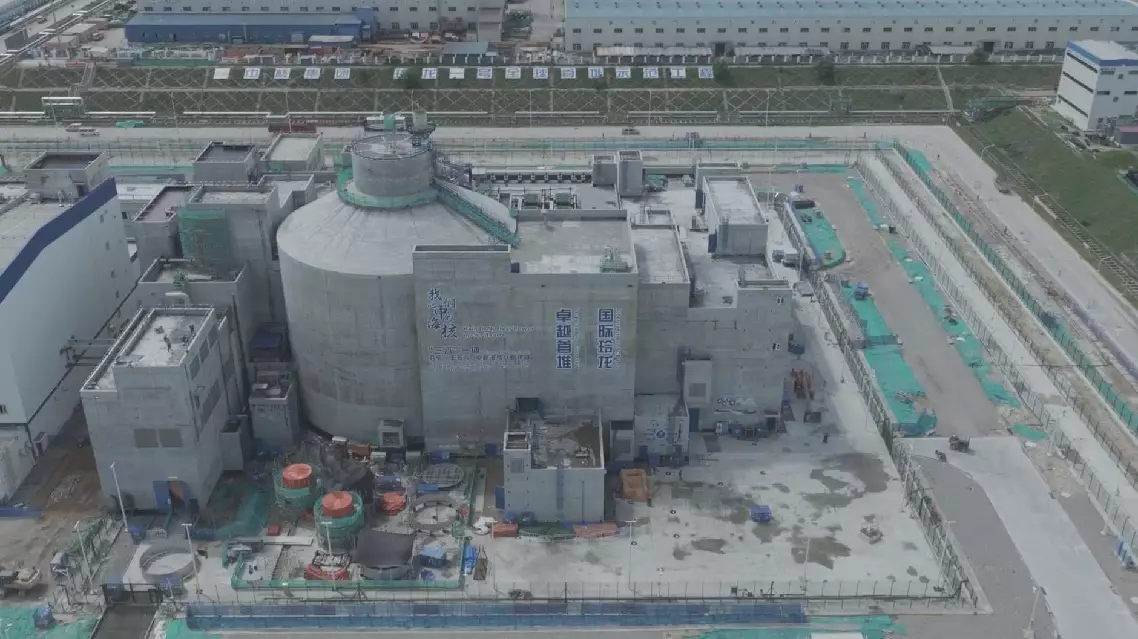
Small modular reactor Linglong One completes cold functional tests in Hainan
The second round of indirect nuclear talks between Iran and the United States concluded in Geneva on Tuesday, with new talks to be scheduled.
The negotiations, held at Oman's embassy in the Swiss city, were mediated by Omani Foreign Minister Sayyid Badr bin Hamad bin Hamood Albusaidi.
U.S. presidential special envoy Steve Witkoff and President Donald Trump's son-in-law Jared Kushner represented Washington in the negotiations. Iranian Foreign Minister Seyed Abbas Araghchi led a "diplomatic and specialized" delegation to the talks.
Albusaidi said on social media platform X that Tuesday's talks concluded with "good progress" towards identifying common goals and relevant technical issues. He added that "much work is yet to be done, and the parties left with clear next steps before the next meeting."
Araghchi told Iranian media after the talks that the talks were held in a more "constructive" atmosphere compared to the previous round in Oman.
"Different ideas were proposed and seriously discussed, and, eventually, we managed to reach a general agreement on a series of guiding principles, based on which we will henceforth move on and enter the text of a possible agreement," he said.
Iranian President Masoud Pezeshkian said on Tuesday that the current talks with the United States are being conducted under the coordination and approval of the Supreme Leader.
He said the purpose of negotiations with Washington is to resolve issues seriously, not to engage in dialogue for the sake of dialogue.
He added that Iran earnestly seeks tangible results and hopes the process will lead to concrete outcomes.
The U.S. said some details require further discussion, Axios cited a U.S. official as saying. Iran is expected to return with detailed proposals in the next two weeks.
Speaking at the Plenary Meeting of the Conference on Disarmament held in Geneva, Araghchi said that "a new window of opportunity has opened" after today's talks with the U.S.
He expressed hope that the negotiation will lead to a sustainable solution which can serve the interests of relevant parties and the broader region.
He also reiterated that Iran remains fully prepared to defend itself against any threats or act of aggression.
After the talks began, Iran announced a temporary closure in parts of the Strait of Hormuz to comply with safety and shipping principles in its live fire drill "Smart Control of the Strait of Hormuz."
After Trump returned to office in 2025 and revived a "maximum pressure" policy on Iran, five additional rounds of indirect talks between Washington and Tehran that year failed to bridge core differences. The first round of talks in Oman's Muscat on Feb. 6 this year was described by both sides as a "good start" but yielded no visible breakthrough.
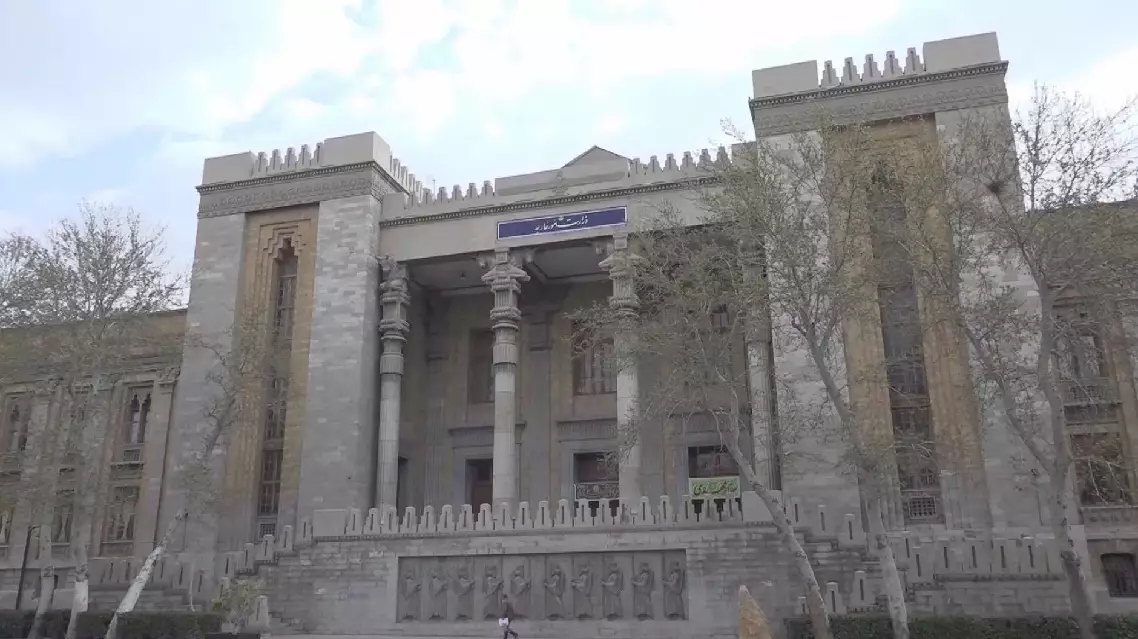
2nd round of Iran-U.S. talks concludes, new talks to be scheduled