BARCELONA, Spain (AP) — The European Union's cooperation on migration with the fractured North African nation of Libya is in the spotlight again after human rights lawyers filed the names of some 120 European leaders - including French President Emmanuel Macron and former German Chancellor Angela Merkel - to the International Criminal Court, accusing them of committing crimes against humanity with migrants in the Mediterranean Sea.
The group led by lawyers Omer Shatz and Juan Branco filed a 700-page legal brief on Thursday. The Associated Press has obtained a copy of the brief.
Click to Gallery
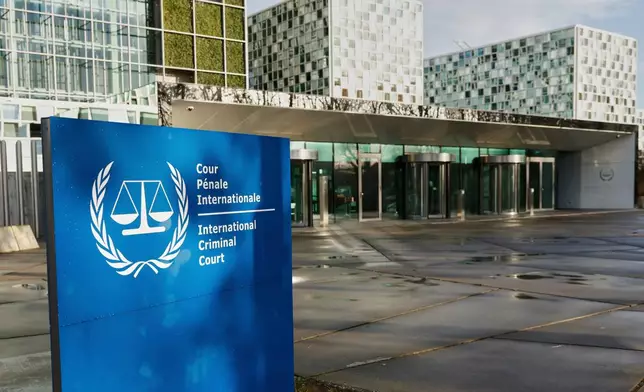
FILE - A general view of the exterior of the International Criminal Court is seen in The Hague, Netherlands, March 12, 2025. (AP Photo/Omar Havana, File)
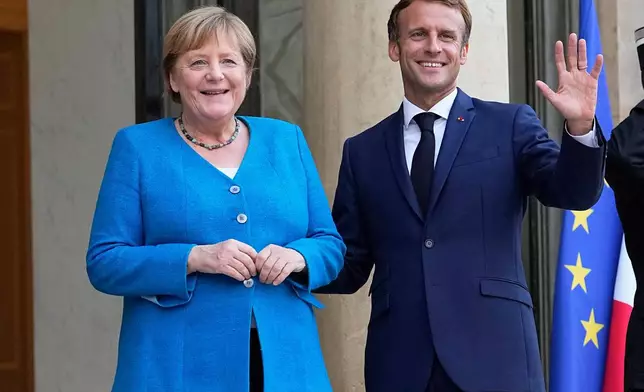
FILE - France's President Emmanuel Macron, right, welcomes German Chancellor Angela Merkel prior to a meeting at the Elysee Palace in Paris, Sept. 16, 2021. (AP Photo/Michel Euler, File)
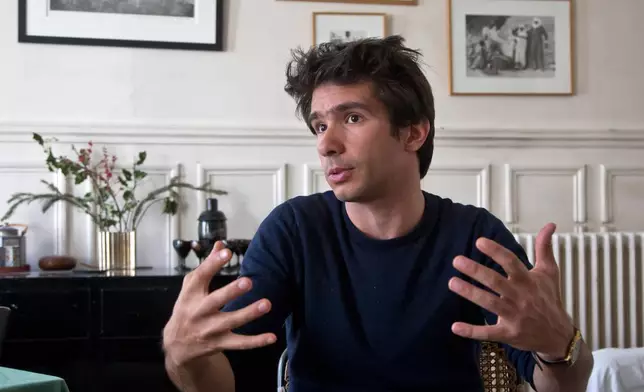
FILE - Lawyer Juan Branco, who co-authored a legal document alleging crimes against humanity by the European Union, speaks during an interview with The Associated Press, April 11 2019, in Paris, France. (AP Photo/Michel Euler, File)
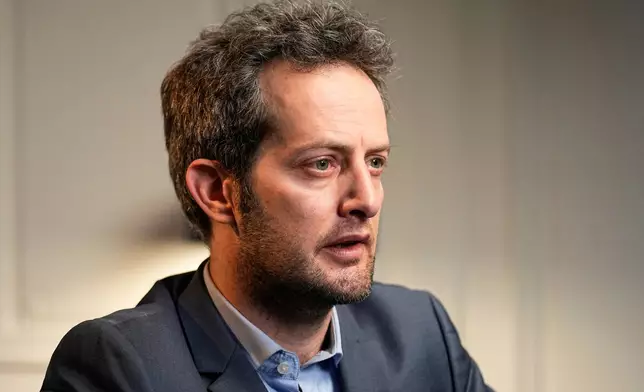
FILE - Omer Shatz the lawyer of the French-Turkish woman imprisoned in Turkey speaks during an interview with The Associated Press in Paris, Wednesday, Feb. 16, 2022. (AP Photo/Michel Euler, File)
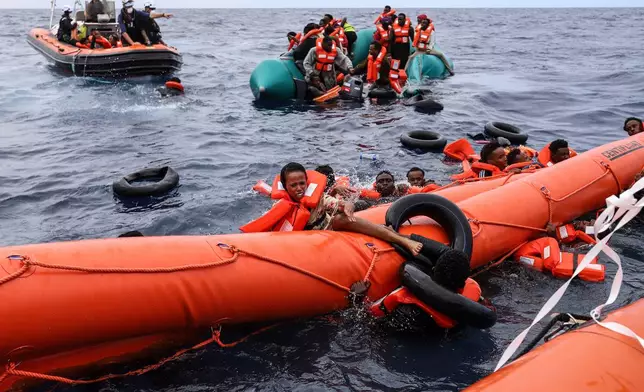
FILE - Migrants who fell in the water struggle to cling on to a a float before being rescued by a humanitarian rescuers, around 35 miles away from Libya, in the Mediterranean Sea, Oct. 18, 2021. (AP Photo/Valeria Mongelli, File) (AP Photo/Valeria Mongelli, File)
Their case is based on six years of investigation, interviews with more than 70 senior European officials, minutes of high-level European Council meetings and other confidential documents. It follows a previous request to the ICC's prosecutor’s office to investigate European officials for migration policies they argued led to the interception, detention, torture, killing and drowning of tens of thousands of people trying to reach European shores.
That request, filed in 2019 and admitted in 2020 as part of the ICC's Libya investigation, did not cite any specific suspects by name.
Now, lawyers say they have identified dozens of European individuals, from high-level heads of state to lower-level bureaucrats, as “co-perpetrators” alongside Libyan suspects for the death of 25,000 asylum seekers and abuses against some 150,000 survivors who were “abducted and forcibly transferred to Libya, where they were detained, tortured, raped, and enslaved.”
“We did the work of the office of the prosecutor, we managed to get to the inside of this apparatus of power and deconstruct it to see which offices, which ministries and which individuals (are responsible),” Shatz said. “We feel confident to say that at least 122 are criminally liable.”
ICC's prosecutor Karim Khan stepped aside earlier this year pending the outcome of a sexual misconduct investigation against him.
Lawyers published an online database with parts of their case and their “suspect list” naming each of the 122 individuals, their roles and why they believe the person to be liable. Among them is NATO Secretary-General Mark Rutte, who was then prime minister of the Netherlands, Polish Prime Minister Donald Tusk, then former president of the European Council, European former foreign policy chief Frederica Mogherini and former Frontex chief Fabrice Leggeri, to cite a few.
Shatz and Branco are not the only ones to have urged the ICC to investigate abuses committed against migrants in Libya and the Mediterranean Sea. In 2023, a U.N.-backed investigation also concluded the EU's support to Libyan forces contributed to crimes against migrants and called on EU authorities to review their policies with Libya.
“The law of the ICC was born out of European crimes but only applied so far to crimes committed outside of Europe,” Shatz told the Associated Press. “Our request is simple: to apply the law impartially, also upon European nationals.”
Despite repeated calls from human rights experts for Europe to refrain from supporting Libyan forces in stopping migrants from crossing the Mediterranean, European officials remain determined to continue doing just that.
Libya plunged into chaos after a NATO-backed uprising toppled and killed longtime dictator Moammar Gadhafi in 2011. In the chaos that followed, the country split, with rival administrations in the east and west backed by rogue militias and foreign governments. In recent months, there has been an increase in migrant departures from eastern Libya to Greece, which European officials have been trying to address.
The EU says it has been working with Libyan authorities “to protect migrants and refugees” in Libya, “while taking action to reduce irregular departures through border management and anti-smuggling and trafficking in human beings.”
It has repeatedly defended its cooperation with Libya and its migration policy and blames migrant deaths on people smugglers and human traffickers who profit off their misery.
“The situation in Libya is critical,” EU Commission spokesperson Markus Lammert told journalists last week. “We will continue our engagement with all actors involved."
Just yesterday, the EU hosted both eastern and western Libyan officials for a technical visit of the bloc's border and coast guard agency's headquarters in Warsaw. The visit was remarkable for bringing both sides of Libya's rival governments into the same room.
“The atmosphere was open and constructive, and the Libyan side showed real curiosity about how Frontex and the EU work,” Chris Borowski, a spokesperson for Frontex told AP in writing. “It was a good first step toward building mutual understanding.”
Human rights groups, including non-governmental organizations that rescue migrants in the Mediterranean, criticized the visit. In the past few months, Libyan patrols have been caught on camera in several incidents of aggression, including shooting at both rescue ships and migrants themselves.
“With the support of the EU and its member states, the Libyan militias have turned into a brutal border force that acts with aggression and impunity at sea,” said a statement issued this week by Alarm Phone, a network of activists who operate a hotline for migrants in distress.
Questioned last week about the recent incidents at sea and the scheduled Libyan visit to Frontex, Lammert, the EU commission spokesperson, insisted border cooperation with Libya would be “in line with human rights standards.”
There was no immediate reaction to the ICC filing.
AP journalist Samuel McNeil in Brussels contributed to this report.
Follow AP’s global migration coverage at https://apnews.com/hub/migration
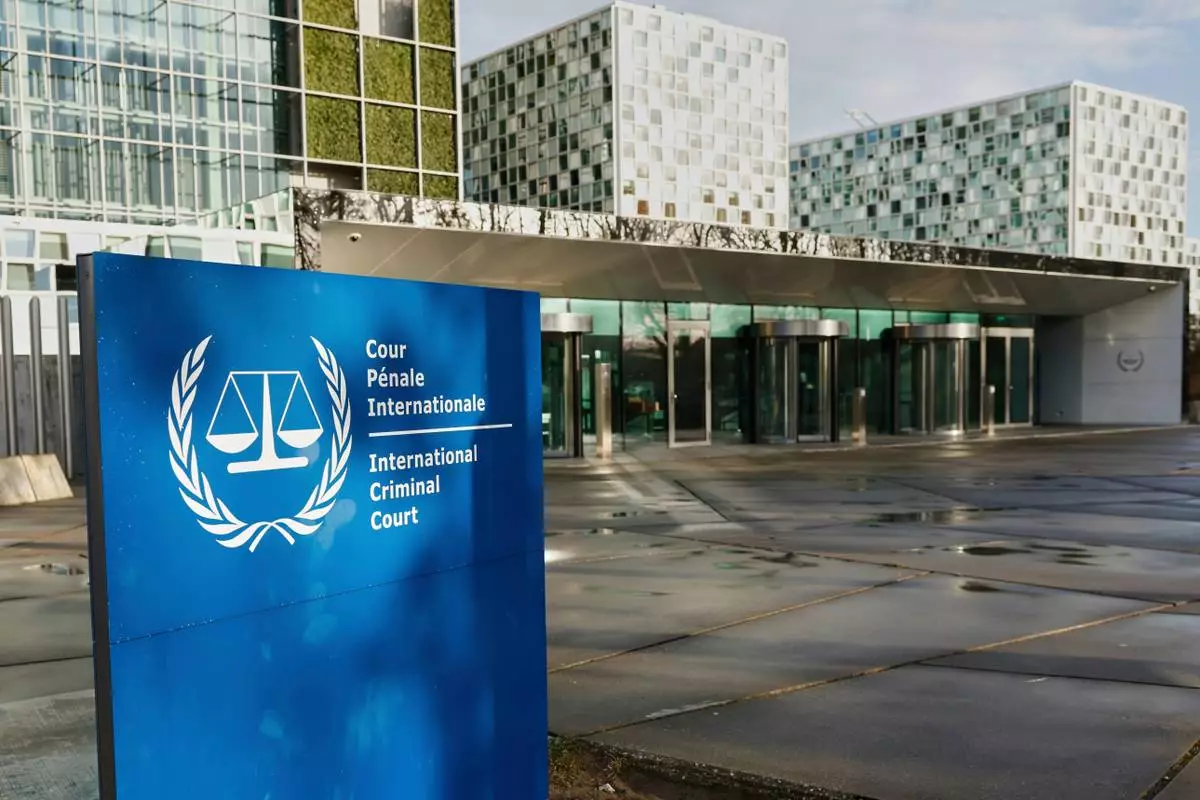
FILE - A general view of the exterior of the International Criminal Court is seen in The Hague, Netherlands, March 12, 2025. (AP Photo/Omar Havana, File)
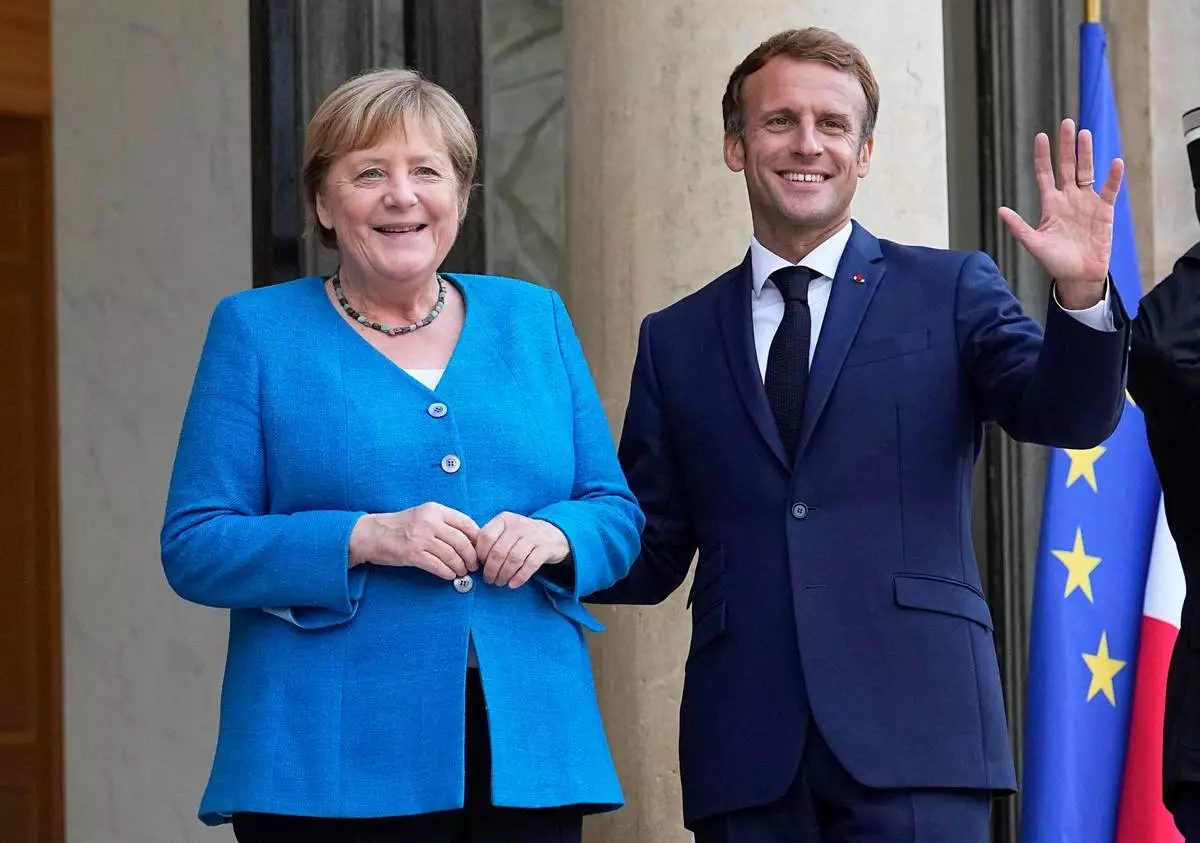
FILE - France's President Emmanuel Macron, right, welcomes German Chancellor Angela Merkel prior to a meeting at the Elysee Palace in Paris, Sept. 16, 2021. (AP Photo/Michel Euler, File)
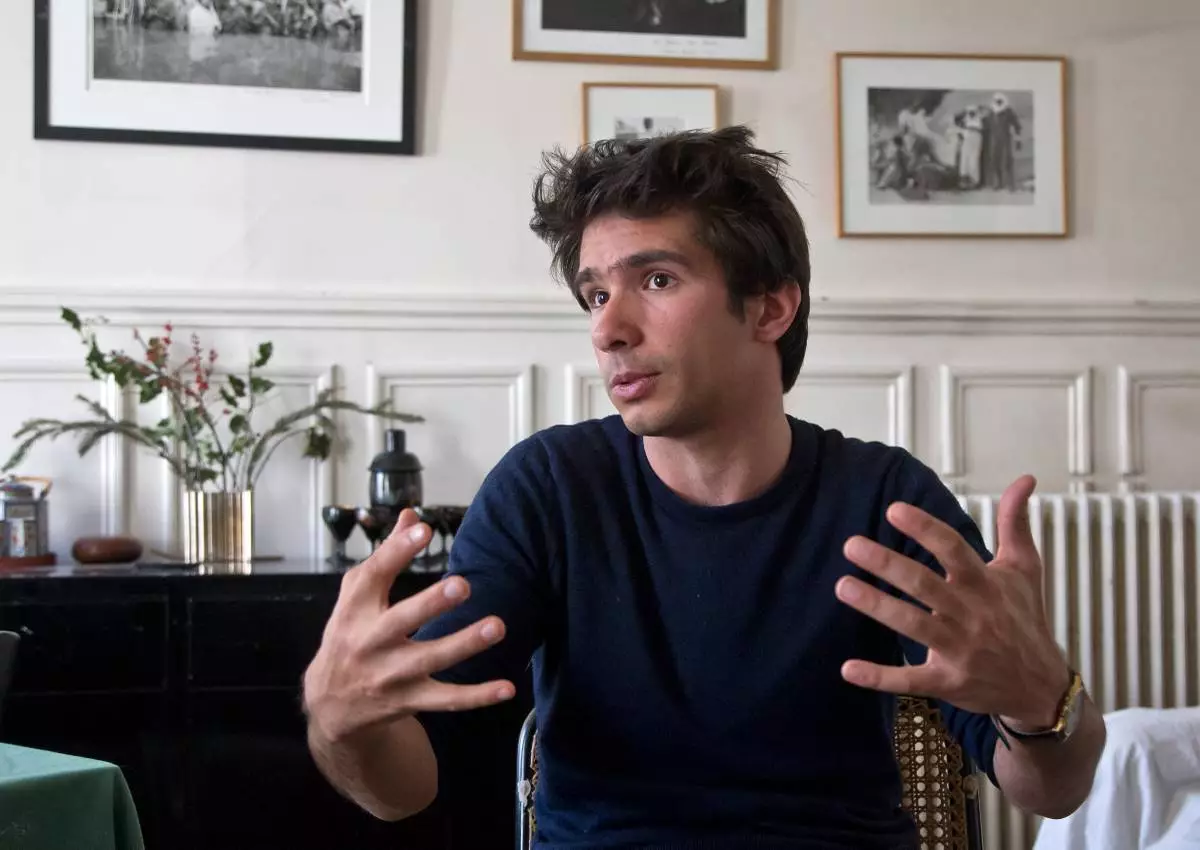
FILE - Lawyer Juan Branco, who co-authored a legal document alleging crimes against humanity by the European Union, speaks during an interview with The Associated Press, April 11 2019, in Paris, France. (AP Photo/Michel Euler, File)
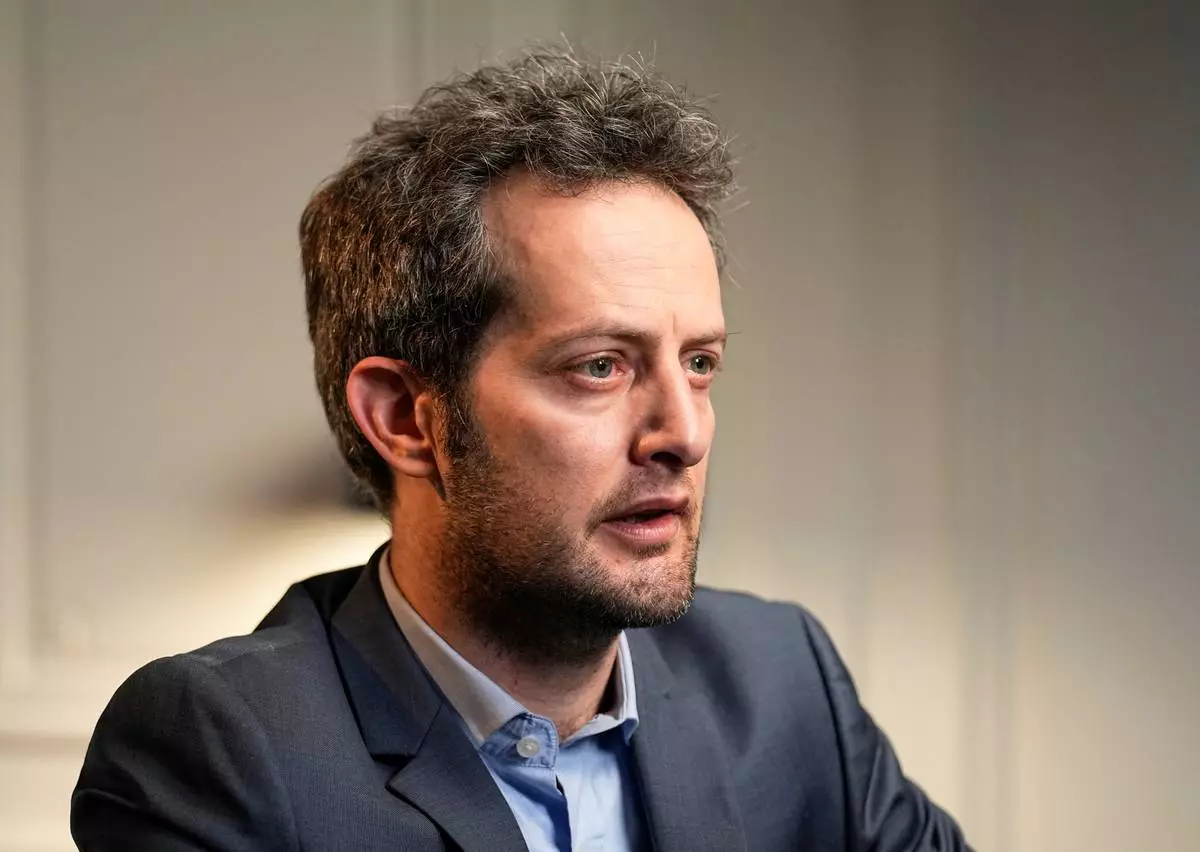
FILE - Omer Shatz the lawyer of the French-Turkish woman imprisoned in Turkey speaks during an interview with The Associated Press in Paris, Wednesday, Feb. 16, 2022. (AP Photo/Michel Euler, File)
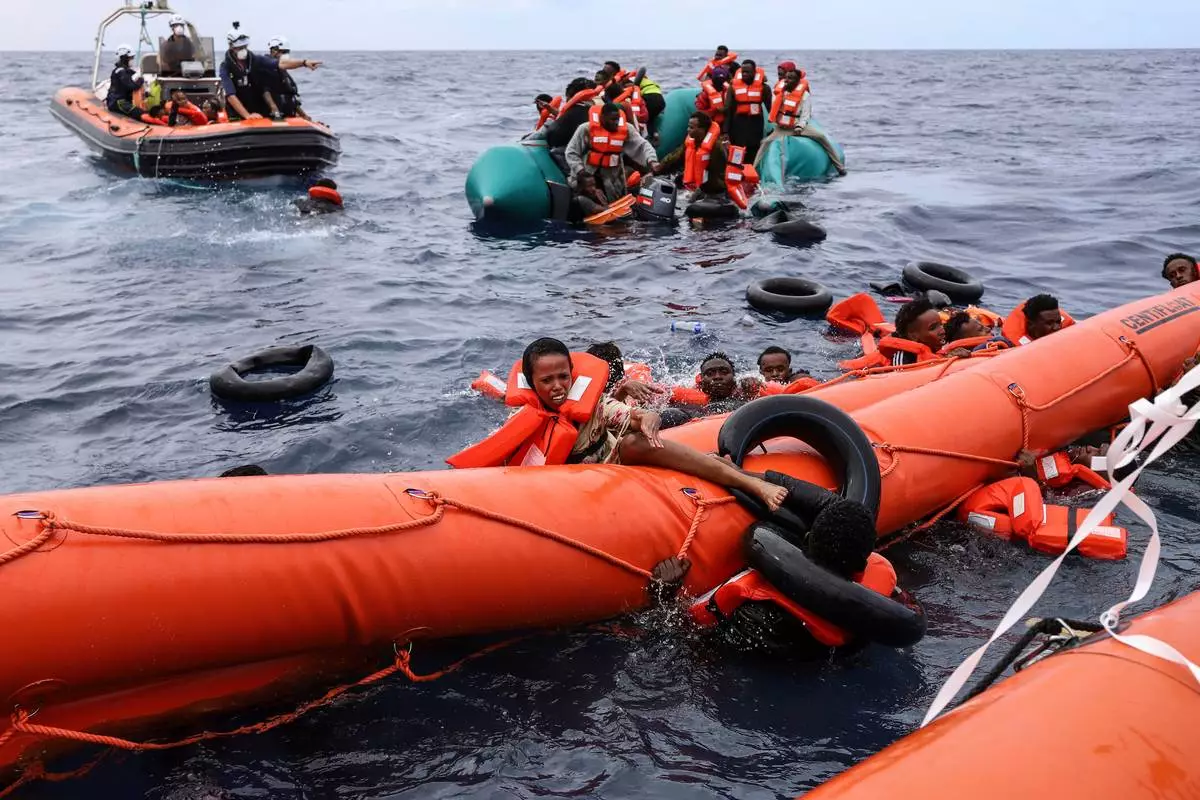
FILE - Migrants who fell in the water struggle to cling on to a a float before being rescued by a humanitarian rescuers, around 35 miles away from Libya, in the Mediterranean Sea, Oct. 18, 2021. (AP Photo/Valeria Mongelli, File) (AP Photo/Valeria Mongelli, File)