Skip to Content Facebook Feature Image

Afghanistan withdraws from Twenty20 cricket tri-series in Pakistan over military strikes

News

Afghanistan withdraws from Twenty20 cricket tri-series in Pakistan over military strikes
News

News

Afghanistan withdraws from Twenty20 cricket tri-series in Pakistan over military strikes

2025-10-18 22:39 Last Updated At:22:40

ISLAMABAD (AP) — The Afghanistan Cricket Board has withdrawn its national team from next month’s Twenty20 tri-series in Pakistan after it said three local cricketers were killed in Pakistan military strikes in southeastern Paktika province Friday.

The ACB said on social media Saturday that the cricketers were “targeted during a gathering” in Urgun district when they returned home after playing a friendly cricket match in Sharana, the capital of Paktika province.

Paktika officials said the players had been visiting a home at the time of the strike that killed 10 people.

ACB spokesman Said Nasim Sadat identified the players killed as Kabeer Agha Argon, Sibghatullah Zirok, and Haroon, who, like many Afghans, only goes by one name.

The International Cricket Council said it “stands in solidarity with the Afghanistan Cricket Board and echoes their grief.”

The ICC said it was “deeply saddened and appalled by the tragic deaths of three young and promising Afghan cricketers.”

“The ICC strongly condemns this act of violence that has robbed families, communities, and the cricketing world of three bright talents whose only ambition was to play the sport they loved,” it added.

Fellow cricketer Saifullah Khan was in the hospital where the wounded cricketers were being treated.

“We are athletes and ambassadors of peace," he said. “We don't want there to be anymore bombings or killings like this.”

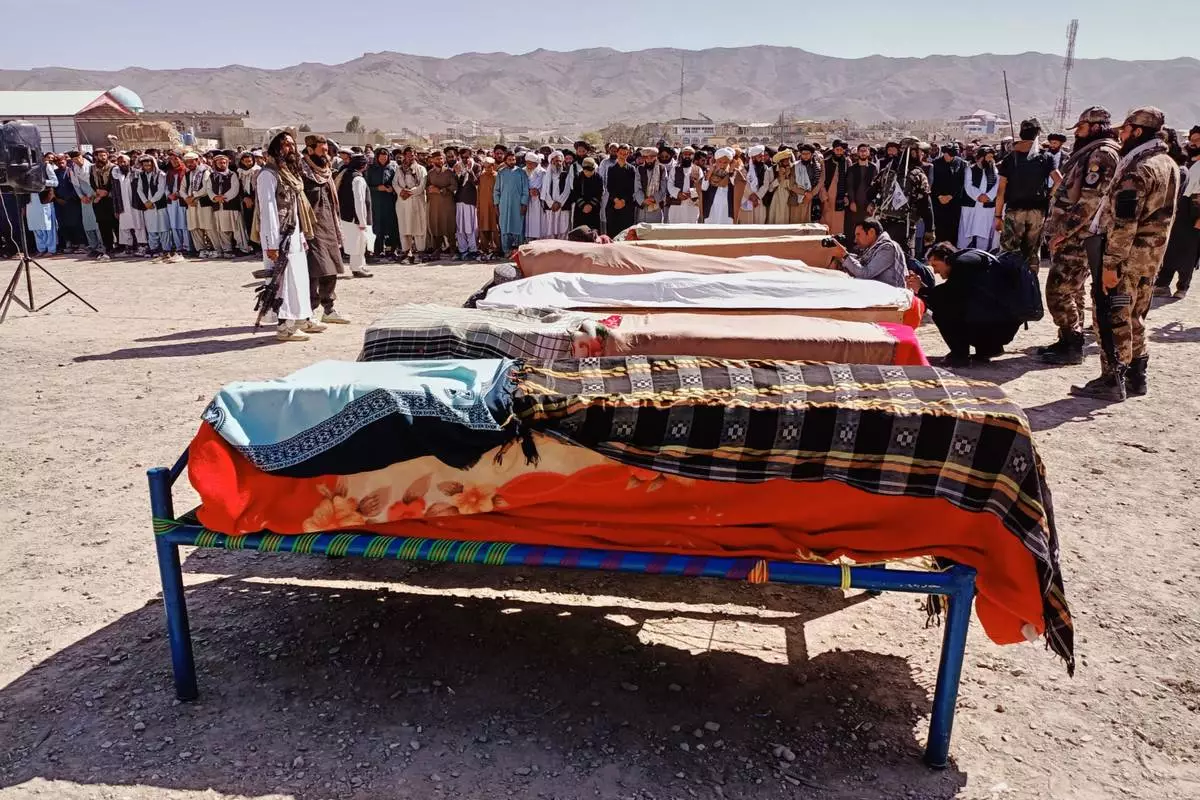
On Saturday, several thousand people attended the funeral prayers in Paktika. They sat in the open air as loudspeakers broadcast sermons and condemnations.

“The ACB considers this a great loss for Afghanistan’s sports community, its athletes, and the cricketing family,” the board said in its statement.

“In response of this tragic incident and as a gesture of respect to the victims, the Afghanistan Cricket Board has decided to withdraw from participating in the upcoming Tri-Nation T20I Series.”

Afghan captain Rashid Khan and the Afghanistan Sports Journalists Federation welcomed the decision. The federation condemned the strike as a “barbaric and shameful act, which stands in clear violation of all international laws.”

The tri-series, also featuring Sri Lanka, is scheduled to be played Nov. 17-29 in Rawalpindi and Lahore as part of teams' preparations for next year’s T20 World Cup in India and Sri Lanka.

The Pakistan Cricket Board said in a statement that Zimbabwe Cricket has accepted its invitation and will replace Afghanistan in the tri-series.

Pakistan and Afghanistan had competed in a three-nation tournament in the United Arab Emirates in September. Pakistan beat Afghanistan in the final of that tournament.

Associated Press writer Abdul Qahar Afghan contributed to this report from Jalalabad, Afghanistan

AP cricket: https://apnews.com/hub/cricket

Cricketer Mira Jan lies wounded in a hospital bed after a Pakistani cross-border airstrike that killed several people, including three other local cricketers, at the regional hospital in Afghanistan's eastern Paktika province, Saturday, Oct. 18, 2025. (AP Photo/Shafiqullah Mashaal)
Cricketer Mira Jan lies wounded in a hospital bed after a Pakistani cross-border airstrike that killed several people, including three other local cricketers, at the regional hospital in Afghanistan's eastern Paktika province, Saturday, Oct. 18, 2025. (AP Photo/Shafiqullah Mashaal)

The bodies of victims of a Pakistani cross-border airstrike, including three local cricketers, are prepared for their funeral in the village of Khandaro in the Argun district of Afghanistan's eastern Paktika province, Saturday, Oct. 18, 2025. (AP Photo/Shafiqullah Mashaal)
The bodies of victims of a Pakistani cross-border airstrike, including three local cricketers, are prepared for their funeral in the village of Khandaro in the Argun district of Afghanistan's eastern Paktika province, Saturday, Oct. 18, 2025. (AP Photo/Shafiqullah Mashaal)

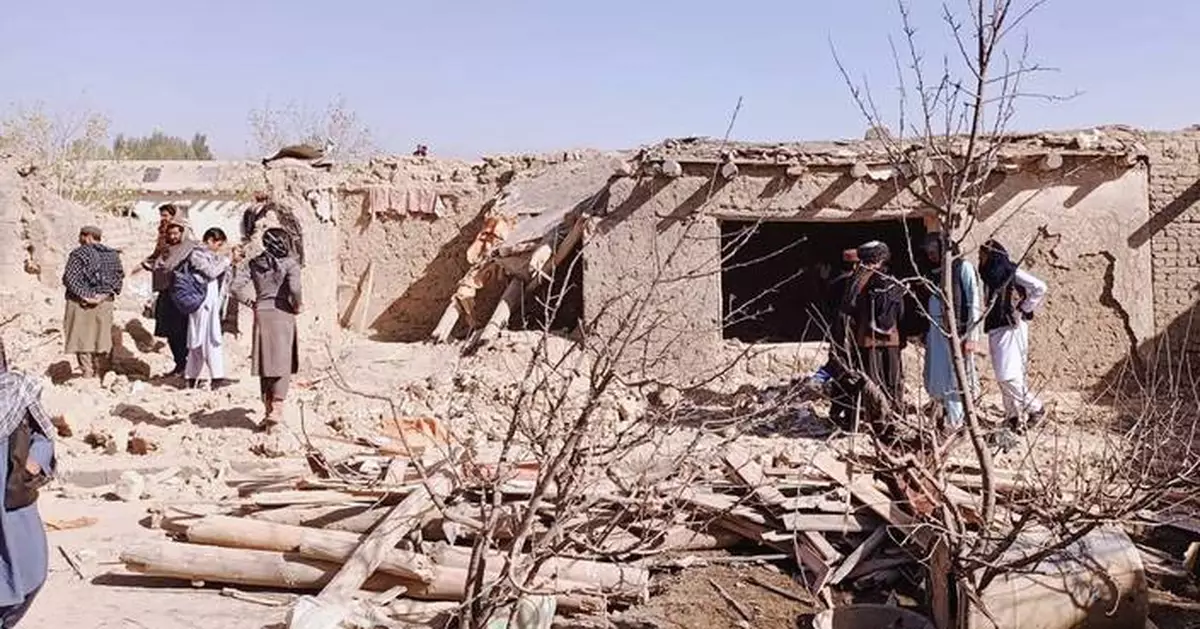
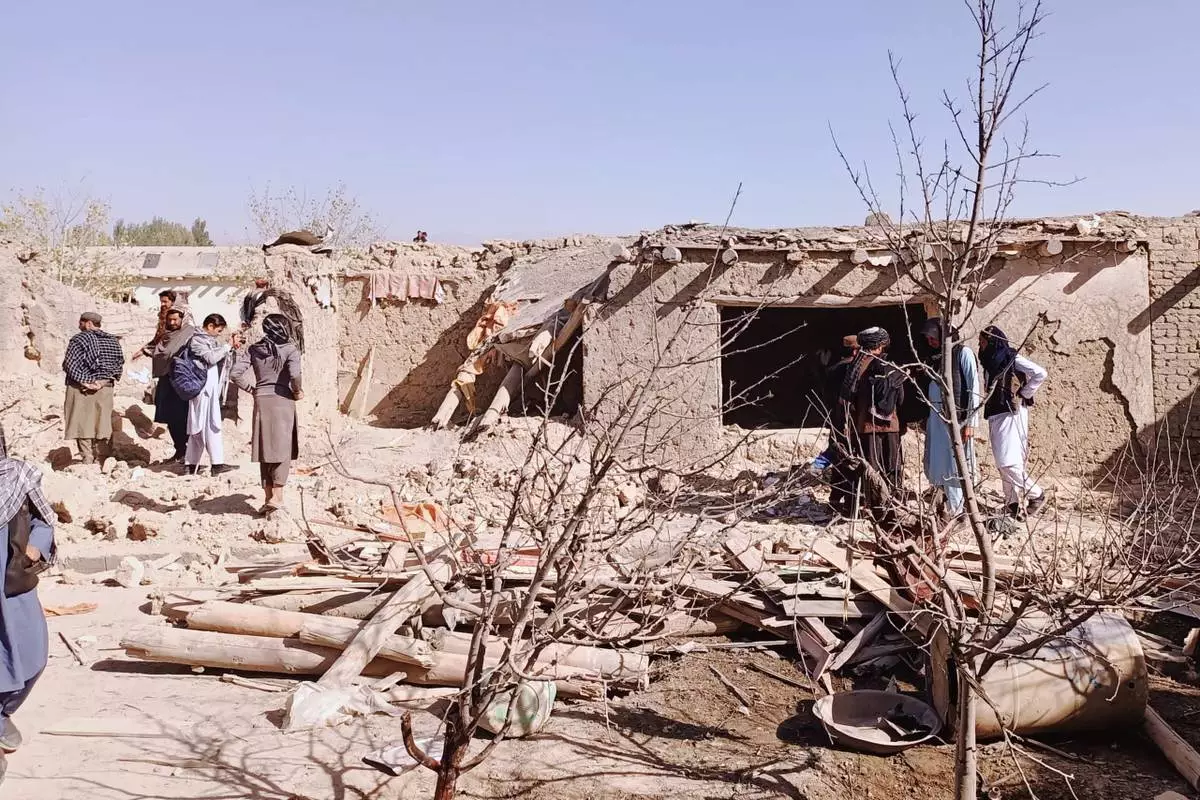
Locals inspect the site of a cross-border attack by the Pakistani army in Afghanistan's eastern Paktika province, Saturday, Oct. 18, 2025. (AP Photo/Shafiqullah Mashaal)
Locals inspect the site of a cross-border attack by the Pakistani army in Afghanistan's eastern Paktika province, Saturday, Oct. 18, 2025. (AP Photo/Shafiqullah Mashaal)
NEW DELHI (AP) — India announced Monday a $1.62 billion economic assistance package to help Nepal rebuild areas devastated by floods, providing a major boost to the country’s recovery efforts.

The Aug. 26 floods in Nepal destroyed roads, bridges, power plants, farms and homes, causing an estimated $4.7 billion in losses, according to Nepali authorities. The U.N. Fund for Responding to Loss and Damage has also pledged about $20 million to support Nepal’s recovery.

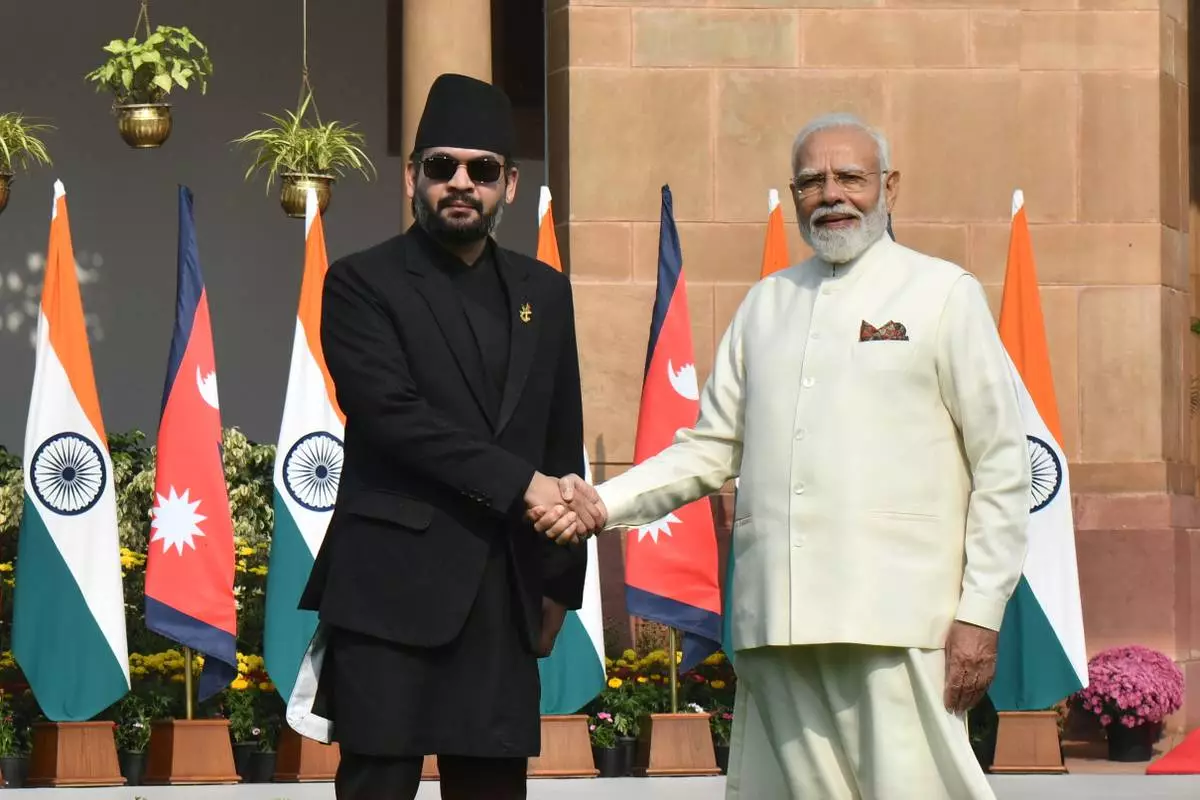
Indian Prime Minister Narendra Modi announced the aid after meeting Nepalese Prime Minister Balendra Shah in New Delhi. Shah is on his first visit to India since taking office in March, six months after a youth-led uprising over corruption and nepotism forced former Prime Minister K.P. Sharma Oli from power.

Modi said the assistance would help restore infrastructure, rebuild communities and support people who lost their homes and livelihoods. The floods killed 1,500 people and left more than 5,200 missing.

Modi and Shah also virtually inaugurated a hydropower project and an oil storage facility in Nepal, as well as an oil pipeline and a cross-border train service connecting the two countries.

Nepal shares an open border with India, allowing people to cross without passports or visas. India has traditionally wielded considerable influence in the Himalayan nation, but ties have been strained by territorial disputes and accusations of political interference.

China, meanwhile, has expanded its presence in Nepal in recent years, investing in airports, highways and hydropower projects.

Despite growing Chinese influence in Nepal, the landlocked country remains heavily dependent on India for fuel and other essential supplies. At the same time, energy ties have become increasingly reciprocal, with India importing around 1,200 MW of electricity from Nepal.

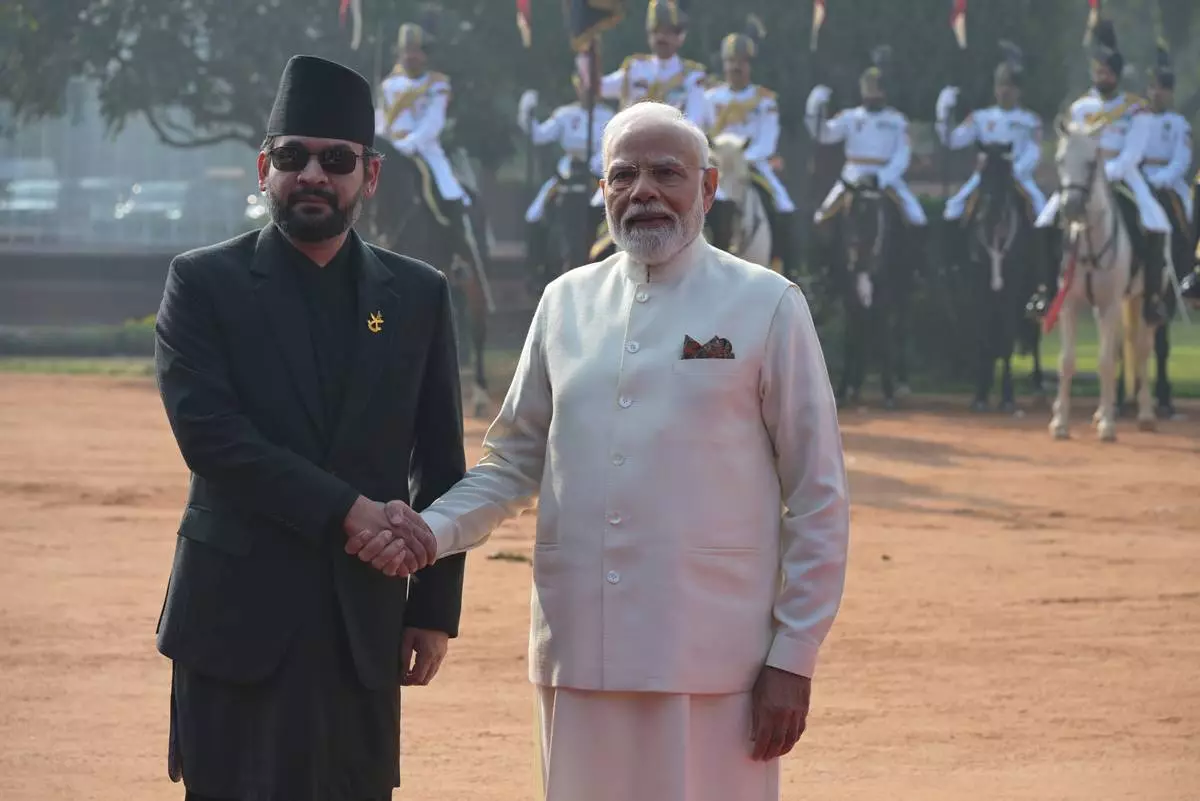
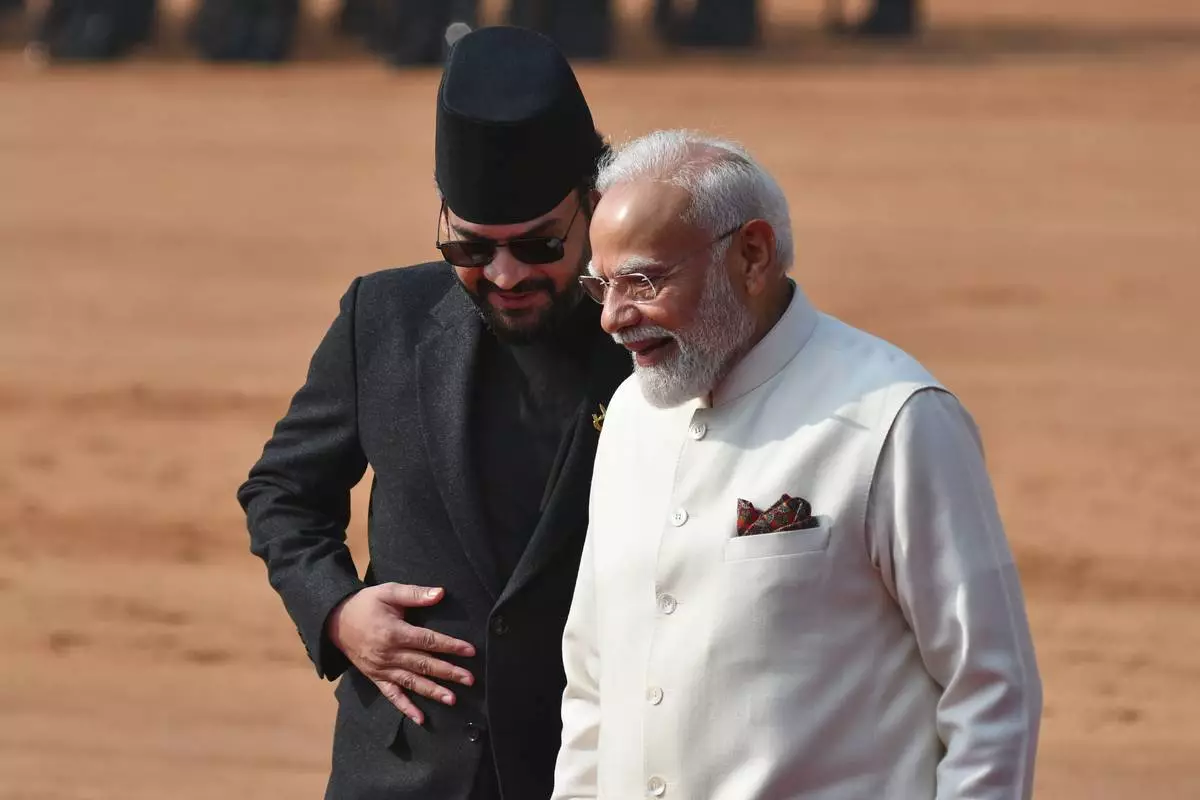
Indian Prime Minister Narendra Modi, right, and Nepal's Prime Minister Balendra Shah smile as they speak at Shah's ceremonial reception at Rashtrapati Bhavan in New Delhi, India, Monday, Nov. 23, 2026. (AP Photo/Sanjeev Rastogi)

Indian Prime Minister Narendra Modi, right, and Nepal's Prime Minister Balendra Shah smile as they speak at Shah's ceremonial reception at Rashtrapati Bhavan in New Delhi, India, Monday, Nov. 23, 2026. (AP Photo/Sanjeev Rastogi)

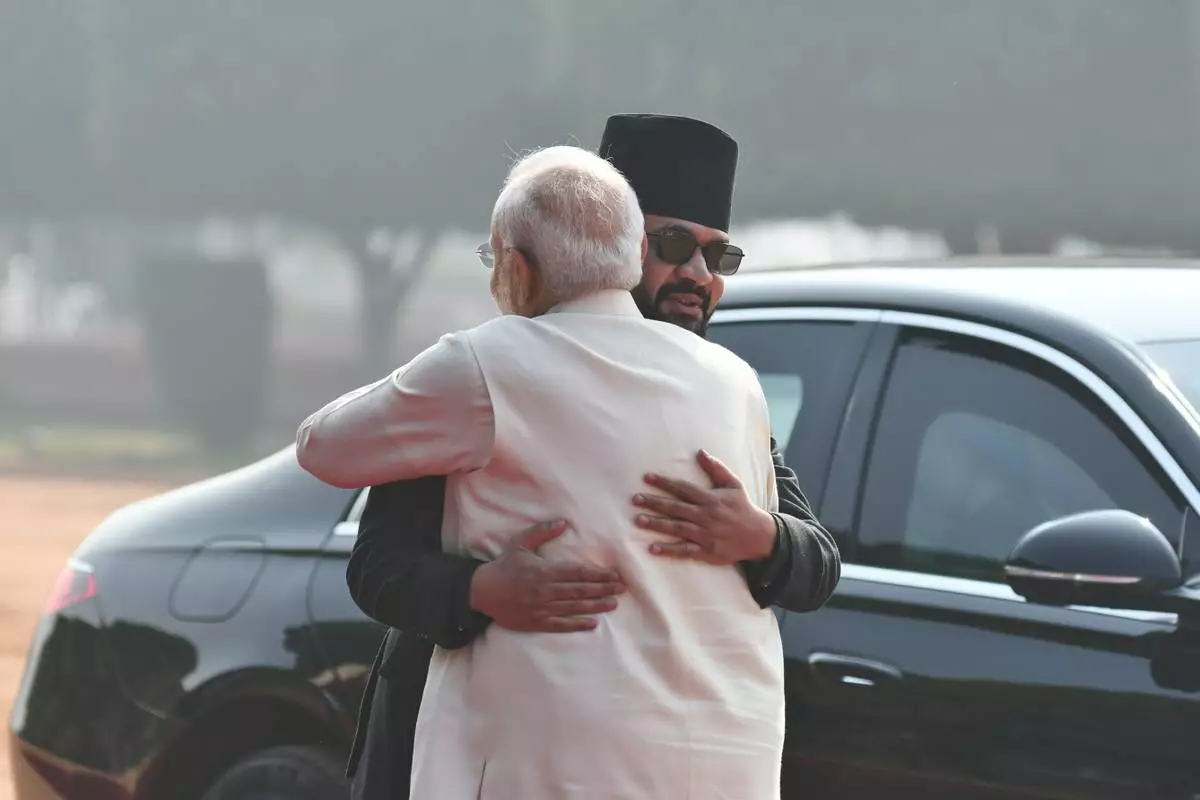
Indian Prime Minister Narendra Modi, right, hugs Nepal's Prime Minister Balendra Shah upon his arrival for a ceremonial reception at Rashtrapati Bhavan in New Delhi, India, Monday, Nov. 23, 2026. (AP Photo/Sanjeev Rastogi)

Indian Prime Minister Narendra Modi, right, hugs Nepal's Prime Minister Balendra Shah upon his arrival for a ceremonial reception at Rashtrapati Bhavan in New Delhi, India, Monday, Nov. 23, 2026. (AP Photo/Sanjeev Rastogi)

Indian Prime Minister Narendra Modi, right, greets Nepal's Prime Minister Balendra Shah on his arrival at Hyderabad House in New Delhi, India, Monday, Nov. 23, 2026. (AP Photo)

Indian Prime Minister Narendra Modi, right, greets Nepal's Prime Minister Balendra Shah on his arrival at Hyderabad House in New Delhi, India, Monday, Nov. 23, 2026. (AP Photo)

Indian Prime Minister Narendra Modi, right, greets Nepal's Prime Minister Balendra Shah on his arrival at Hyderabad House in New Delhi, India, Monday, Nov. 23, 2026. (AP Photo)

Indian Prime Minister Narendra Modi, right, greets Nepal's Prime Minister Balendra Shah on his arrival at Hyderabad House in New Delhi, India, Monday, Nov. 23, 2026. (AP Photo)

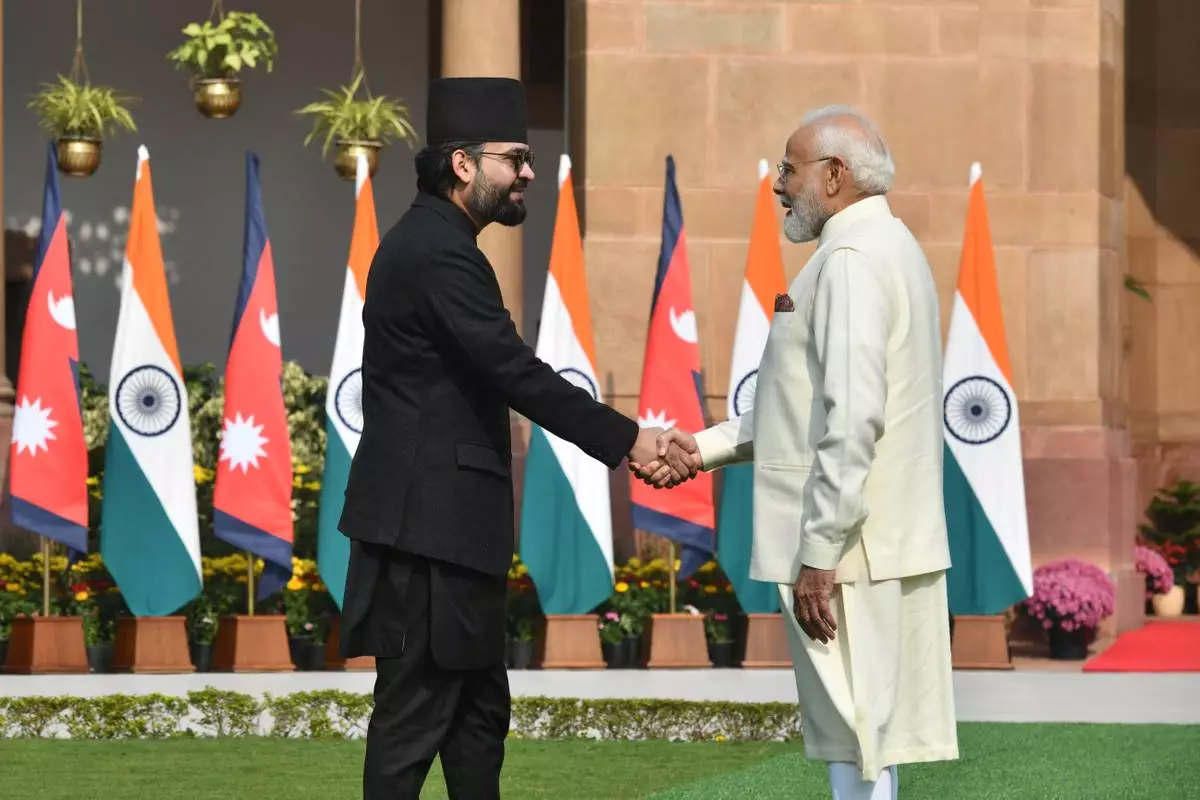
Indian Prime Minister Narendra Modi, right, shakes hands with Nepal's Prime Minister Balendra Shah at Shah's ceremonial reception at Rashtrapati Bhavan in New Delhi, India, Monday, Nov. 23, 2026. (AP Photo/Sanjeev Rastogi)

Indian Prime Minister Narendra Modi, right, shakes hands with Nepal's Prime Minister Balendra Shah at Shah's ceremonial reception at Rashtrapati Bhavan in New Delhi, India, Monday, Nov. 23, 2026. (AP Photo/Sanjeev Rastogi)

Recommended Articles