SEE attends Belt and Road Green Innovation Conference in Beijing
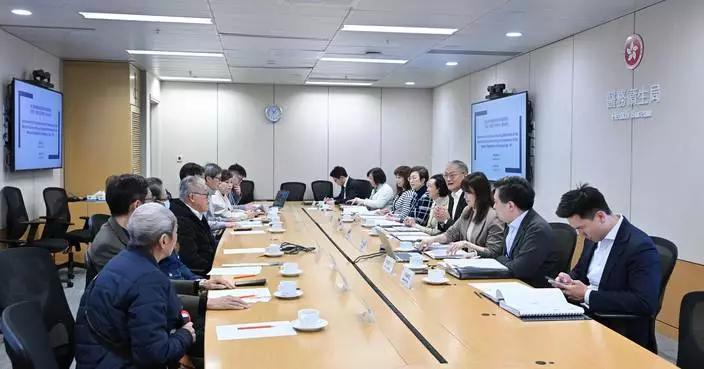
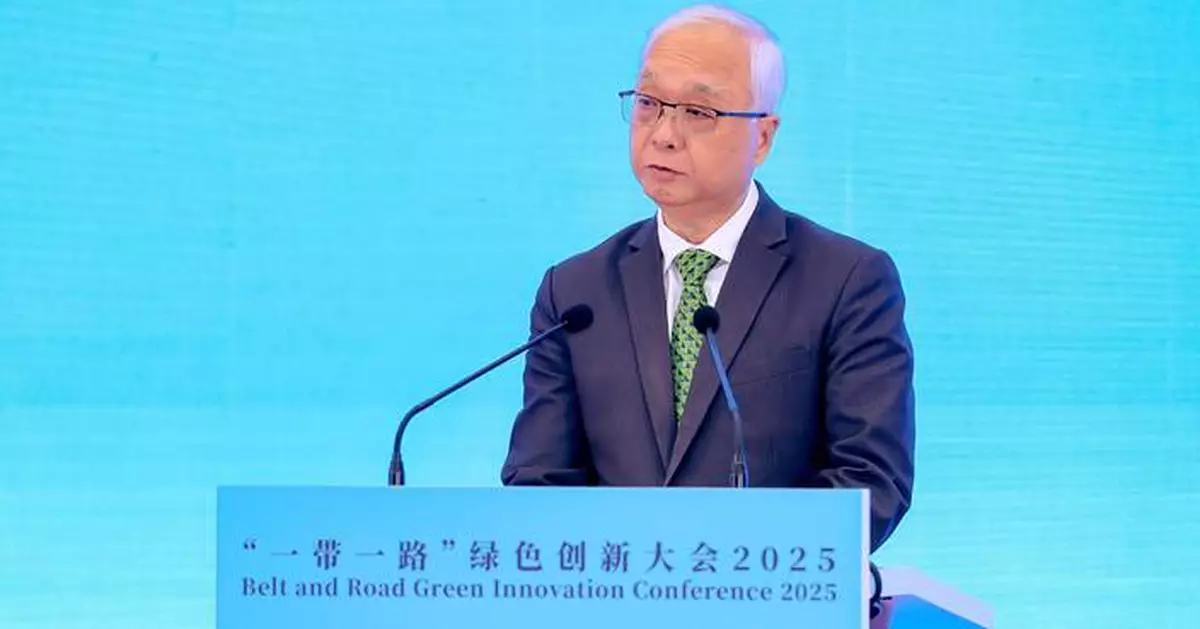
The Secretary for Environment and Ecology, Mr Tse Chin-wan, attended the Belt and Road Green Innovation Conference 2025 held in Beijing today (October 18) to share Hong Kong's experiences in green innovation and directions of promoting environmental protection co-operation with the Belt and Road (B&R) counterparts.
Click to Gallery
Source: AI-found images
SEE attends Belt and Road Green Innovation Conference in Beijing Source: HKSAR Government Press Releases
SEE attends Belt and Road Green Innovation Conference in Beijing Source: HKSAR Government Press Releases
SEE attends Belt and Road Green Innovation Conference in Beijing Source: HKSAR Government Press Releases
Source: AI-found images
Speaking at the opening ceremony of the conference, Mr Tse said that the world is facing severe challenges such as climate change in recent years. All parties must adhere to the green development concept, ramp up green transition of the society, and collaboratively reduce carbon emissions and pollution, as well as restore and expand ecology. Green innovation has hence become an important driving force for sustainable development in Hong Kong. It not only promotes new areas of economic growth but also creates job opportunities, fostering social prosperity and development.
"Under the 'one country, two systems', Hong Kong has the distinctive advantages of enjoying strong support of the Motherland and being closely connected to the world, fully leveraging our role as a 'super-connector' and promoting green development for our country and B&R countries," Mr Tse said.
Mr Tse highlighted that the Hong Kong Special Administrative Region (HKSAR) Government will set up a B&R sustainable green development training centre next year to cultivate international environmental protection talent. The centre will serve as a base to connect the HKSAR with the international sustainable green development co-operation network, creating an environment that promotes technological exchange and outcome transfer for B&R counterparts.
Mr Tse added that the HKSAR Government is proactively preparing for the setup of a B&R Green Development Co-operation Platform in Hong Kong with the B&R Initiative International Green Development Coalition (BRIGC). The Environmental Protection Department (EPD) will establish a regular communication and collaboration mechanism with the BRIGC to facilitate exchanges and discussions with environmental authorities, related organisations and enterprises of the B&R countries, strengthening the international environmental protection co-operation network.
The HKSAR Government holds the Eco Expo Asia at the end of October every year and utilises it as a platform to arrange environmental technology forums and site visits to Chinese Mainland, as well as to strengthen exchange and co-operation. Mr Tse introduced that the 20th Eco Expo Asia to be held in October this year will arrange for representatives from B&R countries to visit outstanding environmental enterprises and facilities in Changsha of Hunan Province. The aim is to more effectively promote green international exchanges and to seek opportunities for high-quality green enterprises from Chinese Mainland to "go global".
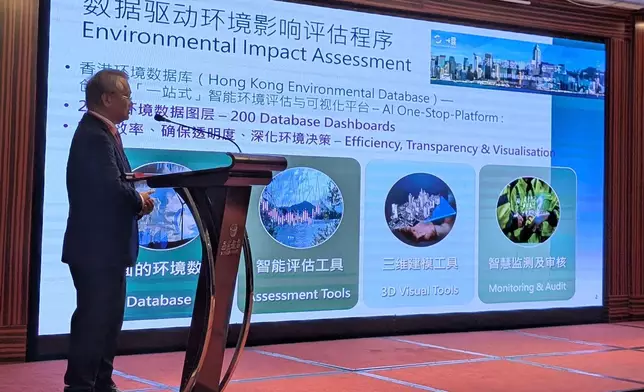
The Director of Environmental Protection, Dr Samuel Chui, also attended the conference. He delivered a keynote speech at a sub-forum titled "Jointly Building Beautiful Cities, Empowering Green Infrastructure with a New Future" in the afternoon. He introduced the Hong Kong Environmental Database developed by the EPD, showcasing how to enhance environmental assessment and improve efficiency through digital empowerment.
The Belt and Road Green Innovation Conference 2025 was hosted by the Ministry of Ecology and Environment, and organised by the BRIGC and the Foreign Environmental Cooperation Center of the Ministry of Ecology and Environment. The theme for this year is "Driving Green Development Together", aligning with the core agenda of the 30th Conference of the Parties to the United Nations Framework Convention on Climate Change. The conference focuses on the achievements of the Green Silk Road building, building of platforms for exchange and co-operation in green finance, green and low-carbon development, as well as green technology and innovation, which aims to facilitate the integration of green industries with technologies.
Mr Tse will return to Hong Kong this evening.
Source: AI-found images

SEE attends Belt and Road Green Innovation Conference in Beijing Source: HKSAR Government Press Releases
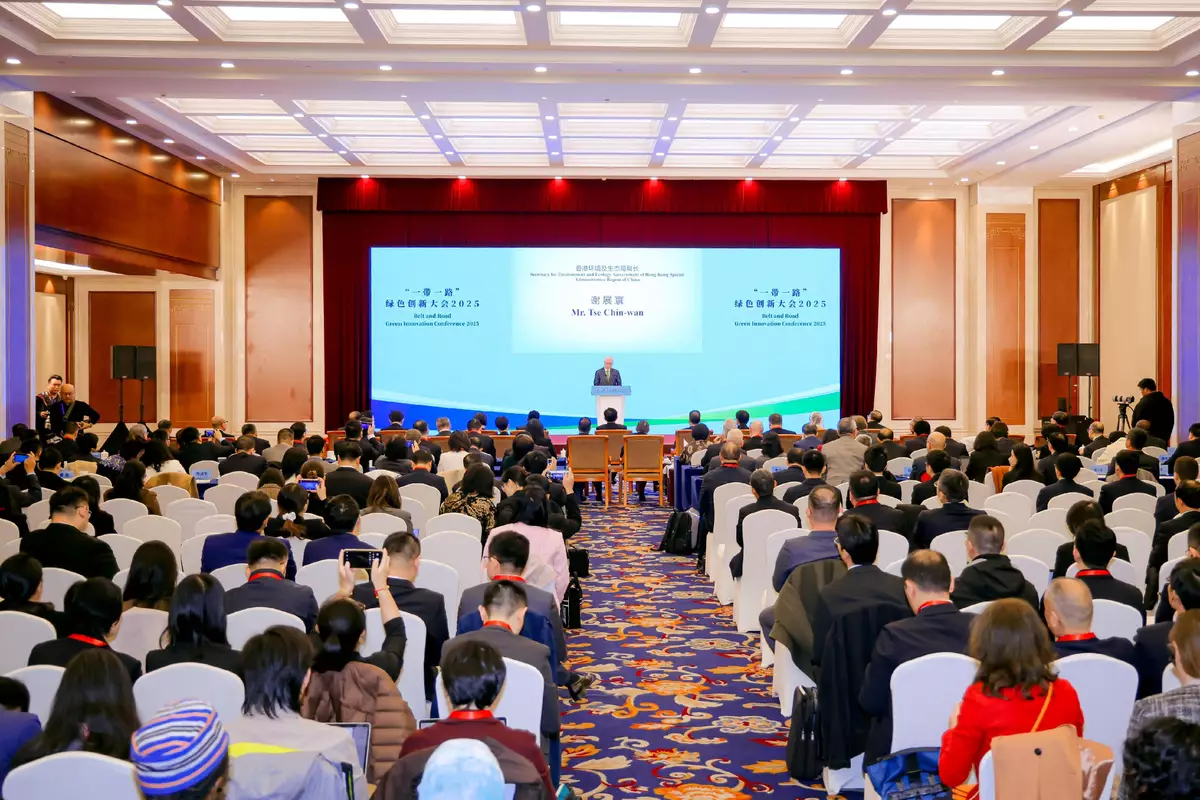
SEE attends Belt and Road Green Innovation Conference in Beijing Source: HKSAR Government Press Releases
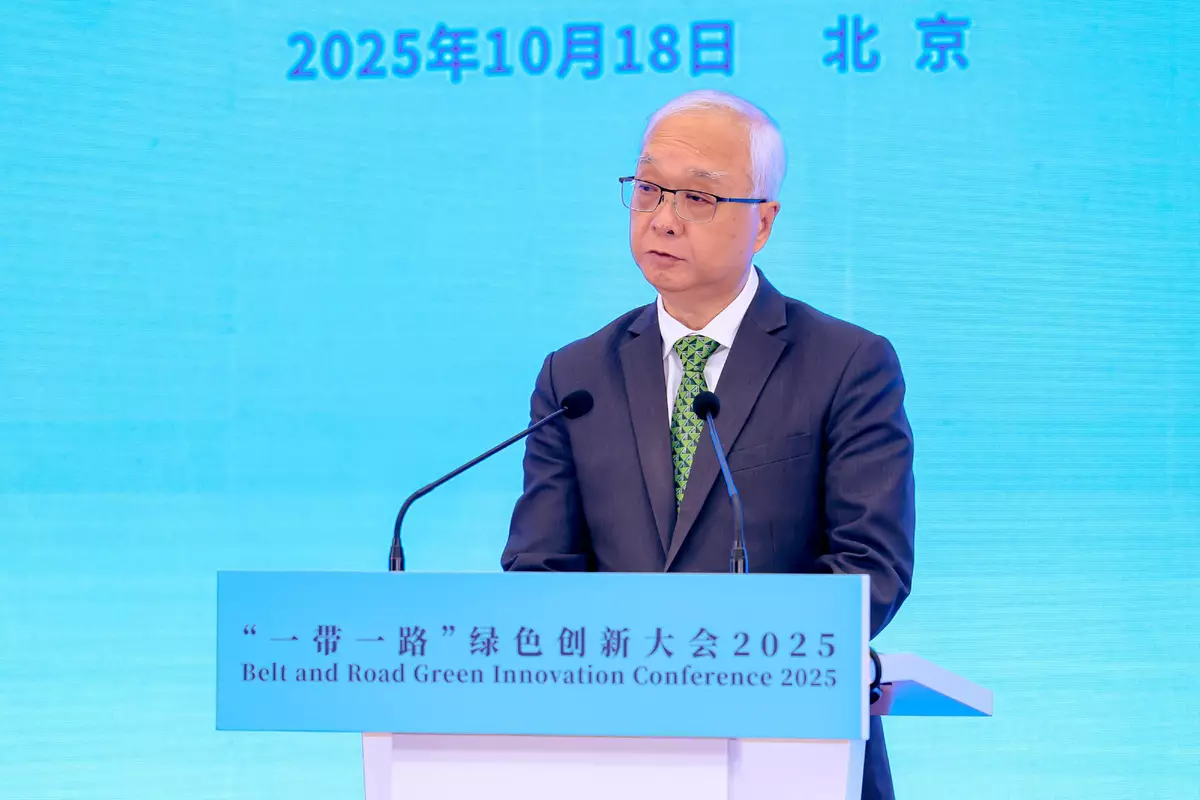
SEE attends Belt and Road Green Innovation Conference in Beijing Source: HKSAR Government Press Releases
Source: AI-found images