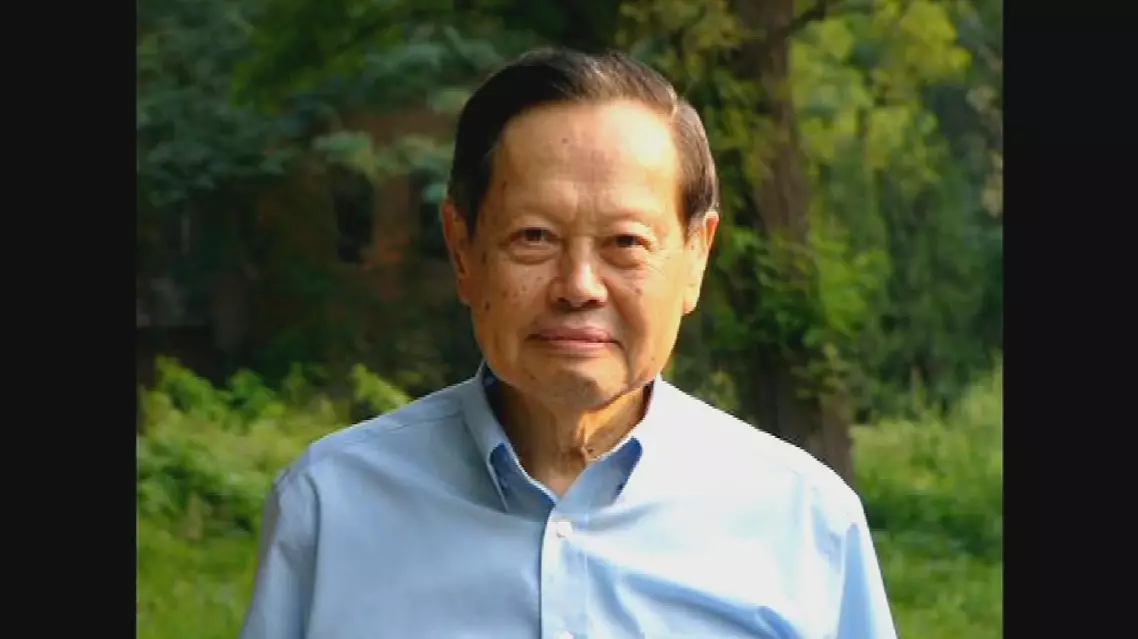
Renowned physicist Chen Ning Yang or Yang Zhenning, a Nobel laureate and academician of the Chinese Academy of Sciences, died in Beijing on Saturday at 103, according to Qinghua University.
Yang was born in Hefei, east China's Anhui Province, in 1922. He attended elementary school and high school in Beijing, entered to study physics at the National Southwestern Associated University in the late 1930s, and received a Bachelor of Science there in 1942. Then he went to the United States to pursue academic studies and subsequently held teaching positions.
Yang was awarded the Nobel Prize in Physics in 1957.
The Yang-Mills gauge theory introduced by Yang and Robert Mills is one of the most important achievements of physics in the 20th century.
Over more than 20 years since he returned to China, Yang had taught at Qinghua University, making important contributions to cultivating and recruiting talent and promoting international academic exchanges.
"Although I've lived in the United States for many years, as a friend of mine once said, 'Yang Zhenning, the blood flowing in your veins is the same as your father's - it's the blood of Chinese culture.' My destination is my starting point, and vice versa. I hope to train future world leaders in physics," Yang said in an interview back in 2005.
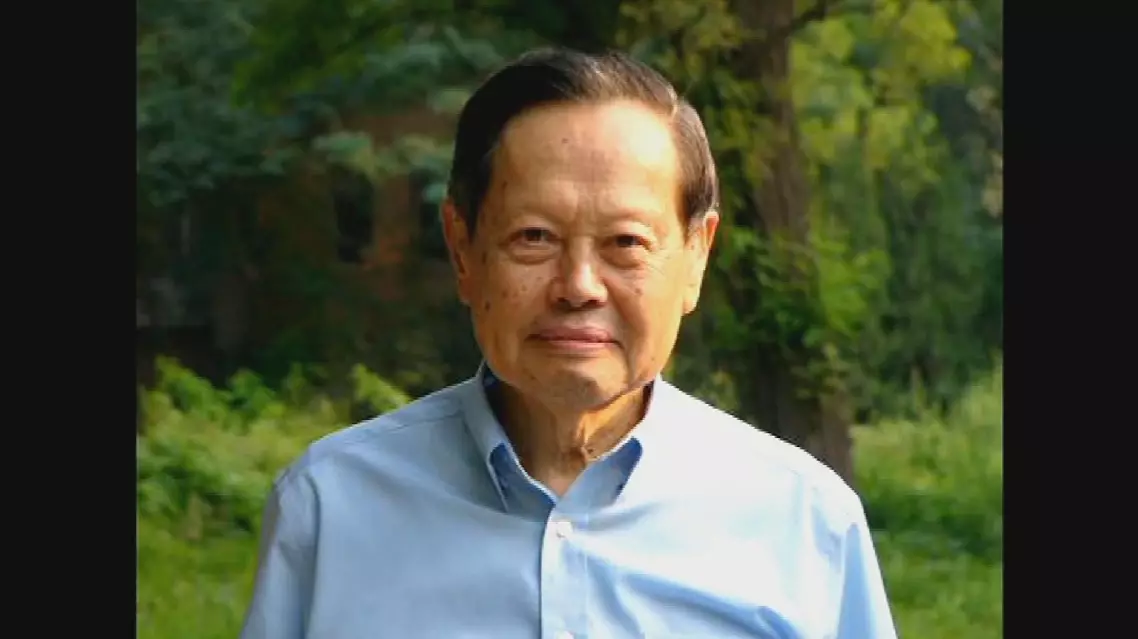
Nobel laureate Chen Ning Yang dies at 103
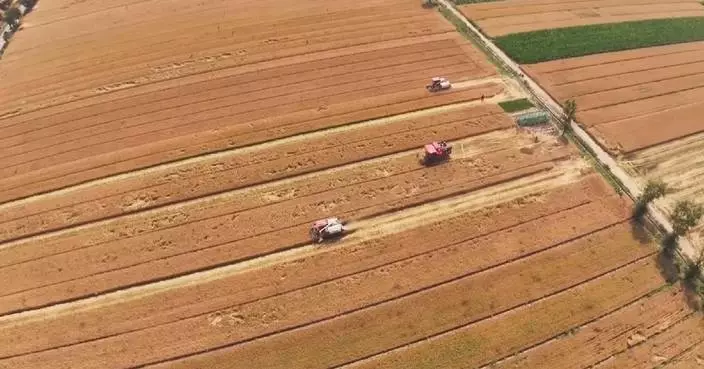
Liuzhai, once a remote and impoverished village in north China's Shanxi Province, has transformed itself into a model of rural revitalization by advancing modern agriculture and tourism, a national political advisor said in a group interview in Beijing on Wednesday.
Cheng Yuzhen, a member of the 14th National Committee of the Chinese People's Political Consultative Conference (CPPCC) and Party branch secretary of Liuzhai Village in Changzhi City, briefed the media on dramatic changes in her village over the past years ahead of the closing meeting of the fourth session of the 14th CPPCC National Committee.
"During the process from lifting ourselves out of poverty to revitalizing rural areas, we focused on developing distinctive industries and building self-sustaining capabilities. Leveraging the village's traditional liquor-making techniques, we established a modern distillery and built our own brand. This initiative has provided stable income to over 300 households growing sorghum nearby. At the same time, we developed 108 greenhouses and cultivated about 20 hectares of field vegetables," said Cheng.
The village has developed six pillar industries, including greenhouse vegetable production, photovoltaic power generation, and minor grains processing. In 2016, all the residents in the village shook off absolute poverty.
"Additionally, we've integrated the village's industries to develop tourism. Last year, we hosted over 30 events including bonfire parties, fruit picking and rural food festivals, attracting thousands of visitors from surrounding cities. Now, our village's per capita income has surpassed 25,000 yuan (about 3,635 U.S. dollars)," said Cheng.
The annual session of the 14th CPPCC National Committee, China's top political advisory body, opened on March 4 this year.
Political advisor shares village's efforts, changes in rural revitalization