China has released 10 major achievements in the standardization of intelligent connected vehicles (ICVs), marking a milestone in the country's decade-long efforts to advance from assisted to autonomous driving.
The progress underscores China's growing role in shaping global automotive standards and promoting the high-quality development of its auto industry.
The achievements in ICV standardization were unveiled by the China Automotive Technology and Research Center (CATARC) at the closing ceremony of the 2025 World Intelligent Connected Vehicle (ICV) Conference on Saturday.
In terms of safety standards, three mandatory national standards have been issued, covering vehicle safety, functional safety, and information security, establishing a "safety line" for the industry.
For testing and validation, improved safety management rules have enabled the ICVs to transition from "test grounds" to "open roads.
"China's standardization efforts for intelligent connected vehicles (ICV) started in 2015. Over the past 10 years, we have systematically established a progressive path of pioneering, leading, and strengthening the foundation. These 10 achievements not only represent a phased summary of China's standardization work for the ICV, but also serve as key support for propelling the industry toward global leadership," said CATARCA Chairman An Tiecheng, .
According to the CATARC, China is also taking an active part in developing international standards systems, with Chinese experts leading the formulation of multiple ISO and United Nations regulations, integrating "Chinese standards" more deeply into the global framework.
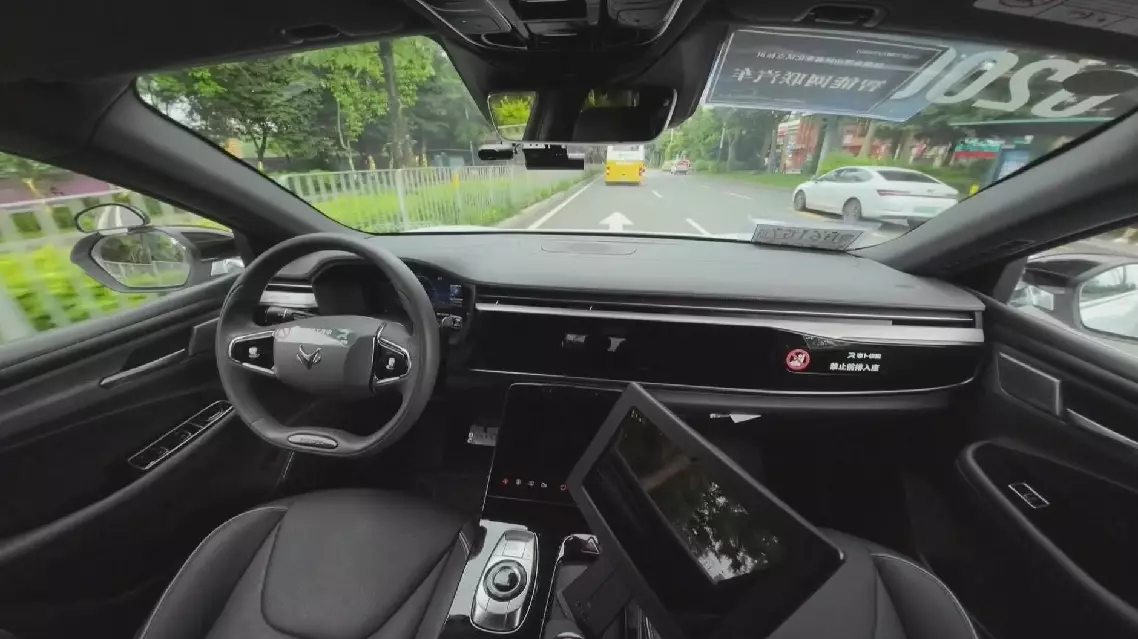
China releases 10 major achievements in ICV standardization
The Republic of Korea (ROK)'s former impeached President Yoon Suk-yeol on Friday was sentenced to five years in prison on arrest obstruction charges.
The criminal division of the Seoul Central District Court in charge of Yoon's obstruction of justice case handed down the prison sentence to Yoon for abusing the presidential security service to hinder the anti-corruption agency from executing its arrest warrant in January 2025.
The Corruption Investigation Office for High-ranking Officials (CIO) was once thwarted in its attempt to arrest Yoon as the presidential security service formed human shields and bus blockades to prevent investigators from entering the presidential residence.
The team of Cho Eun-suk, an independent counsel who led investigations into Yoon's insurrection and other charges, demanded a 10-year prison term for Yoon.
The court said Yoon privatized the presidential security service for personal safety and private interests by blocking the law enforcement agencies' lawful execution of an arrest warrant and attempting to destroy evidence, pointing out that despite the very bad nature of his crime, he consistently offered unconvincing excuses and showed no remorse.
The court stressed that severe punishment was necessary, considering the need to restore the rule of law damaged by Yoon's crime, but it noted that the fact that he was a first-time offender with no criminal record was considered a favorable factor.
The sentencing, which was broadcast live, was Yoon's first verdict coming from his botched martial law bid.
The first-instance sentencing for Yoon's insurrection charges was scheduled for Feb 19. The special counsel sought a death penalty for Yoon on the charges.
Yoon declared emergency martial law on the night of Dec 3 in 2024, but it was revoked hours later by the National Assembly.
The constitutional court upheld a motion to impeach Yoon in April 2025, officially removing him from office.
The ousted leader was indicted while in detention in January 2025 on charges of leading an insurrection, becoming the first sitting ROK president facing such prosecution.
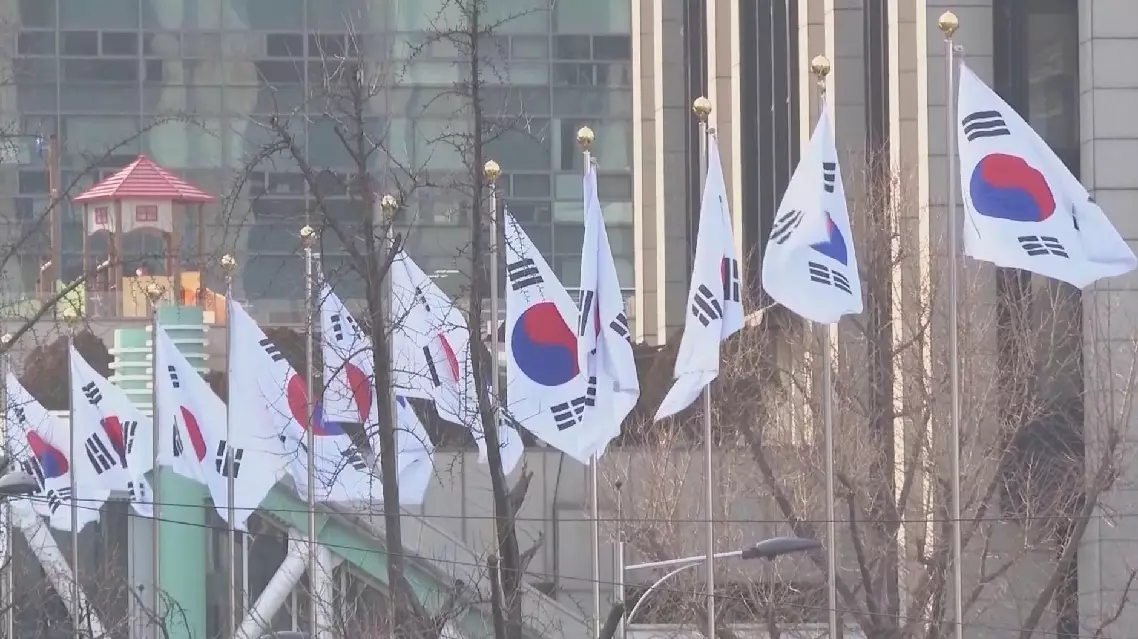
ROK ex-president Yoon sentenced to 5 years in prison on arrest obstruction charges