The Bosten Lake in northwest China's Xinjiang Uygur Autonomous Region -- China's largest inland freshwater lake -- has gone through a remarkable round of transformation from being plagued by environmental problems to what is now an ecological paradise and the remote region's top fishery base.
With one-fourth of its lands covered by desert, Xinjiang is one of the driest regions in China. Yet the Bosten Lake stands as a green oasis where life thrives. The inland lake has even become an aquaculture base for seafood in recent years.
Fishermen living in the region are vigilant against overfishing -- undersized fish are always released upon catch, and fry are routinely released into the lake to maintain the stock.
Over a decade ago, the Bosten Lake showed a different image. In 2012 the lake triggered an ecological red-alert with industrial pollution and a water level hovering at an all-time low.
"Before 2012 the lake was much smaller. From where we're standing you would have had to walk several hundred meters to reach the water. Now the surface keeps expanding, fish species are rising -- to more than 30 at present -- and this year's catch should reach about 6 000 ton, almost double what it used to be," said Meng Xuegang, a local village official.
To restore the environment, the primary task was to bring water back. In 2018, the region began an eco-transfer -- water from the Kaidu River was diverted into the lake. In 2022, for the first time ever, the floodgates of the Qingshui River east and west branches hundreds of kilometers away were also opened to feed the lake. Over the past eight years, a total of 15.4 billion cubic meters of water has been sent in, and the water level on the lake has been maintained consistently at around a healthy 1 046.8 meters.
The local authorities have also made efforts to choke off pollution sources. The lake's water quality is also thoroughly monitored on a monthly basis. In 2025 the lake's average water quality has stabilized at Grade III, which translates to the grade of 'fairly good'.
With the eco-system improved, the Bosten Lake is also attracting visitors from across the country and playing a role in boosting tourism development in the area.
The transformation of the Bosten Lake is a microcosm of Xinjiang's water management. Since 2021, the beginning of China's 14th Five-Year Plan period for national socioeconomic development, Xinjiang has invested 158 billion yuan (about 22 billion in U.S. dollars) into water infrastructure, completing 18 large and medium-sized reservoirs and 28 smaller water-source projects. Tap-water coverage in rural areas has reached 99.4 percent.
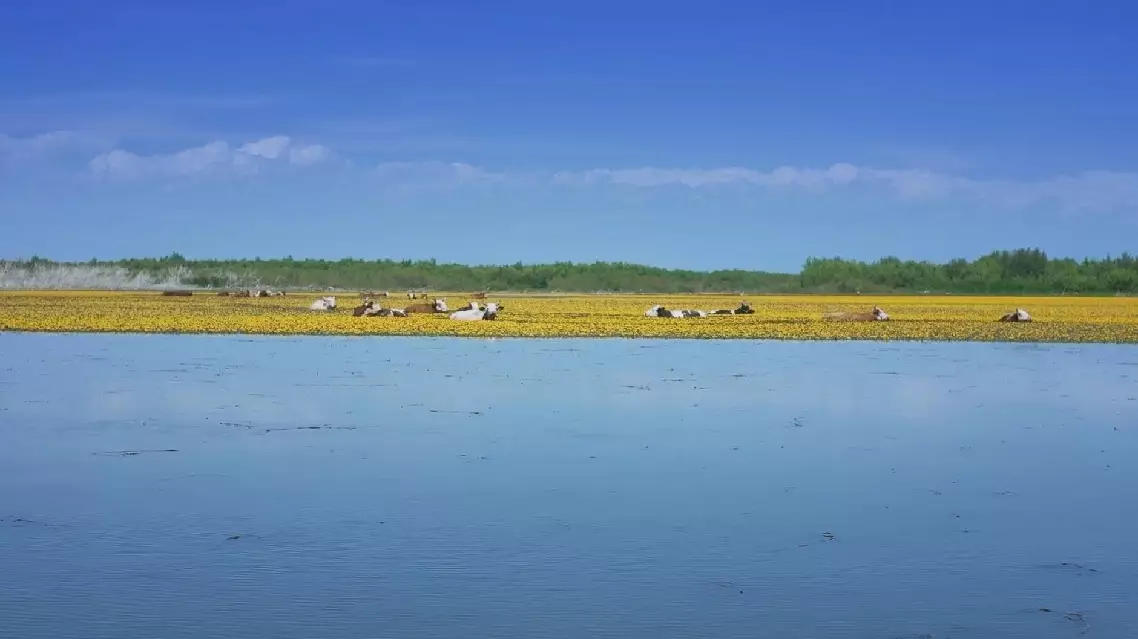
Environmentally challenged lake in Xinjiang turned into major fishery base
Iraqis are concerned about the country's security capabilities after the withdrawal of U.S. and coalition forces.
The United States and its allies have officially ended Operation Inherent Resolve against the Islamic State (IS) in Iraq, the Pentagon said on Wednesday.
The Iraqi Security Forces, including the Peshmerga and other security forces in the Iraqi Kurdistan region, will "lead the continuing effort to secure Iraq and keep IS remnants suppressed," according to a Pentagon statement.
The primary responsibility for addressing Iraq's remaining security challenges now rests with the Iraqi government, the statement said, adding that the United States will continue to provide "targeted training and intelligence support" to its Iraqi partners.
The Ministry of Peshmerga Affairs of Iraq's Kurdistan Region on Monday warned about security risks following the U.S. withdrawal.
In a statement, the ministry said the withdrawal comes at a sensitive time, amid continued security instability in Iraq and the Middle East. It stressed that the ongoing instability in the region requires vigilance and sound political decisions.
It added that the Kurdistan Region came under more than 1,000 drone and ballistic missile attacks during the war between the U.S. and Iran in recent months, expressing concern over the withdrawal of U.S. forces from the region amid complex regional security conditions, without the provision of a defensive system.
"Although Iraq has forces capable of sustained ground operations -- lasting months rather than days -- we still have significant shortcomings in areas such as air power and modern electronic technology," said Baghdad resident Anwar Musawi.
In addition to the external security environment, attention is also focused on how to further integrate Shia militias in Iraq under the unified state control following the foreign troops withdrawal.
The Iraqi government had previously set September 30 as a key deadline and worked to ensure that armed groups outside state institutions completed their disarmament. However, this process has now been extended.
Iraqi Prime Minister Ali al-Zaidi stated that Iraqi militias will cease armed activities and hand over their weapons in phases, and the government plans to complete the process by June 30, 2027.
"Only by keeping weapons in the hands of the state can we secure the future of the Iraqi people and ensure that we live in safety and stability," said another resident Majid Hasnavi.
The withdrawal of U.S. troops does not mean that U.S. influence in Iraq has come to an end. Iraq's fiscal revenue is heavily dependent on oil, and the U.S. dollar revenue from oil exports has long been managed through the Iraqi central bank's account at the Federal Reserve Bank of New York. In recent years, the United States has influenced Iraq's financial system by, for example, tightening scrutiny of U.S. dollar transactions and restricting certain Iraqi banks' use of the U.S. dollar.
"The Americans have many tricks, [and] we may ultimately have no choice but to cooperate with them again," said Anwar Musawi.
"I believe the U.S. will continue to exert influence. First, although U.S. troops have withdrawn from Iraq, they remain deployed in Jordan and Kuwait, which border Iraq. Should an emergency arise in Iraq, the United States would still be able to intervene. The United States will continue to keep a close eye on Iraq and will not allow it to fall into the hands of other powers so easily after its withdrawal," said Majid Hasnavi.
In 2014, the United States and its allies launched their campaign and deployed forces to fight the IS militants in Iraq and neighboring Syria.
In 2024, Washington and Baghdad agreed on a gradual pullout of U.S. troops from Iraq, seven years after the Iraqi government declared the country's full liberation from the IS militants at the end of 2017.
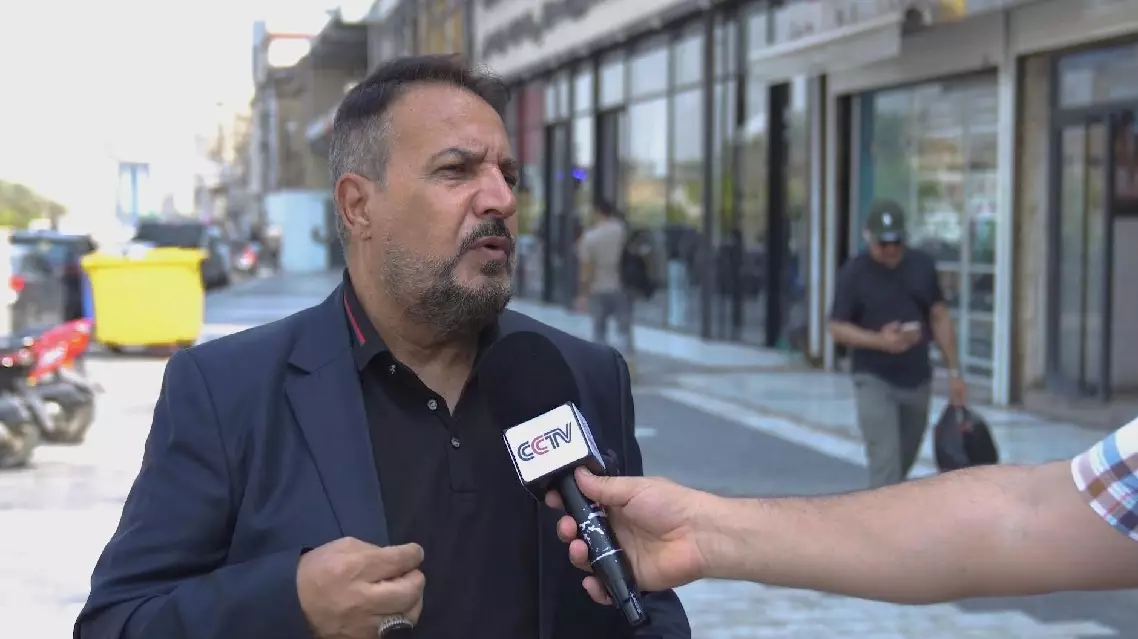
Iraqis concerned about security challenges after U.S. troop withdrawal