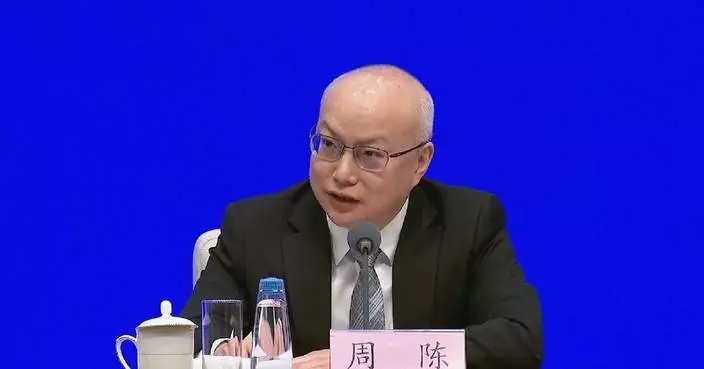
China's engagement in Africa is rooted in respect and genuine cooperation rather than domination, argues Professor He Zhipeng, Executive Director of the Human Rights Institute at Jilin University.
Promoting human rights has been a major focus of the United Nations since it was established in 1945. As a member of the UN Human Rights Council, China has been shifting from a defensive posture to an active role over the years. Its efforts in supporting Africa as a "land of hope for the 21st century" have been recognized by regional countries.
However, there are still voices criticizing China's role in human rights protection, accusing China of practicing neo-colonialism in Africa. He insists that African countries themselves view China as a trustworthy development partner committed to supporting their sovereignty and long-term stability.
To illustrate this, He pointed to the Belt and Road Initiative (BRI), which he believes has set China apart from previous external powers by prioritizing mutual benefit over political interference.
"Africa has experienced a long history, and during its experience of modernization, it had tried several efforts. For example, cooperation with the United States, with European states and some other African states. I think the Belt and Road Initiative is a little different. The most important thing is that the Chinese government always respects their independence (and) sovereignty. Therefore, they may choose their own possibilities and choose their own best development approach for their economic, social, and political development. As I interviewed some African friends, they thought that China is honestly trying to help them boost their economy and a peaceful environment and also a healthy, political order," said He.
However, despite such recognition from African partners, political distrust continues to shape Western narratives about China's rise. He believes this skepticism reflects deeper anxieties rather than objective assessments.
"I think it is something quite political. The Western states in the past were very developed. They were leading powers in the whole world. But in recent years, they witnessed the development of China, and they found that China has the possibility of surpassing those states. Therefore, they are quite afraid of this, because they say that great powers will struggle with each other. Then they try to make comments, like China is a threat, China is a monster, to lower down the speed of China's development. They try to provide some setbacks, barriers for China in the way of its development so (as) to make themselves feel satisfied and give them their own way to develop," said He.

Scholar rebuts neo-colonialism claims over China’s role in Africa