China's outbound investments have ranked in the top three of the world’s economies for nine consecutive years, official data showed on Tuesday.
According to the Ministry of Commerce, China's outbound non-financial direct investment grew by 1.3 percent year on year in 2025, solidifying its position among the world’s leading economies.
In 2025, China's outbound non-financial direct investments reached 145.66 billion U.S. dollars. New contracts signed for overseas engineering projects amounted to 289.22 billion U.S. dollars, up 8.2 percent, demonstrating continuous improvement in scale and effectiveness, the ministry said.
The quality and impact of China's foreign aid have also improved, effectively supporting the high-quality development of the Belt and Road Initiative, according to the ministry.
With 2026 marking the beginning of China's 15th Five-Year Plan, the ministry says authorities will coordinate development and security, guide the rational and orderly cross-border layout of industrial and supply chains, promote integrated trade and investment development, establish a comprehensive overseas service system, and effectively implement foreign investment management to ensure a strong start for outbound investment and economic cooperation in the new five-year period.
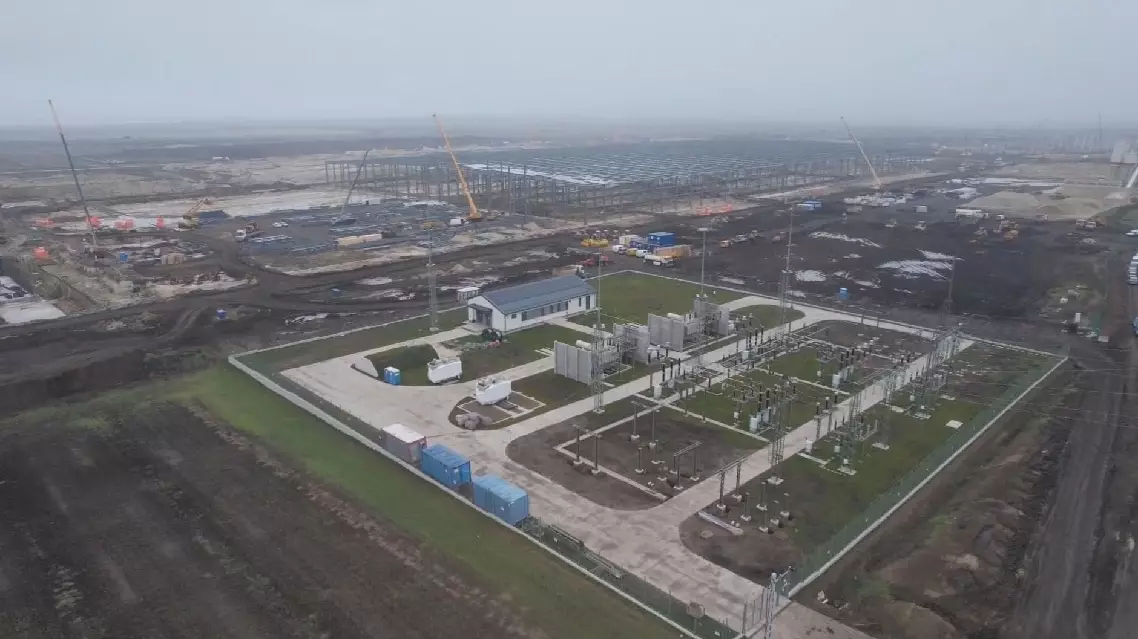
China's outbound investments rank in top three globally for 9th consecutive year
Growing geopolitical strains, particularly over U.S. statements concerning Greenland, have prompted global investors to reduce exposure to U.S. financial markets, fueling concerns over a broader "capital war" and sustained volatility in U.S. assets.
On Tuesday, the U.S. dollar index, which measures the greenback against six major peers, fell 0.41 percent to close at 98.642 in late trading at 20:00 GMT. Meanwhile, the yield on the 30-year Treasury note climbed above 4.90 percent in the trading session, as safe-haven demand drove capital toward alternatives such as gold and silver.
U.S. Consumer News and Business Channel (CNBC) reported that investors worldwide are selling American assets to hedge against heightened political risks.
Analysts warn that the sell-off reflects deepening doubts over the reliability of the United States as a trading partner.
The report also noted that the European governments may consider offloading U.S. holdings in response to recent threats from the U.S. President Donald Trump's administration targeting Greenland.
Ray Dalio, founder of Bridgewater Associates, said on Tuesday in Davos, Switzerland that the U.S. interest in Greenland could trigger a retreat from American assets by foreign governments and investors, describing the dynamic as "capital warfare." He also cautioned that mounting trade friction and rising fiscal deficits may further weaken confidence in U.S. debt, accelerating a shift into assets like gold.
Recent U.S. statements regarding Greenland, including suggestions of potential military actions and threats to impose tariffs on European nations that oppose U.S. claims, have sparked discussions in Europe about retaliatory measures, including large-scale disposals of U.S. assets.
The Deutsche Bank has previously raised the prospect of "weaponizing capital," warning that regulatory tightening, tax investigations, or restrictions on profit repatriation targeting U.S. firms could significantly impact American businesses.
Data from the U.S. Treasury Department shows that entities within the European Union hold over 10 trillion U.S. dollars in U.S. assets, with Britain and Norway holding additional substantial sums.
Meanwhile, Bloomberg noted on Monday that any move by Europe to deploy its holdings of U.S. assets as a strategic tool would signal an escalation of transatlantic tensions into the financial sphere, with direct repercussions for global capital markets.
The shift underscores mounting risks to the long-term appeal of U.S. credit and the stability of the dollar-dominated financial system.
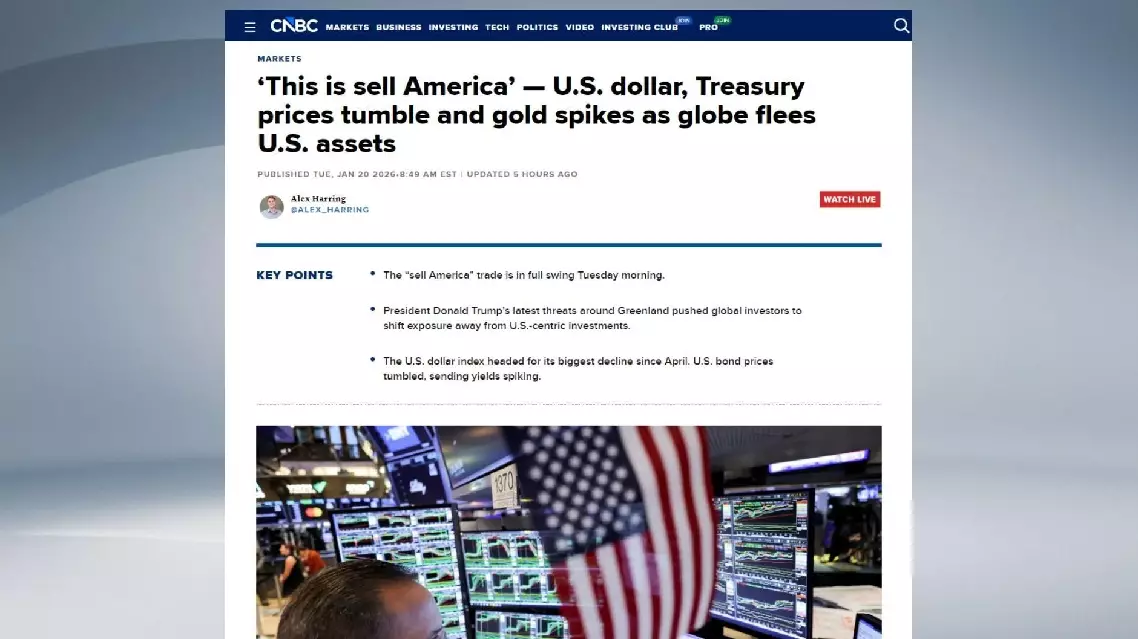
Rising geopolitical tensions trigger global shift away from US assets