Coastal provinces across south and east China are implementing emergency measures as Typhoon Fengshen approaches, with significant disruptions to maritime and rail transportation reported Monday.
The typhoon has disrupted rail services in China's southernmost island province of Hainan, where all train services across the Qiongzhou Strait will be suspended on Tuesday. Additional suspensions began Monday and will continue through Wednesday.
Hainan Island across the Qiongzhou Strait, Zhanjiang City of Guangdong Province suspended all cross-strait roll-on/roll-off passenger ferry services from 14:00 Monday.
Guangdong activated a Level IV emergency response Monday morning, the lowest in China's four-tier emergency response system.
Meanwhile, Fujian Province in east China halted 57 passenger routes, including ferry services to Taiwan's outlying islands, as winds intensified.
Maritime authorities have issued warnings for vessels to avoid risky voyages as the typhoon continues to impact coastal areas with strong winds and rough seas, with conditions expected to persist through midweek.
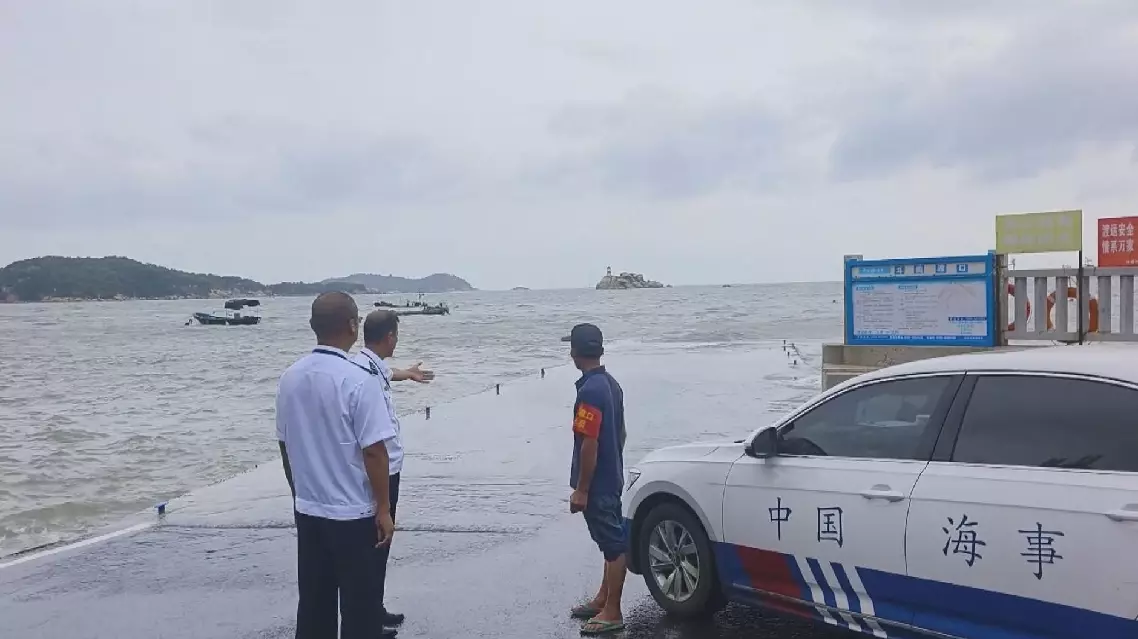
Typhoon Fengshen disrupts transport across multiple regions in China

The disciplinary body of the Communist Party of China (CPC) has called for reinforced anti-corruption efforts during the 15th Five-Year Plan period (2026-2030).
The call was made in a communique adopted at the fifth plenary session of the 20th CPC Central Commission for Discipline Inspection (CCDI), held from Monday to Wednesday in Beijing.
Xi Jinping, general secretary of the CPC Central Committee, Chinese president and chairman of the Central Military Commission, attended the session and delivered an important speech.
The plenary session reviewed the discipline inspection and supervision work during 2025 and assigned tasks for 2026. It adopted a work report delivered by Li Xi, a member of the Standing Committee of the Political Bureau of the CPC Central Committee and secretary of the CCDI, on behalf of the Standing Committee of the CCDI.
The session unanimously agreed to take guidance from Xi's important speech, persistently strengthen political oversight, and remain steadfast in improving conduct, enforcing discipline, and combating corruption.
It was noted at the session that in 2025, the top disciplinary body investigated, punished, and publicly exposed typical cases of discipline violations, to further promote improved work conduct and foster new practices across the Party.
Efforts were intensified to address corruption in key sectors such as finance, state-owned enterprises, energy, firefighting, tobacco, pharmaceuticals, higher education, and sports.
Campaigns were deepened to tackle misconduct and corruption that occurred at people's doorsteps. Reform of the discipline inspection and supervision system was also advanced in greater depth.
The session stressed that as China advances into the 15th Five-Year Plan period, the CPC faces fresh imperatives in advancing full and rigorous Party self-governance and must take more forceful and effective measures to eradicate the breeding ground and conditions for corruption.
The session emphasized the necessity of strengthening political oversight to support the achievement of the period's objectives and tasks. It called for taking strict actions against behavior in disregard of the rules, opportunism, sectarianism, a silo mentality, and unprincipled nice-guyism.
The session also urged improving long-term mechanisms to refine codes of conduct, while ramping up efforts to combat corruption in high-priority sectors. It further mandated tough scrutiny and punishment for collusion between officials and businessmen.
In addition, the session demanded more standardized and law-based discipline inspection and supervision work.
Party and state leaders including Li Qiang, Zhao Leji, Wang Huning, Cai Qi, Ding Xuexiang and Li Xi attended the session.
CPC calls for reinforced anti-corruption efforts during 15th Five-Year Plan period