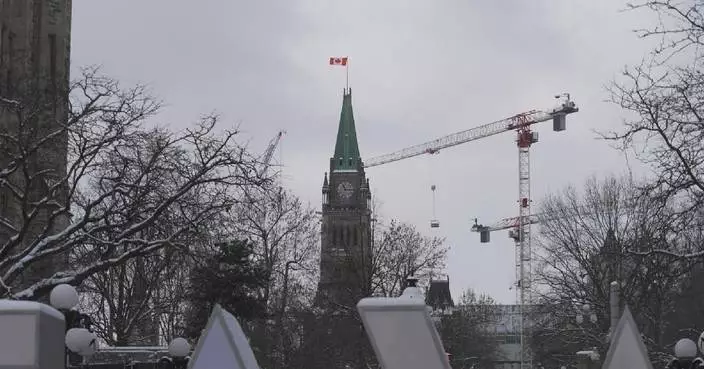
The U.S. federal government's shutdown had lasted 20 days as of Monday, dealing a heavy blow to the travel sector and small businesses across the country.
Major museums in Washington D.C., including the National Archives and the National Galley of Art, began to shutter last Sunday due to the shutdown. The closure of these top attractions continued to affect the catering, transportation and hotel industries.
Many Americans are disappointed with the government shutdown, tired of the ongoing political struggles between the Democratic and Republican parties, with many lamenting that American society is becoming increasingly divided.
"I wish the shutdown hadn't happened during this time, but it is what it is. But as far as the division heads, it's pretty bad. I know friends from way back who are one side or the other and they don't even talk anymore, so that's terrible," said Daniel, a tourist from Michigan visiting the country's capital.
"It's slightly disappointing, for sure, because of the political disarrangements. Common people are suffering, not only like the employees, but tourists like us," said Niaki, another tourist from New York.
A week into this round of shutdown, the U.S. Travel Association released an estimate that the U.S. tourism economy was losing approximately one billion U.S. dollars per week. A White House Council of Economic Advisers memo indicated that the shutdown could cost the U.S. approximately 15 billion U.S. dollars in GDP for every week it lasts.
National parks across the United States have been forced to furlough employees, leaving visitor centers and other facilities unmanned and largely closed.
The Federal Aviation Administration Sunday announced that flight delays and cancellations continued at airports including Dallas, Chicago, Atlanta, and Newark due to staffing shortages at air traffic control facilities.
According to flight tracking data company FlightAware, over 5,800 flights were delayed across the U.S. on Sunday alone. Experts have said that this shutdown will dampen confidence among American families and small businesses, suppress consumer investment, increase risks to air traffic and national security, and disrupts market order if it drags on.
The U.S. federal government began a shutdown on October 1, the first in nearly seven years, as a result of congressional failure to pass appropriations legislation for the 2026 fiscal year. The last U.S. government shutdown, from late 2018 to early 2019, lasted 35 days, the longest on record.
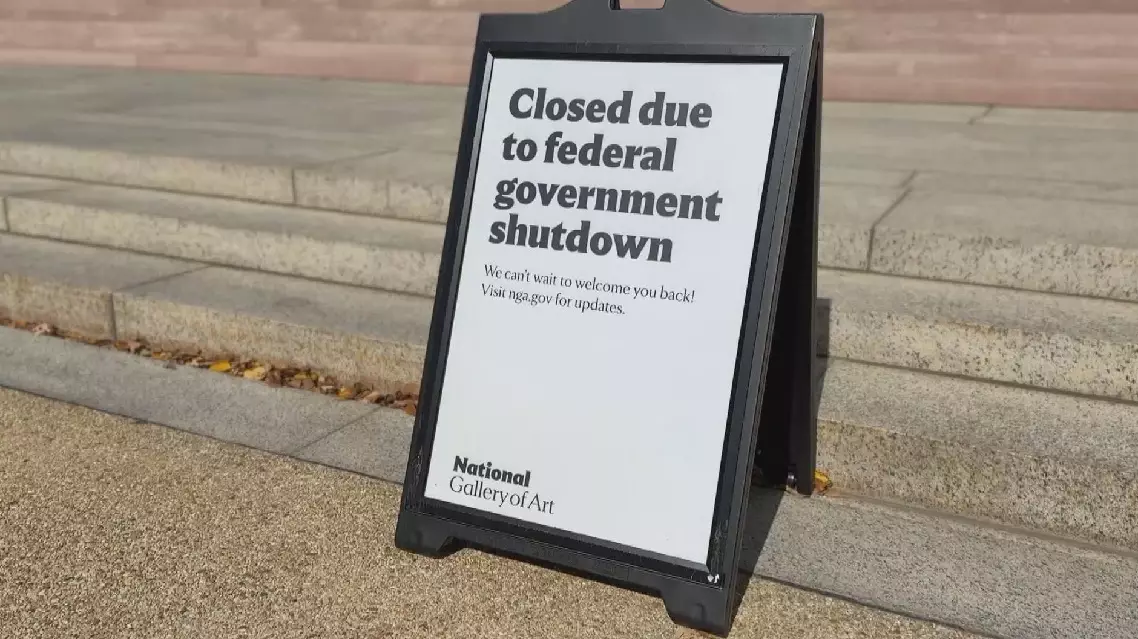
US gov't shutdown deals heavy blow to tourism
US gov't shutdown deals heavy blow to tourism