- Otis solutions help establish new airport's role as a major transport hub
- Phase 1 will accommodate 13 million passengers a year
PHNOM PENH, Cambodia, Oct. 24, 2025 /PRNewswire/ -- Otis elevators and escalators are helping move passengers safely and seamlessly through Cambodia's new international airport which was officially inaugurated this week. Otis Worldwide Corporation (NYSE: OTIS) is the world's leading elevator and escalator manufacturing, installation and service company.
"Otis is honored to support Cambodia in expanding its aviation infrastructure to boost global connectivity and economic growth," said Nicolas Lopez, Senior Vice President & Managing Director, Southeast Asia, Otis. "This world-class airport has been designed to deliver a superior passenger experience, with safe, reliable and efficient mobility solutions provided by Otis to complement the building's traditional aesthetics."
With world-class project management expertise and advanced solutions, Otis is a partner in many of the world's most significant airport projects, including the newly extended Terminal 2 at Incheon International Airport in Korea, which included designing and installing the longest continuous walkways in Asia.
What Otis elevators and escalators are used at Techo International Airport?
Otis has provided 118 units in total:
- 52 Gen2™ elevator systems, which feature machine room-less and gearless technology, powered by Otis ReGen™ regenerative drive systems that enable elevators to convert excess energy into electricity
- 36 515NPE escalators and 30 moving walkways which are heavy-duty units designed for high-traffic areas
Techo International Airport is being developed in three phases by the Royal Government of the Kingdom of Cambodia and Overseas Cambodian Investment Corporation (OCIC). The airport will manage up to 13 million passengers in Phase 1, 30 million passengers in Phase 2 and 50 million passengers in Phase 3.
About Otis
Otis gives people freedom to connect and thrive in a taller, faster, smarter world. The global leader in the manufacture, installation and servicing of elevators and escalators, we move 2.4 billion people a day and maintain approximately 2.4 million customer units worldwide – the industry's largest Service portfolio. You'll find us in the world's most iconic structures, as well as residential and commercial buildings, transportation hubs and everywhere people are on the move. Headquartered in Connecticut, USA, Otis is 72,000 people strong, including 44,000 field professionals, all committed to manufacturing, installing and maintaining products to meet the diverse needs of our customers and passengers in more than 200 countries and territories. To learn more, visit www.otis.com and follow us on LinkedIn, YouTube, Instagram and Facebook @OtisElevatorCo.
** The press release content is from PR Newswire. Bastille Post is not involved in its creation. **

Otis Helps Cambodia's Techo International Airport Prepare for Future
- Singapore will be the exhibition's world premiere, bringing 12 life-sized worlds inspired by iconic Studio Ghibli films and featuring multiple world-first immersive exhibition experiences.
- Explore nearly 3,500 square metres of immersive experiences inspired by My Neighbor Totoro, Spirited Away, The Boy and the Heron, and more.
SINGAPORE, Sept. 14, 2026 /PRNewswire/ -- Tickets are now available for The Story of Studio Ghibli, the immersive exhibition featuring world premiere experiences in Singapore. Opening on 18 December 2026 at Gardens by the Bay, the Singapore edition will span nearly 3,500 square metres, making it the largest presentation of The Story of Studio Ghibli to date. The exhibition invites visitors to journey through unforgettable moments from beloved films including Nausicaä of the Valley of the Wind, My Neighbor Totoro, Kiki's Delivery Service, Princess Mononoke, Spirited Away, Howl's Moving Castle, The Boy and the Heron, and more.
Founded in 1985 by Isao Takahata, Hayao Miyazaki and Toshio Suzuki, Studio Ghibli has become one of the world's most influential animation studios. Its films have captivated audiences worldwide through timeless storytelling, memorable characters and themes of kindness, courage, respect for nature, and hope, which continue to resonate across generations.
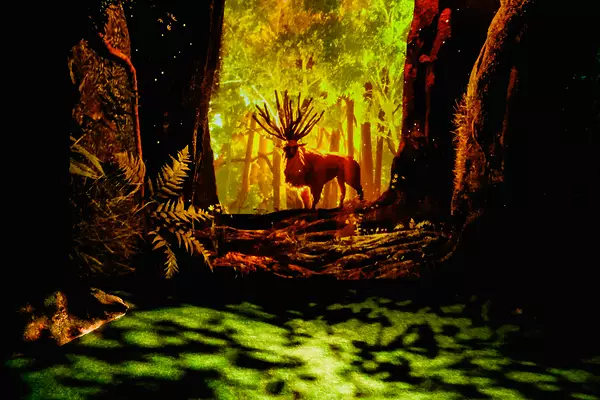
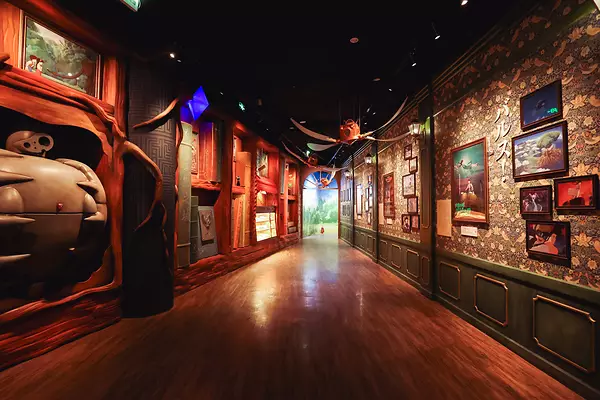
Produced by TSUKURU, INC. and M Experience, and supported by the Singapore Tourism Board, The Story of Studio Ghibli transforms these celebrated films into an immersive, walk-through experience featuring 12 life-sized recreated worlds. Visitors can encounter the majestic Ohmu from Nausicaä of the Valley of the Wind, stand beside Totoro while waiting for the Catbus from My Neighbor Totoro, wander through the mysterious streets of Spirited Away, and experience the world's first eight-metre-tall three-dimensional recreation of its iconic bathhouse. Interactive multimedia installations throughout the exhibition place visitors at the centre of each story, transforming familiar scenes into experiences best encountered in person.
The Story of Studio Ghibli offers both longtime fans and a new generation of audiences an opportunity to explore these stories in a new way. Beyond recreating scenes from the films, visitors are invited to journey beyond the artwork and production materials, engage more deeply with the stories themselves and rediscover the ideas and values that continue to resonate across cultures and generations.
"The Story of Studio Ghibli is not simply an exhibition to be viewed. It is an experience to be felt. Through 12 recreated immersive scenes inspired by iconic Studio Ghibli films, visitors will be invited to step into the stories themselves and connect with the emotions, values and imagination that continue to resonate across cultures and generations," said Sean Lim, CEO, M Experience.
"We are delighted to welcome the world premiere of The Story of Studio Ghibli to Singapore. The expanded, immersive experience will bring beloved stories to life for fans and create unforgettable moments for visitors. Events of this calibre contribute to Singapore's vibrancy, adding to our line-up of world-class experiences and reinforcing our appeal as the region's premier lifestyle destination," said Ms Guo Teyi, Director, Leisure Events, Singapore Tourism Board.
Designed for fans of all ages, the exhibition will also explore themes such as creativity, resilience and environmental stewardship. Educational initiatives and learning opportunities are currently being developed to encourage deeper engagement with these themes, with further details to be announced closer to the exhibition opening.
Early Bird Tickets Now Available
Tickets are now available here on Klook, the official ticketing partner for The Story of Studio Ghibli in Singapore.
To celebrate the launch of ticket sales, each adult ticket purchased during the Early Bird period from 12 September 2026 to 17 December 2026 will include an exclusive limited-edition gift, while stocks last.
The Story of Studio Ghibli opens at Gardens by the Bay on 18 December 2026.
Plan your visit
Venue: Gardens by the Bay, West Lawn, 18 Marina Gardens Drive, Singapore 018953
Duration: 18 December 2026 to 4 July 2027
Opening hours: 10am – 7pm daily
Ticket Prices:
Singapore Citizens and Permanent Residents
- Adult: S$39
- Concession*: S$29
Standard Admission
- Off-Peak:
- Adult: S$49
- Concession*: S$43
- Peak:
- Adults: S$55
- Concession*: S$49
* Concession tickets are available for seniors aged 65 and above and children aged 3 to 12.
-END-
About Studio Ghibli
Studio Ghibli was founded in 1985 by animated film directors Isao Takahata, Hayao Miyazaki and Toshio Suzuki, and has produced twenty-five feature-length films. Most Studio Ghibli films ranked number one at the box office in Japan in the year in which they were released. Studio Ghibli films have garnered numerous awards and critical acclaim from film critics and animation specialists around the world. Spirited Away was awarded the Golden Bear as the Best Feature Film at the 52nd Berlin International Film Festival and won the 75th Academy Award® for Best Animated Feature Film. The Wind Rises (2013), The Tale of The Princess Kaguya (2013), When Marnie Was There (2014) and The Red Turtle (2016) earned the studio four consecutive nominations for the Academy Awards® for Best Animated Feature Film, and Earwig and the Witch (2020) was an official selection for the 73rd Cannes Film Festival. The studio's latest film, The Boy and the Heron (2023) was awarded the Golden Globe® Award, the BAFTA® Film Award and the Academy Award® for Best Animated Feature Film in 2024. The studio received Honorary Palme d'Or at the 77th Cannes Film Festival.
About TSUKURU, INC.
TSUKURU, INC. was founded in 2023 and operates as a global group with entities in Tokyo, Japan; Hong Kong, China; and Shanghai, China.
The company is strategically positioned around IP Management as its core business, with a strong focus on global operations. Its activities include the introduction of international IP and content, IP management, commercial development, and marketing. By integrating creative design, technical production, execution, and promotional strategies, it provides comprehensive support for Intellectual Property (IP) assets worldwide.
About M Experience
M Experience has delivered a range of immersive IP exhibitions and cultural experiences across Asia, including collaborations with global partners such as Neon Global and Tencent. Its portfolio spans large-scale installations, interactive environments, and digital immersive formats, with experience in delivering Studio Ghibli exhibitions as well as other IP-led experiences across entertainment, cultural heritage, and technology-driven formats.
SINGAPORE, Sept. 14, 2026 /PRNewswire/ -- Tickets are now available for The Story of Studio Ghibli, the immersive exhibition featuring world premiere experiences in Singapore. Opening on 18 December 2026 at Gardens by the Bay, the Singapore edition will span nearly 3,500 square metres, making it the largest presentation of The Story of Studio Ghibli to date. The exhibition invites visitors to journey through unforgettable moments from beloved films including Nausicaä of the Valley of the Wind, My Neighbor Totoro, Kiki's Delivery Service, Princess Mononoke, Spirited Away, Howl's Moving Castle, The Boy and the Heron, and more.
Founded in 1985 by Isao Takahata, Hayao Miyazaki and Toshio Suzuki, Studio Ghibli has become one of the world's most influential animation studios. Its films have captivated audiences worldwide through timeless storytelling, memorable characters and themes of kindness, courage, respect for nature, and hope, which continue to resonate across generations.
Produced by TSUKURU, INC. and M Experience, and supported by the Singapore Tourism Board, The Story of Studio Ghibli transforms these celebrated films into an immersive, walk-through experience featuring 12 life-sized recreated worlds. Visitors can encounter the majestic Ohmu from Nausicaä of the Valley of the Wind, stand beside Totoro while waiting for the Catbus from My Neighbor Totoro, wander through the mysterious streets of Spirited Away, and experience the world's first eight-metre-tall three-dimensional recreation of its iconic bathhouse. Interactive multimedia installations throughout the exhibition place visitors at the centre of each story, transforming familiar scenes into experiences best encountered in person.
The Story of Studio Ghibli offers both longtime fans and a new generation of audiences an opportunity to explore these stories in a new way. Beyond recreating scenes from the films, visitors are invited to journey beyond the artwork and production materials, engage more deeply with the stories themselves and rediscover the ideas and values that continue to resonate across cultures and generations.
"The Story of Studio Ghibli is not simply an exhibition to be viewed. It is an experience to be felt. Through 12 recreated immersive scenes inspired by iconic Studio Ghibli films, visitors will be invited to step into the stories themselves and connect with the emotions, values and imagination that continue to resonate across cultures and generations," said Sean Lim, CEO, M Experience.
"We are delighted to welcome the world premiere of The Story of Studio Ghibli to Singapore. The expanded, immersive experience will bring beloved stories to life for fans and create unforgettable moments for visitors. Events of this calibre contribute to Singapore's vibrancy, adding to our line-up of world-class experiences and reinforcing our appeal as the region's premier lifestyle destination," said Ms Guo Teyi, Director, Leisure Events, Singapore Tourism Board.
Designed for fans of all ages, the exhibition will also explore themes such as creativity, resilience and environmental stewardship. Educational initiatives and learning opportunities are currently being developed to encourage deeper engagement with these themes, with further details to be announced closer to the exhibition opening.
Early Bird Tickets Now Available
Tickets are now available here on Klook, the official ticketing partner for The Story of Studio Ghibli in Singapore.
To celebrate the launch of ticket sales, each adult ticket purchased during the Early Bird period from 12 September 2026 to 17 December 2026 will include an exclusive limited-edition gift, while stocks last.
The Story of Studio Ghibli opens at Gardens by the Bay on 18 December 2026.
Plan your visit
Venue: Gardens by the Bay, West Lawn, 18 Marina Gardens Drive, Singapore 018953
Duration: 18 December 2026 to 4 July 2027
Opening hours: 10am – 7pm daily
Ticket Prices:
Singapore Citizens and Permanent Residents
- Adult: S$39
- Concession*: S$29
Standard Admission
- Off-Peak:
- Adult: S$49
- Concession*: S$43
- Peak:
- Adults: S$55
- Concession*: S$49
- Adult: S$49
- Concession*: S$43
- Adults: S$55
- Concession*: S$49
* Concession tickets are available for seniors aged 65 and above and children aged 3 to 12.
-END-
About Studio Ghibli
Studio Ghibli was founded in 1985 by animated film directors Isao Takahata, Hayao Miyazaki and Toshio Suzuki, and has produced twenty-five feature-length films. Most Studio Ghibli films ranked number one at the box office in Japan in the year in which they were released. Studio Ghibli films have garnered numerous awards and critical acclaim from film critics and animation specialists around the world. Spirited Away was awarded the Golden Bear as the Best Feature Film at the 52nd Berlin International Film Festival and won the 75th Academy Award® for Best Animated Feature Film. The Wind Rises (2013), The Tale of The Princess Kaguya (2013), When Marnie Was There (2014) and The Red Turtle (2016) earned the studio four consecutive nominations for the Academy Awards® for Best Animated Feature Film, and Earwig and the Witch (2020) was an official selection for the 73rd Cannes Film Festival. The studio's latest film, The Boy and the Heron (2023) was awarded the Golden Globe® Award, the BAFTA® Film Award and the Academy Award® for Best Animated Feature Film in 2024. The studio received Honorary Palme d'Or at the 77th Cannes Film Festival.
About TSUKURU, INC.
TSUKURU, INC. was founded in 2023 and operates as a global group with entities in Tokyo, Japan; Hong Kong, China; and Shanghai, China.
The company is strategically positioned around IP Management as its core business, with a strong focus on global operations. Its activities include the introduction of international IP and content, IP management, commercial development, and marketing. By integrating creative design, technical production, execution, and promotional strategies, it provides comprehensive support for Intellectual Property (IP) assets worldwide.
About M Experience
M Experience has delivered a range of immersive IP exhibitions and cultural experiences across Asia, including collaborations with global partners such as Neon Global and Tencent. Its portfolio spans large-scale installations, interactive environments, and digital immersive formats, with experience in delivering Studio Ghibli exhibitions as well as other IP-led experiences across entertainment, cultural heritage, and technology-driven formats.
** This press release is distributed by PR Newswire through automated distribution system, for which the client assumes full responsibility. **
Tickets Now Available for The Story of Studio Ghibli at Gardens by the Bay, Opening in Singapore on 18 December 2026
Tickets Now Available for The Story of Studio Ghibli at Gardens by the Bay, Opening in Singapore on 18 December 2026
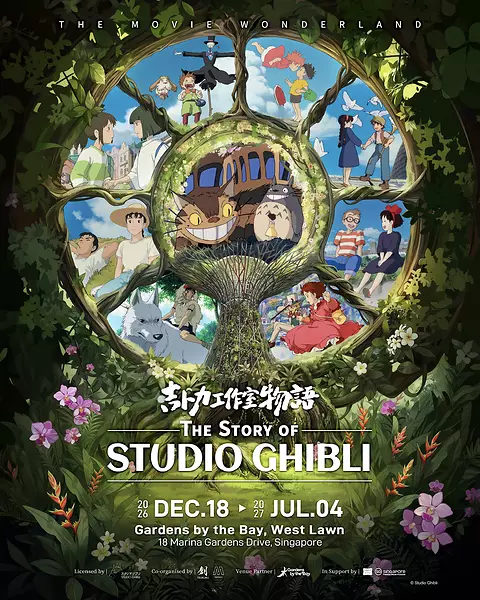
Tickets Now Available for The Story of Studio Ghibli at Gardens by the Bay, Opening in Singapore on 18 December 2026