Skip to Content Facebook Feature Image

A neglected and ancient trade in Spain gets a boost from African migrants

News

A neglected and ancient trade in Spain gets a boost from African migrants
News

News

A neglected and ancient trade in Spain gets a boost from African migrants

2025-10-25 18:10 Last Updated At:18:20

LOS CORTIJOS, Spain (AP) — The bells and bleats faded as Osam Abdulmumen, a migrant from Sudan, herded sheep back from pasture, the sun setting over a centuries-old farm in Spain’s arid heartland.

From dawn to dusk, Abdulmumen, 25, has looked over a flock of 400 animals for months in Los Cortijos, a village of 850 people in the plains of Castile-La Mancha, the region in central Spain made famous by the 17th-century classic “Don Quixote.”

More Images
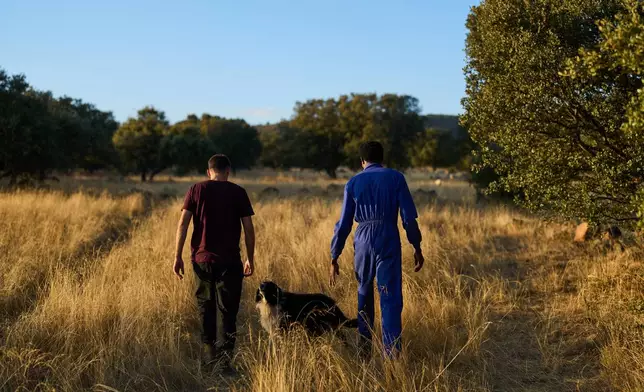
Spanish shepherd Álvaro Esteban and Sudanese shepherd Osam Abdulmumen walk through the countryside while heading to gather a sheep herd in Los Cortijos, central Spain, Tuesday, Oct. 7, 2025. (AP Photo/Bernat Armangue)
Spanish shepherd Álvaro Esteban and Sudanese shepherd Osam Abdulmumen walk through the countryside while heading to gather a sheep herd in Los Cortijos, central Spain, Tuesday, Oct. 7, 2025. (AP Photo/Bernat Armangue)

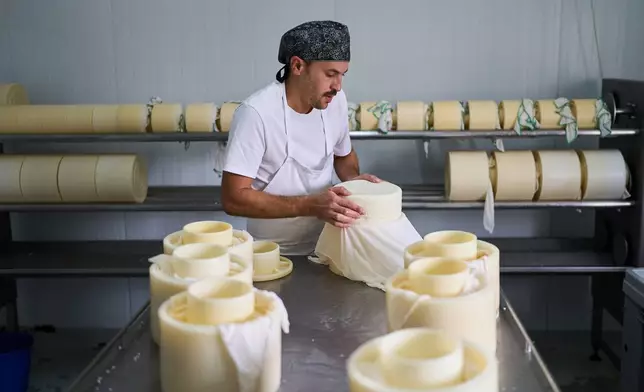
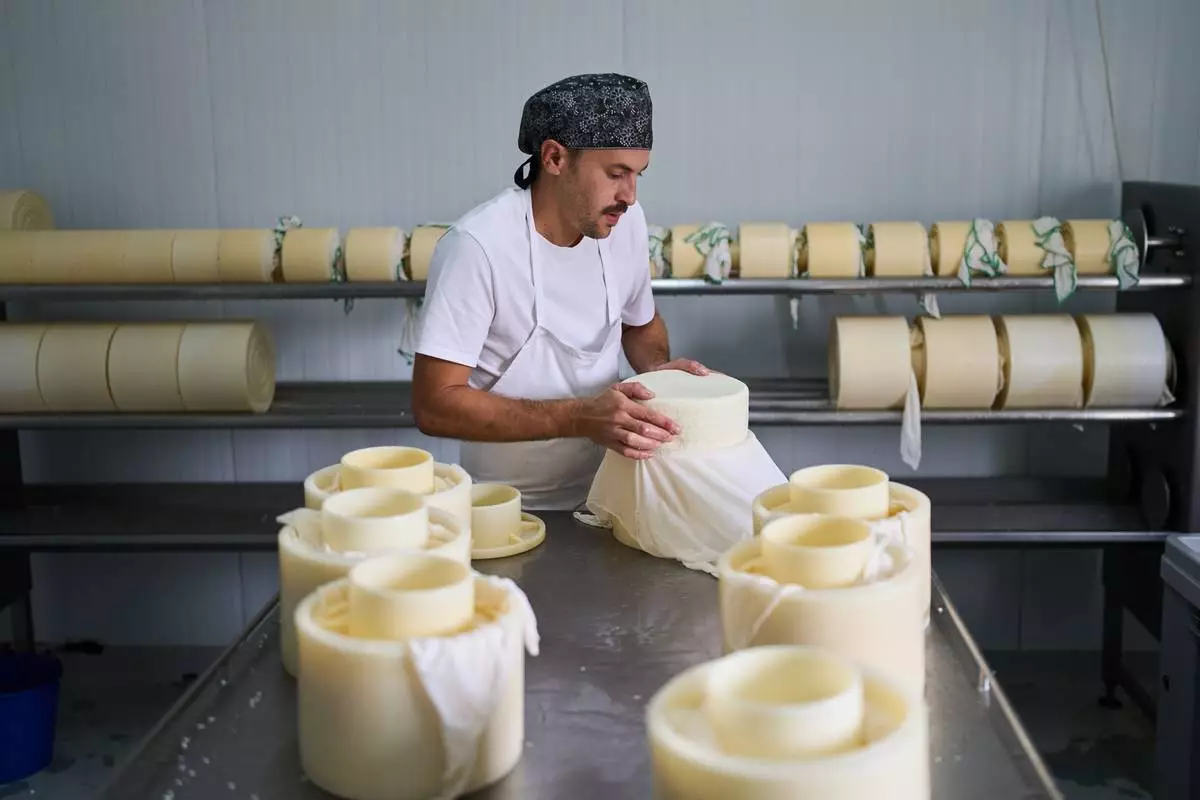
Shepherd Álvaro Esteban cures cheese inside the Manojar cheese factory in Los Cortijos, central Spain, Friday, Oct. 10, 2025. (AP Photo/Bernat Armangue)
Shepherd Álvaro Esteban cures cheese inside the Manojar cheese factory in Los Cortijos, central Spain, Friday, Oct. 10, 2025. (AP Photo/Bernat Armangue)

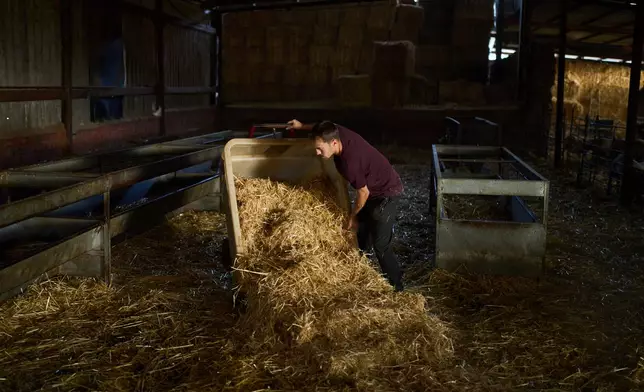
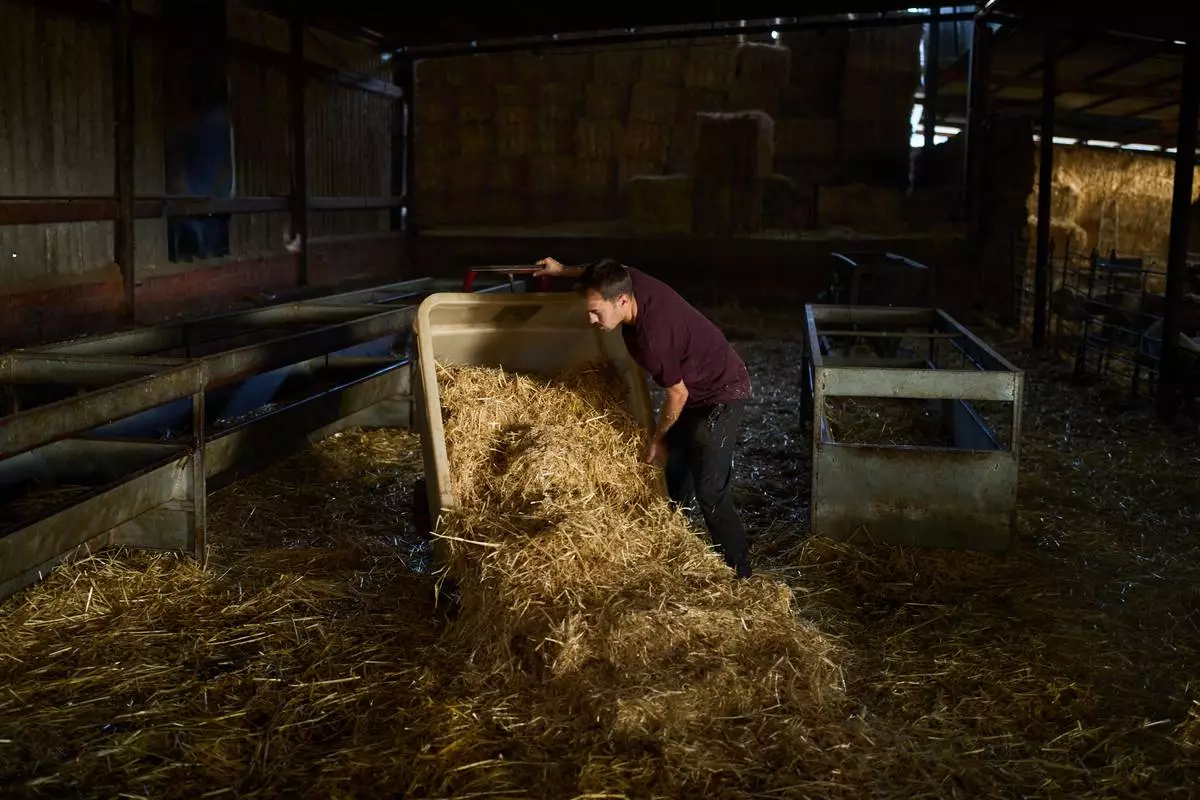
Shepherd Álvaro Esteban works inside the stable in Los Cortijos, central Spain, Friday, Oct. 10, 2025. (AP Photo/Bernat Armangue)
Shepherd Álvaro Esteban works inside the stable in Los Cortijos, central Spain, Friday, Oct. 10, 2025. (AP Photo/Bernat Armangue)

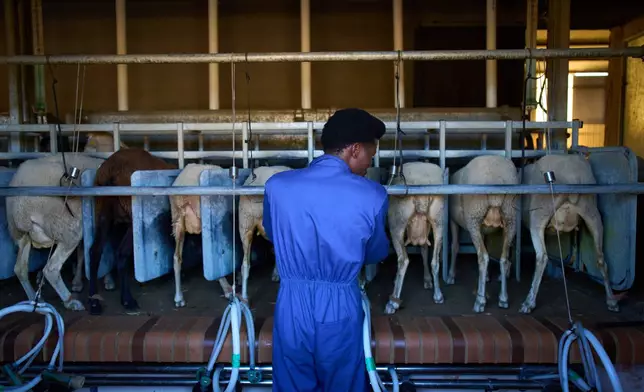
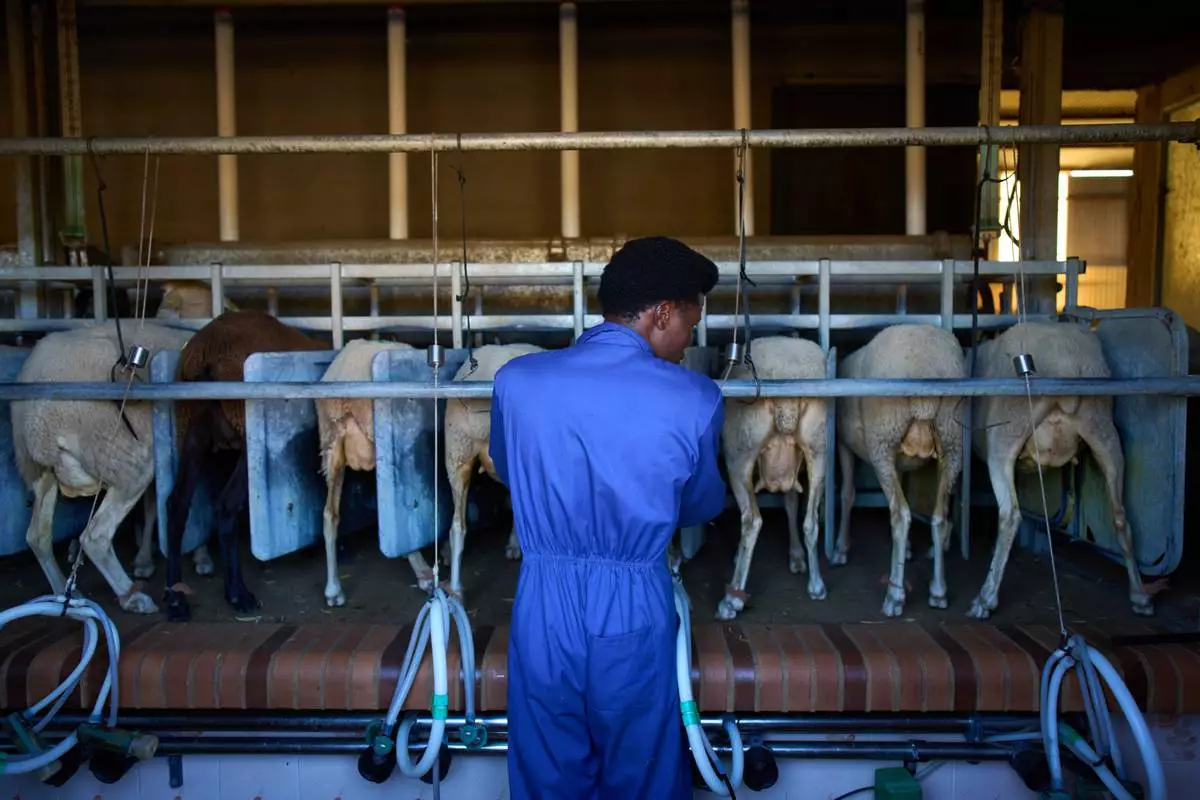
Sudanese shepherd Osam Abdulmumen milks goats at farm in Los Cortijos, central Spain, Tuesday, Oct. 7, 2025. (AP Photo/Bernat Armangue)
Sudanese shepherd Osam Abdulmumen milks goats at farm in Los Cortijos, central Spain, Tuesday, Oct. 7, 2025. (AP Photo/Bernat Armangue)

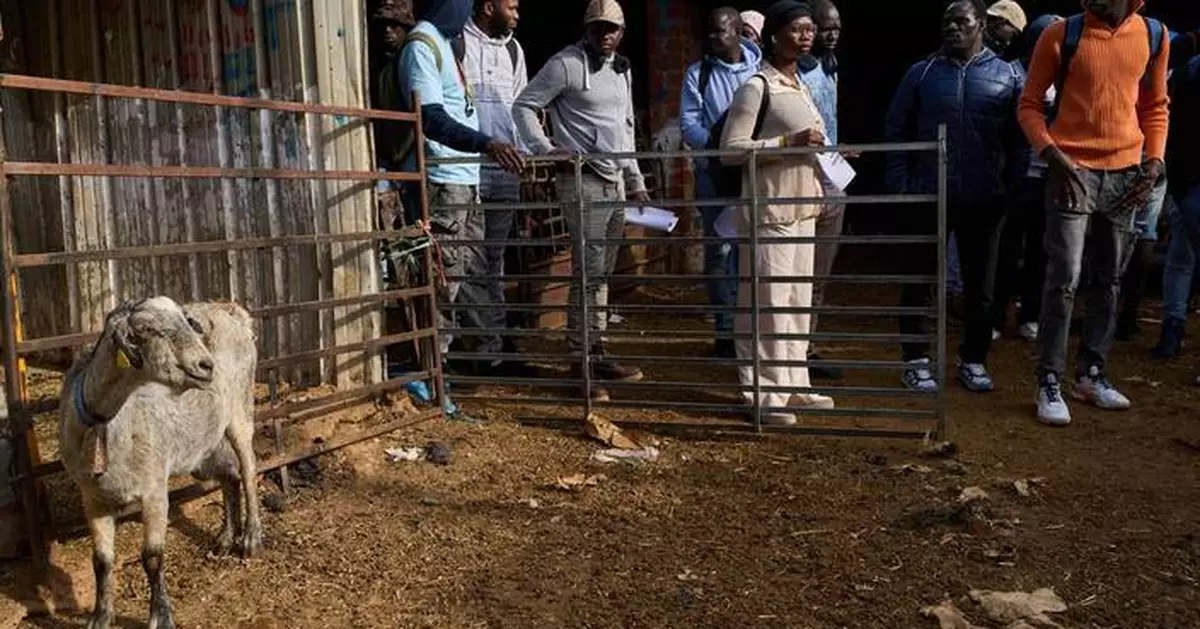
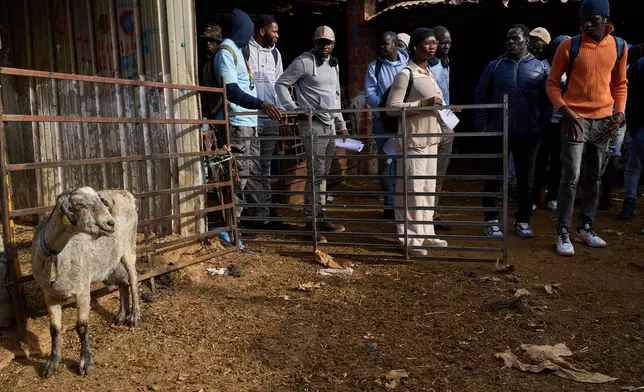
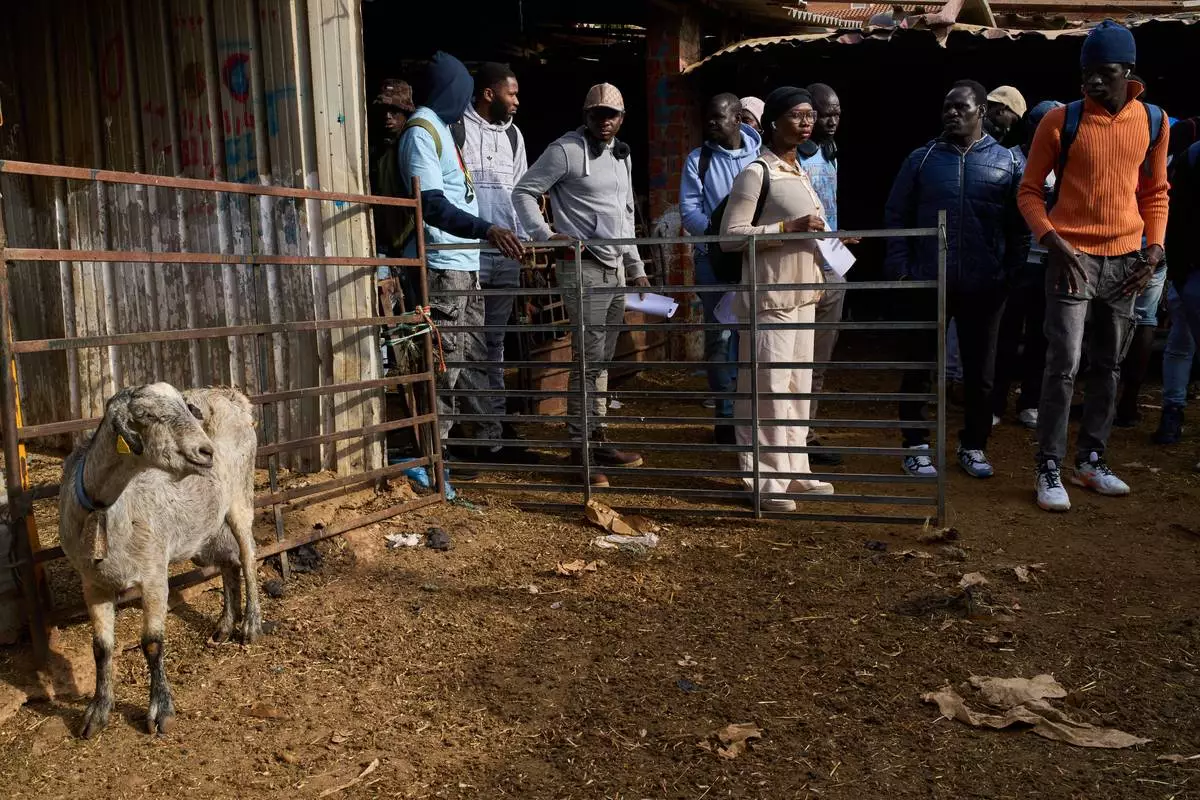
African students visit a sheep farm during a practical class on sheep care in Malagón, central Spain, Friday, Oct. 10, 2025. (AP Photo/Bernat Armangue)

African students visit a sheep farm during a practical class on sheep care in Malagón, central Spain, Friday, Oct. 10, 2025. (AP Photo/Bernat Armangue)

Los Cortijos is among hundreds of rural villages and towns in the region coping with depopulation, which has made it tough to find shepherds, a job that has existed since biblical times. Few Spaniards are willing to do it anymore.

To fill that gap and also find work for recent migrants, a government program is training arrivals like Abdulmumen — many from countries in Africa, but also from Venezuela and Afghanistan — whom local farms depend upon to herd the animals whose milk produces central Spain’s prized sheep’s milk cheese.

“I always wanted to work in my country, but there are too many problems," Abdulmumen said inside his tidy, bare one-bedroom apartment in town, speaking in his limited Spanish. He said he left because of violence but was reticent to say more. “My family can’t do much right now. That’s why I want to buy them things. A house, too.”

The challenges of finding workers in rural Spain are personal for Álvaro Esteban, the fifth-generation proprietor of the farm. Esteban left Los Cortijos himself for eight years, first to study history at a nearby university, and then to Wales, where he worked odd jobs before returning home during the COVID-19 pandemic.

“I didn’t see my future here,” said Esteban, 32. “But due to life circumstances, I decided to come back and … being here made me say, ‘Well, maybe there is a future.'”

Spain's interior has experienced decades of rural exodus, starting around 1950, as generations of young people left the countryside in search of work and opportunity in cities. Today, about 81% percent of the country's residents live in urban areas. In 1950, about 60% did, according to the Bank of Spain.

Farmers and other agricultural laborers represent less than 4% of Spain's working population, even as the country is one of Europe’s leading agricultural producers.

After he came back, Esteban took the same shepherding course as Abdulmumen, and looked at how he could modernize his family’s farm. He works alongside his 61-year-old father and Abdulmumen, using drones to monitor the animals and pastures. He also makes cheese that he later sells at markets and to restaurants.

The new shepherds begin their training in a bare classroom just outside the fortified medieval city of Toledo, where, on a recent morning, nearly two dozen migrants learned about coaxing flocks of sheep, handling them and guiding suction cups onto their teats.

They are taught the fundamentals over five days — just enough time to convey the basics to students who often speak only halting Spanish, but are eager to work. After a day of on-site training, and if they are authorized to work in Spain, they can apply to be matched with a farm.

Sharifa Issah, a 27-year-old migrant from Ghana, said she wanted to train to work with sheep because she had tended to animals back home.

“I’m happy with animals,” Issah said.

Since 2022, about 460 students, most of them migrants, have gone through the program, which is funded by the regional government, according to program coordinator Pedro Luna. Besides the 53 graduates now employed as shepherds, another 15 work at slaughterhouses, he said, while others found jobs on olive and other fruit farms.

Many students are asylum-seekers, like Abdulmumen, who is from the Sudanese region of Darfur. Organizations including the International Red Cross connect migrants with Luna’s program.

Like many of his peers, Abdulmumen's journey to Spain was anything but simple. At 18, he left Sudan, arriving first in Egypt, where he found work in construction. Over the next four years, he moved between Tunisia, Morocco and Egypt again before finally crossing into Ceuta — the Spanish enclave on Morocco’s northern coast — where he applied for asylum. Eventually, he made his way to mainland Spain.

Today, Abdulmumen lives alone in Los Cortijos, where he is one of three Africans, he said. At home, he studies Spanish and watches television. On weekends, he plays soccer with people around his age who visit from a nearby city, but the lack of young people in town is challenging, he said.

Abdulmumen's days begin at five in the morning with Muslim prayer before he heads to the farm, where he stays past sundown. About once every month, he calls his family in Sudan, where a civil war has raged since April 2023, but cell service is spotty in their village. A month can become two, he said. He last saw them seven years ago.

“That’s the only difficult part,” he said, a small prayer mat beside him on the floor. He earns about 1,300 euros ($1,510) a month, slightly above Spain's minimum wage. With that, he said he can send some money home once every couple of months.

“After, I look for another job, but not now. I like this job, it's more calm and the town is, too. I like living here in the town,” he said.

Without help from migrants like Abdulmumen, Esteban said many livestock farms in the region — including his family’s — would be forced to close down in the next five to 10 years. Very few young people want to work rural jobs. Even fewer have the know-how, he said.

“Most of the businesses that exist right now won’t have anyone to take over, because the children don’t want to follow in their parents’ footsteps,” Esteban said. “It’s a very hard-hit sector, very neglected.”

AP journalists Bernat Armangué in Madrid and Joseph Wilson in Barcelona contributed reporting.
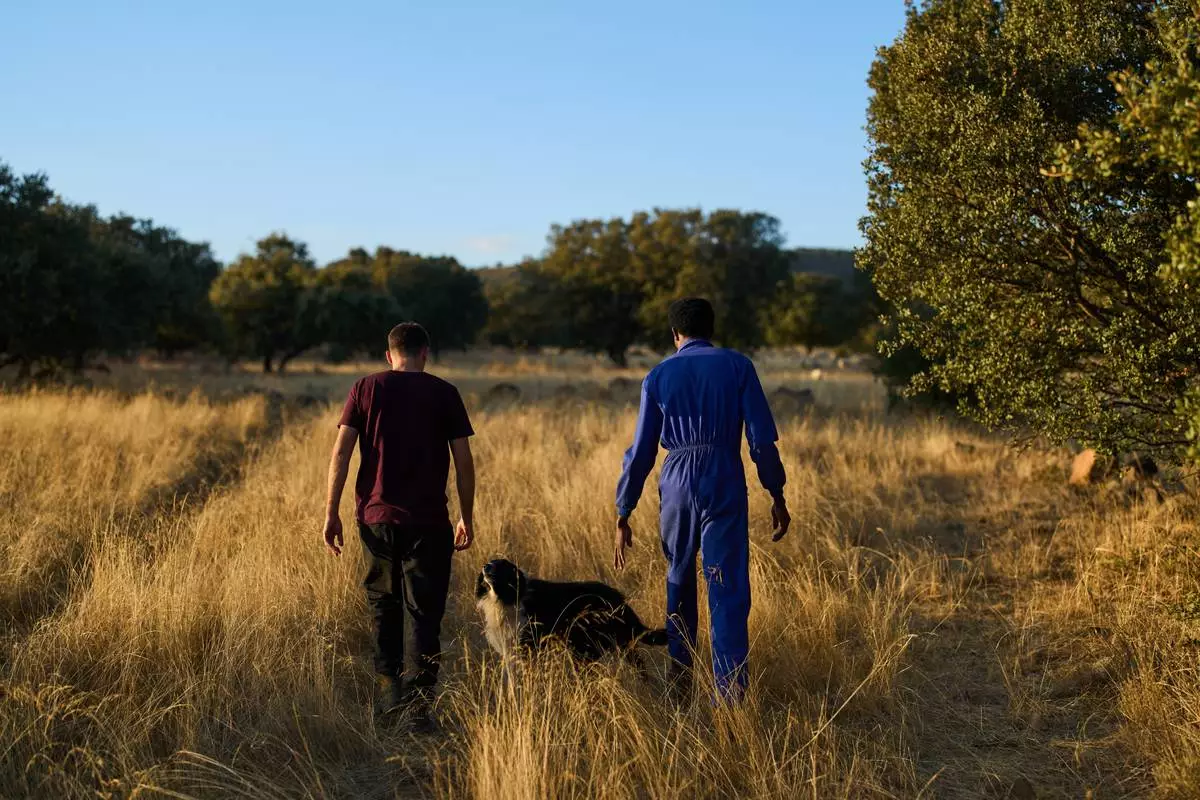
Spanish shepherd Álvaro Esteban and Sudanese shepherd Osam Abdulmumen walk through the countryside while heading to gather a sheep herd in Los Cortijos, central Spain, Tuesday, Oct. 7, 2025. (AP Photo/Bernat Armangue)
Spanish shepherd Álvaro Esteban and Sudanese shepherd Osam Abdulmumen walk through the countryside while heading to gather a sheep herd in Los Cortijos, central Spain, Tuesday, Oct. 7, 2025. (AP Photo/Bernat Armangue)

Shepherd Álvaro Esteban cures cheese inside the Manojar cheese factory in Los Cortijos, central Spain, Friday, Oct. 10, 2025. (AP Photo/Bernat Armangue)
Shepherd Álvaro Esteban cures cheese inside the Manojar cheese factory in Los Cortijos, central Spain, Friday, Oct. 10, 2025. (AP Photo/Bernat Armangue)

Shepherd Álvaro Esteban works inside the stable in Los Cortijos, central Spain, Friday, Oct. 10, 2025. (AP Photo/Bernat Armangue)
Shepherd Álvaro Esteban works inside the stable in Los Cortijos, central Spain, Friday, Oct. 10, 2025. (AP Photo/Bernat Armangue)

Sudanese shepherd Osam Abdulmumen milks goats at farm in Los Cortijos, central Spain, Tuesday, Oct. 7, 2025. (AP Photo/Bernat Armangue)
Sudanese shepherd Osam Abdulmumen milks goats at farm in Los Cortijos, central Spain, Tuesday, Oct. 7, 2025. (AP Photo/Bernat Armangue)

African students visit a sheep farm during a practical class on sheep care in Malagón, central Spain, Friday, Oct. 10, 2025. (AP Photo/Bernat Armangue)

African students visit a sheep farm during a practical class on sheep care in Malagón, central Spain, Friday, Oct. 10, 2025. (AP Photo/Bernat Armangue)
KAMPALA, Uganda (AP) — Uganda’s presidential election was plagued by widespread delays Thursday in addition to a days-long internet shutdown that has been criticized as an anti-democratic tactic in a country where the president has held office since 1986.

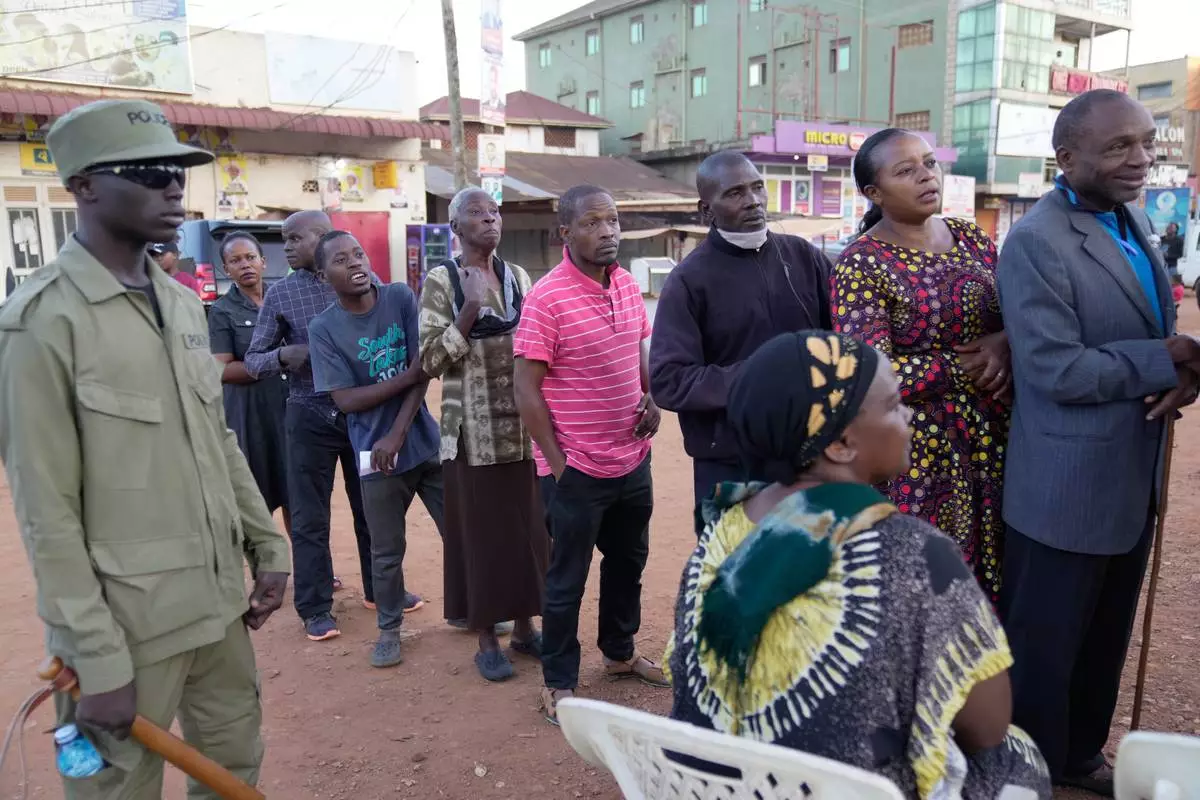
Some polling stations remained closed for up to four hours after the scheduled 7 a.m. start time due to “technical challenges," according to the nation's electoral commission, which asked polling officers to use paper registration records to ensure the difficulties did not “disenfranchise any voter.”

President Yoweri Museveni, 81, faces seven other candidates, including Robert Kyagulanyi, a musician-turned-politician best known as Bobi Wine, who is calling for political change.

The East African country of roughly 45 million people has 21.6 million registered voters. Polls were expected to close at 4 p.m., but voting was extended one hour until 5 p.m. local time. Results are constitutionally required to be announced in 48 hours.

In the morning, impatient crowds gathered outside polling stations expressing concerns over the delays. Umaru Mutyaba, a polling agent for a parliamentary candidate, said it was “frustrating” to be waiting outside a station in the capital Kampala.

“We can’t be standing here waiting to vote as if we have nothing else to do," he said.

Wine, the candidate, alleged electoral fraud, noting that biometric voter identification machines were not working at polling places and claiming that there was “ballot stuffing.”

Wine wrote in a post on X that his party's leaders had been arrested. “Many of our polling agents and supervisors abducted, and others chased off polling stations,” the post said.

Museveni told journalists he was notified that biometric machines weren't working at some stations and that he supported the electoral body's decision to revert to paper registration records. He did not comment on allegations of fraud.

Ssemujju Nganda, a prominent opposition figure and lawmaker seeking reelection in Kira municipality, told The Associated Press he had been waiting in line to vote for three hours.

Nganda said the delays likely would lead to apathy and low turnout in urban areas where the opposition has substantial support. "It’s going to be chaos,” he said.

Nicholas Sengoba, an independent analyst and newspaper columnist, said delays to the start of voting in urban, opposition areas favored the ruling party.

Emmanuel Tusiime, a young man who was among dozens prevented from entering a polling station in Kampala past closing time said the officials had prevented him from participating.

“My vote has not been counted, and, as you can see, I am not alone," he said he was left feeling “very disappointed.”

Uganda has not witnessed a peaceful transfer of presidential power since independence from British colonial rule six decades ago.

Museveni has served the third-longest term of any African leader and is seeking to extend his rule into a fifth decade. The aging president’s authority has become increasingly dependent on the military led by his son, Muhoozi Kainerugaba.

Museveni and Wine are reprising their rivalry from the previous election in 2021, when Wine appealed to mostly young people in urban areas. With voter turnout of 59%, Wine secured 35% of the ballots against Museveni’s 58%, the president’s smallest vote share since his first electoral campaign three decades ago.

The lead-up to Thursday's election produced concerns about transparency, the possibility of hereditary rule, military interference and possible vote tampering.

Uganda's internet was shut down Tuesday by the government communications agency, which cited misinformation, electoral fraud and incitement of violence. The shutdown has affected the public and disrupted critical sectors such as banking.

There has been heavy security leading up to voting, including military units deployed on the streets this week.

Amnesty International said security forces are engaging in a “brutal campaign of repression,” citing a Nov. 28 opposition rally in eastern Uganda where the military blocked exits and opened fire on supporters, killing one person.

Museveni urged voters to come out in large numbers during his final rally Tuesday.

“You go and vote, anybody who tries to interfere with your freedom will be crushed. I am telling you this. We are ready to put an end to this indiscipline,” he said.

The national electoral commission chairperson, Simon Byabakama, urged tolerance among Ugandans as they vote.

“Let us keep the peace that we have,” Byabakama said late Wednesday. “Let us be civil. Let us be courteous. Let’s be tolerant. Even if you know that this person does not support (your) candidate, please give him or her room or opportunity to go and exercise his or her constitutional right."

Authorities also suspended the activities of several civic groups during the campaign season. That Group, a prominent media watchdog, closed its office Wednesday after the interior ministry alleged in a letter that the group was involved in activities “prejudicial to the security and laws of Uganda.”

Veteran opposition figure Kizza Besigye, a four-time presidential candidate, remains in prison after he was charged with treason in February 2025.

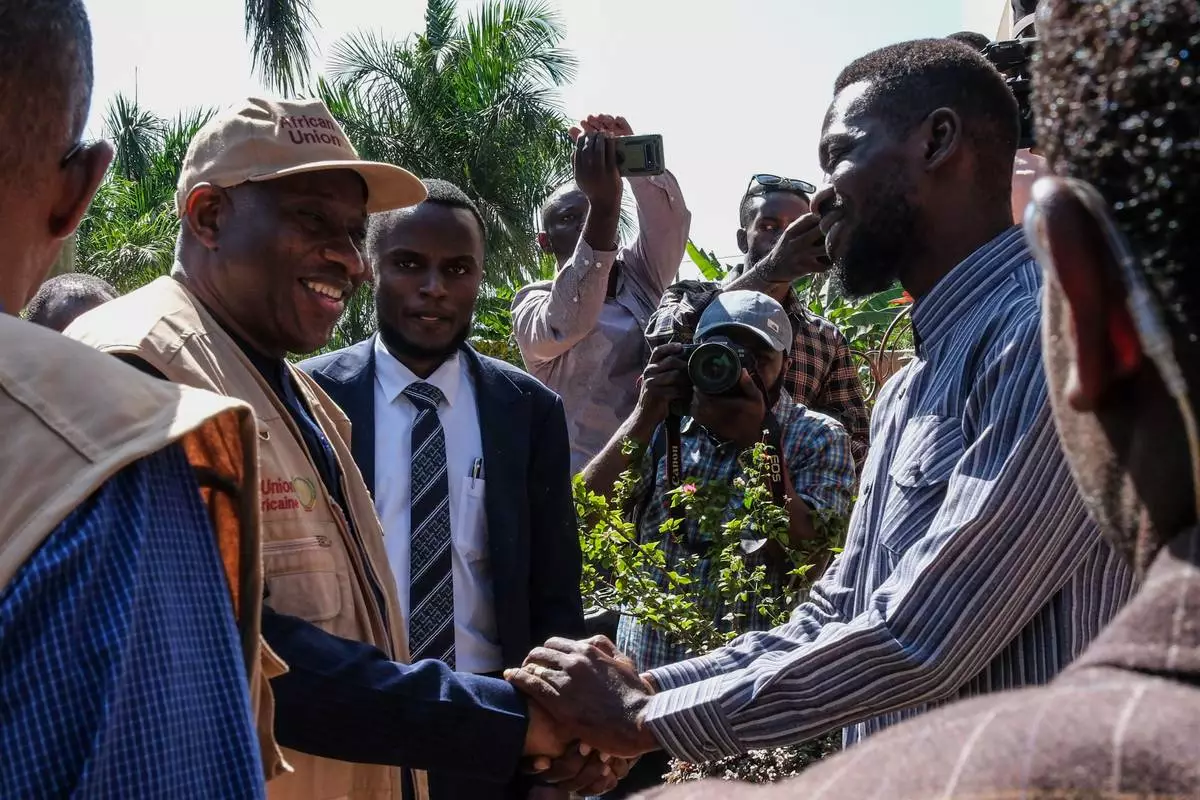
Uganda opposition presidential candidate Robert Kyagulanyi Ssentamu, known as Bobi Wine, right, greets election observers, including former Nigerian President Goodluck Jonathan, at his home in Magere village on the outskirts of Kampala, Uganda, Wednesday, Jan. 14, 2026. (AP Photo/Hajarah Nalwadda)

Uganda opposition presidential candidate Robert Kyagulanyi Ssentamu, known as Bobi Wine, right, greets election observers, including former Nigerian President Goodluck Jonathan, at his home in Magere village on the outskirts of Kampala, Uganda, Wednesday, Jan. 14, 2026. (AP Photo/Hajarah Nalwadda)

Billboards of Uganda President and National Resistance Movement (NRM) presidential candidate Yoweri Museveni are seen in Kampala, Uganda, Tuesday, Jan. 13, 2026. (AP Photo/Samson Otieno)

Billboards of Uganda President and National Resistance Movement (NRM) presidential candidate Yoweri Museveni are seen in Kampala, Uganda, Tuesday, Jan. 13, 2026. (AP Photo/Samson Otieno)

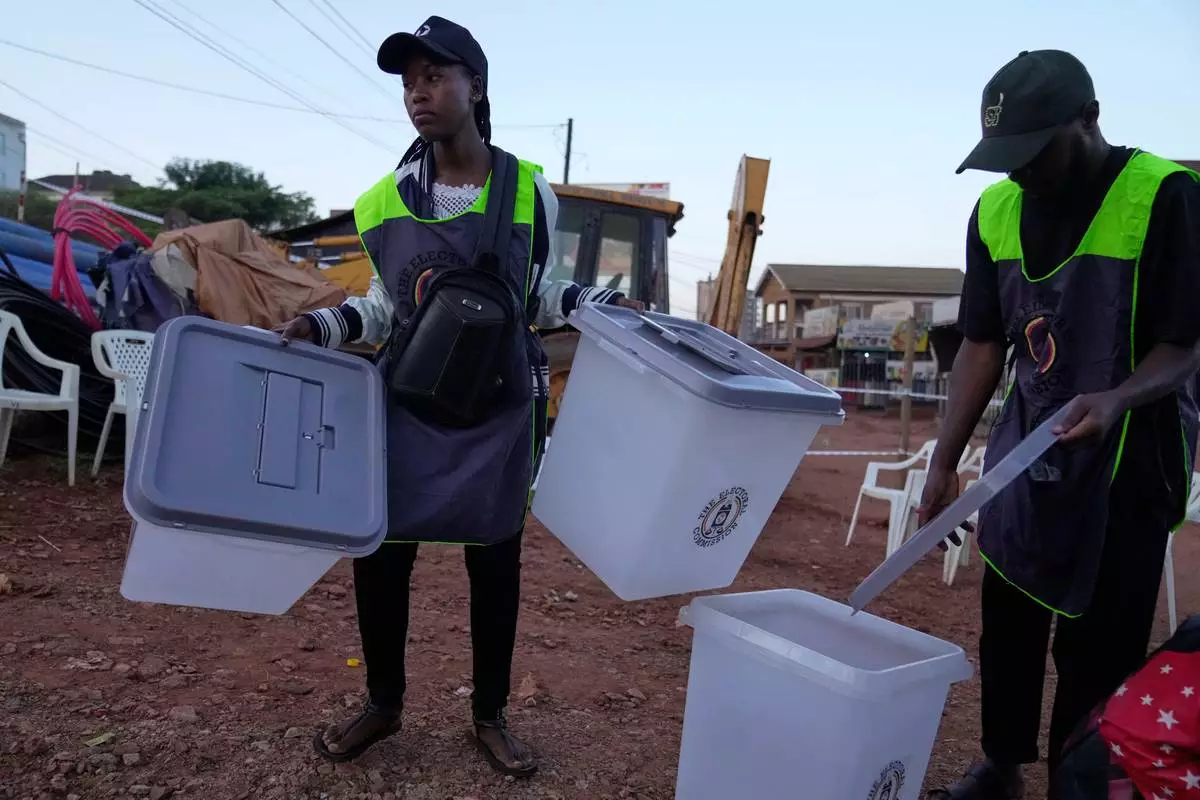
Electoral workers deliver ballot boxes to a polling station during presidential election in Kampala, Uganda, Thursday, Jan. 15, 2026. (AP Photo/Brian Inganga)

Electoral workers deliver ballot boxes to a polling station during presidential election in Kampala, Uganda, Thursday, Jan. 15, 2026. (AP Photo/Brian Inganga)

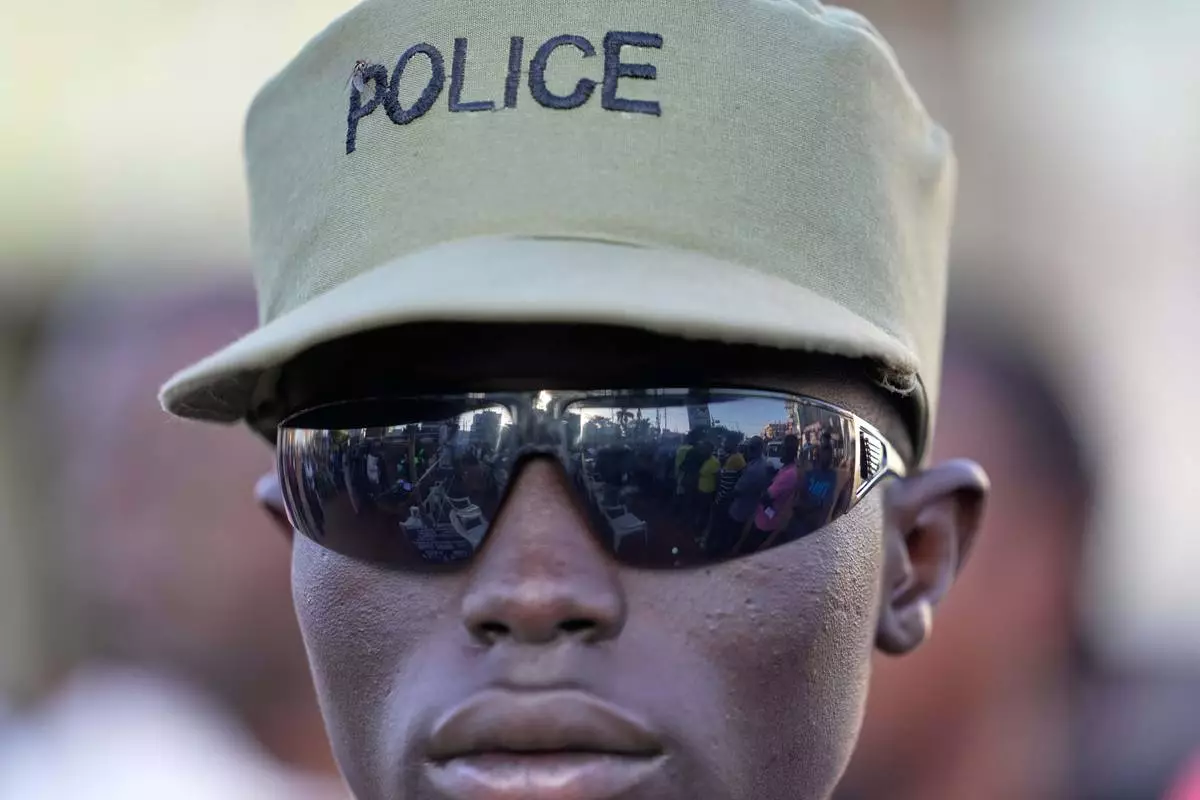
Voters are reflected in a police officer's sunglasses as they wait in line after voting failed to start on time due to system failures during presidential election in Kampala, Uganda, Thursday, Jan. 15, 2026. (AP Photo/Brian Inganga)

Voters are reflected in a police officer's sunglasses as they wait in line after voting failed to start on time due to system failures during presidential election in Kampala, Uganda, Thursday, Jan. 15, 2026. (AP Photo/Brian Inganga)

Voters wait to cast their ballots during the presidential election in Kampala, Uganda, Thursday, Jan. 15, 2026. (AP Photo/Brian Inganga)

Voters wait to cast their ballots during the presidential election in Kampala, Uganda, Thursday, Jan. 15, 2026. (AP Photo/Brian Inganga)

Recommended Articles